
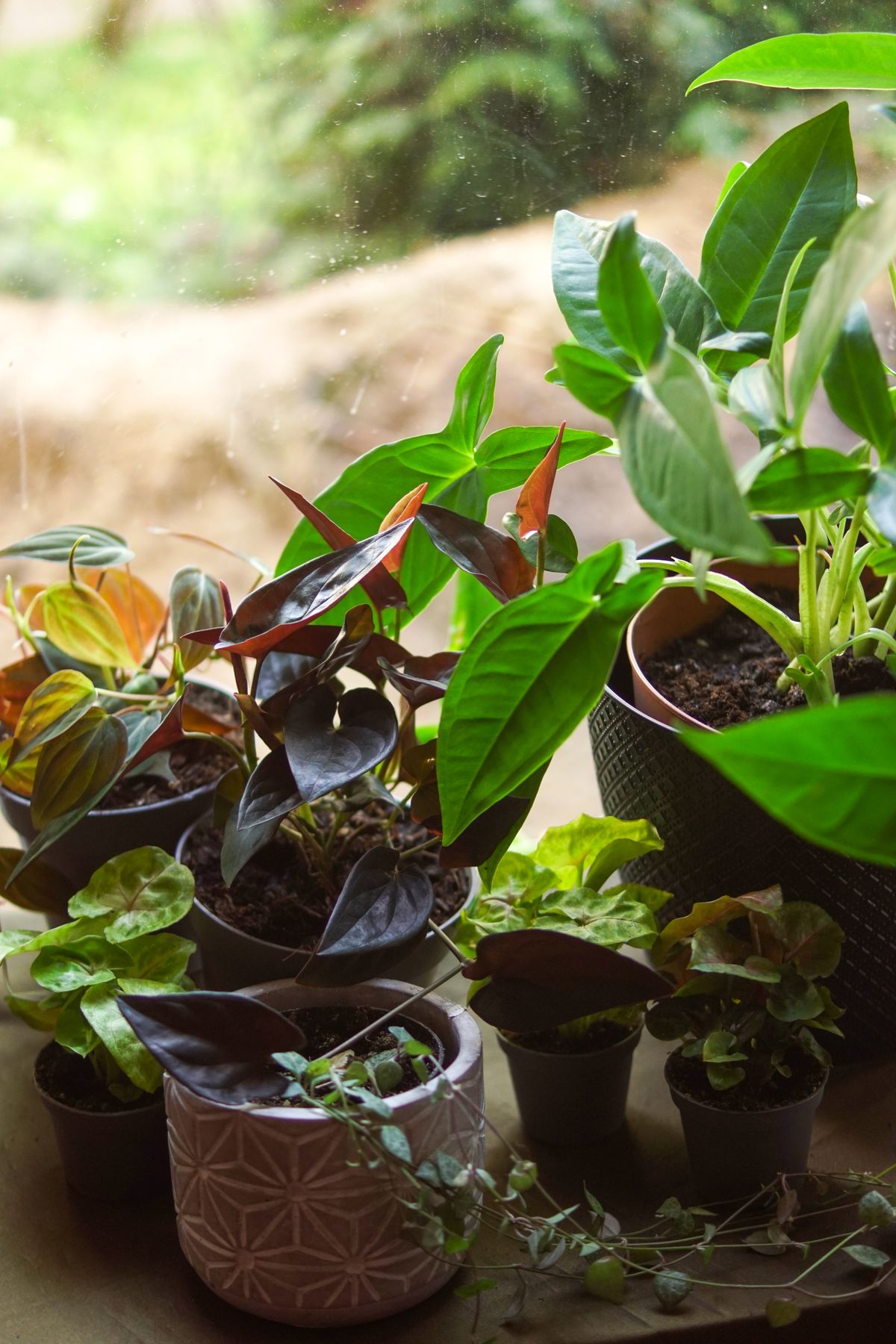
Can the Same Snake Plant Rosette Flower Again?
A single rosette only ever blooms once — but a snake plant is a clump, not one growing point, and every new rosette that comes up carries its own once-in-a-lifetime bloom potential. Here is the realistic timeline and how to track which rosette has already had its turn.
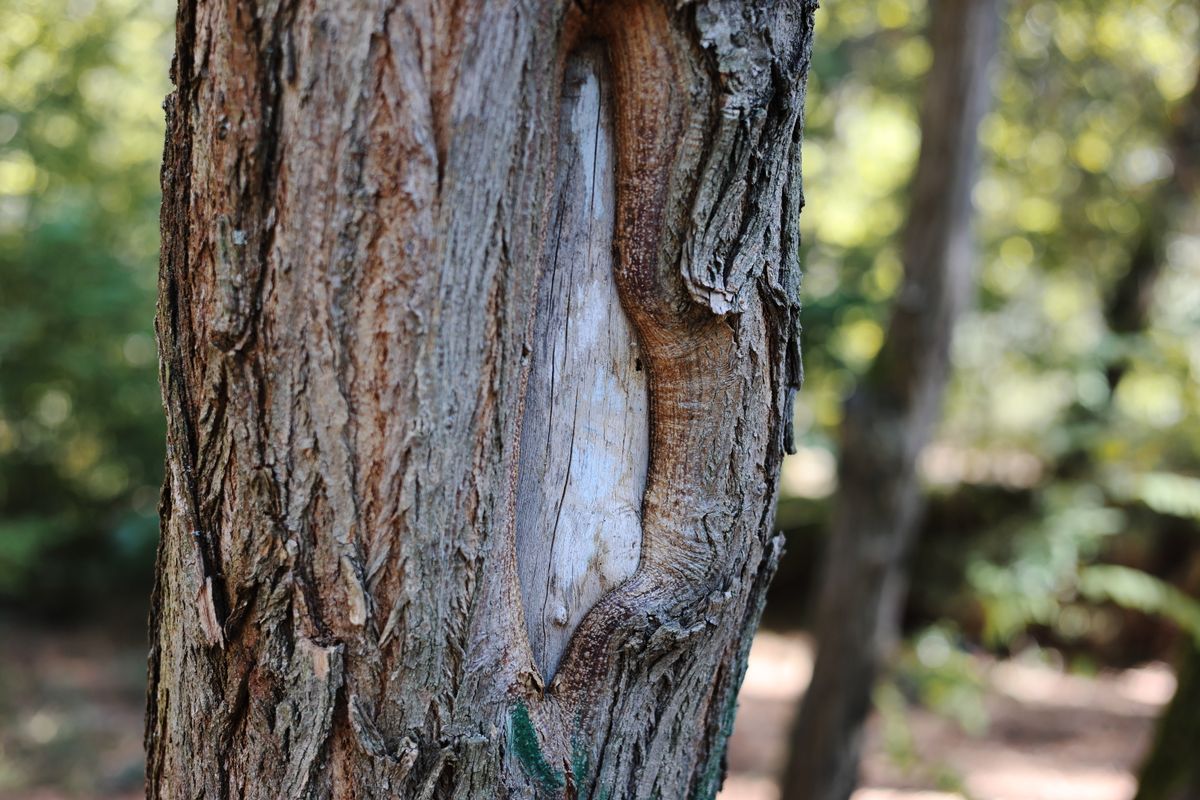
Can Damaged Snake Plant Leaves Heal Themselves?
A snake plant leaf never turns damaged tissue back into healthy green tissue. Instead it seals the wound and redirects its energy into new growth — the same "generate, don't regenerate" principle that governs how trees handle injury. Here is what that means for every kind of leaf damage.
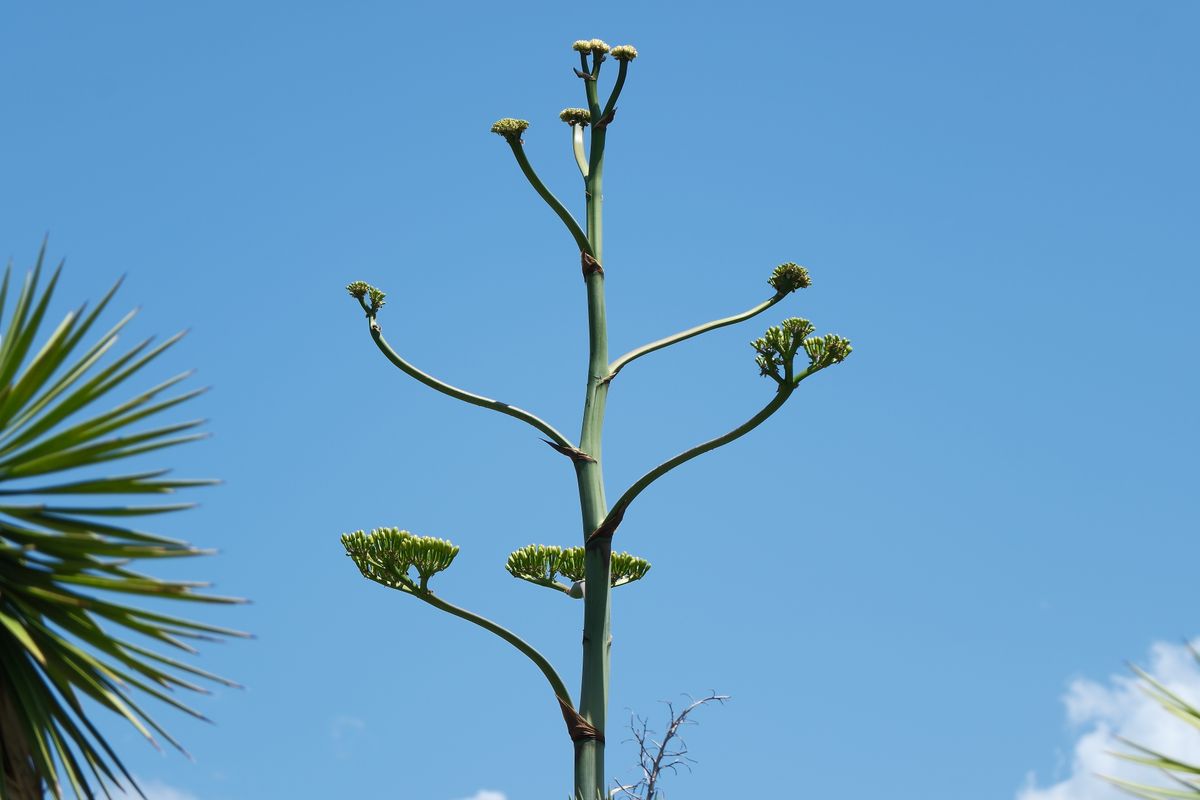
Does a Snake Plant Die After Flowering?
Agave dies after its one grand bloom, and the resemblance has snake plant owners worried their own plant is on the way out. It is not — only the rosette that flowered stops making leaves. Here is the real science and what actually happens next.
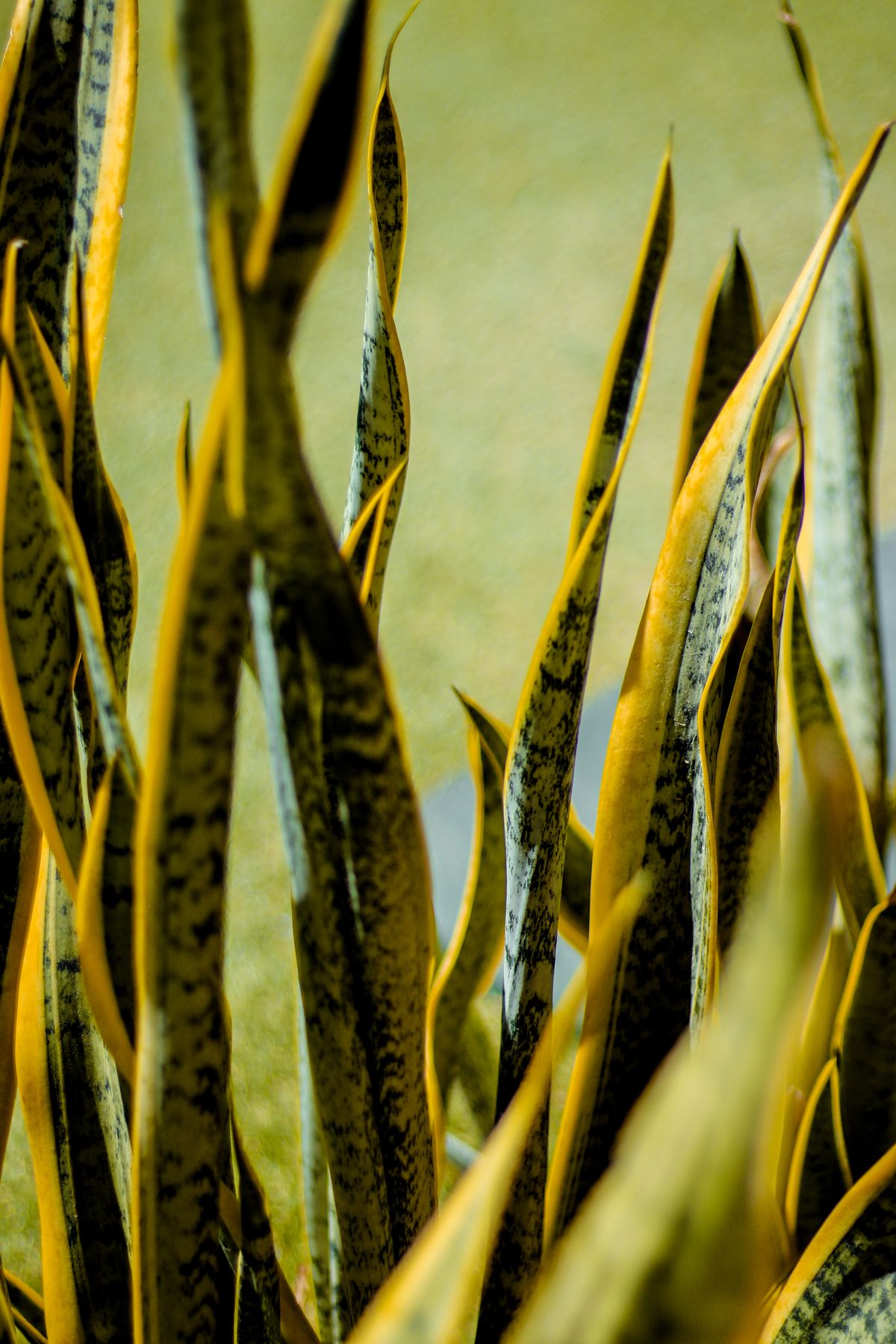
Flat vs Cylindrical Snake Plant Leaves: 7 Key Differences
Flat and cylindrical snake plants look almost nothing alike, despite sharing a genus and the same core care rules. Here is a side-by-side comparison of the two leaf forms, what drives the difference, and how to pick between them.
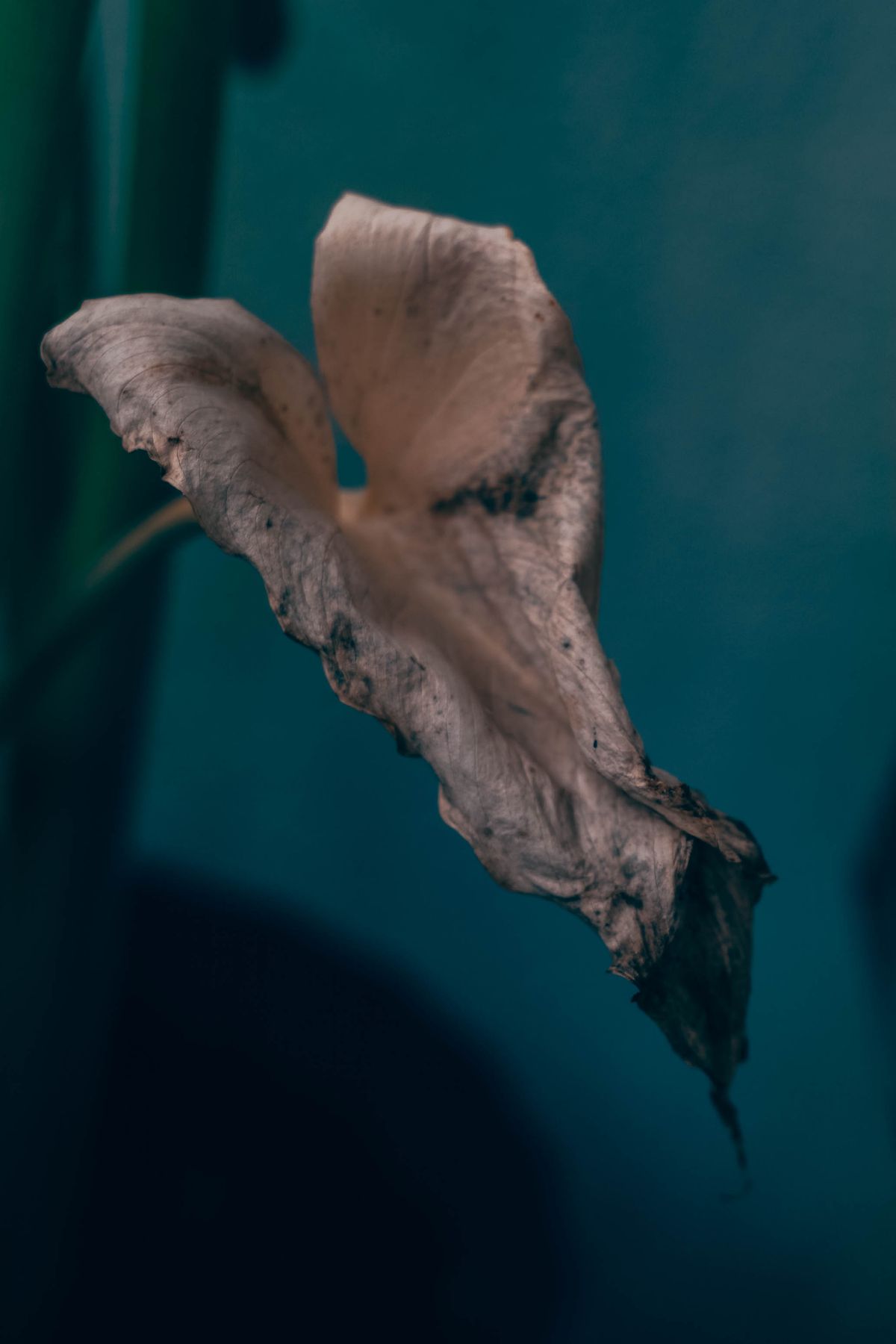
Snake Plant Bacterial Soft Rot: 6 Deadly Signs & Fixes
Bacterial soft rot turns firm snake plant leaves into slimy, foul-smelling mush within a day or two — a faster, more aggressive collapse than ordinary root rot. Here is how to recognize it, tell it apart from other problems, and save what tissue you can.
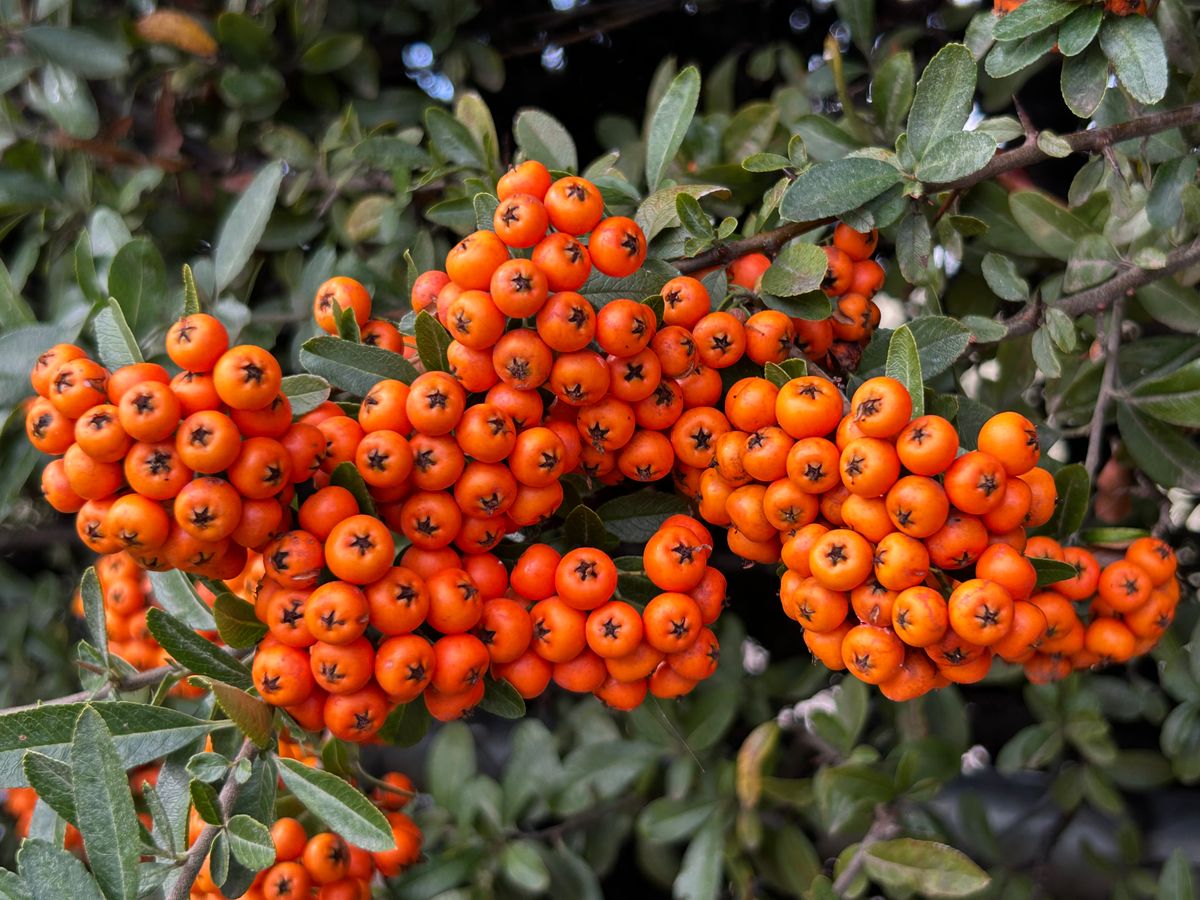
Snake Plant Berries: How Fruit Develops After Flowering
Orange berries on a snake plant are rare enough to stop most owners mid-scroll. Here is how they form after flowering, what they actually look like, whether they are safe around pets and kids, and what to do if yours just grew some.
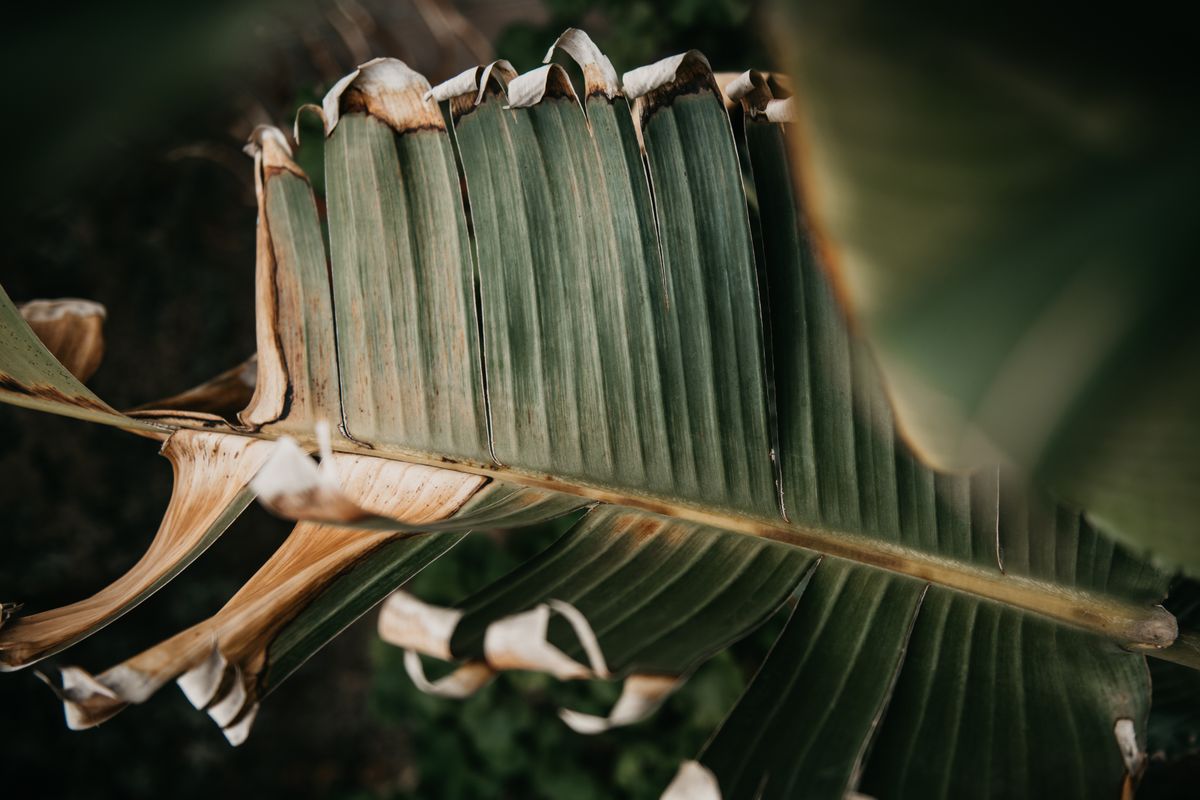
Why Do Snake Plant Leaf Tips Turn Brown?
Crispy brown tips look alarming on a plant known for being nearly indestructible. The cause is almost always one of seven fixable things — underwatering, fluoride in tap water, salt buildup, or a few others. Here is how to tell them apart and stop the damage.

Cold Damage in Snake Plant Leaves
A snake plant that goes limp, mushy, and translucent after a cold snap is not a lost cause. Here is how to spot cold damage, tell it apart from root rot and sunburn, and nurse the plant back with the rhizome usually doing the real recovery work.
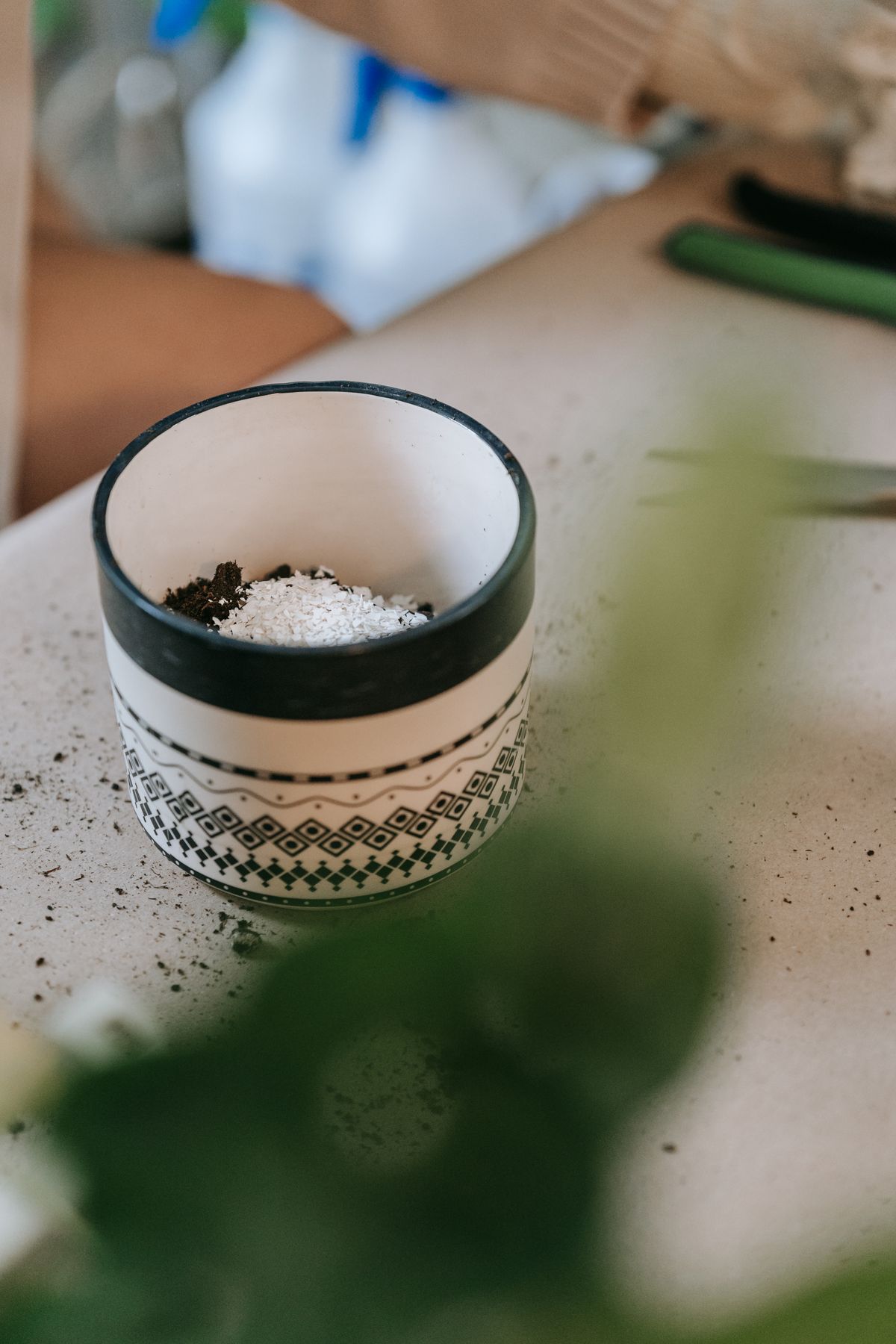
Snake Plant Fertilizer Burn: 5 Deadly Signs & Fixes
Fertilizer burn is a water problem wearing a nutrition disguise — too much salt in the soil pulls moisture out of the roots instead of in. Here is the osmotic science behind it, the five signs that confirm it, and how to flush a snake plant back to health.

Snake Plant Leaf Fibres: 7 Amazing Reasons They're So Strong
A snake plant leaf is strong enough to be twisted into rope, and tested strong enough to reinforce industrial composites. Here is the chemistry and mechanical data behind that strength, plus how to extract the fibres yourself.
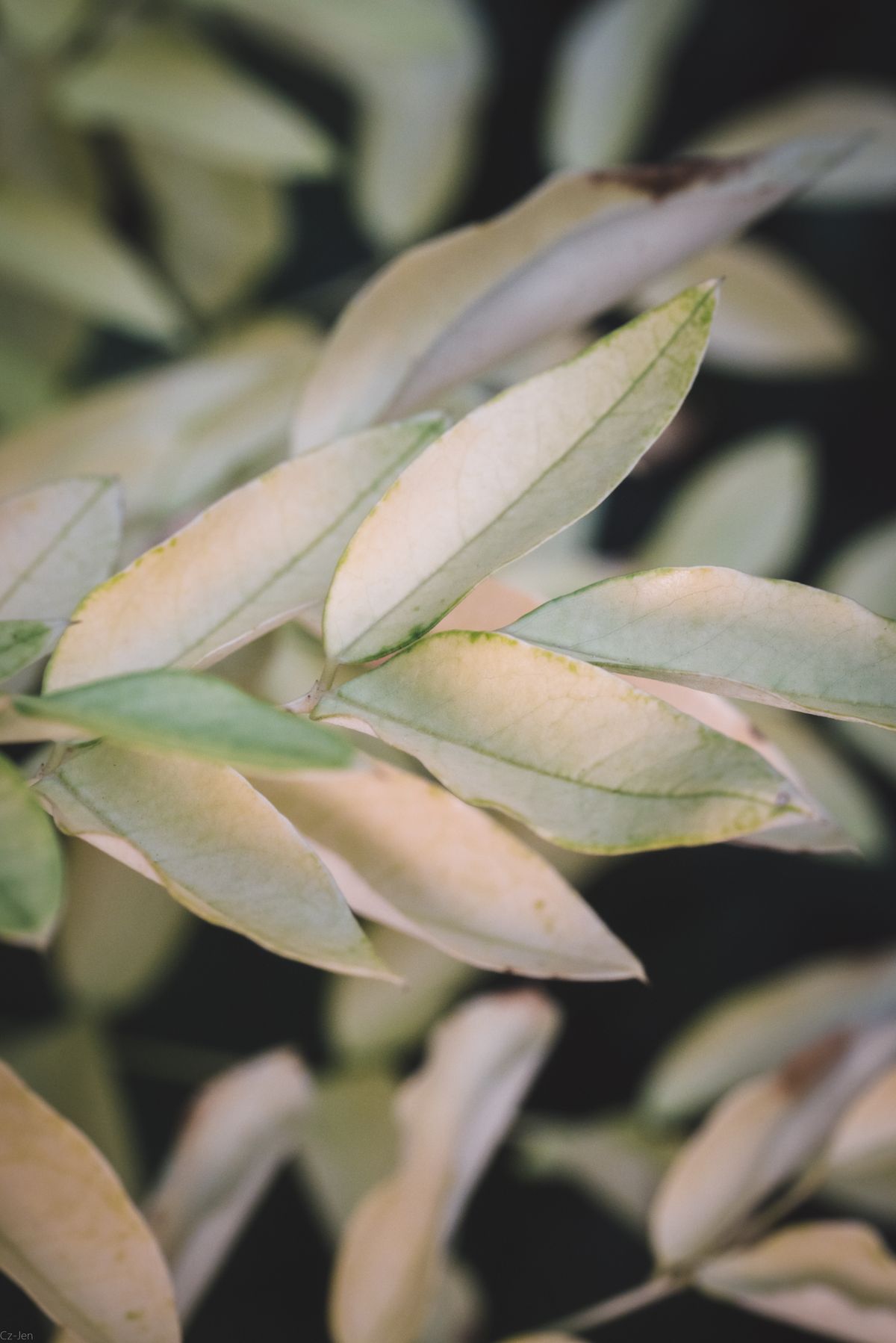
Why Do Snake Plant Leaves Lose Their Green Banding?
A snake plant losing its crisp banding is usually a light problem, not a disease — pigment production scales down in dim conditions the same way it scales up in bright light. Here are all five causes, the pigment science behind them, and why existing leaves never recolor once they fade.
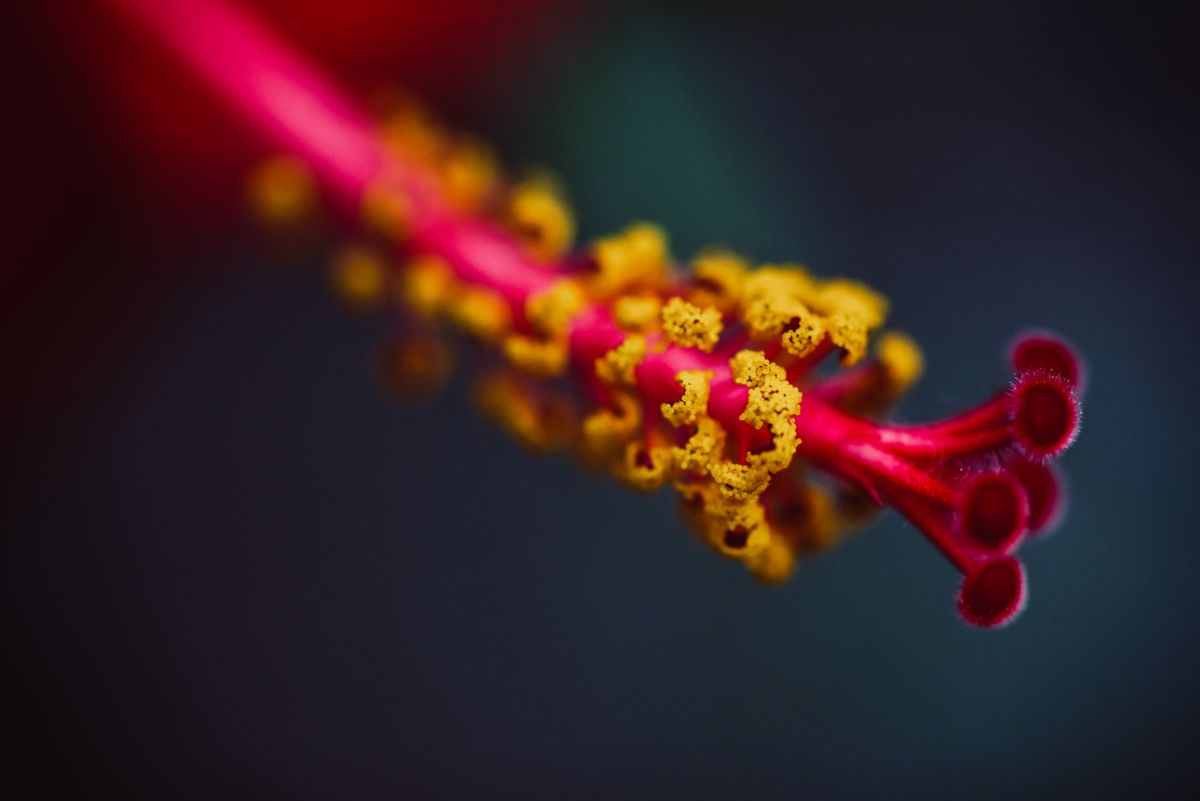
Snake Plant Pollen, Stigma and Fertilization Explained
Pollination gets pollen to the stigma. Fertilization is the separate, hidden event after that — a pollen tube delivering two sperm cells for double fertilization, the process that actually builds a seed. Here is exactly how it works in a snake plant flower.