
Flat vs Cylindrical Snake Plant Leaves: 7 Key Differences
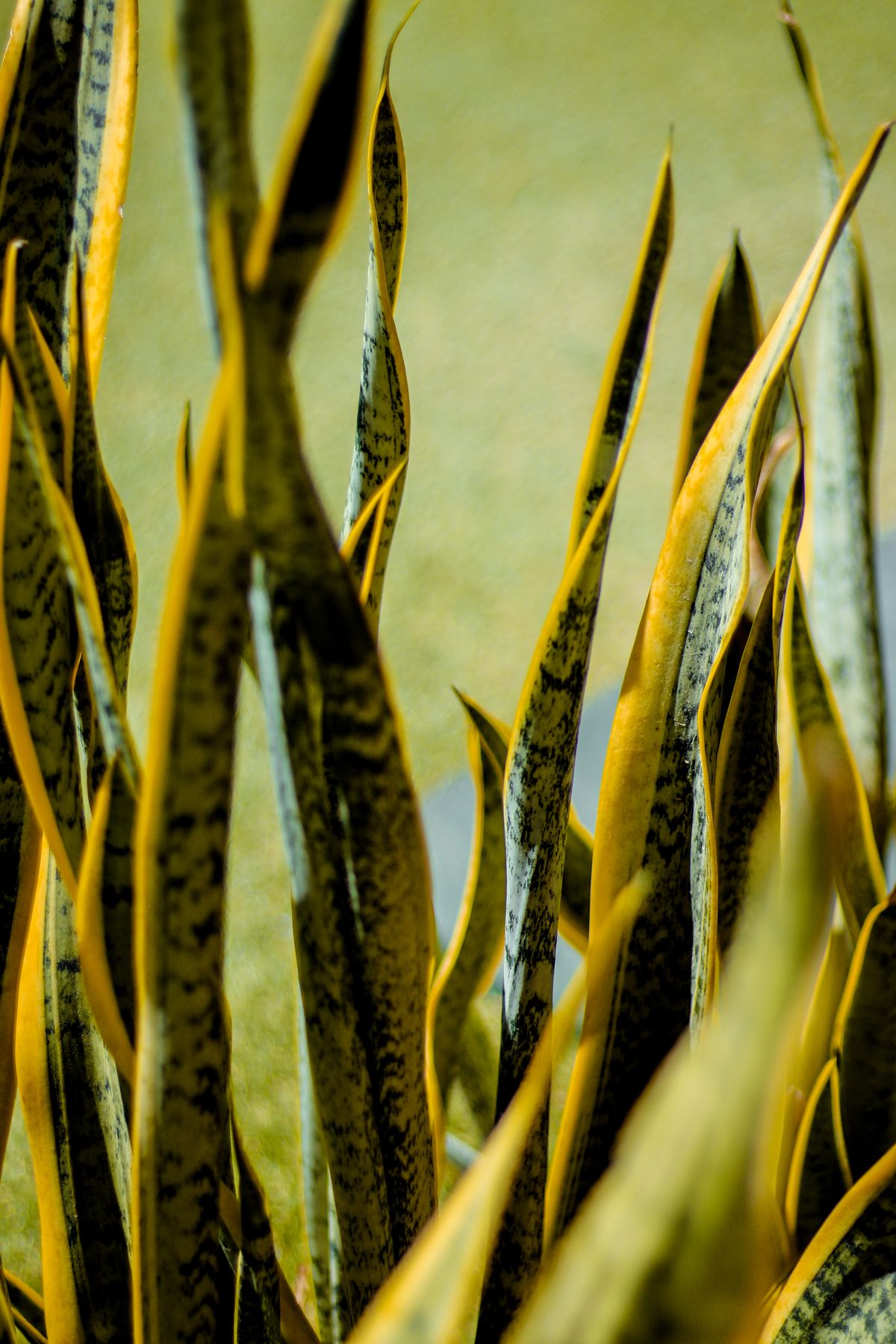
Flat vs cylindrical snake plant leaves comes down to one striking difference in shape: flat snake plants (Dracaena trifasciata) grow wide, sword-shaped blades with bold banded patterns, while cylindrical snake plants (Dracaena angolensis, once called Sansevieria cylindrica) grow smooth, round, pencil-like tubes that shoot straight up. Both are tough, drought-loving, and easy to grow. The flat type gives you that classic striped, architectural look; the cylindrical type delivers a sleek, sculptural, modern statement.
Ready to see how these two leaf forms actually stack up? Here's the comparison, leaf by leaf.
What Makes Flat Snake Plant Leaves Unique
Flat snake plant leaves are the tall, stiff, sword-shaped blades most people picture when they hear "snake plant." They belong to Dracaena trifasciata, and they're known for their upright posture and banded patterns: broad, blade-like leaves growing vertically in a tight rosette, with parallel monocot venation running straight up each leaf for strength.
The flat type also has by far the widest cultivar range in the genus — 'Laurentii', 'Moonshine', and 'Black Gold' among the best known. The Types of Sansevieria guide catalogs the full range of flat-leaved cultivars in detail, and the Sansevieria Trifasciata guide covers this species specifically.
What Makes Cylindrical Snake Plant Leaves Unique
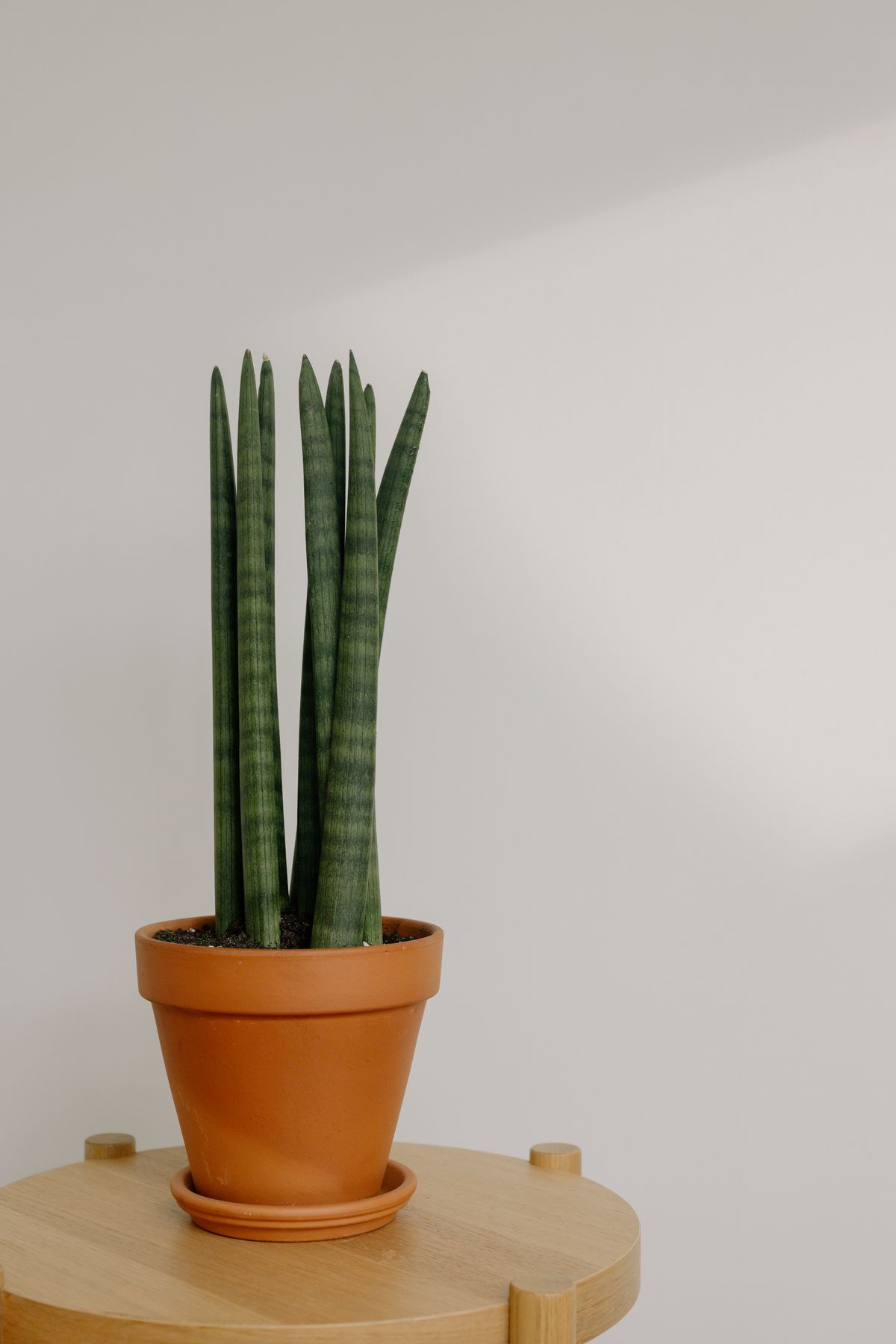
Cylindrical snake plant leaves are smooth, round, tube-shaped spears that grow straight up like living pencils. This is Dracaena angolensis, still widely sold as Sansevieria cylindrica and commonly called the African spear plant.
Instead of a flat blade, each leaf is a firm, tubular spear with a subtly striped, cool gray-green color, capable of climbing 4 to 6 feet tall. Cultivated forms include the compact 'Boncel' (Starfish), the tall 'Skyline', the arching 'Patula', and thinner spear forms sometimes sold as 'Spaghetti'. The Sansevieria Cylindrica guide covers the biology, full variety list, and care requirements for this species in depth — including why braided stems, once shaped, never unbraid as the plant grows. For a full care rundown from a third-party source, The Spruce has a guide on growing the African spear plant.
Flat vs Cylindrical Snake Plant Leaves: Side-by-Side Comparison
Here's the quick, at-a-glance version of the flat vs cylindrical snake plant leaves debate.
| Feature | Flat Snake Plant | Cylindrical Snake Plant |
|---|---|---|
| Leaf shape | Wide, sword-shaped blade | Round, tube-like spear |
| Cross-section | Flat | Circular |
| Botanical name | Dracaena trifasciata | Dracaena angolensis |
| Max height | 6 inches to 4 feet (varies) | 4 to 6 feet |
| Color/pattern | Banded, striped, variegated | Smooth gray-green, subtly striped |
| Light needs | Low to bright indirect | Bright to full sun |
| Water needs | Low; water when soil is dry | Very low; drought-tolerant |
| Care difficulty | Very easy (great for beginners) | Easy (loves neglect) |
| Best use | Classic striped decor, low light | Bold sculptural statement, sunny spots |
Both are forgiving, low-effort plants. The cylindrical type craves a bit more sun and grows taller, while the flat type wins on pattern variety and low-light tolerance.
Care Differences Between Flat and Cylindrical Snake Plants
Both types share the same core care rules — fast-draining cactus mix, a pot with drainage holes, and water only once the soil is fully dry — but a few differences are worth knowing.
Watering: the cylindrical type is more drought-tolerant, thanks to its water-packed round leaves, and can go a little longer between waterings — the Sansevieria Cylindrica guide has the specific interval breakdown by season. Light: flat snake plants tolerate low light better, making them the safer bet for dim corners and offices, while cylindrical snake plants prefer brighter conditions and even enjoy some morning sun. Propagation: both propagate by division and by potting up pups from the base; flat leaves also root well from leaf cuttings in soil or water, while cylindrical leaf cuttings are slower and less reliable, so division is the more dependable route for the round-leaved type. The Sansevieria Propagation guide covers the comparison between these methods in general.
Which Snake Plant Type Is Better for Your Home?
It really comes down to your space, your light, and your style.
Choose a flat snake plant if you:
- Are a first-time plant parent who wants a nearly unkillable green friend
- Have a low-light room, dim hallway, or windowless office
- Love striped, banded, or silvery variegated foliage
- Want compact options for shelves, like the dwarf 'Hahnii' types
Choose a cylindrical snake plant if you:
- Want a tall, dramatic, sculptural statement piece
- Have a bright, sunny spot to fill
- Love clean, minimalist, modern lines
- Enjoy fun styling tricks like braiding the spears
For beginners and darker rooms, the flat type is the easy, forgiving pick. For collectors and sun-filled spaces craving structure, the cylindrical type is the striking star. Many plant lovers happily grow both, pairing striped flat blades with smooth round spears for a layered display.

Hybrid and Intermediate Snake Plant Forms
Not every snake plant is strictly flat or cylindrical. Several in-between forms blur the line:
- Dracaena suffruticosa. Has a flat central groove that runs halfway up the leaf, then narrows into a thin, cylindrical tip — a true flat-to-round hybrid shape.
- Dracaena 'Fernwood'. A hybrid cross of D. parva and D. suffruticosa with slender, grooved, arching leaves that read as semi-cylindrical. The Types of Sansevieria guide covers this cultivar's full origin and growth habit alongside the other cylindrical and structural species.
- Dracaena ballyi. A dwarf species with thin, tubular, inward-curving leaves on a compact frame, suited to tiny spaces.
These intermediate forms show that snake plant leaf architecture is a spectrum, not just two boxes. If you can't decide between flat and cylindrical, a grooved or semi-tubular variety gives you a bit of both.
How Leaf Architecture Affects Drought Tolerance
The shape difference isn't just cosmetic — it comes down to water storage. A cylindrical leaf packs the most water-storing tissue into the smallest surface area, so it loses less water to evaporation than a flat blade of similar volume. That efficient design is exactly why cylindrical snake plants hold up so well in hot, dry, sunny spots. The Sansevieria Cylindrica guide covers the specific gene-expression mechanism behind the round shape, and the CAM Photosynthesis in Sansevieria guide explains the nighttime stomata cycle both leaf forms rely on to conserve water.
A flat leaf has more surface area relative to its volume. It still stores plenty of water in its thick, fleshy tissue, but loses moisture a touch faster than a round spear — part of why flat types adapt so well to lower light, where evaporation is gentler, while cylindrical types shine in bright, drying conditions. The practical takeaway: give the cylindrical type more sun and less frequent water, and let the flat type handle shadier, cozier corners.
The flat vs cylindrical snake plant leaves choice really comes down to your light, your space, and the look you love. Flat snake plants give you classic, striped, sword-shaped foliage that thrives in low light — the ultimate beginner-friendly pick. Cylindrical snake plants deliver sleek, round, sculptural spears that soar tall and shine in sunny spots. Both are tough, drought-loving, and endlessly easy to grow, so you honestly can't go wrong. For more on the shapes in between, or to browse the wider genus, the Types of Sansevieria guide rounds up every form worth knowing.
Care FAQ
Is flat or cylindrical snake plant easier to care for?
Both are famously easy, but the flat snake plant (Dracaena trifasciata) is usually the easier pick for beginners because it tolerates low light so well. The cylindrical type is just as forgiving with water, but it prefers brighter conditions to look its best. If you have a dim room, go flat; if you have a sunny spot, either will thrive with almost no fuss.
What is the cylindrical snake plant called?
The cylindrical snake plant is called the African spear plant, and its current botanical name is Dracaena angolensis. You will still see it sold under its old name, Sansevieria cylindrica, in many shops. It is prized for its smooth, round, tube-shaped leaves that grow straight up and can reach 4 to 6 feet tall.
Do flat and cylindrical snake plants need different watering?
Their watering needs are similar, but not identical. Both should only be watered when the soil is completely dry, since overwatering causes root rot in either type. The cylindrical snake plant is slightly more drought-tolerant thanks to its water-dense round leaves, so it can often go a bit longer between waterings than the flat type. When in doubt, let both dry out fully first.
Can you propagate cylindrical snake plant leaves the same way as flat?
Sort of. Both types propagate reliably by division and by potting up the pups that grow from the base. Flat leaves root easily from leaf cuttings in soil or water. Cylindrical leaves can also root from cuttings, but they tend to be slower and less reliable, so division is the easier, faster method for the round-leaved type.
Which snake plant is best for low light?
Flat snake plants are the best choice for low light. Varieties like Laurentii and the compact Hahnii tolerate dim corners, hallways, and offices far better than cylindrical types. Cylindrical snake plants can survive some shade, but they much prefer bright light and will grow stronger, firmer spears near a sunny window.