
Does a Snake Plant Die After Flowering?
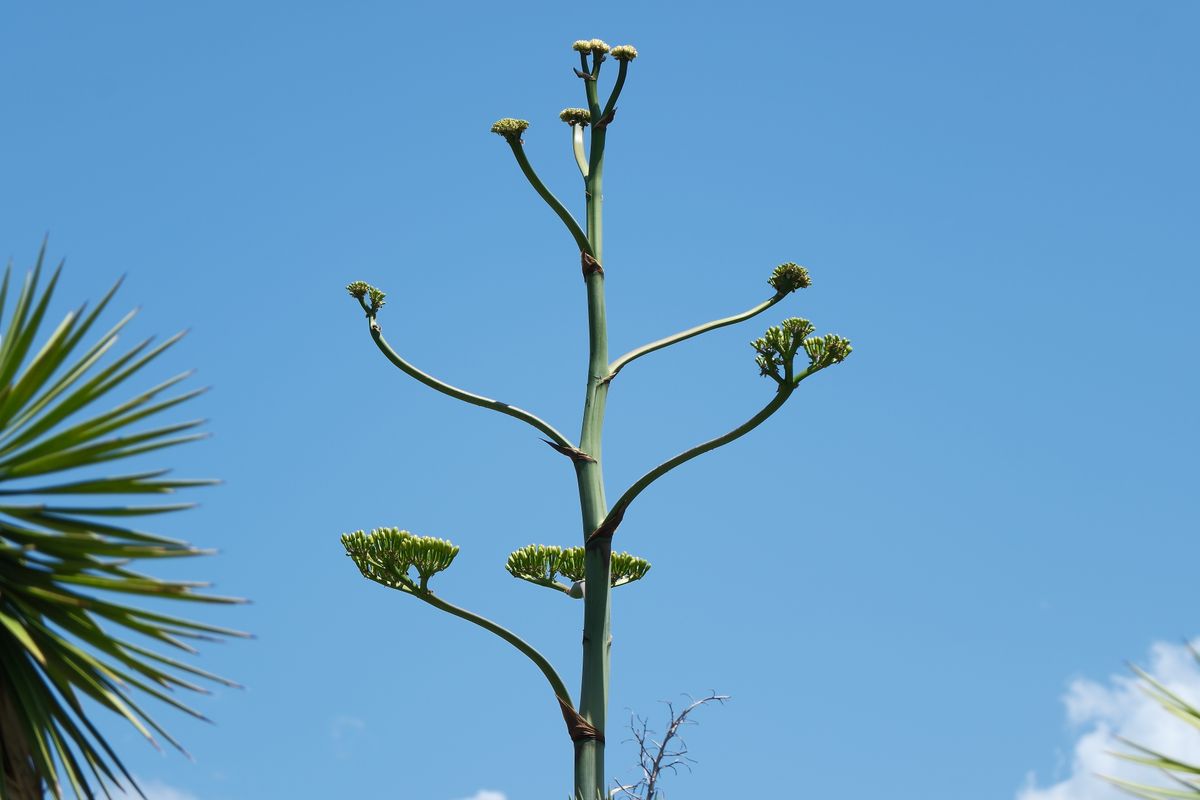
No, a snake plant does not die after flowering. When a snake plant (Dracaena trifasciata, formerly Sansevieria trifasciata) blooms, only the rosette that flowered stops making new leaves. The rest of the plant keeps living, growing, and sending up fresh shoots for years to come. This is the biggest difference between a snake plant and a true monocarpic plant like agave, which really does die after it flowers just once.
If you spotted a flower spike and panicked, take a breath — the plant is happy, healthy, and nowhere near the end. Below is exactly what happens after a bloom, why the agave myth causes so much worry, and what to do next.
Does a Snake Plant Die After Flowering? The Direct Answer
A snake plant is a survivor, not a one-and-done bloomer. Flowering is a sign of maturity and mild stress, not death — the Why Is My Snake Plant Flowering? guide covers those triggers in full.
The key fact: a snake plant grows in clumps of leaf clusters called rosettes, and each rosette can flower only once. After that single bloom, that particular rosette won't push out new leaves — but its existing foliage stays green and attractive, sometimes for years, while the plant produces brand-new rosettes from its underground rhizome. The plant as a whole marches on. You lose nothing but future growth from one small cluster — a tiny trade for a rare, fragrant flower spike.
What Actually Happens After a Snake Plant Blooms
The bloom cycle is slow and entirely survivable. A thin flower stalk shoots up from the center of a mature rosette, often reaching up to 3 feet tall, with fragrant flowers opening at night — the Snake Plant Flower Anatomy and Why Do Snake Plant Flowers Open at Night? guides cover that structure and nighttime timing in depth. After the blooms fade, they may leave behind small orange berries if pollination happened — the Snake Plant Berries guide covers that fruit development.
Then comes the part that scares people: the rosette that flowered stops growing new leaves. Its growing point, the apical meristem, converted into the flower stalk, so it can't make more foliage. But those leaves don't drop dead — they stay firm and green while the plant redirects its energy underground.
The Rosette Stops, But the Plant Keeps Growing
This is the detail that clears up all the confusion: a single rosette going quiet is not the same as the plant dying.
Think of a snake plant as a family, not a single individual. Each rosette is one family member. When one flowers and retires from leaf-making, the others carry on, and the rhizome keeps pumping out new rosettes nearby. The Why Is My Snake Plant Not Growing New Leaves? guide covers exactly why a flowered growing point permanently stops — and why that's normal, not a symptom.
Many growers report that a bloomed rosette stays lush and healthy for years afterward, slowly fading one leaf at a time while fresh rosettes fill in around it — you'll barely notice the old one winding down.
Snake Plant Pups: The Real Reason It Survives
Pups are a snake plant's secret to a long, thriving life. A pup is a baby rosette that sprouts from the rhizome beside the parent, and mature, root-bound plants push out these offsets eagerly, especially after flowering. The How Do Snake Plant Pups Grow? guide covers exactly how a pup forms underground, how long it takes, and when to separate one.
This constant renewal means the plant essentially refreshes itself. Even as one rosette bows out, several young ones may be rising to take its place — that's why a single snake plant can live and spread for decades on a windowsill or desk.
Monocarpic vs. Iteroparous: The Science Made Simple
Two words explain the whole snake-plant-versus-agave question.
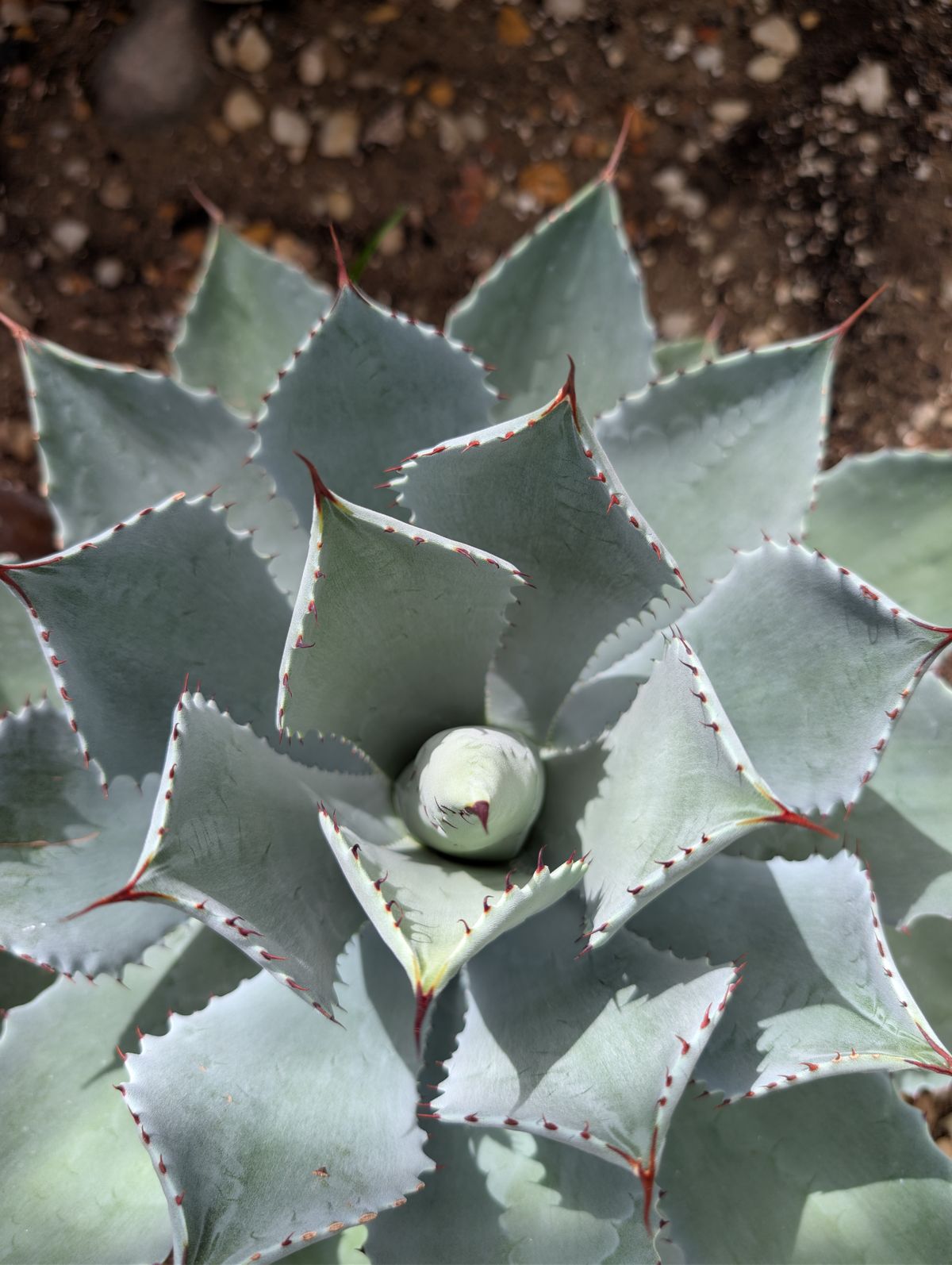
A monocarpic plant flowers once in its entire life, sets seed, and then dies completely. Agave is the classic example — after decades of growth, it sends up one massive flower stalk, pours all its energy into seeds, and dies.
An iteroparous (or polycarpic) plant flowers many times over its life without dying. Most houseplants fall here. Snake plants sit in a friendly middle zone: each rosette blooms once, but the plant as a whole keeps flowering through new rosettes over the years. So the plant is not monocarpic, even though each individual rosette behaves in a one-bloom way.
Agave vs. Snake Plant After Flowering: Side-by-Side
| Feature | Agave (Monocarpic) | Snake Plant (Not Monocarpic) |
|---|---|---|
| Dies after flowering? | Yes, the whole plant dies | No, the plant lives on |
| How often it blooms | Once in its entire life | Each rosette once; plant many times |
| Time to first bloom | 5 to 60 years | Usually 2+ years, when mature |
| What survives the bloom | Only pups/offsets, parent dies | Parent clump and all new rosettes |
| Flower stalk size | Massive, up to 20+ feet | Modest, up to about 3 feet |
| After-bloom outcome | Dramatic death, then pups | Quiet rosette pause, steady growth |
According to NC State Extension, most agave species "will die the following season once the flower sets seed." Snake plants simply don't do that — they pause one rosette and keep thriving.
Where the "Snake Plant Dies After Flowering" Myth Comes From
This myth is easy to trace. Agave and snake plants share a similar shape: stiff, sword-like leaves arranged in a rosette. To a worried plant owner, they look like cousins, so the famous agave habit of dying after its one grand bloom gets wrongly pinned on snake plants too.
Another source is timing. Snake plants often flower only when mature and root-bound, which is a mildly stressed state. People see "stress plus flower" and jump to "my plant is dying." But that stress is exactly what triggers a healthy, natural bloom, not a death spiral — the two events just happen to overlap.
The "Semi-Monocarpic" Misconception Explained
You may see growers call snake plants "semi-monocarpic," and it's worth unpacking. It's a handy nickname, not a true scientific category.
The idea comes from a real observation: each rosette blooms once and then stops making new leaves, a bit like a monocarpic plant on a tiny scale. But since the whole plant keeps living and blooming through new rosettes, it isn't genuinely monocarpic. "Semi-monocarpic" is really just a casual way to describe rosette-level behavior — the plant isn't half-dying, it's simply renewing itself one rosette at a time.
What to Do After Your Snake Plant Flowers
Caring for a post-bloom snake plant barely requires changing a thing. Keep the care routine steady — water only when the top inch or two of soil is dry, give it bright indirect light, skip repotting for now since flowering signals a happy, root-bound plant, and hold off on bloom-booster fertilizers. The Why Is My Snake Plant Flowering? guide covers the fuller post-bloom routine, including when to finally cut the spent stalk.
Cutting the flower stalk is entirely optional and purely cosmetic. Once the flowers fade, the spent stalk won't rebloom or bring the rosette back to leaf-making, so snip it off at the base for a tidy look, or leave it if you want to enjoy any orange berries that formed. One thing worth knowing: cutting the stalk will not "save" the rosette or restart its leaf growth — that rosette has already done its one bloom.
This is also a good moment to look for new pups, since flowering plants often push out offsets around the same time — a natural cue that division or gifting a new rosette might be worth planning.
So, does a snake plant die after flowering? No. It's thriving, mature, and simply renewing itself one rosette at a time. Unlike agave, which bows out after its single grand bloom, a snake plant keeps growing, sprouting pups, and living on for years. Enjoy that rare, fragrant flower spike as the special treat it is, then settle back into easy, low-fuss care — there are many more seasons ahead on the windowsill.
Care FAQ
Does a snake plant die after flowering?
No, a snake plant does not die after flowering. Only the rosette that bloomed stops producing new leaves, while its foliage stays healthy and the overall plant keeps growing through new rosettes. This is very different from agave, which dies after its single lifetime bloom.
Why do people think snake plants die after blooming?
The confusion comes from agave, a look-alike succulent with a similar rosette shape that truly dies after flowering once. Since snake plants also bloom when mature and root-bound, people mistakenly link that mild stress to dying. In reality, it is a sign of a happy, mature plant.
Should I cut off my snake plant's flower stalk?
It is entirely optional. Cutting the spent stalk gives a tidier look, but leaving it lets you enjoy any orange berries. Either way, trimming will not harm the plant or restart leaf growth on that rosette, since it has already completed its one and only bloom.
Will my snake plant flower again?
Yes, the plant can flower again, just not from the same rosette. New rosettes growing from the rhizome can bloom in future seasons when they mature and conditions are right. So while one rosette blooms only once, the whole plant may flower many times over its life.
Is a snake plant monocarpic like agave?
No. Agave is monocarpic, meaning the entire plant dies after flowering once. A snake plant only has each rosette bloom once, while the overall plant lives on and keeps producing new rosettes. That makes the plant iteroparous, not monocarpic.
What should I do after my snake plant blooms?
Keep the care routine steady with bright, indirect light and infrequent watering. Avoid repotting or bloom-booster fertilizers for now. You can snip the faded stalk if you like, and watch for new pups that make great candidates for division and sharing.