
Snake Plant Berries: How Fruit Develops After Flowering
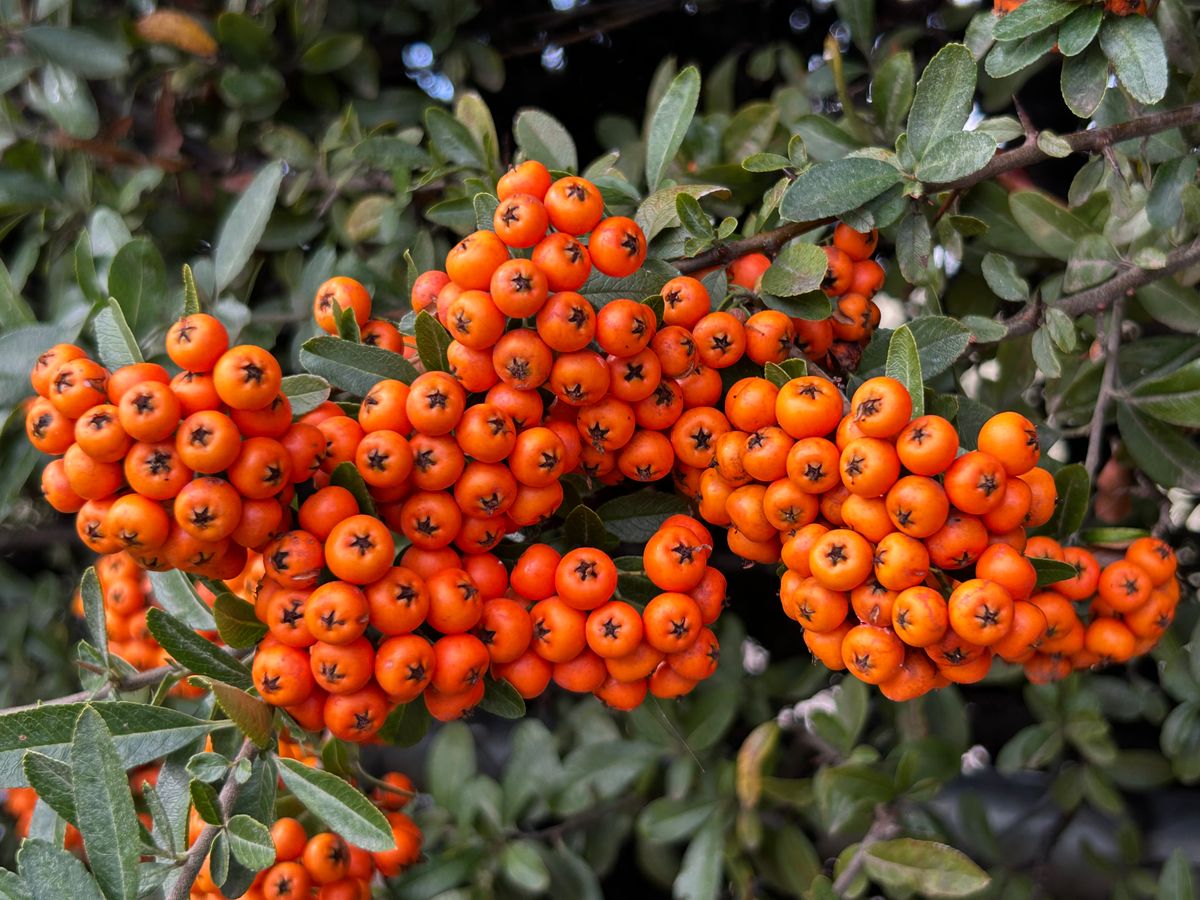
Snake plant berries are small, round, orange fruits that form after a mature snake plant (Dracaena trifasciata, formerly Sansevieria trifasciata) flowers and gets successfully pollinated. Each berry develops from a single fertilized flower on the tall bloom stalk, ripening from green to a glossy orange over several weeks to months. Seeing them at all is rare, since most snake plants never flower indoors, and even fewer flowers get pollinated.
If you have spotted small orange balls dangling among your plant's flowers, you are looking at one of the less common events in houseplant care. Below is exactly how these fruits form, what they look like, whether they are safe, and what to do next.
What Are Snake Plant Berries?
Snake plant berries are the ripe fruit of the plant, forming directly from its flowers once pollination succeeds. According to the Royal Botanic Gardens, Kew, the plant "can flower once a year, producing clusters of cream-coloured flowers, that may develop into small orange fruits." That word may is doing a lot of work — flowering alone does not guarantee berries. Pollination has to happen first.
Botanically, these are true berries, growing from the flower's three-chambered ovary — the same structure covered in full in the Snake Plant Flower Anatomy guide. You may also hear them called Sansevieria orange berries or mother-in-law's tongue berries, older common names for the same plant.
How a Flower Becomes a Berry
Fruit development follows the same sequence every time, and most of the early stages are covered in more depth elsewhere on this site: a flower stalk emerges from the base of the rosette, thin tubular flowers open (often at night) and release sticky nectar, and — if a pollinator or a grower's brush moves pollen between flowers — pollination occurs. The Why Is My Snake Plant Flowering? guide covers what triggers that first stage, and What Pollinates Snake Plant Flowers in the Wild? covers exactly how pollination happens, or fails to. Without pollination, the flowers simply dry up and drop — no berries follow.
The part that is specific to berries starts after that.
Fruit set. Once a flower is successfully pollinated, the base of that flower begins to swell. The tepals wither and fall away, leaving a small green sphere behind. This is fruit set — the true beginning of a berry, and the first visible sign that pollination actually worked.
Ripening to orange. Over the following weeks to a few months, the green fruit slowly matures, moving from green to yellow-orange and finally to a rich, glossy orange. The University of Florida IFAS Extension's Sansevieria trifasciata fact sheet notes that "small fragrant greenish-white flowers bloom on mature plants in spring, followed by orange berries." At Kew, fruit is typically recorded in October and November — months after the summer blooms that produced it.
What Do the Orange Berries Look Like?
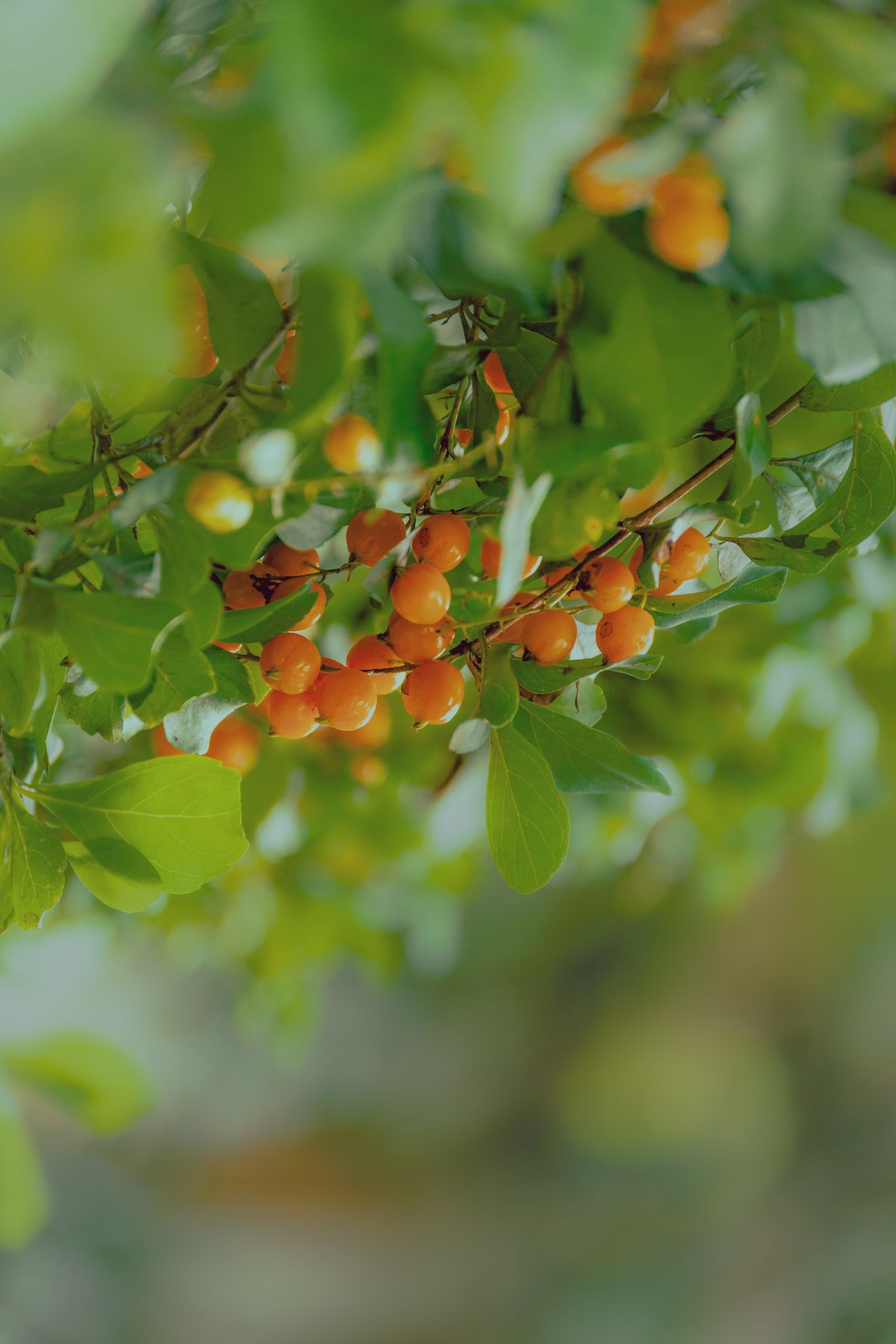
The ripe fruits are small, roughly the size of a pea or a little larger, round to slightly oval, with smooth, waxy skin. The color is a warm, saturated orange that stands out sharply against the plant's stiff, sword-shaped leaves.
They usually appear in loose clusters along the same stalk that held the flowers. Cut one open and you will find soft flesh surrounding one or more hard seeds — up to three per berry, since each flower's ovary has three chambers, each holding a single ovule. Some growers describe them as looking like tiny orange marbles scattered through the foliage.
What Has to Line Up for a Snake Plant to Fruit?
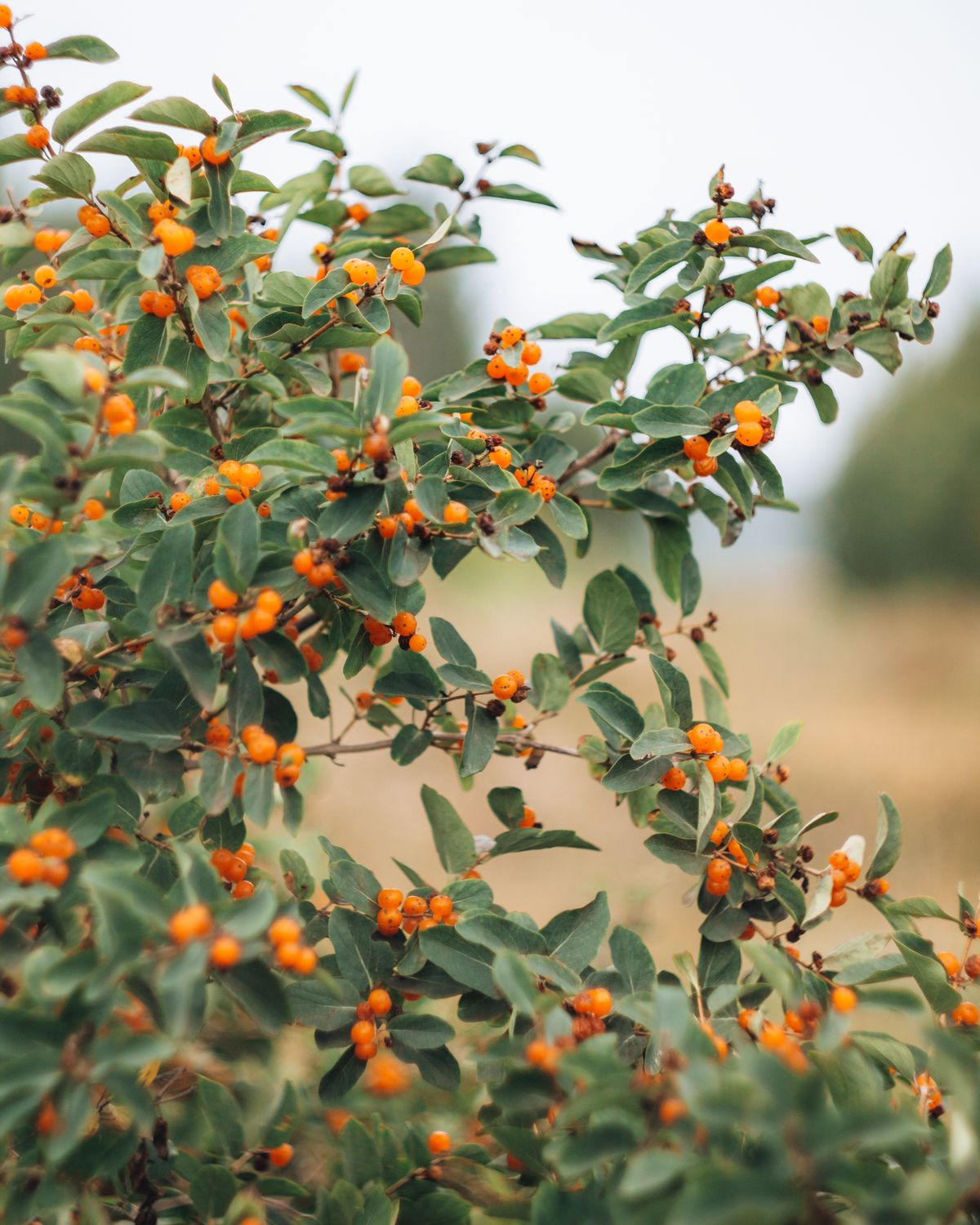
Getting a snake plant to fruit is a chain reaction, and every link has to hold. Flowering itself already needs a mature, established plant, a slightly root-bound pot, and enough bright indirect light — the full breakdown of those triggers is in the Why Is My Snake Plant Flowering? guide.
Fruiting adds one more requirement on top of all of that: successful pollination. Even a mature, blooming, root-bound plant in great light will not set a single berry unless pollen actually reaches the flowers, by moth or by hand. Miss any link in the chain and you get leaves — maybe even flowers — but no fruit. That is why berries are considered a genuinely rare sight, rarer even than the flowers themselves.
Do Snake Plant Berries Appear on Indoor Plants?
Rarely. Indoor snake plants flower far less often than outdoor ones, and fruiting is rarer still. The IFAS Extension notes plainly that "flowers and fruit rarely appear on indoor plants."
The bottleneck is almost always pollination. A houseplant on a windowsill has no moths visiting after dark, and — as the pollination guide covers in detail — snake plant flowers cannot reliably fertilize themselves without something physically moving pollen between them. Without a carrier, blooms fade and drop without ever becoming berries.
If you want to improve your odds, hand-pollination is the realistic option: dab a small, dry brush from flower to flower while they are open and sticky, ideally between two separate plants.
Are Snake Plant Berries Toxic?
Yes — treat them as toxic. The entire snake plant is considered mildly poisonous, and that includes the berries. The plant contains saponins, natural compounds that can irritate the mouth and stomach.
The Royal Horticultural Society's sansevieria growing guide is direct about it: "They are also poisonous, so position them out of reach of children and pets." If a person or pet swallows the berries or leaves, they may experience nausea, drooling, vomiting, or mouth irritation. It is rarely life-threatening, but it is genuinely unpleasant.
Keep the fruit out of reach of cats, dogs, and small children. If someone does eat them, contact a doctor, vet, or poison control line for guidance. The berries are ornamental, not edible — do not eat them.
How to Harvest and Use Seeds From the Berries
If your plant produced berries and you want to try growing new plants from seed, here is the process.
- Wait for full ripeness. Let the berries turn deep orange and slightly soft before picking. Unripe seeds rarely sprout well.
- Open the fruit. Cut or squeeze each berry to remove the seeds. Wear gloves — the sap can irritate skin.
- Clean the seeds. Rinse away all the fleshy pulp. Leftover fruit flesh can grow mold and rot the seed.
- Dry briefly. Let the seeds air-dry on a paper towel for a day.
- Sow in a well-draining mix. Press the seeds lightly into a gritty, airy potting medium. Keep it warm and barely moist.
- Be patient. Germination is slow and unreliable, sometimes taking weeks, sometimes not happening at all.
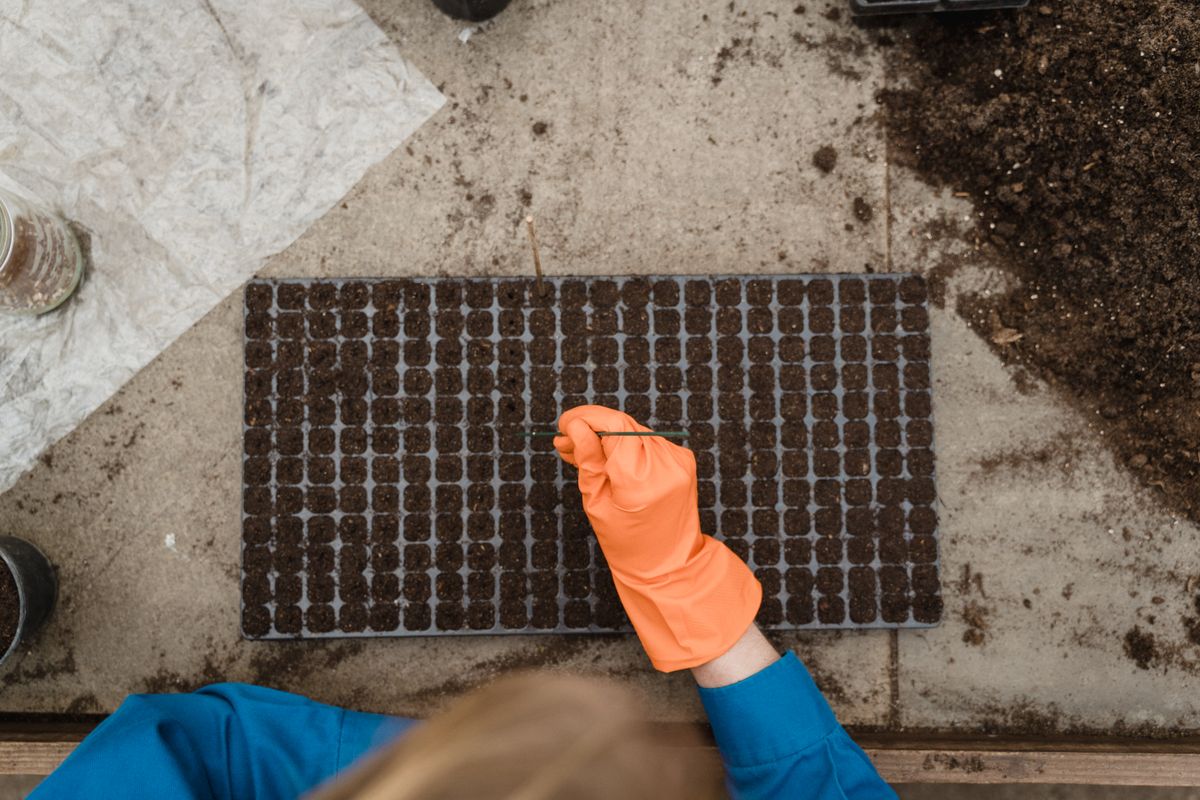
Worth knowing before you go to the trouble: seed-grown snake plants are a slower, less predictable path to a new plant than leaf cuttings or division. The Do Snake Plant Flowers Produce Seeds? guide covers exactly why that gap exists, including a realistic seed count per berry. Treat growing from seed as a fun experiment, not a dependable method.
Self-Pollination: Why Some Indoor Plants Fruit Anyway
Here is a detail most guides skip, and it is the most likely explanation if your indoor plant fruited with no other sansevieria nearby and no moth in sight. Snake plant flowers are self-compatible — meaning a single flower's own pollen can fertilize it if it physically gets there — even though nothing about the flower makes that transfer happen automatically. The pollination guide covers the mechanism in full, including why self-pollination behaves more like a stress-response last resort than a reliable backup.
That distinction is why a small number of isolated indoor snake plants do produce a berry or two on their own, with no human intervention and no visiting insect. It is not common, and it is not something you can count on, but it is the reason behind most of the surprised-owner stories you will find about indoor fruiting.
What to Do After Berries Appear
So the berries showed up — now what?
- Leave them or remove them. You can let the berries ripen fully for looks or seed-saving, or snip the stalk once it starts to fade. Either choice is fine for the plant.
- Give them time before deciding. Berries take weeks to months to fully ripen, longer than the flowers themselves lasted. There is no rush to cut the stalk while fruit is still green.
- Don't expect a repeat performance from that rosette. The rosette that flowered and fruited will not do either again, but the rest of the plant, including the rhizome, keeps growing normally. The Why Is My Snake Plant Flowering? guide covers the general aftercare routine — watering, feeding, when to finally cut the spent stalk — in full.
- Consider propagation. Whether or not you save seed, a plant mature enough to fruit is usually also crowded enough to divide. The Sansevieria Trifasciata guide covers the species profile this all belongs to.
Snake plant berries mark a full journey — from a fragrant, night-blooming flower, through pollination, to a handful of glossy orange fruits most owners will never see. If yours got there, you are growing a mature, well-pollinated plant, which is worth noticing. Just remember the fruit is for looking, not eating, and that leaf cuttings or division will always beat seed for getting more plants, reliably.
Care FAQ
Why does my snake plant have orange berries?
Your plant flowered and its blooms got pollinated. Each fertilized flower swelled and ripened into an orange berry. It's a rare and healthy sign that your snake plant is mature and thriving.
Are snake plant berries edible?
No. Snake plant berries are not edible and are considered mildly toxic to people and pets because of the saponins they contain. Eating them can cause nausea, drooling, and stomach upset. Keep them away from children and animals.
How long do snake plant berries take to develop?
From pollination to a fully ripe orange berry usually takes several weeks to a few months. Blooms often appear in spring or summer, with ripe fruits showing up in autumn.
Can I grow a snake plant from the berry seeds?
Yes, but it's slow and unreliable. Clean the seeds well, sow them in a gritty, well-draining mix, and keep them warm. Germination can take weeks and often fails. Leaf cuttings and division work far better.
Do all snake plants produce berries?
No. Most never flower, and even fewer set fruit. Berries require a mature, often root-bound plant, a flowering event, and successful pollination. That combination is uncommon, especially indoors.
Should I remove the flower stalk after the berries form?
It's optional. You can leave the stalk to enjoy the berries or save seeds, or cut it back once it fades. Removing it won't harm the plant, and that rosette won't bloom again either way.