
What Pollinates Snake Plant Flowers in the Wild?
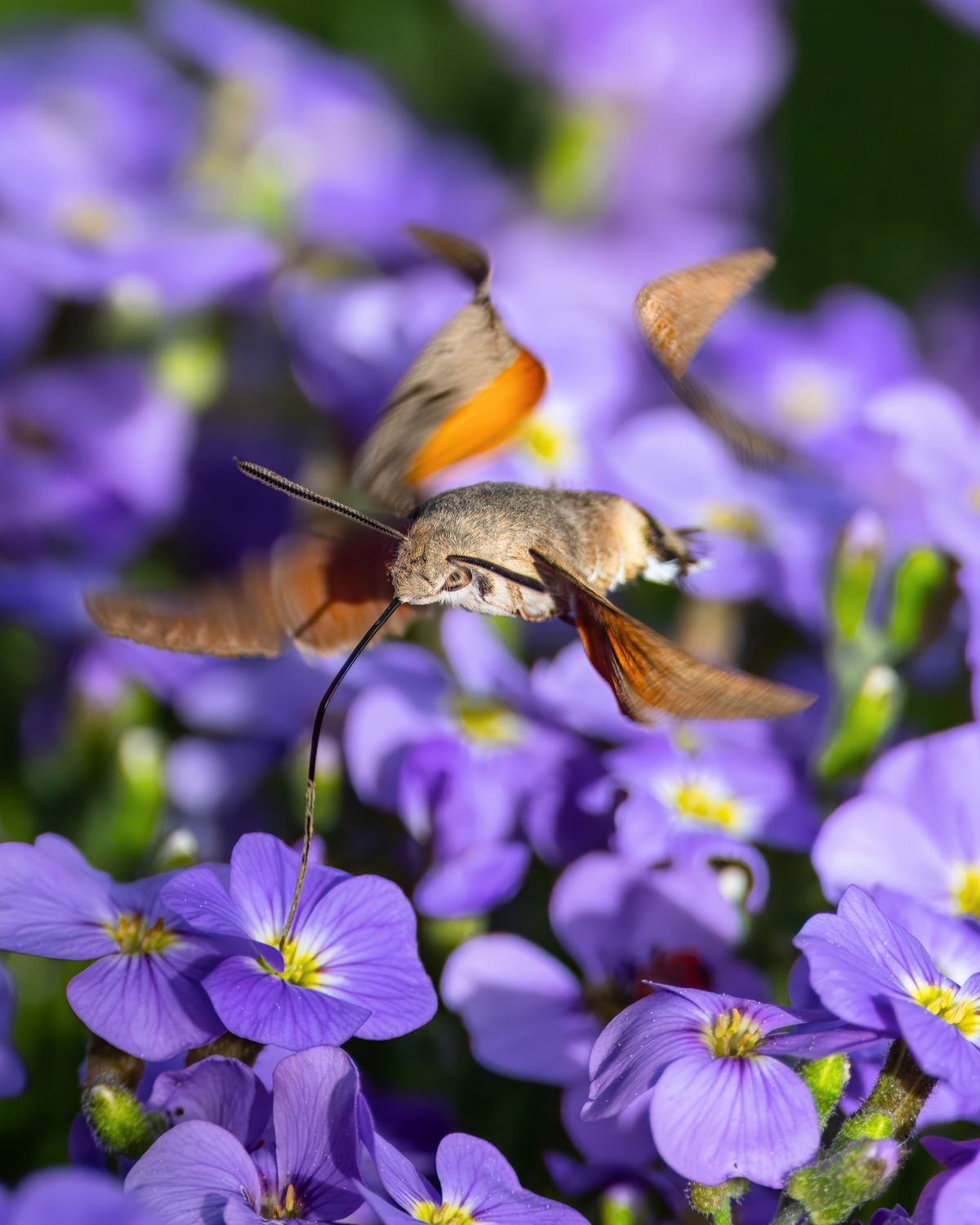
In the wild, snake plant flowers depend on a specific kind of pollinator: a long-tongued, night-flying moth, most likely a sphinx or hawk moth. That conclusion comes from the flower's shape, color, and nectar chemistry rather than a study that directly observed it happening. The flower also cannot reliably pollinate itself — it needs that moth, or a human with a brush, to move pollen between flowers.
If you are picturing a bee working over a snake plant bloom the way one would a sunflower, that is the wrong image. This flower was not built with bees in mind. Here is what the actual evidence says about who pollinates it, and what happens in the wild when nobody shows up. (If you landed here because your own plant just flowered and you are wondering whether that is normal in the first place, the Why Is My Snake Plant Flowering? guide covers that separately — short answer: yes, it is.)
What Pollinates Snake Plant Flowers in the Wild?
The leading candidate is a sphinx moth, also called a hawk moth — a family with an unusually long proboscis, well matched to the flower's narrow, fused tepal tube. The case is built from a cluster of traits that botanists recognize as a moth-pollination syndrome, sometimes described with the technical term phalaenophilous: pale, tubular flowers, fragrance that intensifies after dark, and nectar dominated by sucrose, a sugar composition typically associated with moth-pollinated species according to observations summarized by the Lemon Bay Conservancy's analysis of snake plant flowers.
To be direct about what this evidence actually is: nobody has published a study filming a hawk moth pollinating a wild sansevieria flower, at least not that I have found. This is inference from floral traits, which is standard and reasonably strong practice in pollination biology, but it is still inference. If a more specific study exists confirming the exact species involved, I have not seen it cited anywhere reliable.
Why Can't the Flower Just Pollinate Itself?
Because being self-compatible and being self-pollinating are two different things, and this flower is only the first one. Self-compatible means the plant's own pollen is genetically capable of fertilizing its own flowers if it gets there. Autogamous means the flower has a built-in mechanism — like anthers physically touching the stigma — that makes that transfer happen automatically, with no outside help.
Snake plant flowers are self-compatible but not autogamous. The stamens and stigma are positioned so that pollen does not reliably move between them without something physically carrying it — a moth's proboscis brushing past on the way to the nectar, or a person doing the same thing with a small brush. Without a carrier, the flower can sit there fully capable of fertilizing itself and still produce nothing.
Does Self-Pollination Ever Happen Without a Pollinator?
Occasionally, but do not count on it. Growers have reported isolated plants — no other sansevieria nearby, no obvious pollinator activity — setting a small amount of seed anyway. The general explanation from long-time growers is that this is closer to a stress response than a reliable backup system: a plant under isolation or environmental pressure occasionally manages some self-fertilization, but it is inconsistent and not something every plant or every species in the genus does.
There is also a cost to it. Seedlings grown from self-pollinated seed tend to be weaker and less disease-resistant than those from cross-pollination between two genetically different plants — the same inbreeding penalty that shows up across most normally out-crossing plant species. Self-pollination in sansevieria reads less like "plan B" and more like "last resort, and the resulting plant is not necessarily worth the wait."
Are Bees or Other Insects Involved at All?
Bees can visit a flowering snake plant, but visiting is not the same as pollinating effectively. A bee is built for shorter, open-faced, colorful flowers with visual landing cues — the opposite of a snake plant flower's narrow, pale, tubular design. A bee might take some nectar from the mouth of the tube without ever contacting the anthers or stigma deep inside it.
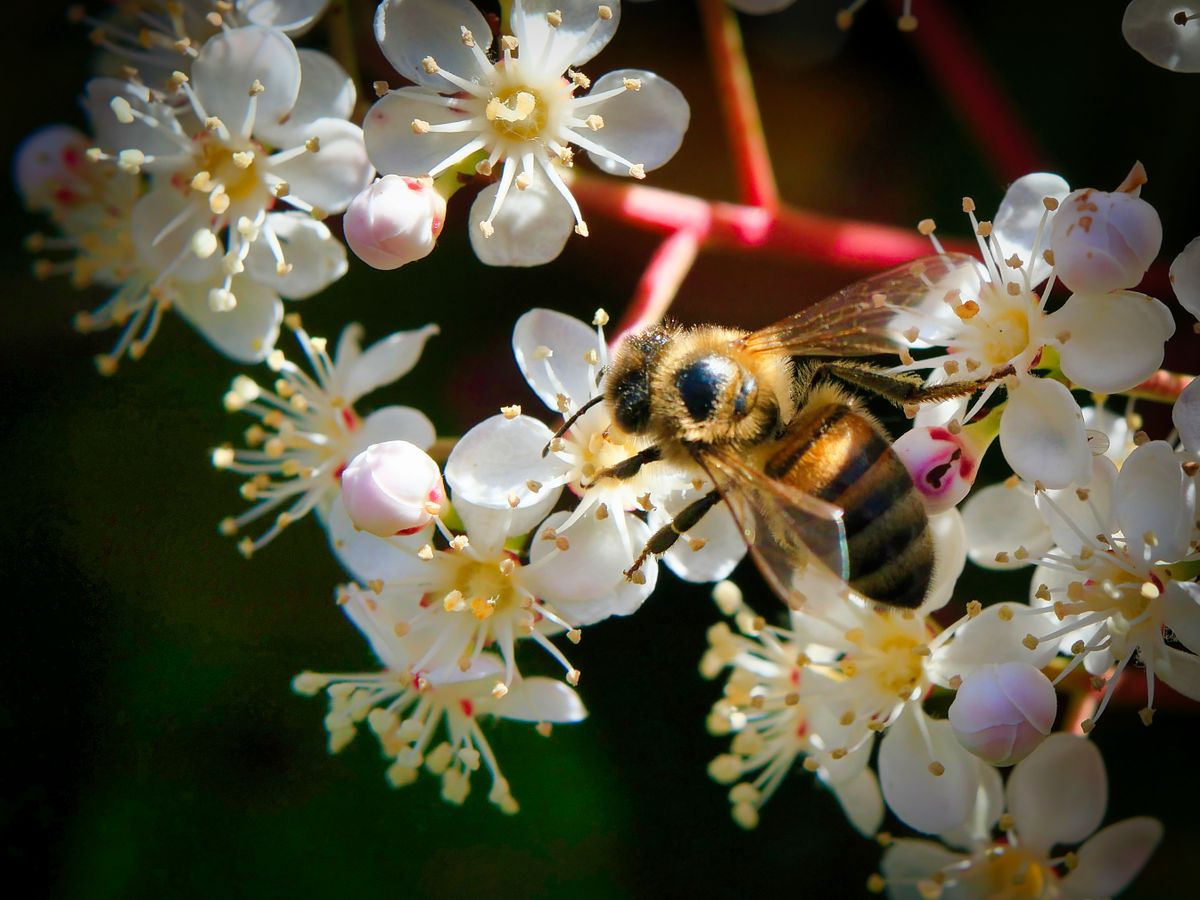
That mismatch is the whole point of a pollination syndrome: flower shape filters for the pollinator that actually works. The full comparison between this flower's moth-adapted traits and a typical bee-pollinated flower is covered in the Snake Plant Flower Anatomy guide, which breaks down exactly why the tube shape excludes casual visitors from doing the job a moth's long proboscis can.
Why Do Wild Populations Sometimes Fail to Produce Seed?
The most direct explanation is a shortage of the right moth. Researchers studying wild and semi-wild sansevieria populations have documented cases where controlled pollination experiments succeeded, but flowers left to natural conditions failed to set fruit — pointing to an actual deficiency of effective pollinators in that environment, not a problem with the flowers themselves.
This tends to show up most in habitats altered by human activity. Disturbed or fragmented landscapes support fewer of the specific nocturnal moths the flower depends on. Since the flower is self-compatible but not autogamous, a missing pollinator is not something the plant can quietly work around on its own — no moth generally means no seed, full stop, regardless of how many flowers the plant produces. The full chain of events between a successful pollination and an actual viable seed is covered in the Do Snake Plant Flowers Produce Seeds? guide.
Does Any of This Matter for a Snake Plant Growing on Your Windowsill?
Not for the plant's health, no. Pollination only determines whether a flower produces viable seed — it has nothing to do with whether the plant grows well, survives, or flowers again. Indoors, with no wild moths anywhere nearby, a blooming snake plant is functioning exactly like a wild plant with no pollinator around: the flowers open, smell strong at night, produce nectar, and almost never set seed.
If you are curious enough to want seed anyway, hand-pollination with a small brush is possible and mimics what the moth would otherwise do — the mechanics of that, along with why most growers skip it entirely in favor of division, are covered in the Why Do Snake Plant Flowers Open at Night? guide. For the plant's biology as a whole, the Sansevieria Botanical Guide and the Sansevieria Trifasciata guide cover the rest of what this species does.
If your snake plant is flowering and you were hoping for seeds, do not wait around for one to appear on its own. Without a moth, it is not coming. If you want more plants, division is faster, more reliable, and does not depend on an insect that does not live in your living room.
Care FAQ
What insect pollinates snake plant flowers?
The best-supported candidate is a sphinx moth (hawk moth) — a family of moths with an unusually long proboscis suited to the flower's narrow tube. This is inferred from the flower's shape, pale color, nighttime fragrance, and sucrose-dominant nectar, all classic traits of moth-pollinated flowers, rather than from a study that directly filmed the pollination happening.
Can a snake plant flower pollinate itself?
Not automatically. The species is self-compatible, meaning its own pollen can fertilize its own flowers if physically transferred, but it is not autogamous — it has no built-in mechanism to do that transfer on its own. A pollinator, or a person with a small brush, has to move the pollen for fertilization to happen.
Do snake plants ever self-pollinate without help?
Occasionally, and unreliably. Growers have reported isolated plants setting some seed with no pollinator present, but this is described as a stress response rather than the norm, and seedlings from self-pollination tend to be weaker than those from cross-pollination between two different plants.
Do bees pollinate snake plant flowers?
Bees may visit the flowers opportunistically, but the flower's narrow tubular shape and pale coloring are not well suited to typical bee pollination behavior, which relies heavily on color cues and shorter feeding structures. The flower's traits point toward a long-tongued moth as the primary, effective pollinator rather than bees.
Why do wild snake plants sometimes fail to produce seed?
A shortage of the specific moth pollinator in a given area is the most likely cause. In habitats disturbed by human activity, appropriate nocturnal moths can become scarce, and without them, flowers that are self-compatible but not autogamous simply go unfertilized. Researchers studying wild populations have documented this pollinator shortfall directly.
Does pollination matter for a snake plant grown indoors?
Not for the plant's health — pollination only affects whether it produces seed, not whether it survives or grows normally. Indoors, with no moths present, flowers almost never set seed on their own. That has no bearing on care; division and leaf cuttings remain the reliable ways to get more plants.