
Why Do Snake Plant Flowers Open at Night?
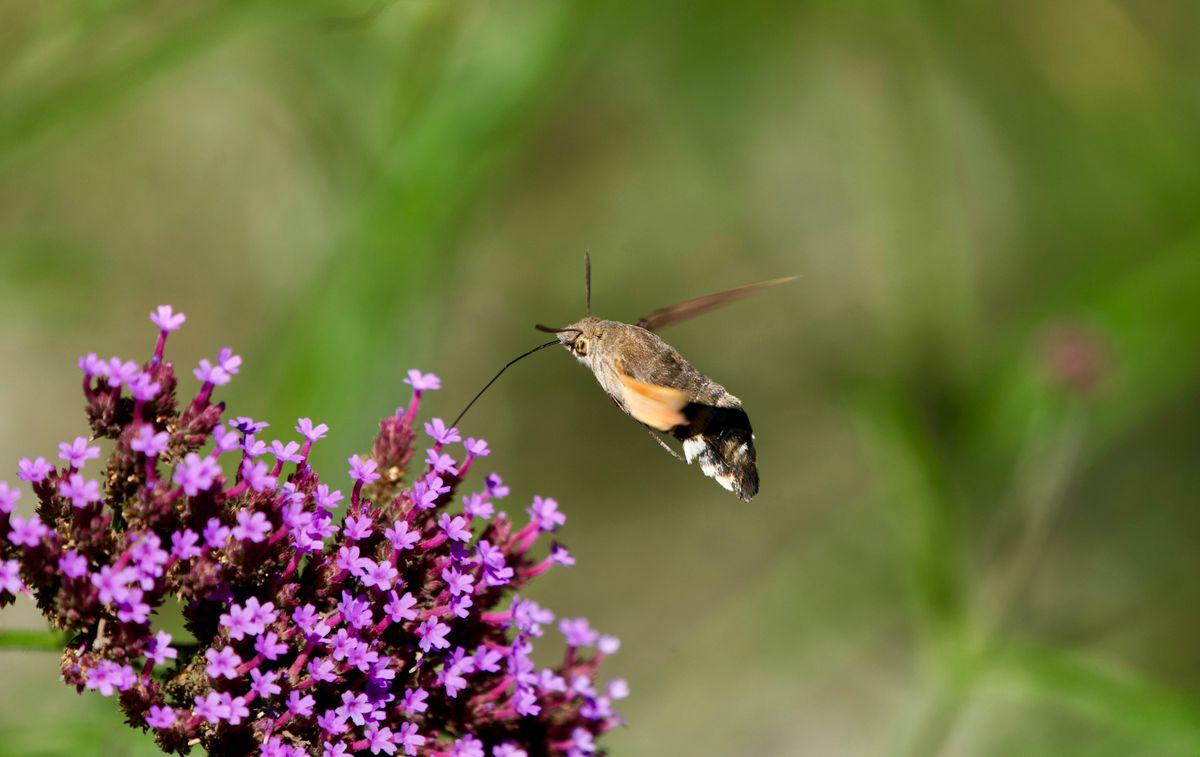
Snake plant flowers open at night because the plant evolved to be pollinated by night-flying moths, not bees or butterflies. The pale, tubular flowers, the fragrance that intensifies after dusk, and the nectar produced overnight are all adaptations timed to a pollinator that is only active in the dark. Indoors, with no moths around, the flowers keep the same schedule anyway — it is built into the plant, not a response to your home.
If your snake plant just started flowering and you have noticed the smell only really shows up in the evening, you are not imagining it. That timing is deliberate, and it is one of the more genuinely interesting things about a plant most people only think of as a tough corner decoration.
What Time Do Snake Plant Flowers Actually Open?
The small, star-shaped flowers on a snake plant's stalk are present around the clock once they emerge, but they are not doing much during daylight hours. The real activity — visible nectar, strong fragrance — ramps up in the evening and peaks overnight. By mid-morning the scent has usually faded back down to almost nothing.
This is not the flower "closing" the way a morning glory or a daylily physically shuts its petals. Snake plant flowers stay structurally open. What changes is the output: scent compounds and nectar production are switched on and off on a schedule, not the physical shape of the bloom. NC State Extension's profile of Dracaena trifasciata describes the flowers themselves as "small, greenish-white to cream-colored, sticky, and fragrant" — the sticky part being the nectar this nighttime schedule produces.
Why Open at Night Specifically?
This is the actual answer to the question, and it comes down to who the flower is trying to attract. In its native West African habitat, the snake plant did not evolve alongside daytime pollinators as its primary audience. It evolved alongside moths.
Pale or white-toned flowers, a narrow tubular shape, and fragrance that intensifies in low light are a recognized combination in botany — sometimes called a moth-pollination syndrome. Bees and butterflies rely heavily on color and daytime vision to find flowers. Moths, flying in the dark, rely far more on scent and on flower shapes suited to their long feeding tube. Snake plant flowers check every box on that list. None of it is decorative. Each trait exists because it worked for getting pollinated by the right insect, generation after generation.
What Kind of Moth Pollinates Snake Plant Flowers?
The leading candidate is the sphinx moth, also called the hawk moth — a family of moths with an unusually long proboscis, well matched to a narrow tubular flower like sansevieria's. Research on the flower's nectar composition found sucrose as the dominant sugar, a chemical signature commonly associated with moth-pollinated flowers rather than bee-pollinated ones, according to observations summarized by the Lemon Bay Conservancy's analysis of snake plant flowers.
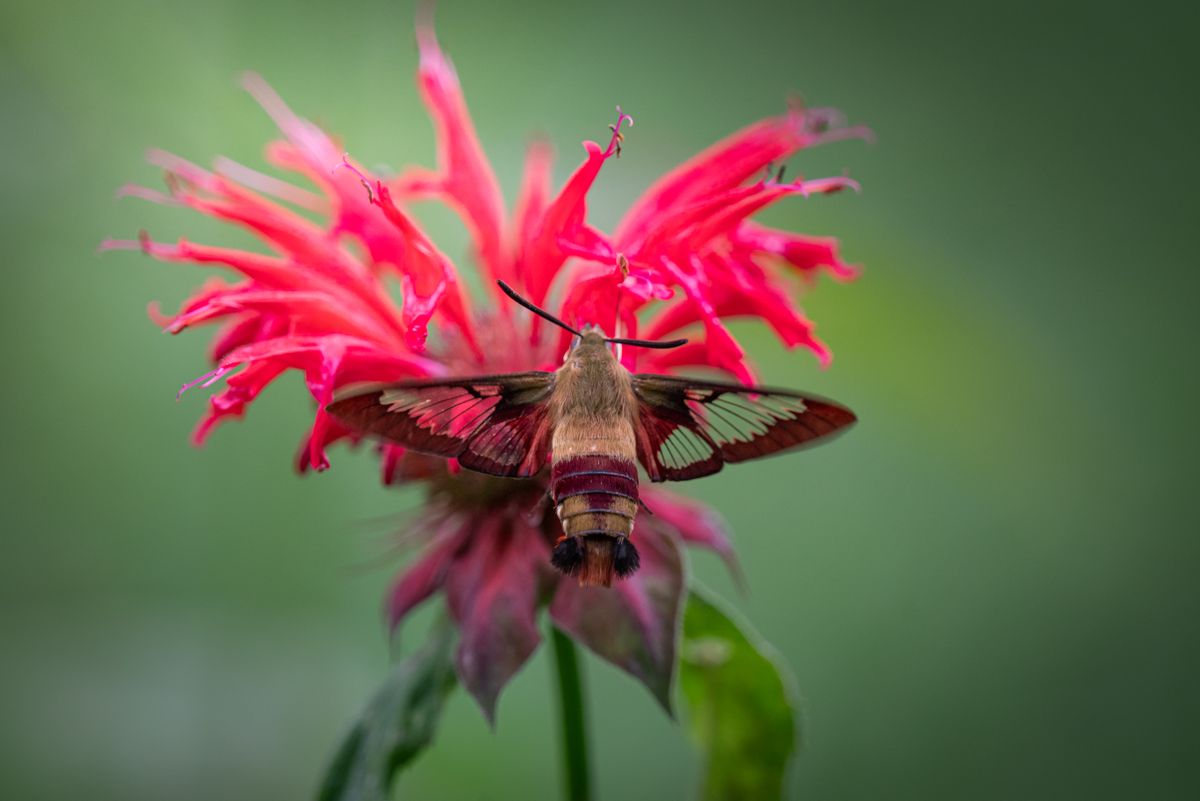
To be honest about the limits of this: nobody has published a study directly watching sphinx moths pollinate sansevieria in the wild, at least not that I have found. The case is built from the flower's shape, color, scent timing, and nectar chemistry all pointing the same direction — which is strong circumstantial evidence in pollination biology, but it is still an inference, not a filmed observation. If you want the plainer version: something with a long tongue that flies at night is almost certainly involved, and a hawk moth is the best-supported guess. The full picture of why a pollinator is required at all — and what happens in the wild when one does not show up — is in the What Pollinates Snake Plant Flowers in the Wild? guide.
How Is This Different From a Bee-Pollinated Flower?
It helps to see the contrast. A typical bee-pollinated houseplant flower — think African violet or orchid — tends to be brightly colored, patterned in ways visible under UV light that bees can see, scented mildly or not at all, and open on a straightforward daytime schedule because that is when bees fly. None of that is useful for a moth working in near-total darkness.
Snake plant flowers instead lean entirely on scent and touch. Color barely matters once the sun is down, so the flowers stay pale rather than bold. Shape matters more than pattern, since a moth is feeling its way into a tube with its proboscis rather than spotting a landing pad visually. Every one of these traits is the same underlying strategy applied consistently: if your primary pollinator cannot see well, stop investing in things it cannot see, and invest instead in things it can smell and physically reach.
Does This Have Anything to Do With CAM Photosynthesis?
Loosely, yes — they run on the same clock without being the same mechanism. Snake plant uses Crassulacean Acid Metabolism (CAM), opening its stomata at night to absorb CO₂ while conserving water, rather than during the day like most houseplants. That nighttime schedule is about gas exchange, not flowers. The flower's scent and nectar timing is a separate system, tied to pollinator activity rather than photosynthesis.
But the two line up for a reason: this plant's entire biology is built around being most active after dark, whether that is exchanging gases through its leaves or releasing fragrance from its flowers. For the full mechanism behind the nighttime stomata cycle, the CAM Photosynthesis in Sansevieria guide covers it in detail — it is worth reading if the "why does everything happen at night with this plant" question is genuinely bugging you. The Sansevieria Botanical Guide ties this nighttime biology to the plant's leaf and rhizome structure if you want the full picture.
Why Does the Fragrance Get Stronger After Dark?
Because producing fragrance costs the plant energy, and there is no reason to spend that energy when the pollinator it is trying to reach is not around. During daylight, with no moths flying, scent output stays low. As light fades, production ramps up, peaking overnight when a hawk moth would actually be out looking for a meal.
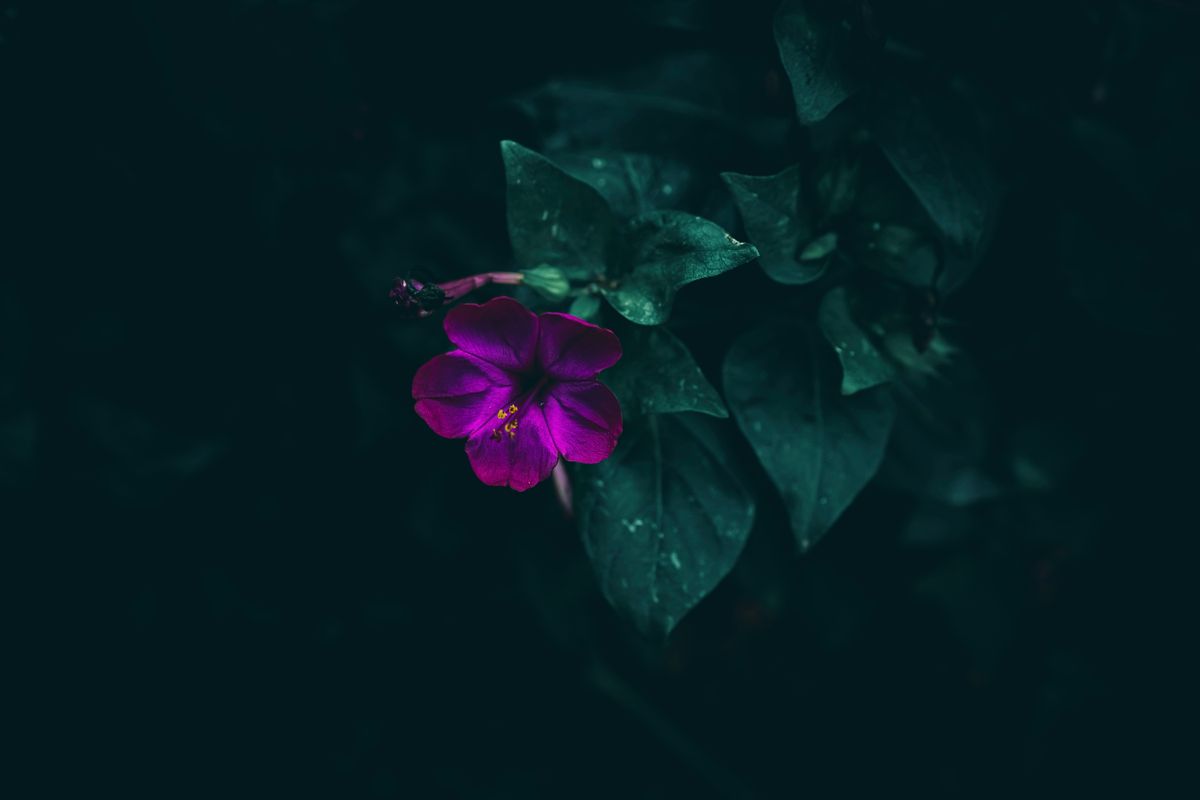
This same pattern shows up across unrelated night-blooming plants — four o'clocks, moonflowers, night-blooming jasmine — none of them close relatives of sansevieria, all arriving independently at the same solution because the underlying problem (attracting a nocturnal pollinator efficiently) has a limited number of good answers. The specific smell on a snake plant reads as a mix of vanilla, honey, and something faintly citrus, and it really is noticeably stronger if you walk past the plant at 9 p.m. versus 9 a.m.
Does Snake Plant Nectar Change at Night Too?
Yes. Nectar production is timed the same way the fragrance is — ramping up overnight to match when a moth would actually be feeding. Snake plant nectar is sugar-rich enough to be visibly sticky, and it is common to find small, clear droplets on or near the flowers in the morning after a bloom has been active overnight. That stickiness is not a problem with your plant. It is just nectar doing its job on schedule. For what to actually do about the drips — cleanup, ants, and how long it lasts — the Why Do Snake Plant Flowers Produce Sticky Nectar? guide covers it in full.
What About Hand-Pollination and Seeds?
Indoors, with no moths, a snake plant flower will not set seed on its own. If you are curious enough to want to try producing seed, hand-pollination with a small brush — moving pollen between flowers, ideally from a second, genetically different plant — is possible, though snake plants are not reliable seed producers even with help. Most home growers who want more plants get there far faster through division or leaf cuttings instead. This is really a curiosity project, not a practical propagation method.
Does This Matter If You Have No Moths Indoors?
Not in any way that changes what you should do. Your snake plant does not know it is on a windowsill instead of a rocky hillside in West Africa. It runs the same nighttime fragrance and nectar schedule regardless of whether a single pollinator will ever show up to use it. No moth means no pollination and no seeds indoors — but the flower itself, and its nighttime performance, happens exactly the same way.
The practical upshot: if you want to actually notice the smell, walk past the plant in the evening rather than during the day. Do not change your watering or light routine to try to influence this — the nighttime timing is fixed biology, not something responsive to care. For the full picture of why the plant flowered in the first place — maturity, root-bound conditions, and light — the Why Is My Snake Plant Flowering? guide covers those triggers, and the Sansevieria Morphology guide covers the flower's structure and the rest of the plant's reproductive biology. This nocturnal flowering pattern belongs to Dracaena trifasciata specifically — the Sansevieria Trifasciata guide has the full species profile.
If your snake plant is flowering right now, go smell it after sunset instead of in the morning. That is when it is actually doing what it evolved to do.
Care FAQ
Why do snake plant flowers open at night?
Snake plant flowers evolved to be pollinated by night-flying moths, not bees or daytime insects. Opening after dark, when moths are active, and staying closed or dull during the day is a direct adaptation to that pollinator — the same reason the flowers are pale in color and heavily scented specifically at night.
Do snake plant flowers close during the day?
They stay on the stalk but produce little to no fragrance during daylight hours. The visual and scent cues that matter for pollination are timed to overnight hours, when the moths the flower relies on are actually flying. During the day there is no pollinator to attract, so the plant is not investing energy in scent production.
What moth pollinates snake plant flowers?
The leading hypothesis, based on flower shape and nectar chemistry, points to sphinx moths (hawk moths) — moths with a long proboscis suited to the flower's narrow tubular shape. This has not been directly observed and confirmed in the wild as often as it has been inferred from the flower's traits, but it is the best-supported explanation.
Is snake plant flowering at night related to CAM photosynthesis?
They run on the same internal clock but are separate processes. CAM photosynthesis governs when the plant's stomata open to exchange gas. Flower timing governs when the blooms release scent and nectar. Both are scheduled for nighttime in this plant, which fits its overall pattern of being biologically most active after dark.
Why does my snake plant flower smell stronger in the evening?
Because fragrance production in the flower is timed to ramp up as light fades, matching the activity window of its nocturnal pollinators. During the day, when there is no moth to attract, the plant produces very little scent. The compounds that create the vanilla-and-honey smell are released in far higher concentration after dusk.
Does snake plant nectar change at night?
The flowers produce nectar overnight to coincide with moth activity, and the nectar is sugar-rich enough to be visibly sticky. Research on the flower's nectar chemistry found sucrose as the dominant sugar, a composition typically associated with moth-pollinated flowers rather than bee-pollinated ones.