
CAM Photosynthesis in Sansevieria
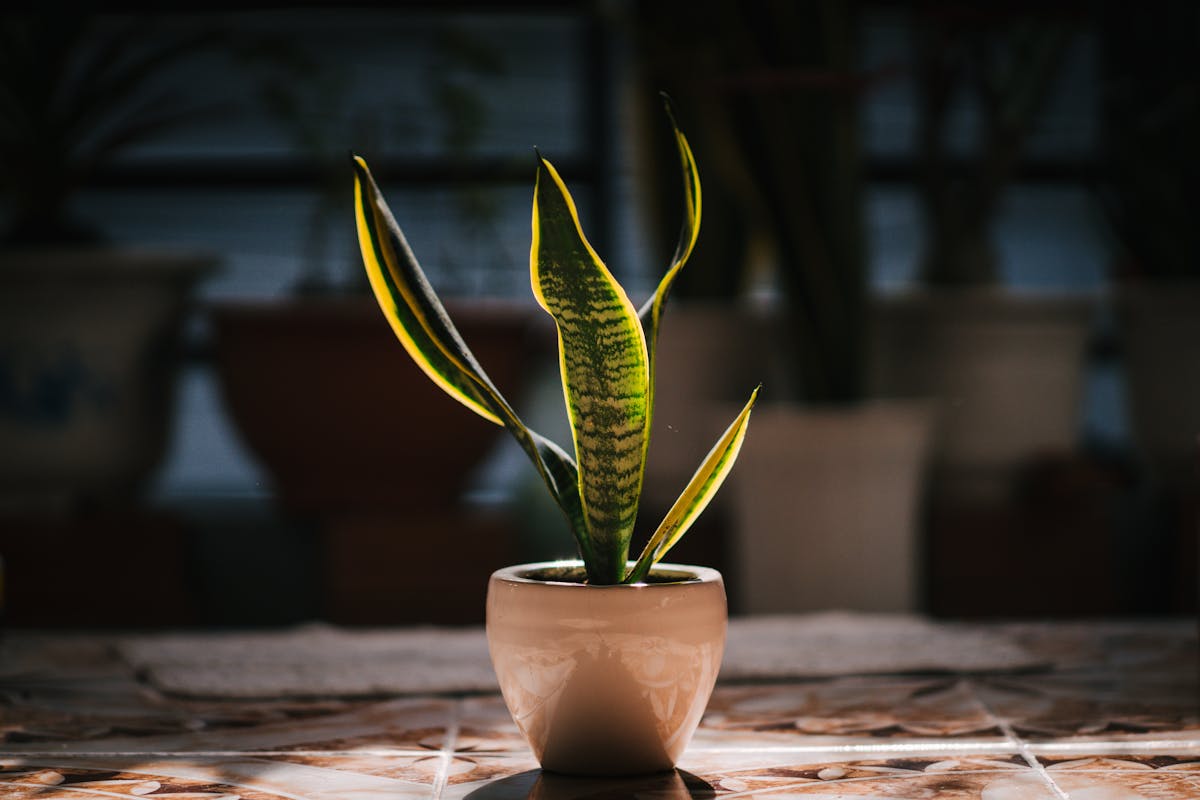
Sansevieria (Dracaena trifasciata) uses Crassulacean Acid Metabolism (CAM) — a photosynthetic strategy where stomata open at night to absorb CO₂, store it as malic acid, then use it for daytime photosynthesis with stomata shut. This single adaptation is why sansevieria can go weeks without water, why it survives in conditions that would kill most houseplants, and why the "oxygen at night" claim is technically true but practically irrelevant. The care rules follow directly from the chemistry.
Most plant guides will tell you sansevieria is drought tolerant and good for bedrooms. Both claims come from the same biological source — CAM photosynthesis — but neither is properly explained. Understanding how the mechanism actually works is worth five minutes of your time. It changes how you think about every watering decision you make for this plant.
What Is CAM Photosynthesis?
Photosynthesis — converting CO₂ and water into sugar using sunlight — happens through three different chemical pathways in plants. Most common houseplants use the C3 pathway: stomata open during the day, CO₂ flows in, photosynthesis happens. The problem in a hot, dry environment is that every open stomata also lets water vapour out. On a warm day, a C3 plant can lose enormous amounts of water just from the gas exchange required to fix carbon.
Crassulacean Acid Metabolism (CAM) is an evolutionary solution to that problem. It is named after the Crassulaceae family — jade plants, kalanchoë — where the mechanism was first studied, though it appears in over 33 plant families including cacti, agave, bromeliads, certain orchids, and of course, sansevieria.
The key insight is that CAM separates the two steps of photosynthesis in time rather than doing them simultaneously:
- CO₂ collection happens at night, when temperatures are lower and evaporation is reduced.
- Photosynthesis happens during the day using the CO₂ stored overnight — but with stomata closed, so no water is lost.
The result is a plant that fixes carbon using a fraction of the water a standard houseplant would need. Studies show CAM plants are 6–10 times more water-efficient than C3 plants. That efficiency is not a quirk. It is the entire point of the adaptation — and it comes at a real cost in growth speed, which the Why Do Snake Plants Grow So Slowly? guide covers in detail.
The Night/Day Cycle: What Your Sansevieria Is Doing While You Sleep
Here is the CAM cycle running in your sansevieria right now — broken into its actual stages:
At night (Phase I): Stomata open. The enzyme PEP carboxylase captures CO₂ from the air and converts it into malic acid. The malic acid is pumped into large vacuoles inside the leaf cells. By early morning, the interior of each leaf is measurably more acidic than it was at dusk.
At dawn (Phase II): In some species, stomata stay briefly open for a short additional burst of CO₂ uptake while light levels are still low and temperatures are cool. Sansevieria does this modestly.
During the day (Phase III): Stomata close completely. The stored malic acid is broken down by a different set of enzymes, releasing CO₂ directly alongside Rubisco — the enzyme that runs the Calvin cycle. Photosynthesis continues in full daylight without any gas exchange with the outside air. The leaf processes the previous night's haul.
Late afternoon (Phase IV): In some CAM plants, stomata briefly reopen before dusk to take in a small additional CO₂ supply. In sansevieria under normal indoor conditions, this phase is minimal.
You can feel a trace of this process if you handle the leaves at different times of day. Sansevieria leaves are very slightly more acidic in the early morning — the malic acid storage is detectable with pH paper pressed against a cut leaf surface, though not with your fingers.
CAM-Idling: What Happens When You Forget to Water for Two Months
This is where most guides stop. Here is what they miss. (If your plant is currently flowering, the same nighttime-first biology shows up in the bloom too — the Why Do Snake Plant Flowers Open at Night? guide covers why the flowers are timed to the same clock as the stomata.)
Under normal conditions, Phases I and IV involve open stomata and real CO₂ exchange with the environment. But when drought becomes severe — when the soil has been completely dry for an extended period and the leaf water storage is running low — sansevieria shifts into a survival mode called CAM-idling.
In CAM-idling, stomata stay closed both day and night. No external CO₂ enters. Instead, the plant feeds its own biochemical cycle with the CO₂ produced by cellular respiration — its own metabolic exhaust. Malic acid is still stored and decarboxylated on the same schedule, but the carbon is being recycled internally rather than drawn from outside air. The plant burns almost no resources. It does not grow. It does not die. It waits.
This is the real explanation behind sansevieria's reputation for surviving years of near-total neglect. During the worst dry spells, the plant is not just "tolerant" — it is actively idling: a biochemical pause state that very few plants can enter, available to sansevieria because of its evolved CAM machinery.
CAM-idling cannot last indefinitely — there are costs to maintaining the cycle on recycled carbon alone. But it buys weeks or months that no C3 plant can match.
The care implication: if you have forgotten to water for an unusually long time and the leaves still look firm, do not compensate by watering heavily and repeatedly. One thorough watering, then let the soil dry completely. The plant has been managing without water; it does not need flooding to recover.
Does Sansevieria Actually Release Oxygen at Night?
The claim is everywhere: put a snake plant in your bedroom because it produces oxygen while you sleep. Here is what is accurate and what is not.
What is accurate: During Phase I of the CAM cycle, when stomata open at night and CO₂ is absorbed, a small amount of oxygen is produced as a byproduct and released. So yes — sansevieria does technically emit oxygen at night. This is real biology, not marketing.
What is not accurate: The volume of oxygen released is negligible in a ventilated room. The effect is only detectable in sealed laboratory conditions. In a real bedroom with normal air exchange through doors, gaps, and ventilation, the oxygen contribution from one or even several snake plants makes no measurable difference to the O₂ concentration you breathe. Opening a window for ten seconds delivers more oxygen than a snake plant produces in a night.
(The short answer is: the claim is not false — it is just ten times more modest than it sounds, and most articles that repeat it skip that part.)
This is an example of the pattern I find frustrating in plant content. The NASA 1989 Clean Air Study is cited constantly — correctly, to a point. Sansevieria was included in that study and was the only plant shown to clean air actively at night due to CAM. But the study was conducted in sealed test chambers, not ventilated homes. That context is almost never included in the articles that share the bedroom claim.
What sansevieria is genuinely good at in a bedroom is being alive in the morning. It survives low light, survives irregular watering, survives being ignored. Most bedroom plants die from neglect within months. This one does not. That reliability — not oxygen output — is the honest reason it belongs in a bedroom.
What the NASA Clean Air Study Actually Found
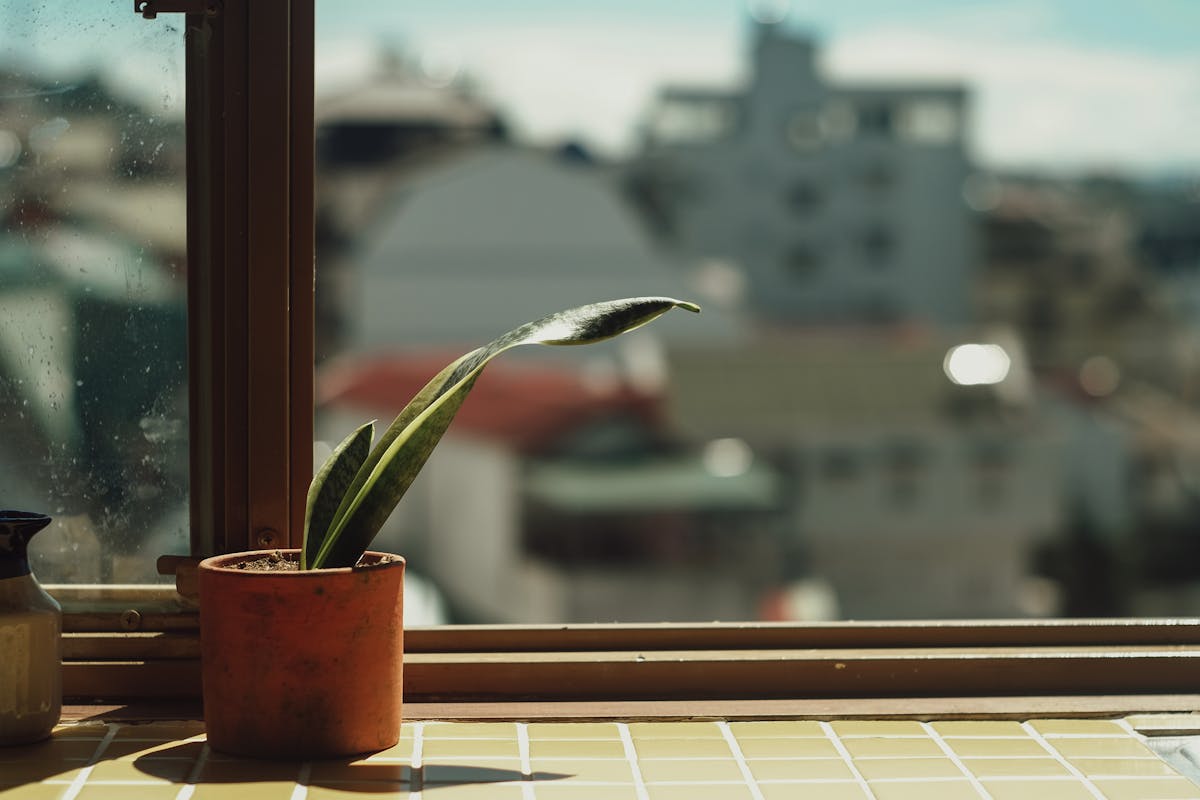
The 1989 NASA study (Interior Landscape Plants for Indoor Air Pollution Abatement, Wolverton et al.) was real science conducted for a specific purpose: identifying plants suitable for sealed space habitats where air quality cannot be maintained by ventilation alone. Twelve plants were tested. Sansevieria was among them.
What it showed: sansevieria removed formaldehyde, benzene, xylene, and toluene from sealed test chambers over 24-hour periods. It performed this removal during nighttime hours due to CAM — the only plant in the study with that temporal pattern. The study is legitimate and the findings are accurate.
What it did not show: that one or three sansevieria plants in a ventilated home will meaningfully filter the air you breathe. In a real room with normal air exchange, research published by Kew Gardens estimates you would need hundreds of plants per room to approach the purification levels seen in the sealed chambers.
The study is worth citing. The extrapolation to "this plant purifies your home's air" is the overclaim. Be honest about the gap between the two.
Other Plants You Might Own That Use CAM
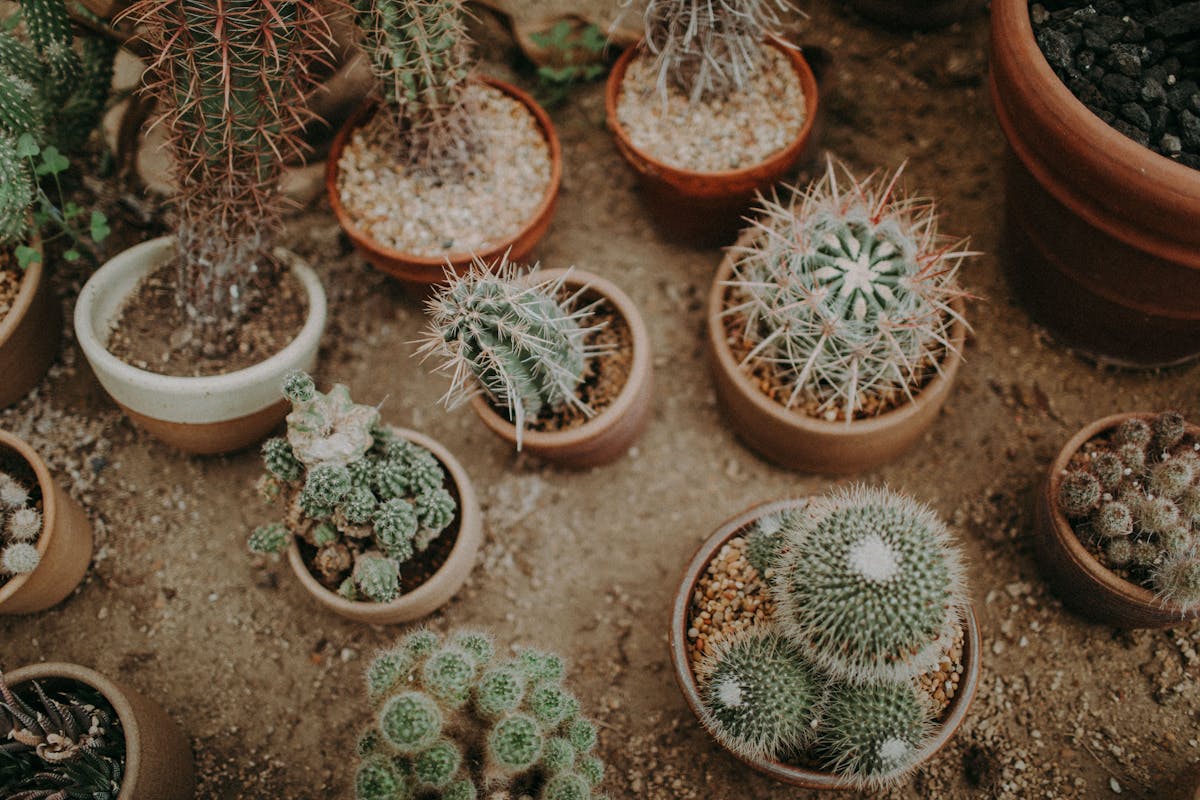
CAM photosynthesis evolved independently dozens of times across the plant kingdom — which is why it appears in such a wide range of unrelated families. If you have any of these plants, they run the same basic nocturnal cycle as your sansevieria:
- Cacti — essentially all species. The classic CAM plants, evolved for desert survival.
- Agave — closely related to sansevieria in the Asparagaceae family. Identical CAM mechanism.
- Aloe — another Asparagaceae relative. Thick leaves with the same waxy cuticle and water-storage tissue.
- Jade plant (Crassula ovata) — the Crassulaceae family where CAM was first named.
- Kalanchoë — popular flowering succulent, full CAM.
- Certain orchids — epiphytic orchids like Cattleya and Vanilla use facultative CAM, switching it on under drought stress.
- Air plants (Tillandsia) — bromeliads with CAM, absorbing moisture and CO₂ at night.
The care logic follows the same pattern across all of them: never keep the growing medium permanently wet. These plants evolved for dry cycles. Permanent moisture at the root is not just an overwatering problem — it is incompatible with the wet–dry rhythm the CAM cycle was designed for. For the leaf anatomy and structural features that make CAM work in sansevieria specifically, the Sansevieria Morphology guide covers the cuticle, stomatal density, and water-storage tissue in detail.
What CAM Means for How You Actually Care for This Plant
This is the part most CAM explanations skip. The biology is interesting; what you do with it tomorrow morning is more useful.
Water every 2–6 weeks in spring and summer. Not because someone said so — because the CAM cycle evolved for wet–dry rhythms. Giving the plant time to fully dry between waterings is not neglect. It is recreating the seasonal pattern the plant's metabolism is built around.
Water every 4–8 weeks in winter. In winter, CAM activity slows along with growth. The plant needs even less input. Watering monthly through winter is over-frequent for most indoor conditions.
Let the soil dry completely between waterings. Check at least 2 inches deep before adding water. If the soil registers any moisture — even slightly cool or damp — the plant does not need water. CAM-idling means the plant is managing on internal reserves.
Permanent moisture causes root rot before you see leaf symptoms. This is the critical point. Roots sitting in wet soil cannot access oxygen. They suffocate and rot. The leaves continue to look fine — the plant is drawing on leaf-stored water — until the root system is severely compromised. By the time leaves turn yellow or soft, the root rot is advanced. Constant soil moisture is not just suboptimal for this plant; it is incompatible with how it processes water at the biochemical level.
Drainage is not a preference — it is a biological requirement. Use a cactus or succulent mix, or a 1:1 blend of standard potting soil and perlite. Fast-draining substrate ensures the wet–dry cycle happens in the root zone the same way it happens above ground in the leaf's chemical cycle.
The Sansevieria Plant Botanical Guide links the full biology — CAM, rhizome architecture, leaf anatomy — to the complete set of care implications if you want the broader picture. For a thorough breakdown of what C3, C4, and CAM pathways mean for succulents generally, the Henry Shaw Cactus and Succulent Society's guide to photosynthesis pathways covers the comparison clearly.
Sansevieria's reputation for toughness is not accidental. Every part of it — the thick cuticle, the closed daytime stomata, the malic acid storing overnight, the CAM-idling during drought — exists because the plant evolved in a place where rain came irregularly and the ability to wait was more valuable than the ability to grow fast. Before you water next, check the soil two inches down. If there is any moisture at all, the plant is still working through its reserves. Come back next week.
Care FAQ
Does sansevieria use CAM photosynthesis?
Yes. Sansevieria (Dracaena trifasciata) uses Crassulacean Acid Metabolism (CAM) — a photosynthetic pathway where stomata open at night to absorb CO₂, which is stored as malic acid and used for daytime photosynthesis with stomata closed. This makes it 6–10 times more water-efficient than standard C3 plants.
Does sansevieria release oxygen at night?
Technically yes, but the amount is negligible in a real room. During CAM photosynthesis, sansevieria opens its stomata at night and absorbs CO₂, releasing a small amount of oxygen as a byproduct. In a ventilated bedroom, this has no measurable impact on oxygen levels — the effect is only detectable in sealed laboratory conditions.
What is crassulacean acid metabolism in snake plants?
CAM (Crassulacean Acid Metabolism) is a water-saving photosynthetic strategy. At night, sansevieria opens its stomata and fixes CO₂ as malic acid, storing it in leaf vacuoles. During the day, stomata close and the stored acid releases CO₂ internally for normal photosynthesis powered by sunlight — all without losing water through open pores.
Why is sansevieria so drought tolerant?
The drought tolerance comes directly from CAM photosynthesis. By keeping stomata closed during the hot daytime hours, sansevieria loses far less water than C3 plants. It also stores water in its thick leaf tissue. In extreme drought, it can enter CAM-idling — a survival mode where stomata stay closed day and night and the plant recycles its own respiratory CO₂, pausing growth until water returns.
Is snake plant good for a bedroom because of oxygen production?
The practical benefit is durability, not oxygen. While snake plant does technically produce oxygen at night via CAM, the volume is too small to affect room air quality. What makes it genuinely good for a bedroom is its near-indestructibility — it tolerates low light, irregular watering, and neglect better than almost any other houseplant.
How does CAM photosynthesis differ from normal C3 photosynthesis?
In standard C3 photosynthesis, stomata open during the day to take in CO₂ directly as photosynthesis happens — which also loses water through the open pores. In CAM, the two steps are separated in time: CO₂ is collected at night and stored as an acid, then used during the day with stomata closed. CAM is significantly more water-efficient but produces carbon more slowly.