
Sansevieria Cylindrica: Structural Adaptations
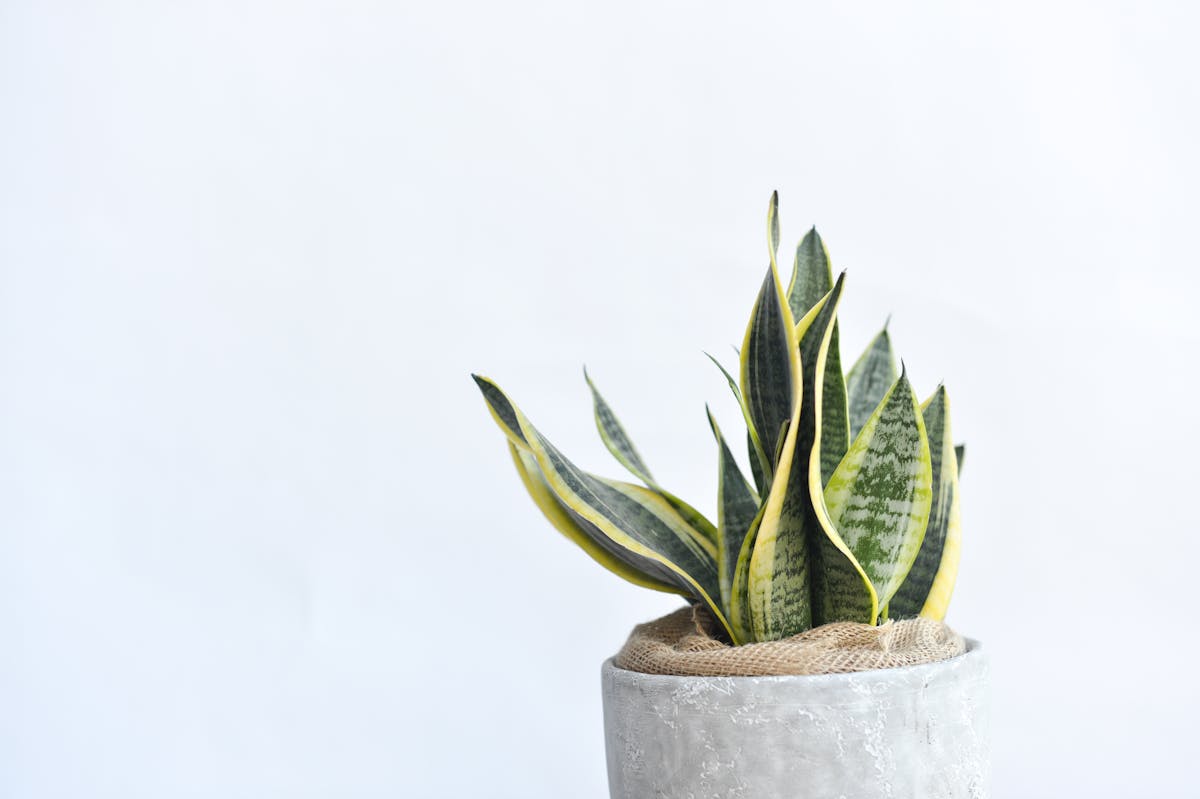
Sansevieria cylindrica — now officially Dracaena angolensis — grows round, spear-like leaves rather than flat ones. That is the short answer to why this plant looks the way it does. The cylindrical leaf shape is the result of a specific gene expression pattern that reduces surface area and minimises water loss, an adaptation to the dry, rocky environment of Angola where the plant evolved.
Here is what that means practically: the round leaves of D. angolensis have less exposed surface area per unit of volume than the flat leaves of D. trifasciata. Less surface area means less potential water loss. Combined with CAM photosynthesis — opening stomata at night rather than during the day — the plant is one of the more drought-adapted houseplants available. This guide covers the biology behind that structure, the care requirements it produces, and the cultivated varieties worth knowing about.
Taxonomy and Naming
Current accepted name: Dracaena angolensis (Welw. ex Carrière) Byng & Christenh. Former name: Sansevieria cylindrica Bojer ex Hook. Family: Asparagaceae Origin: Angola, Southern Africa
The species was first described by Wenceslas Bojer in 1837. It carried the name Sansevieria cylindrica through most of its documented history. In the 21st century, when molecular phylogenetic analysis demonstrated that Sansevieria was genetically nested within Dracaena, all species were transferred. The current accepted name is Dracaena angolensis; Sansevieria cylindrica is now a synonym — correct in casual use, superseded in formal taxonomy.
Common names — African Spear, Spear Sansevieria, Cylindrical Snake Plant — all reference the leaf form. In Brazil, it is known as lança de São Jorge ("St. George's Spear"), specifically distinct from D. trifasciata which is espada de São Jorge ("St. George's Sword") — the naming reflects the physical difference between a round spear and a flat blade.
Both Sansevieria cylindrica and Dracaena angolensis remain in wide commercial use. Most nurseries still label the plant as Sansevieria. The plant is the same regardless of which label is on the pot.
The Cylindrical Leaf: A Structural Case Study
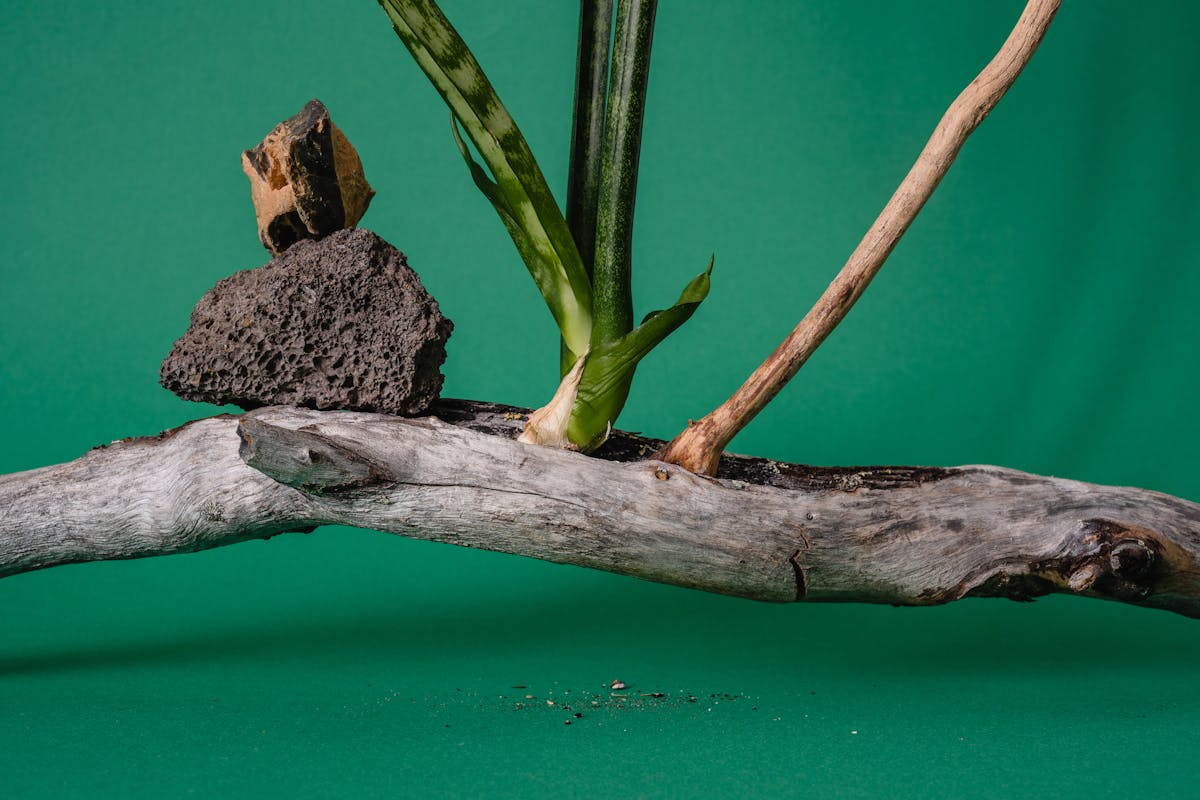
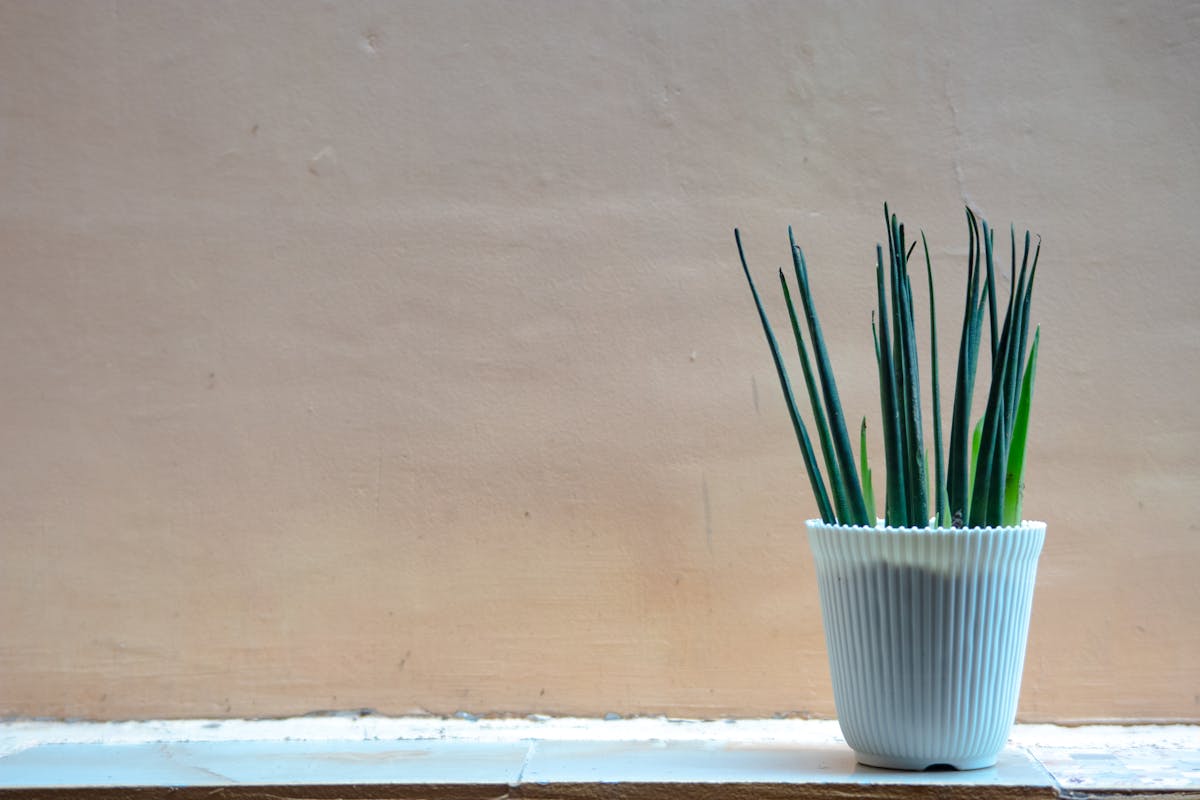
The leaves of D. angolensis are subcylindrical — round in cross-section rather than flat. They are smooth, striped in grey-green, up to 3 cm (about 1 inch) in diameter, and grow upright to 2 m (about 7 feet) in the wild. Indoors, most plants reach 60–120 cm.
The structural reason for the round shape is specific. In a typical monocot leaf, genes drive the developing leaf bud to differentiate dorsoventrally — producing a conventional flat blade with distinct upper (adaxial) and lower (abaxial) surfaces, different cell types on each side, and often different colouration. In D. angolensis, this dorsoventral differentiation does not occur. The genes responsible for it are not expressed. The leaf bud remains cylindrical and develops into a round, smooth spear rather than a flat blade.
This is not a defect or aberration. It is an adaptation with a clear mechanical advantage: a cylindrical leaf has considerably less exposed surface area per unit of internal volume than a flat leaf of equivalent size. Less surface area means lower rates of passive water loss through the cuticle. In the rocky, seasonally dry habitat of Angola, that efficiency matters.
The same water-conservation logic runs through the plant's internal biology. Like D. trifasciata and the rest of the former Sansevieria genus, D. angolensis uses CAM photosynthesis — opening its stomata at night when temperatures are lower and humidity is higher, absorbing CO₂ in the dark, and using it for photosynthesis during the day with stomata closed. The cylindrical leaf shape and CAM metabolism are parallel solutions to the same problem: surviving in a hot, dry environment with unreliable water supply. For a full explanation of how the night-time stomata cycle works and why it makes the plant so tolerant of dry conditions, the CAM Photosynthesis in Sansevieria guide covers the mechanism in detail.
Inside the cylindrical leaf, the internal structure follows the same pattern as flat-leaved species: a thick outer waxy cuticle that resists passive water loss, hydrenchyma (water-storage tissue) beneath the surface, and long structural fibres running the full length of the leaf. Those fibres are what make the leaves stand upright without any support — and what gives the plant its characteristic rigidity. A healthy D. angolensis spear does not bend or lean.
Native Habitat and Ecological Context
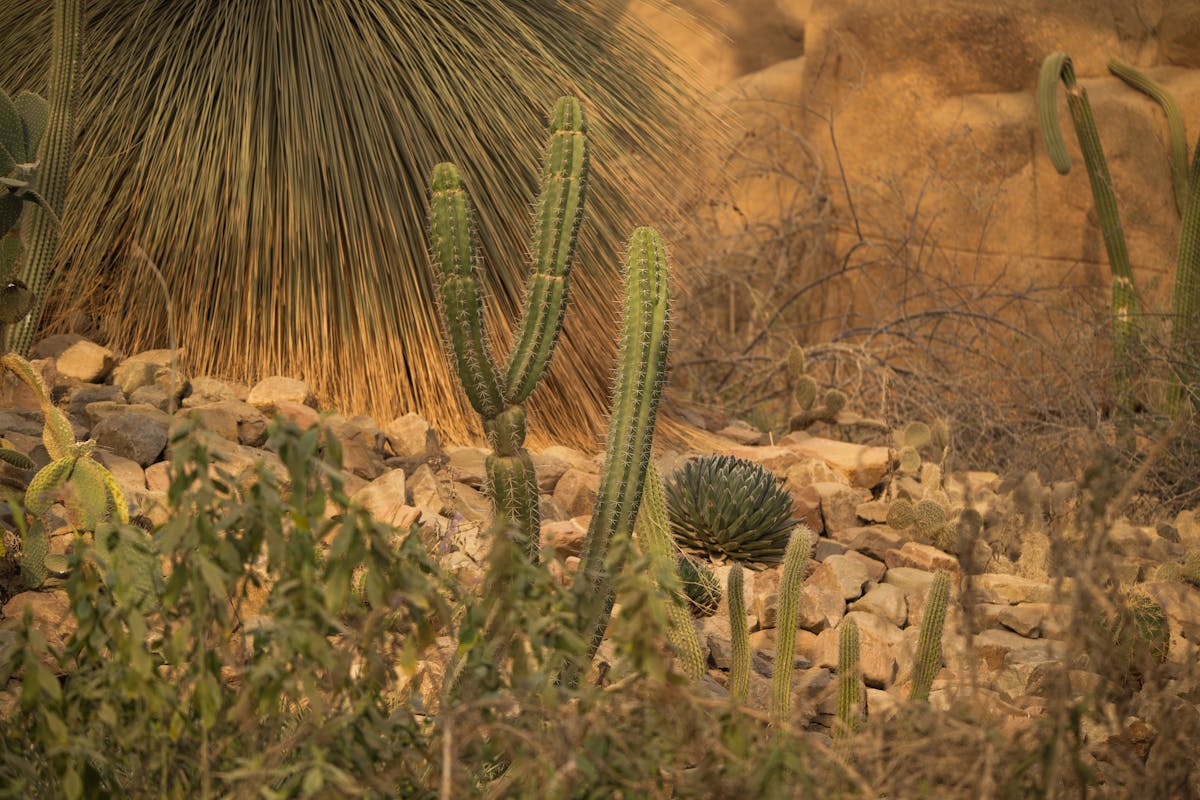
D. angolensis is native to Angola in Southern Africa — specifically rocky, dry terrain in tropical and subtropical regions with a pronounced dry season. It grows in sandy, fast-draining soils with warm, consistent temperatures and strong light. This is not a rainforest understorey plant; it is an open-habitat species that evolved without canopy shade.
Every care guideline for this plant traces directly back to its native conditions:
- Fast-draining cactus mix replicates the sandy, rocky Angolan substrate that holds almost no moisture at the root.
- Infrequent watering matches the seasonal dry spells the plant evolved to survive.
- Bright indirect to some direct light reflects an open, largely unshaded native environment.
- Cold intolerance (cell damage below 10°C / 50°F) reflects a plant with no frost in its evolutionary history.
In its native range, D. angolensis grows in clumps that spread via underground rhizomes. A single genetic individual can form a dense cluster over time — which is exactly why division at the rhizome is the most natural and reliable propagation method.
For a broader look at how native habitat shapes leaf anatomy and underground architecture across the genus, the Sansevieria Morphology guide covers the structural comparison across species.
Varieties and Cultivated Forms
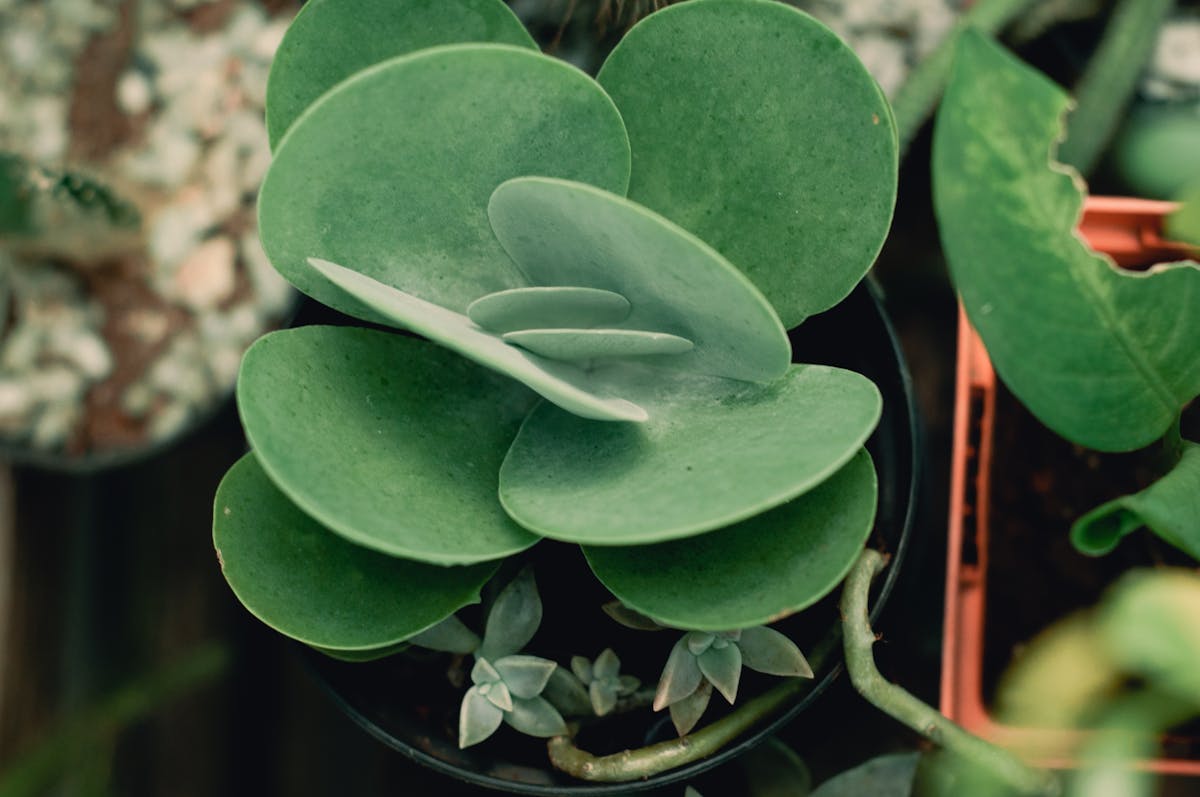
Several distinct forms of D. angolensis are available, from the standard species to compact collector cultivars:
Standard species — Tall and upright, with cylindrical leaves growing in a loose fan from the base, typically reaching 60–120 cm indoors. Leaves taper to a hard, sharp point. This is the form found in most nurseries.
'Boncel' (Starfish Plant) — A compact cultivar with shorter, fatter, wider-spreading leaves that radiate outward horizontally like starfish arms rather than growing straight up. Stays small — typically 15–30 cm — making it one of the better options for desks and window shelves. The cylindrical character is retained; the growth direction is what changes.
var. 'Patula' — Leaves arch outward in a wide, open fan. More sprawling than the upright species. Less commonly available but visually distinctive, particularly in a larger pot where the spreading form has room to express itself.
'Skyline' — Selected for especially tall, thick, upright growth. Essentially a maximised version of the standard form. A good choice when the goal is vertical presence.
Braided form — Nurseries frequently braid or plait the flexible young stems of D. angolensis into spirals or woven patterns. This is a styling technique applied to young plants, not a genetic cultivar. The braided portion of the stems will not unbraid over time, but all new growth that emerges will grow straight. Worth knowing before purchasing one with an expectation that the decorative plaiting will continue growing.
For comparison with other species in the genus — including cylindrical versus flat-leaved forms and how to tell common cultivars apart — the Types of Sansevieria guide covers the full range by structural category.
How to Grow Sansevieria Cylindrica
Light
Ideal: bright indirect light, near an east or west-facing window. In good light, D. angolensis produces thicker, more upright spears with well-defined grey-green banding. In low light, growth becomes extremely slow — the plant essentially enters stasis, producing thin, weak, floppy new growth that leans toward the nearest light source.
Direct morning sun is fine. Direct midday or afternoon sun can scorch the cylindrical leaves, leaving permanent bleached patches or brown scars. If moving a plant from low light to a brighter position, do it gradually over two to three weeks to allow acclimatisation.
Watering
Water every 2–4 weeks in spring and summer. Every 6–8 weeks in winter.
The rule that matters: check the soil before watering. Stick a finger or a chopstick to the bottom of the pot. If there is any moisture at all — do not water. D. angolensis stores water in both its cylindrical leaves and its rhizomes. The plant can sustain itself for weeks on stored reserves. Overwatering is the fastest and most reliable way to kill it, and root rot in a succulent this dry-adapted progresses quickly once it begins.
One note specific to low-light conditions: a plant kept in a dim corner uses water significantly more slowly than one in bright light. Stretch the watering interval in low light — closer to every 4–6 weeks in summer, every 8–10 in winter.
Soil
Use cactus or succulent mix, or a gritty home blend: two parts potting soil, one part perlite, one part coarse sand or pumice. Standard potting mix retains too much moisture. Rocky, fast-draining substrate is what the native environment of Angola provides — replicate that.
Unglazed terracotta pots are worth considering: the porous clay allows moisture to evaporate through the pot walls, adding an extra margin against overwatering. If using plastic or glazed ceramic, be more conservative with watering frequency.
Temperature
Thrives at 65°F to 85°F (18°C to 29°C). Keep above 50°F (10°C) at all times. Cold damage appears as soft, darkened, mushy patches on the leaves — the water-filled tissue freezes and collapses even at temperatures most people would consider merely cool. Keep away from cold drafts, air conditioning vents, and unheated windowsills in winter.
Fertilising
Once in spring and optionally once in mid-summer, using a cactus or succulent fertiliser diluted to half strength. Never fertilise in autumn or winter — the plant is in semi-dormancy and cannot use the nutrients, which accumulate in the soil and can cause root damage. This plant evolved in nutrient-poor soils and is not a heavy feeder. Excess fertiliser does not accelerate growth; it causes problems.
Repotting
Every 2–3 years, when rhizomes are visibly cracking the pot or lifting the plant upward. D. angolensis prefers to be slightly root-bound. Use a pot only one size larger than the current one — the extra soil in an oversized pot holds moisture that shallow roots cannot absorb, increasing root rot risk. Repotting is also the right time to refresh the potting mix.
How to Propagate Sansevieria Cylindrica
Two methods: division and leaf cuttings.
Division (Recommended)
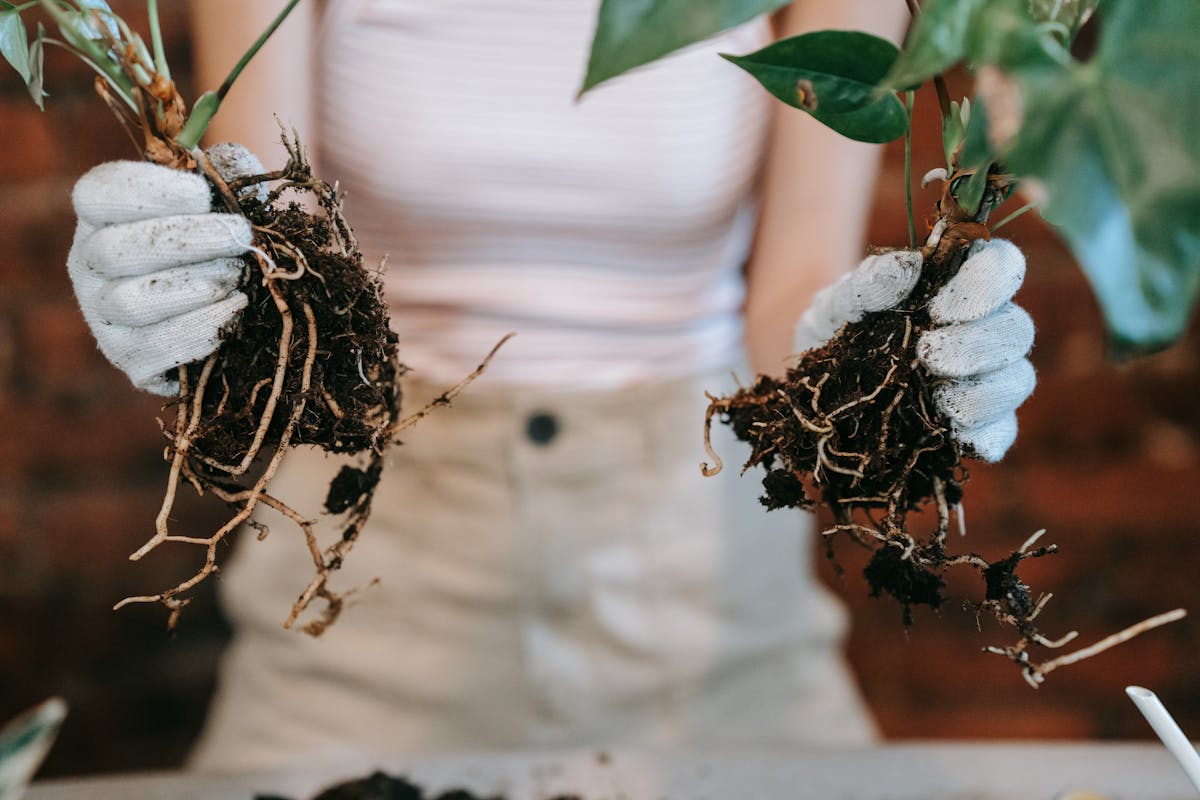
Remove the plant from its pot. Identify a clump with its own root structure attached to the rhizome. Cut cleanly through the rhizome with a sterilised, sharp knife. Allow both cut surfaces to dry and callus for 24–48 hours before potting the new division in fresh cactus mix.
Division produces a fully rooted plant that establishes within weeks. It is the faster and more reliable method, and the one that guarantees the new plant retains the same growth form as the parent — particularly important for Boncel and Patula, where the distinctive compact or arching character may not be reliably reproduced from cuttings.
Leaf Cuttings
Cut a healthy cylindrical leaf into 5–10 cm sections. Allow the cut ends to callus for 24–48 hours. Insert upright into slightly moist perlite or cactus mix. Maintain in bright indirect light at room temperature.
Roots develop in 4–8 weeks — the same timeline as D. trifasciata cuttings. Nothing visible happens for most of this period. The cutting looks identical at week seven to how it looked at week one. This is normal. Do not discard a cutting that shows no visible signs of progress before the 8-week mark has passed.
Unlike variegated flat-leaved cultivars such as Laurentii, D. angolensis does not carry chimeral variegation that would be lost in cuttings — so leaf cuttings from the standard species will produce plants with the same leaf colour. However, Boncel and Patula's compact or arching form is better preserved through division.
Common Problems
Soft, mushy base or dark discolouration at soil level — Root rot from overwatering. Remove from the pot, inspect the roots, cut away all soft or black tissue with clean scissors, let the remaining healthy root system dry for 24 hours, then repot in fresh dry cactus mix. Do not water for 3–4 weeks. The cylindrical leaves hold enough stored water to sustain the plant through the recovery period.
Thin, weak, floppy new growth leaning toward the light (etiolation) — Not enough light. New spears in adequate light are thick, upright, and self-supporting. In low light they are thin and lean. Move the plant to a brighter position and the next new spear will be noticeably different.
Bleached or brown patches on the leaf surface — Too much direct sun. The damage is permanent but will not spread once the cause is removed. Move to filtered, indirect light.
Orange or brown spotting on leaf surface — Can indicate fluoride sensitivity from tap water. Switch to filtered or collected rainwater.
Yellowing, swollen-looking leaves — Overwatering combined with excess humidity. Move to a less humid room and allow the soil to dry out completely before any further watering.
Mealybugs or spider mites — Treat with neem oil or insecticidal soap applied directly to affected areas. Isolate the plant from other houseplants before treating.
Cultural Significance
The Brazilian common name lança de São Jorge — St. George's Spear — is not incidental. In Afro-Brazilian tradition and the syncretic religion Umbanda, D. angolensis (the spear) and D. trifasciata (the sword) are both grown outside homes for spiritual protection, both associated with the orisha Ogum (syncretised with Saint George). The distinction between the two plants is preserved in the names: one has round, spear-like leaves; the other flat, blade-like ones. The naming is precise enough to reflect real botanical differences, which is more than can be said for most common plant names.
The Missouri Botanical Garden plant profile for Dracaena angolensis covers hardiness zones, growth habit, and cultivation notes. The NC State Extension Cylindrical Snake Plant page provides a solid botanical reference for characteristics and landscape use. For the full taxonomic record including all synonyms and native range data, the Plants of the World Online entry for Dracaena angolensis is the authoritative source.
If you have a D. angolensis and are trying to decide what to do with it right now: make sure it is in bright indirect light, check that the soil is dry all the way through before you water, and otherwise leave it alone. The plant does best when its owner does the least.
Care FAQ
What is sansevieria cylindrica called now?
Sansevieria cylindrica was reclassified as Dracaena angolensis in the 21st century, when molecular phylogenetic analysis merged the Sansevieria genus into Dracaena. Both names remain in use — Sansevieria cylindrica is still widely used in nurseries and commerce, while Dracaena angolensis is the current accepted botanical name.
Why does sansevieria cylindrica have round leaves?
The cylindrical leaf shape results from a failure to express genes that would normally cause the leaf bud to differentiate dorsoventrally — producing a flat leaf with a distinct top and bottom surface. Instead, the leaf remains subcylindrical. This form reduces the exposed surface area, minimising water loss in the dry Angolan habitat the plant evolved in.
How often should you water sansevieria cylindrica?
Water every 2–4 weeks during spring and summer, allowing the soil to dry completely between waterings. In winter, once every 6–8 weeks is sufficient. The plant stores water in its cylindrical leaves and is highly susceptible to root rot from overwatering. In low-light conditions, water even less frequently — the plant uses water significantly more slowly.
What is the difference between sansevieria cylindrica and sansevieria trifasciata?
Sansevieria cylindrica (Dracaena angolensis) has round, subcylindrical leaves growing in a fan-shaped pattern from the base and is native to Angola. Sansevieria trifasciata (Dracaena trifasciata) has flat, sword-shaped leaves in a rosette and is native to West Africa (Nigeria). Both use CAM photosynthesis and require the same general care, but they are different species with distinct leaf architecture and different native regions.
Is sansevieria cylindrica toxic?
Yes. Like all Dracaena species, Dracaena angolensis contains saponins and is mildly toxic to cats, dogs, and humans if ingested. Symptoms of ingestion in pets include mouth irritation, drooling, nausea, and possible vomiting. The sap can also cause skin irritation on contact — wear gloves when handling cut leaves or repotting.
What are the main varieties of sansevieria cylindrica?
The main cultivated forms include the standard upright species, 'Boncel' (Starfish — compact with short leaves spreading horizontally), 'Patula' (wide arching fan shape), 'Skyline' (tall and especially upright), and the braided form (young stems plaited by nurseries — a styling technique, not a genetic cultivar). All share the same care requirements.
Can sansevieria cylindrica grow in low light?
It tolerates low light but growth becomes extremely slow — essentially stasis. New spears in low light are thin, weak, and may lean toward the light source. Bright indirect light produces thicker, more upright growth with better colour banding. Plants in low light also need water significantly less frequently, as they use moisture much more slowly.