
Sansevieria Trifasciata: Detailed Study
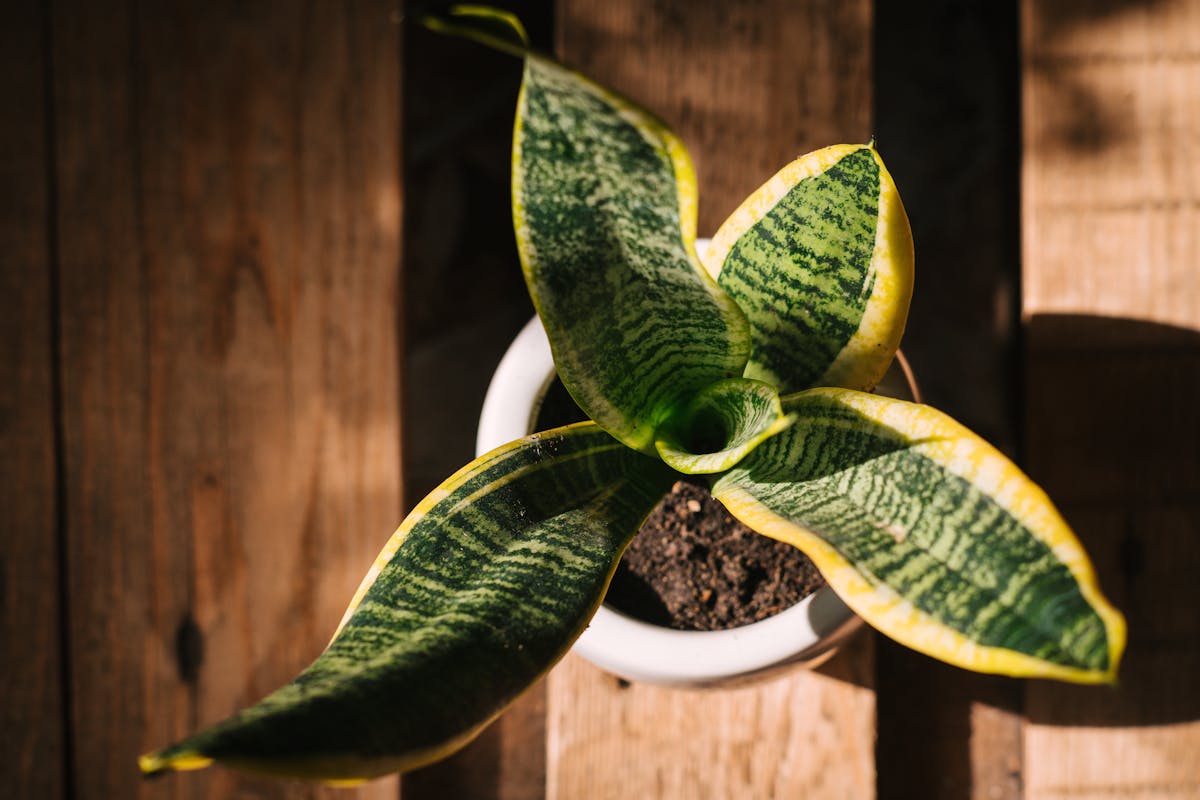
Sansevieria trifasciata — now correctly called Dracaena trifasciata — is a stemless evergreen perennial native to West Africa. It produces stiff, sword-shaped leaves from a basal rosette, spreads underground via rhizomes, and uses CAM photosynthesis to conserve water through dry periods. It is the most widely cultivated snake plant species in the world and holds a reasonable claim to being the hardest houseplant to kill — with the caveat that overwatering can still finish it off faster than you expect.
This is a detailed study of the species: taxonomy, physical structure, native habitat, cultivars, care requirements, propagation, common problems, toxicity, historical uses, and cultural history.
Taxonomy and Nomenclature
Current accepted name: Dracaena trifasciata (Prain) Mabb. Former name: Sansevieria trifasciata Prain Family: Asparagaceae Subfamily: Nolinoideae Order: Asparagales
The species epithet trifasciata means "with three bundles" — a reference to the leaf's internal fibre arrangement. The plant was first formally described by David Prain in 1903 under the name Sansevieria trifasciata and remained there for over a century.
In 2017, molecular phylogenetic analysis confirmed that the Sansevieria genus was genetically nested inside Dracaena — not a separate lineage sitting alongside it. Keeping them as distinct genera made Dracaena paraphyletic, which is not a valid taxonomic arrangement. The reclassification was formalised in Mabberley's Plant-book, merging all former Sansevieria species into Dracaena. The full history of that name change and how the classification ranks break down from kingdom to cultivar is covered in the Sansevieria Classification guide.
The practical implication is simple: the plant did not change. Its biology, care requirements, and behaviour are identical. Most nurseries still label it Sansevieria trifasciata, and both names are understood. Only the official botanical preference shifted.
Common names: snake plant, mother-in-law's tongue, Saint George's sword, viper's bowstring hemp, good luck plant, African spear.
Physical Description
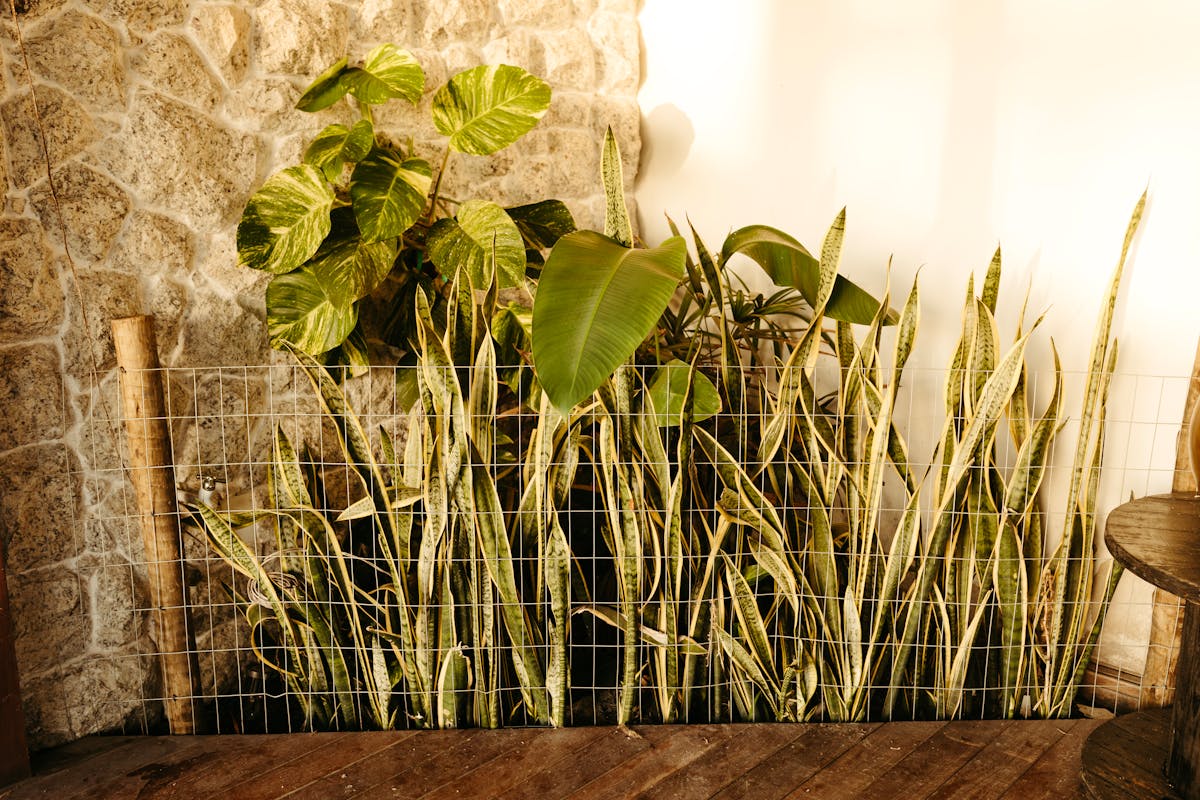
Dracaena trifasciata is an evergreen perennial that forms dense clumps, spreading by way of creeping rhizomes. There is no obvious above-ground stem — leaves rise almost directly from the rhizome.
Leaves: Linear-lanceolate (sword-shaped), growing vertically from a basal rosette. Stiff, upright, tapering to a hard sharp point. Mature leaves are 70–90 cm long and 5–6 cm wide in typical specimens, though this varies with cultivar and growing conditions. Colour is deep green with lighter grey-green horizontal cross-banding — the banded pattern that gives the plant its common names "snake plant" and "mother-in-law's tongue."
The outer leaf surface is covered by a thick, waxy cuticle. Inside, the leaf contains hypodermal water-storage tissue and long structural fibres running the full length of the blade. Those fibres are part of why the leaves are rigid and self-supporting rather than floppy.
Root and rhizome system: Below ground, pale orange-yellow horizontal rhizomes spread through the soil, producing both the upright leaf clusters and adventitious roots. The rhizome stores water and energy — the reason the plant can recover from extended neglect. For the full microscopic breakdown of leaf anatomy and underground architecture, the Sansevieria Morphology guide covers the internal structure in detail.
Flowers and fruit: Small, tubular flowers in cream to white colouring, carried on an upright spike (raceme). Fragrant — notably so at night. Indoor flowering is uncommon but it happens: a plant that has reached maturity and experienced mild stress from irregular watering may send up a spike. After pollination, the plant develops small orange-red berries. In the wild, pollination is carried out by night-flying insects attracted to the pale colour and night-time fragrance. Indoors, the fruit rarely develops.
Flowering indoors is unpredictable — some plants bloom after a decade of nothing, produce a single fragrant spike, and never flower again. That is normal. Do not chase it, and do not be concerned if yours never blooms. The full flowering and reproductive biology is covered in the Sansevieria Morphology guide.
Indoor size: 60 cm to 1.2 m in typical houseplant conditions. Wild specimens reach 2 m. Compact cultivars (Hahnii) stay under 25 cm.
Native Habitat and Ecological Origin
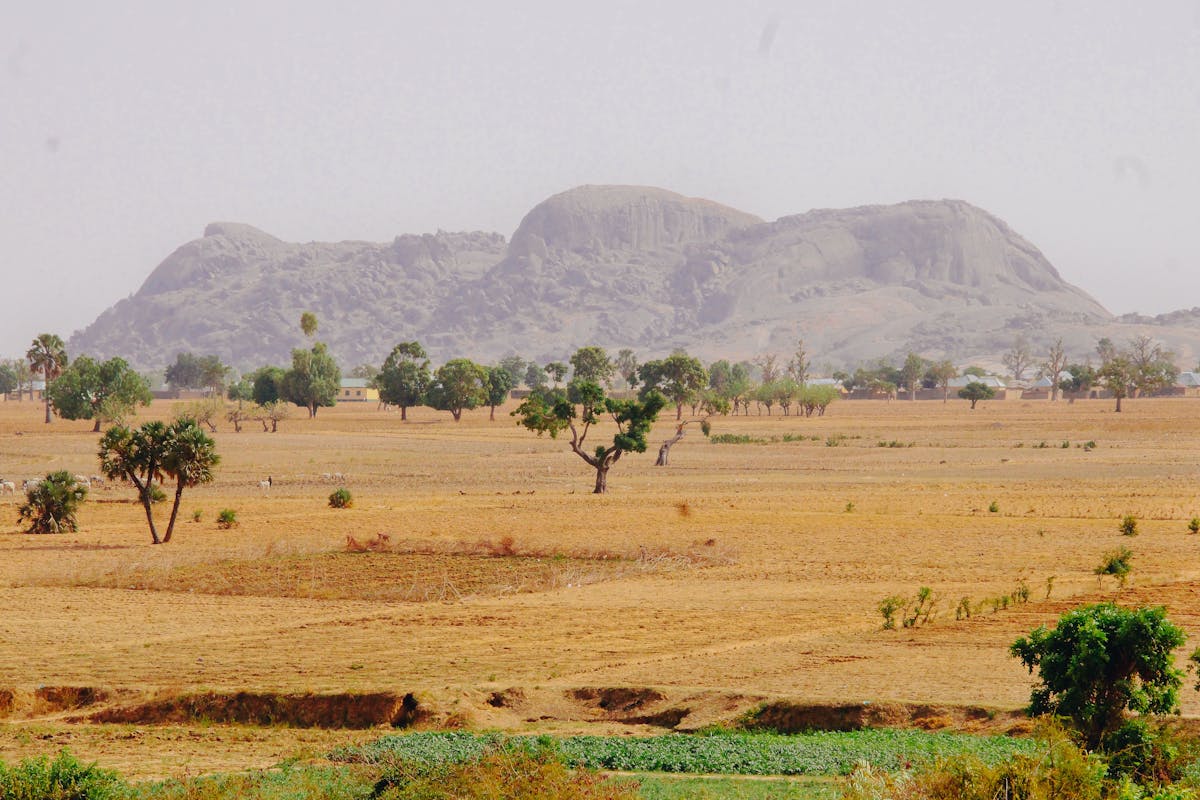
D. trifasciata is native to tropical West and West-Central Africa — primarily Nigeria, Congo (DRC), Gabon, and neighbouring countries. Its natural range covers tropical savanna vegetation: open woodland with a clearly defined dry season, rocky soils, and slopes where drainage is fast and moisture does not linger at the root between rains.
This origin is not just botanical trivia. It is the explanation for every care rule associated with the plant:
- Well-draining soil is not a preference — it recreates the rocky substrate the plant evolved on.
- Dry intervals between waterings is not drought-tolerance as a bonus — it is the wet–dry rhythm the plant's CAM metabolism is built around.
- Temperature sensitivity below 10°C (50°F) reflects a plant that never encountered frost in its native range.
The ecological origin also explains why the plant becomes invasive when introduced to warm, frost-free climates outside its native range. In parts of Australia and Brazil, D. trifasciata is classified as a weed. Its vigorous rhizome system, drought tolerance, and ability to resprout from discarded leaf fragments allow it to establish quickly and spread into dense, near-impenetrable thickets. In temperate climates used as a houseplant, this is not a concern — but in USDA Zone 10–12 or equivalent outdoor growing zones, be aware of its spreading potential before planting in open ground.
Varieties and Cultivars

Dozens of cultivars have been developed from D. trifasciata, primarily selected for leaf colouration, growth habit, and size. The main ones:
- var. laurentii — yellow-margined, the most widely grown snake plant worldwide. The margin is chimeral: leaf cuttings produce plain green offspring, division preserves it.
- 'Hahnii' (Bird's Nest) — compact rosette, 15–25 cm, discovered in New Orleans in 1939.
- 'Moonshine' — pale silver-grey leaves, upright to roughly 60–80 cm.
- 'Bantel's Sensation' — narrow leaves with white vertical striping, slower-growing and more sensitive to overwatering than Laurentii.
- 'Black Gold' — dark cross-banded leaves with a bold golden margin, same care as Laurentii.
- Zeylanica note — plain green D. trifasciata is frequently mislabelled as Sansevieria zeylanica in nurseries; it is actually a different species.
The full breakdown of each cultivar — exact heights, growth habit, and how to tell them apart — is in the Types of Sansevieria guide.
How to Grow Sansevieria Trifasciata
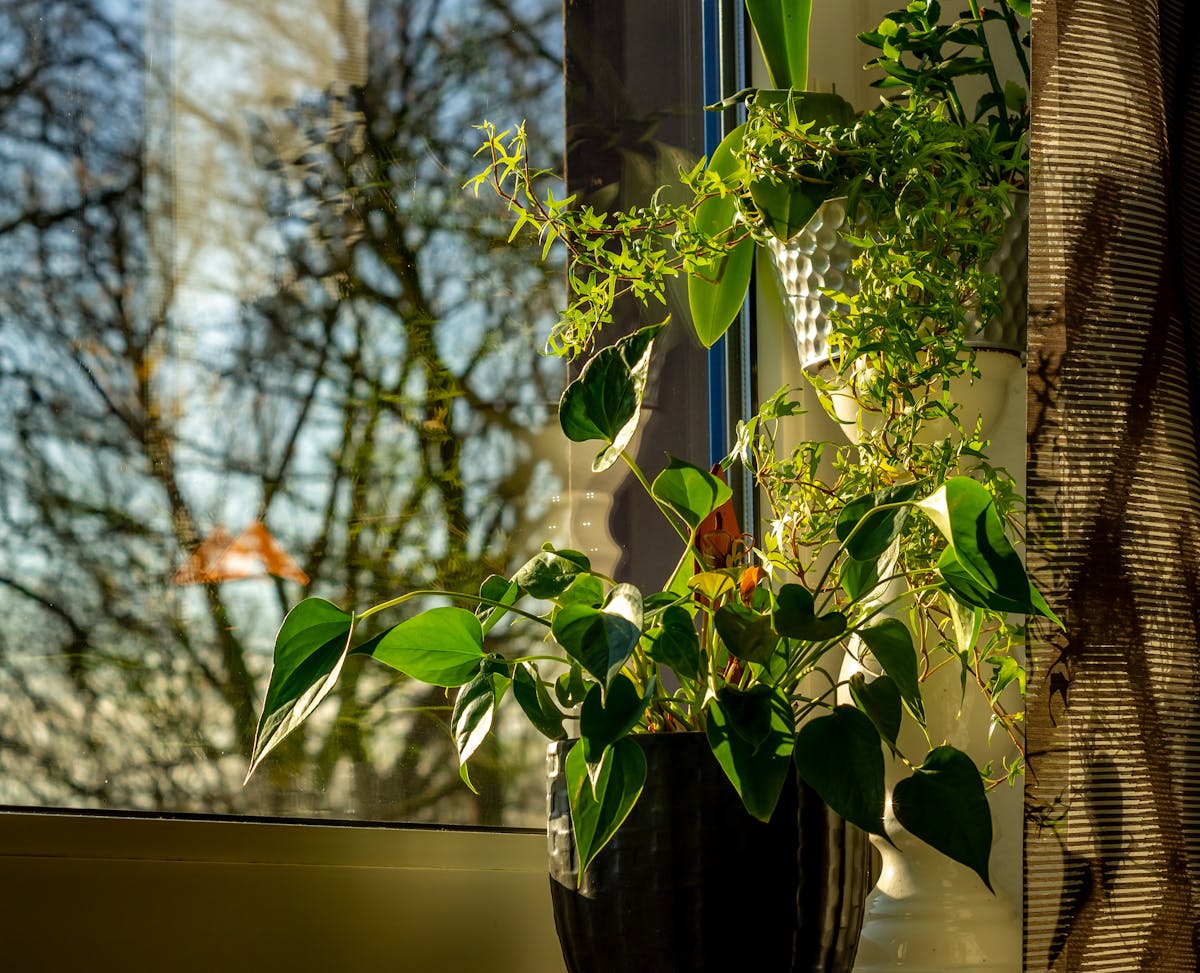
Most articles say this plant "tolerates any light and needs very little water." Both statements are true. What they skip is the specifics — which is where care goes wrong.
Light
Ideal: 8–10 hours of bright indirect light per day. South or west-facing windows in the northern hemisphere.
The plant tolerates low light, but tolerates and grows well are not the same thing. In a north-facing room with minimal indirect light, growth slows to roughly one inch per year and leaf colour becomes faded and flat. If your plant has not produced a single new leaf in twelve months, that is almost certainly the cause — not disease, not anything wrong with the soil.
Direct hot afternoon sun will scorch leaves. Pale, bleached patches or brown tips near the top of the leaf indicate too much direct exposure. Move to filtered, bright indirect light.
Watering
Water every 2–6 weeks in spring and summer. Every 4–8 weeks in winter.
The rule that matters more than any schedule: check the soil before watering every single time. Push your finger at least two inches in. If there is any moisture at all — do not water. Come back in a week.
Overwatering is the number one cause of death in this plant, by a wide margin. The plant stores water in its leaves and in the rhizome. It is designed for dry spells. I have seen readers water a sansevieria weekly with good intentions and kill it within two months — the toughest houseplant available, finished off with attentiveness. The free fix is simply to stop: do not water for 4–6 weeks and reassess. That costs nothing and saves the plant in many cases.
Soil
Use a cactus or succulent mix, or a 1:1 blend of standard potting soil and perlite. Regular potting soil holds too much moisture. The native equivalent is fast-draining rocky substrate — replicate that.
Temperature
Thrives at 55°F to 85°F (13°C to 29°C). Keep away from frost, cold drafts, and air conditioning vents. Do not expose to sustained temperatures below 50°F (10°C). Cold damage appears as soft, grey-green patches on leaves — the tissue essentially freezes and collapses.
Fertilising
Feed once in spring and once in mid-summer with a balanced 10-10-10 fertiliser or a liquid feed diluted to half strength. Never fertilise in winter — roots are in dormancy and fertiliser at this point risks burning them. Fertilising is optional. The plant does fine without it. If you have never fertilised yours and it looks healthy, leave it alone.
Repotting
Every 2–3 years, when roots are escaping the drainage holes or cracking the pot. Sansevieria prefers to be slightly root-bound — do not repot into a pot significantly larger than the current one. Extra soil holds moisture that shallow roots cannot absorb, which increases root rot risk. When repotting, choose a pot only one size up.
How to Propagate Sansevieria Trifasciata
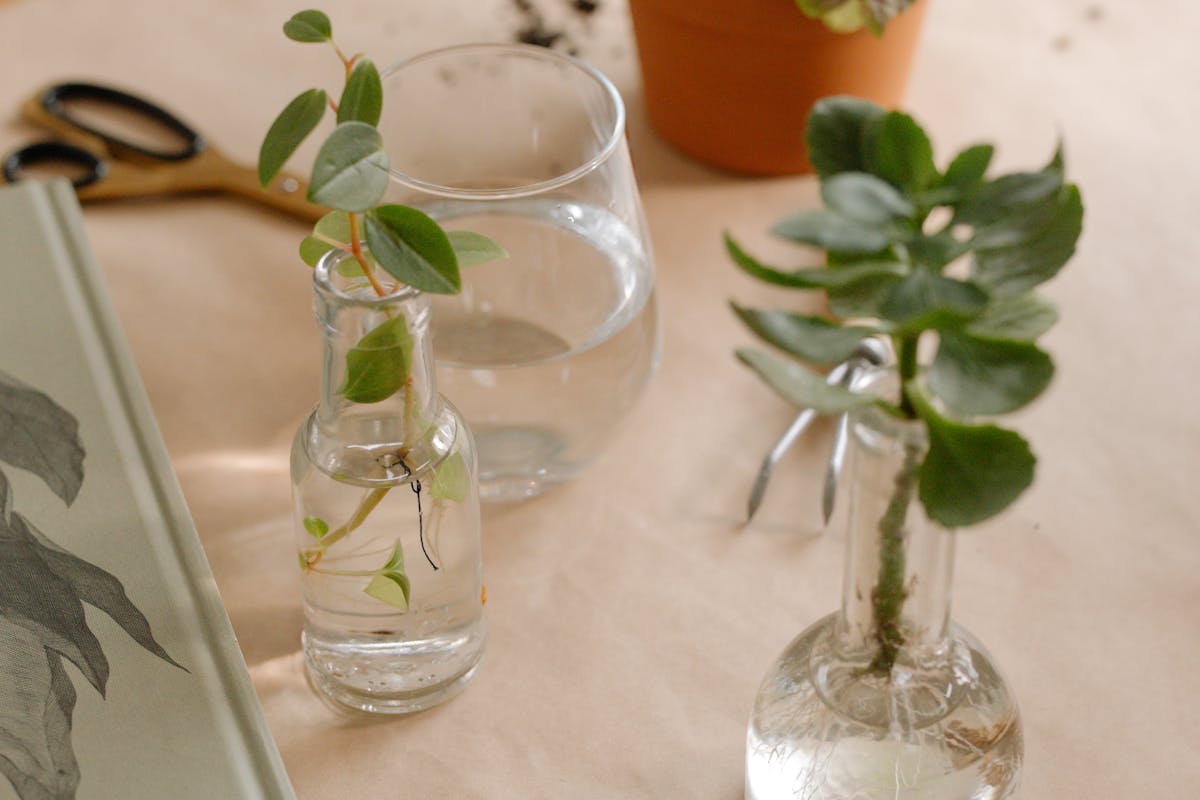
Two methods: division and leaf cuttings. The right choice depends on what you are propagating and whether variegation matters.
Division (Recommended for Variegated Varieties)
Remove the plant from its pot. Identify a clump with its own root structure attached to the rhizome. Cut cleanly through the rhizome with a sharp, sterilised knife. Allow both cut surfaces to dry for 24–48 hours to form a callus — this significantly reduces the risk of rot at the wound site. Pot the new division in fresh cactus mix.
Division produces a fully rooted plant that establishes in weeks rather than months. It is the only propagation method that preserves the variegation in Laurentii, Bantel's Sensation, and similar chimeral cultivars.
Leaf Cuttings
Cut a healthy leaf into sections 5–10 cm long. Allow the cut ends to callus for 24–48 hours. Insert into lightly moist perlite or cactus mix. Keep in bright indirect light at room temperature.
Roots develop in 4–8 weeks. Nothing visible happens during most of this period. The cutting looks exactly the same at week seven as it did at week one. Do not discard it. I have heard from multiple readers who gave up at week six and threw away a cutting that was days away from producing its first root tip — week eight, nothing; week nine, a root system.
The hard limitation on cuttings: leaf cuttings from variegated varieties produce plain green offspring. The yellow margin of Laurentii exists only in the outer cell layer of the whole plant — that chimeral characteristic is not encoded in individual leaf cells. New plants grown from cuttings revert to the base species colouration. This is not an error. It is how this kind of variegation works.
For variegated varieties: always divide.
Common Problems with Sansevieria Trifasciata
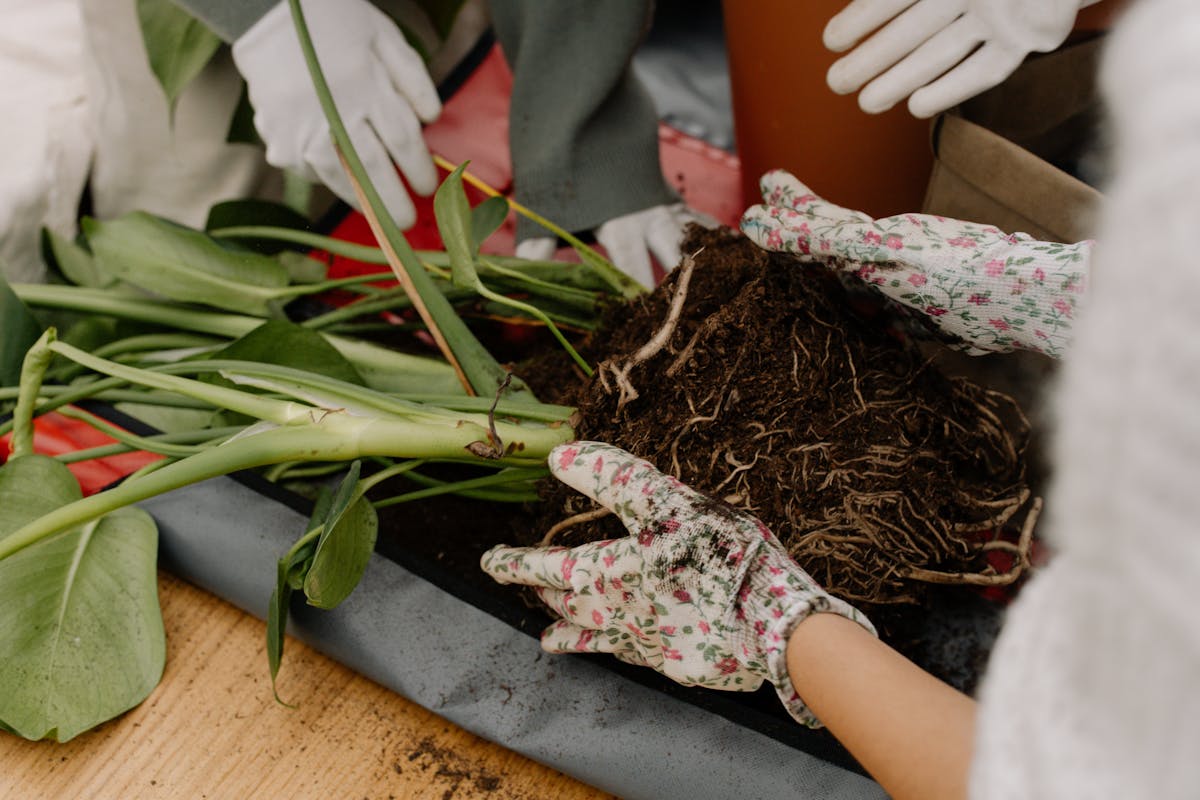
Yellow leaves or soft, mushy base — Almost always overwatering or root rot. Stop watering immediately. If the base is soft and the soil smells foul, remove the plant from its pot and inspect the roots. Cut away any black or mushy root tissue. Let the remaining healthy roots dry for a day, then repot in fresh, dry cactus mix. Do not water for 3–4 weeks. If the root rot has reached the entire root system, the plant may not recover — be honest about that outcome rather than attempting repeated interventions that are unlikely to work. If the discoloration shows up as actual brown spots rather than general yellowing, the Snake Plant Brown Spots guide breaks down how to tell root rot apart from fungal spot, sunburn, and pest damage by the lesion's shape and texture. For the chlorophyll mechanism behind the yellowing itself, and how to tell it apart from normal old-leaf aging, the Why Do Snake Plant Leaves Turn Yellow? guide covers it in full.
Brown leaf tips — Typically fluoride in tap water, low humidity, or minor cold stress. Not an emergency. They will not spread once the cause is addressed. Trim with clean scissors. If it recurs, switch to filtered or rainwater. Brown tips are cosmetic; adjust the cause and move on.
Pale, washed-out leaf colour — Too much direct sun. Move to bright indirect light. The cross-banding becomes more defined and the green deepens once the plant is out of direct exposure.
Slow or no growth — Usually low light or winter dormancy. Growth slowing or stopping in winter (December–February in the northern hemisphere) is completely normal. In spring and summer, a plant that has not grown in 6+ months needs more light.
Leaning leaves — Reaching toward the light source. Rotate the pot 90° every two weeks to encourage vertical, even growth.
Mealybugs and spider mites — Occasional pest issues, more common on stressed or overwatered plants. Treat with neem oil or insecticidal soap applied directly to affected areas. Isolate the plant from others first.
Toxicity
D. trifasciata contains saponins throughout the plant — leaves, roots, and rhizomes. These compounds are mildly toxic to cats, dogs, and humans if ingested.
Symptoms in pets: mouth irritation, drooling, nausea, vomiting, possible diarrhea. Uncomfortable but not life-threatening. If a pet ingests plant material, contact a vet for guidance.
Symptoms in humans: mild gastrointestinal upset if large quantities are consumed. Leaf sap can cause skin irritation in sensitive individuals — wear gloves when propagating or repotting.
The ASPCA lists Dracaena trifasciata as toxic to both dogs and cats. Keep the plant out of reach of pets and small children.
Historical Uses
The common name "viper's bowstring hemp" is not decorative — it describes an actual application. The long structural fibres running through D. trifasciata leaves are strong, flexible, and water-resistant. Across West Africa, these fibres have been extracted for centuries to produce rope, mats, bowstrings, and woven textiles. The fibre quality is comparable to sisal and has been explored as a potential source for sustainable industrial textile production.
Medicinal uses documented in traditional practice include applying leaf sap to infected sores, cuts, and fungal infections in West African communities, where the plant is used to treat ringworm and scabies infections. In South Africa, traditional medicine uses it to treat ear infections.
Cultural Significance
In Nigeria, D. trifasciata is associated with Ògún — the Yoruba orisha of war, iron, and protection. The plant is used in rituals to remove the evil eye. Specimens with yellow-striped leaves are associated with Ọya, the female orisha of storms.
In Brazil, where it is known as espada de São Jorge ("Saint George's sword"), the plant is grown outside homes as spiritual protection against harm. It plays a significant role in Umbanda, the Afro-Brazilian syncretic religion, where it represents the orisha Ogum — syncretised with Saint George. Yellow-edged varieties are called espada de Santa Bárbara and are associated with the orisha Iansã.
One further detail that surprised me: a D. trifasciata is visible on the porch of the farmhouse in Grant Wood's 1930 painting American Gothic — possibly one of the most reproduced artworks in American cultural history. There it is in the background, doing what it always does: quietly existing in a corner without any particular fuss.
The Kew Gardens snake plant profile is the most authoritative botanical reference for the species. For full cultivation data including USDA hardiness zones, soil requirements, and weed potential ratings, the UF/IFAS Extension fact sheet on Sansevieria trifasciata and the PFAF Sansevieria trifasciata database entry are both worth reading in full.
If you have arrived here wondering what to actually do right now: check the soil. Push your finger two inches in. If there is any moisture at all, close the watering can and come back in a week. That single habit resolves the majority of problems people bring to this plant.
Care FAQ
Is sansevieria trifasciata the same as a snake plant?
Yes. Sansevieria trifasciata is the former scientific name for the plant most widely known as snake plant. Its current accepted scientific name is Dracaena trifasciata, after a 2017 reclassification. Other common names include mother-in-law's tongue, Saint George's sword, and viper's bowstring hemp.
What is the difference between Dracaena trifasciata and Sansevieria trifasciata?
There is no difference — they are the same plant. In 2017, molecular phylogenetic studies showed that Sansevieria was genetically nested inside Dracaena, making the two genera taxonomically inseparable. The accepted scientific name is now Dracaena trifasciata. Sansevieria trifasciata is a synonym, still correct in casual use but superseded in botanical taxonomy.
How tall does sansevieria trifasciata grow?
Indoors, Dracaena trifasciata typically grows to 70–90 cm (2–3 feet), though some plants reach up to 1.2 m in optimal conditions. In the wild, plants can reach 2 metres (6 feet). Compact cultivars like Hahnii stay under 25 cm.
Is sansevieria trifasciata toxic to cats and dogs?
Yes. All parts of Dracaena trifasciata contain saponins and are mildly toxic to cats, dogs, and humans if ingested. Symptoms include mouth irritation, nausea, and possible vomiting. It is not considered life-threatening but veterinary advice is recommended if a pet ingests any part of the plant.
How do you propagate sansevieria trifasciata?
Two methods: division (splitting the rhizome) and leaf cuttings. Division is faster and the only method that preserves variegation in cultivars like Laurentii. Leaf cuttings root in 4–8 weeks but produce plain green offspring in variegated varieties — the yellow margins will not be present in the new plants.
Can sansevieria trifasciata grow in low light?
It tolerates low light but does not grow well in it. In a north-facing room with minimal indirect light, growth slows to roughly one inch per year and leaf colour becomes muted. The plant survives but does not actively grow. Bright indirect light for 8–10 hours a day is where it actually performs.
What is sansevieria trifasciata used for?
Primarily as an ornamental houseplant, indoors in temperate climates and outdoors in USDA zones 10–12. Historically, strong fibres from its leaves were made into ropes, bowstrings, and textiles — hence the name viper's bowstring hemp. The 1989 NASA Clean Air Study documented its ability to filter formaldehyde, benzene, and other VOCs from indoor air.