
Do Snake Plant Flowers Produce Seeds?
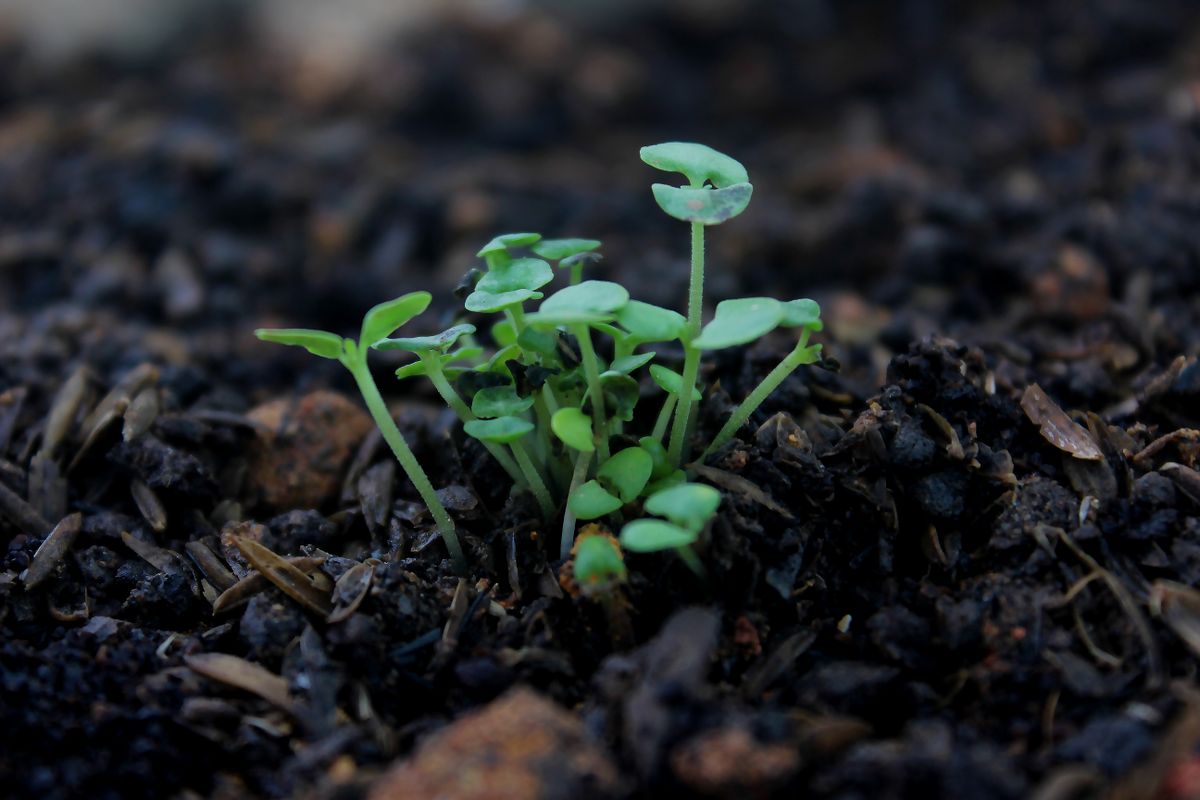
Yes, snake plant flowers can produce seeds — but only if two separate, both-uncommon events happen in order: the plant has to flower, which is rare on its own, and then the flower has to be successfully pollinated, which requires a specific nocturnal moth in the wild or deliberate hand-pollination indoors. Skip either step and there is no seed, no matter how healthy the plant is.
If you are wondering whether your flowering snake plant is about to hand you a batch of free seeds, the honest answer is: probably not, and here is exactly why.
Do Snake Plants Produce Seeds, and What Has to Happen First?
Seed production in this plant follows a strict order, and skipping a step means nothing downstream happens either. First, the plant has to flower — which on its own requires maturity, being slightly root-bound, and decent light, covered in full in the Why Is My Snake Plant Flowering? guide. Second, once flowering, the flower has to actually get pollinated. Only after both of those succeed does a seed have any chance of forming.
That second step is where things usually stall. In the wild, pollination depends on a specific long-tongued, night-flying moth — the What Pollinates Snake Plant Flowers in the Wild? guide covers the evidence for that in full, including why the flower cannot reliably pollinate itself without one. Indoors, with no moth present, that step essentially never happens on its own.
What Does the Berry-to-Seed Process Actually Look Like?
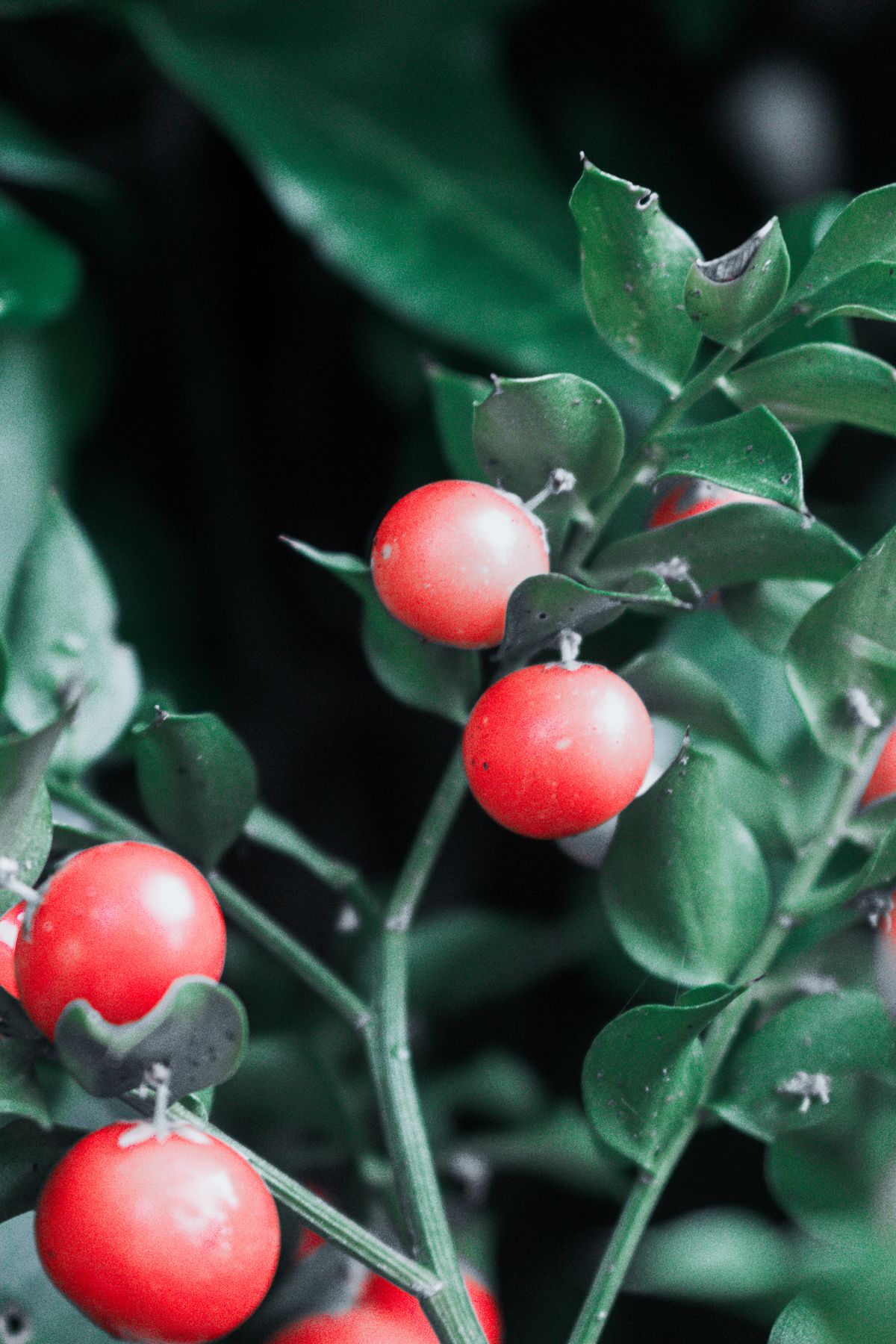
If pollination succeeds, the flower's ovary begins to swell into a small, fleshy berry — green at first, ripening to orange or red. Each flower's ovary has three internal chambers, with a single ovule sitting in each one, a structural detail covered in the Snake Plant Flower Anatomy guide. That means the ceiling for any one flower is three seeds, not a handful — and in practice, many pollinated flowers produce fewer than that, or none, if only some of the three ovules were successfully fertilized.
As the berry matures, it eventually dries and shrivels rather than staying plump. NC State Extension's plant profile for Dracaena trifasciata lists the fruit simply as a berry following the flowers, consistent with what most growers who have gotten this far actually see. The seeds inside are small and round, and are only fully exposed once the dried berry breaks down or is opened.
How Do You Know If a Berry Actually Has a Viable Seed Inside?
Not every berry that forms is a guarantee of a good seed. A berry that developed from a flower where only one of the three ovules was fertilized will still swell and ripen, but it may contain just one small seed, or in some cases an underdeveloped one that never finishes maturing. Weight is the simplest rough indicator: a dried berry that feels solid and slightly heavy for its size is more likely to have a formed seed inside than one that feels papery-light and hollow.
The only way to know for certain is to open a fully dried berry and look. There is no reliable shortcut, and this is exactly why growers who go to the trouble of hand-pollinating will often pollinate several flowers rather than one, accepting that some berries will come up empty or underfilled.
Why Is This So Rare in Practice?
Because both bottlenecks — flowering and pollination — are independently uncommon, and you need both to clear at the same time. A plant can flower every few years and still never produce a single seed if no pollinator ever visits that specific bloom. A plant could theoretically have moths nearby and still not flower for a decade. The two failure points do not cancel each other out; they compound.
This is worth saying plainly: if your snake plant has flowered and you see no berries forming afterward, nothing is wrong with your plant. That is the expected outcome for the overwhelming majority of indoor blooms, not an unusual failure.
Is It Worth Trying to Grow a Snake Plant From Its Own Seed?
Honestly, only if you are curious and not in a hurry. Seed-grown snake plants take noticeably longer to reach a usable size than a division, which starts out already rooted, or a leaf cutting, which roots in 4-8 weeks. Germination from home-collected seed is also inconsistent — some seeds sprout readily, others do not sprout at all, and there is no reliable way to know which is which before trying.
There is one more limitation worth knowing before you bother: named variegated cultivars, like Laurentii, do not reliably reproduce their yellow margins from seed any more than they do from leaf cuttings, since that variegation lives in a specific cell layer rather than in the seed's genetic package the same way leaf shape does. If preserving a specific variegated look matters to you, seed is not the way to get there — division is.
The Bottom Line for Your Own Flowering Plant
If your plant is flowering right now and you are hoping for seeds without lifting a finger, temper that expectation. Nature is not going to hand-deliver a pollinator to your windowsill. If you genuinely want to try, hand-pollination with a small brush between two separate plants is the only realistic path indoors, and even then, expect at most three seeds per flower and no guarantee any of them germinate.
For nearly everyone reading this, the practical move is simpler: skip the seed question entirely and propagate by division instead. It is faster, more reliable, and does not depend on a moth that has never once visited your living room. For the plant's full biology, the Sansevieria Botanical Guide and the Sansevieria Trifasciata guide cover the species this all belongs to, and the Royal Horticultural Society's sansevieria growing guide is a solid general reference if you want a second source on care once flowering is done.
Care FAQ
Do snake plants produce seeds indoors?
Rarely. Indoor snake plants almost never produce seeds on their own, because seed formation requires flowering (already rare indoors) followed by successful pollination by a moth (which is not present in most homes). Without hand-pollination, an indoor bloom will produce nectar and fragrance but essentially never a seed.
How many seeds does one snake plant flower produce?
At most three. Each flower has an ovary with three internal chambers, and each chamber holds a single ovule. If every chamber is successfully fertilized, that one flower produces up to three seeds inside its berry — though in practice, many flowers produce fewer, or none.
What do snake plant seeds look like?
They are small and round, encased inside a fleshy berry that ripens from green to orange or red. The berry eventually dries and shrivels, and the seeds inside are only exposed once the dried berry is opened or breaks down.
Why don't snake plants produce seeds more often?
Because seed production depends on two separate, both-uncommon events happening in sequence: the plant has to flower (rare, especially indoors), and then the flower has to be successfully pollinated (which requires a specific nocturnal moth in the wild, or deliberate hand-pollination indoors). Either step failing means no seed, regardless of how healthy the plant is.
Should I try to grow a snake plant from its own seeds?
Only out of curiosity, not as a practical plan. Seed-grown snake plants take considerably longer to reach usable size than a division or leaf cutting, germination rates are inconsistent, and named variegated cultivars do not reliably come true from seed. Division remains the faster, more predictable way to get a new plant.
Are snake plant seeds toxic?
The berries containing the seeds are part of the same plant that carries saponins throughout its tissue, so the same general caution around ingestion by pets or small children applies. There is no specific data suggesting the seeds themselves carry a different or higher risk than the rest of the plant.