
Snake Plant Bacterial Soft Rot: 6 Deadly Signs & Fixes
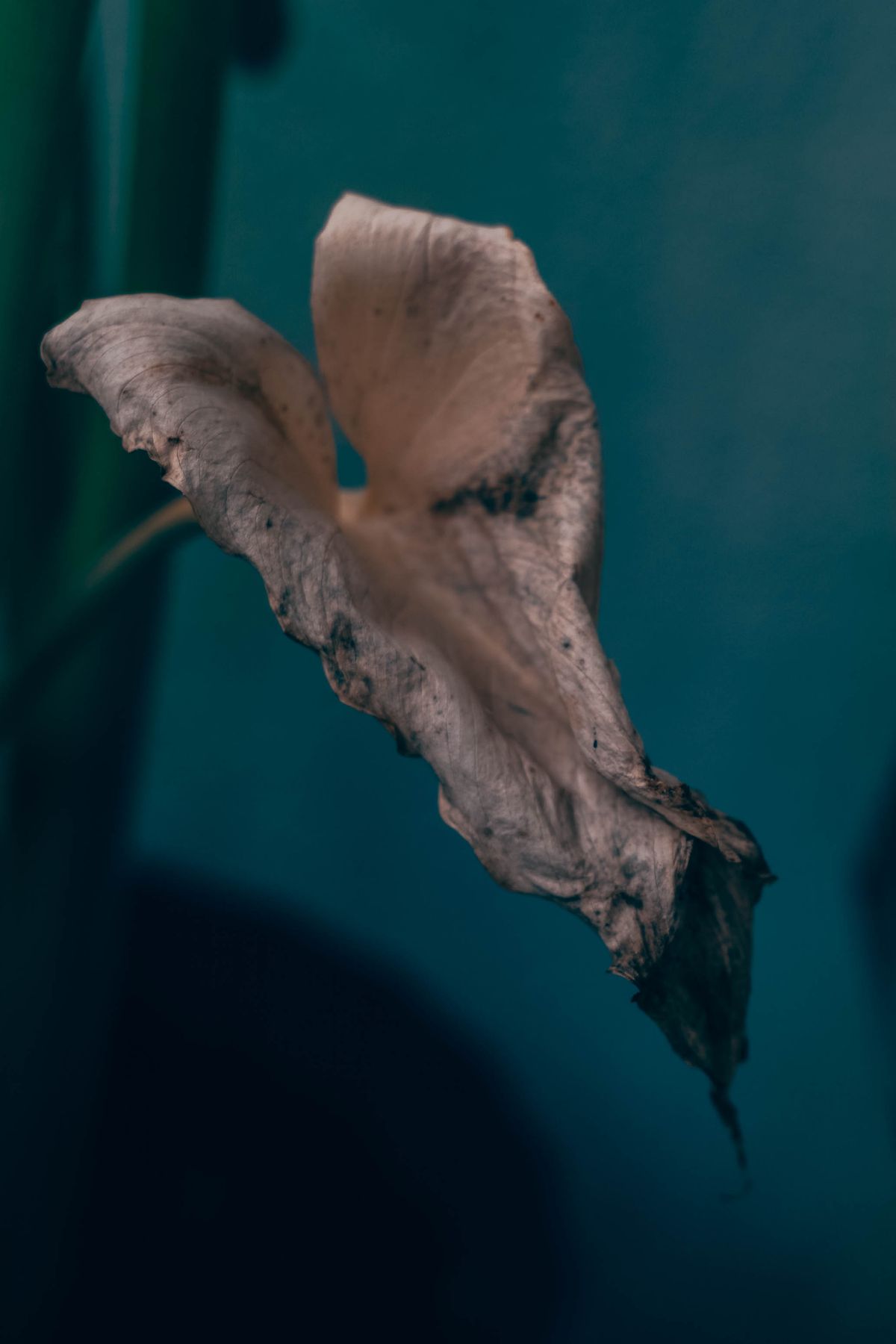
Snake plant bacterial soft rot is a fast, foul-smelling disease that turns firm, sword-like leaves into slimy, water-soaked mush. It shows up as soggy translucent spots, mushy tissue ranging from cream to black, and a strong, disagreeable odor. The culprits are pectin-dissolving bacteria like Pectobacterium (formerly Erwinia), which thrive in warm, wet conditions. There is no cure for infected tissue, but caught early, you can still rescue the healthy parts of the plant.
If a once-stiff, striking snake plant has gone squishy and smelly seemingly overnight, here is exactly what to look for, how to tell it apart from other problems, and how to save what's left.
Snake Plant Bacterial Soft Rot: The Fast Answer
Slimy, stinky, collapsing leaves are the giveaway. Bacterial soft rot happens when soft rot bacteria enter the plant through a wound or natural opening, then multiply in warm, soggy conditions. They release enzymes that break down the "glue" holding plant cells together, so fleshy tissue falls apart into a wet, mushy mess. Three signs confirm it fast: water-soaked spots, squishy tissue, and an unmistakable foul smell. Spot all three together, and quick action makes the difference.
The Decay Biology: How the Bacteria Dissolve Plant Tissue
Bacterial soft rot is, at its core, a chemistry attack on the plant's structure. Plant cells are held together by pectin, a natural glue that binds them into firm, sturdy tissue. Soft rot bacteria produce enzymes that degrade those pectate molecules, dissolving the bonds between cells. As the University of Wisconsin Extension explains, these bacteria "degrade pectate molecules that bind plant cells together, thus causing plant structure to fall apart." Once the glue is gone, the leaf collapses into slime.
A snake plant's thick, succulent, water-filled leaves are exactly the kind of tissue these bacteria target — woody tissue resists them, but soft, fleshy foliage is an easy target. Warmth and moisture accelerate the process: decay runs worst between 70°F and 80°F, and is especially severe where oxygen is limited, such as soggy, waterlogged soil. An overwatered snake plant in a warm room is the perfect setup for rapid decay.
6 Deadly Signs of Bacterial Soft Rot
Rotting tissue has a telltale look and smell. Watch for these six signs.
- Water-soaked spots. The earliest clue — leaves develop glassy, translucent, wet-looking patches that seem darker and soggy, as if soaked through.
- Slimy, mushy tissue. Firm leaves turn squishy and waterlogged; gently squeeze and the tissue gives way into a wet, pulpy mess instead of staying solid.
- Cream-to-black discoloration. As the rot deepens, tissue beneath the spots shifts color, ranging from pale cream to yellow, brown, or black.
- Foul, disagreeable odor. The clearest giveaway — soft rot produces a strong, unpleasant stink as tissue breaks down, often with seepage oozing from cracks.
- Rapid collapse. Unlike slow problems, soft rot spreads fast — a leaf can go from firm to flopped in just a day or two.
- Base rot vs. leaf rot. Rot at the leaf base or soil line is the most dangerous, since it can race into the rhizome and kill the whole plant. Rot starting mid-leaf gives a better shot at saving the base.
Spot two or three of these together, especially the smell, and bacterial soft rot is confirmed.
How to Tell Soft Rot From Other Snake Plant Problems
Bacterial soft rot can look like a few other troubles, but the clues are easy to separate.
Soft rot vs. fungal root rot: both cause mushy, collapsing tissue, but the smell and speed differ. Bacterial soft rot brings a strong, foul, distinctive stink and spreads very fast. Fungal root rot from overwatering develops more slowly, typically starting underground with brown, mushy roots and a more earthy, musty odor — the Why Are My Snake Plant Leaves Soft and Mushy? guide covers that oxygen-starvation mechanism and its own rescue protocol in full.
Soft rot vs. overwatering damage: plain overwatering causes yellowing, soft lower leaves, and a general decline over time. Soft rot is faster, slimier, and much smellier, with signature water-soaked, translucent lesions that ooze.
Soft rot vs. cold injury: a chilled snake plant also turns mushy and translucent, so timing is the clue. Cold damage follows a draft or a cold night and doesn't carry the foul bacterial stench; soft rot follows warm, wet, soggy conditions and reeks.
Match fast spread and foul odor to warm, wet conditions, and the diagnosis clicks into place.
Step-by-Step Rescue and Removal Guide
Saving a plant with soft rot is about speed and clean cuts. The unpotting, cutting, and repotting mechanics follow the same basic pattern as fungal root rot recovery (detailed in the soft and mushy leaves guide), with a few bacteria-specific additions:
- Isolate the plant immediately. Move it away from other houseplants, since the bacteria can spread through contaminated water, hands, and tools — a precaution fungal root rot doesn't require as urgently.
- Unpot and inspect. Examine the leaves, base, roots, and rhizome for firm, healthy, pale tissue versus slimy, discolored rot.
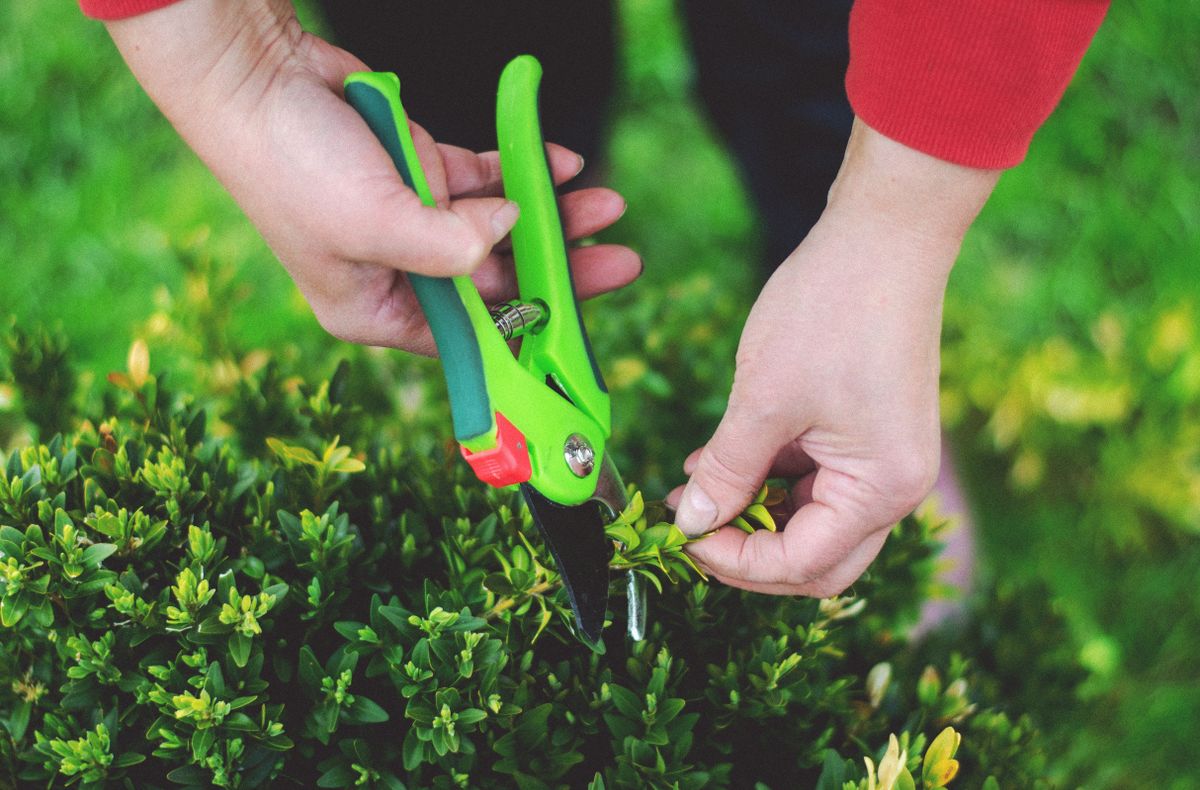
- Cut away all infected tissue. Using sterilized scissors or a knife, remove every mushy, discolored leaf down into clean, firm tissue. When in doubt, cut more, not less.
- Sterilize between every cut, not just once at the start — wipe the blade with 70% alcohol after each slice so bacteria don't travel into healthy tissue.
- Let the cuts dry and callus in open air for a day or two before replanting.
- Repot in fresh, dry cactus mix, never the old contaminated soil, in a clean pot with drainage holes.
- Hold off on watering for several days so wounds stay sealed and bacteria have no wet welcome mat.
Firm, upright new growth is the sign the rescue worked.
Prevention: Keep Soft Rot Away for Good
Start with water. Overwatering and soggy soil are the number-one setup for rot, so let the soil dry out completely between waterings and always use a pot with drainage holes. As Utah State University Extension advises, avoid watering practices that leave soil and plants wet for prolonged periods, and make sure the soil is well-draining.
Skip overhead watering that splashes the leaves, since wet foliage invites trouble — water at the soil line instead. Give plants breathing room too, since wider spacing promotes faster drying of leaves and soil. Handle the plant gently to avoid wounds that let bacteria in, keep tools clean, and inspect new plants before bringing them home.
Why There's No Chemical Cure for Soft Rot
Once bacterial soft rot has infected tissue, there is no spray, drench, or chemical that cures it. The University of Wisconsin Extension is blunt about this: "Once soft rot bacteria have infected plant tissue, there are no treatments." No fungicide works, because this is a bacterial disease, not a fungal one — unlike a disease such as anthracnose, which sometimes responds to a fungicide after infected material is removed. For bacterial soft rot, the only path forward is physical removal of every infected part, cutting back to clean, healthy tissue before the rot spreads further.
Just as important is what happens to the infected material. Do not compost it, and don't bury it in the garden — composting can let the bacteria survive and spread to other plants later. Instead, seal the rotted tissue in a bag and throw it in the trash. Wash hands with soap and water afterward, especially before touching other plants.
Tool Sterilization Protocol That Stops the Spread
Clean tools are the difference between saving one plant and infecting a whole collection. Soft rot bacteria hitch rides on contaminated blades, so sterilizing scissors or a knife is essential before, during, and after cutting. The University of Wisconsin Extension recommends treating tools for at least 30 seconds with either 10% bleach or, preferably, 70% alcohol, which is less corrosive to blades. Rubbing alcohol and many spray disinfectants already contain roughly 70% alcohol, making them suited to the job.
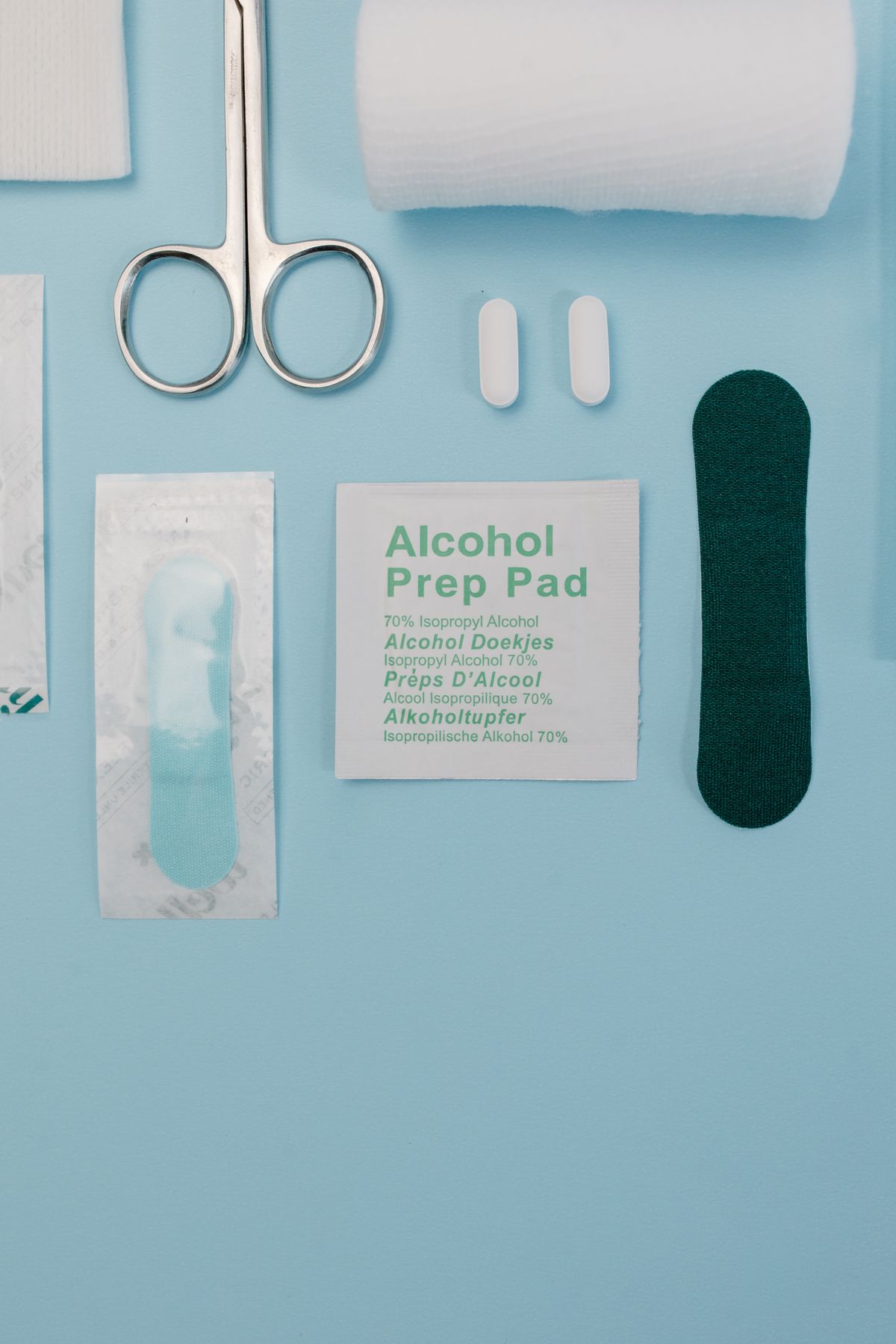
- Sanitize before starting. Wipe or soak the blade in 70% alcohol for at least 30 seconds.
- Disinfect between every cut. Re-sterilize after each slice into rotted tissue so bacteria never carry into healthy parts.
- Clean up when finished. Sanitize tools again after the job, and wash hands with soap and water.
- Skip the wet reuse. Let blades dry before storing to discourage any lingering bacteria.
Thirty seconds of cleaning protects an entire houseplant shelf.
Snake plant bacterial soft rot looks and smells alarming, with that slimy, water-soaked, foul-smelling collapse, but quick, decisive action can still save the plant. This pectin-dissolving disease races through warm, wet, fleshy tissue, so there's no chemical cure, only fast physical removal: isolate the plant, cut every rotted part back to firm tissue with tools sterilized in 70% alcohol, let the cuts dry, and repot clean pieces in fresh, dry cactus mix. Prevent a repeat by watering lightly, ensuring good drainage, and keeping tools clean. Spot the six signs early, act fast, and a tough, sword-like snake plant can bounce back for years to come.
Care FAQ
What does bacterial soft rot look like on a snake plant?
Bacterial soft rot shows as glassy, water-soaked spots that quickly turn slimy and mushy, with tissue discoloring from cream to yellow, brown, or black. The clearest confirmation is a strong, foul odor, often with seepage oozing from cracks. The rot spreads fast, collapsing firm leaves into a wet mess within a day or two.
Can a snake plant recover from bacterial soft rot?
Yes, but only the healthy tissue can be saved, since infected tissue cannot be cured. Move fast: isolate the plant, cut away every mushy, discolored part with sterilized tools back to firm tissue, let the cuts dry, and repot clean pieces in fresh, dry cactus mix. If the rhizome is still firm, the plant has a strong chance.
How is bacterial soft rot different from root rot?
Both cause mushy, collapsing tissue, but soft rot brings a strong, foul stench and spreads very fast, often above the soil with water-soaked, oozing lesions. Fungal root rot develops more slowly underground, with brown, mushy roots and a more musty, earthy smell. The fast spread plus that distinctive foul odor points to bacterial soft rot.
How do I prevent bacterial soft rot in my snake plant?
Avoid overwatering above all else, and always use well-draining cactus mix in a pot with drainage holes. Let the soil dry completely between waterings, skip overhead watering that wets the leaves, and space plants for good airflow. Handle the plant gently to prevent wounds, and sanitize tools before use.
Is there a cure or spray for bacterial soft rot?
No, there is no chemical cure once tissue is infected. Fungicides do not work because this is a bacterial disease, not fungal. The only effective action is physically removing all infected tissue with sterilized tools, then discarding it in the trash, never composting it.
How do I sterilize my tools to stop soft rot from spreading?
Treat scissors or a knife for at least 30 seconds with 70% alcohol or 10% bleach, following University of Wisconsin Extension guidance. Alcohol is preferred since it is less corrosive to blades. Sanitize before starting, between every single cut into rotted tissue, and again when finished, then wash hands with soap and water.