
Why Are My Snake Plant Leaves Soft and Mushy?
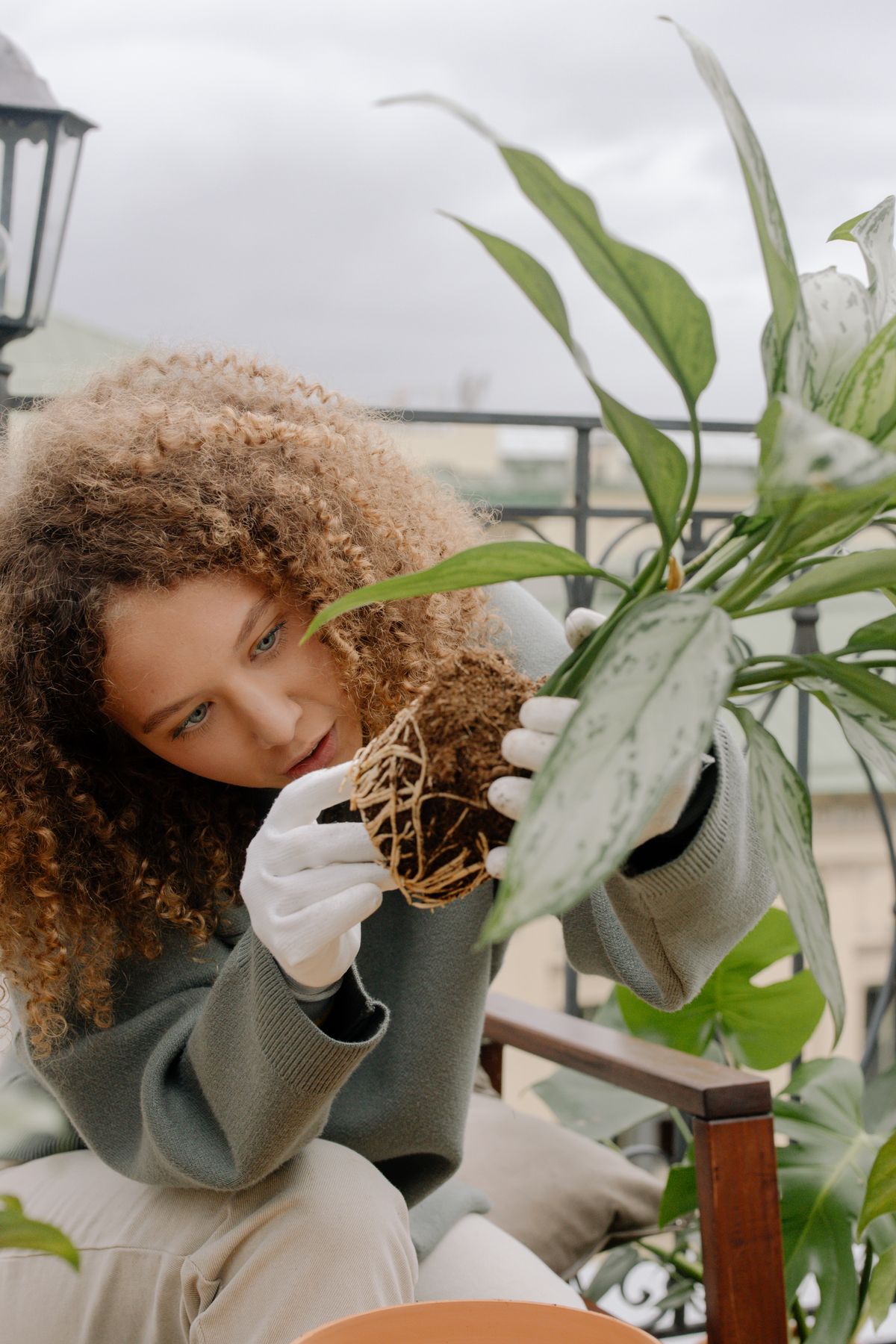
Soft, mushy snake plant leaves mean root rot has already started, almost always from overwatering. Waterlogged soil suffocates the roots, they die from lack of oxygen within days, and soil fungi or bacteria already present move into the dead tissue and break it down — a process that spreads upward into the leaf base. Stop watering immediately, then assess how much of the root system is still salvageable.
Soft, mushy leaves are a different kind of problem than a wrinkled or curled one, and it is worth being clear about that difference before doing anything else. (If the mushy tissue is also showing distinct discolored spots rather than uniform softness, the Snake Plant Brown Spots guide covers that related but separate diagnostic pattern.)
Why Are Snake Plant Leaves Soft and Mushy in the First Place?
The short version: the roots have died, and the leaf tissue connected to them is dying too. This is not the plant conserving water on purpose — it is tissue breakdown. Overwatering is the cause in the overwhelming majority of cases, specifically soil that has stayed wet long enough that the root system suffocates and begins to decay, with that decay then working its way up into the base of the leaves.
The Actual Mechanism: Why "Mushy" Is a Different Problem Than "Wrinkled"
This distinction matters more than most guides make clear. A wrinkled leaf is living tissue, deliberately drawing down its own internal water-storage cells — a controlled, reversible response. A soft, mushy leaf is the opposite: the cells themselves have died and their structure has collapsed, releasing their contents and turning the tissue soft rather than firm. One is the plant managing a drought on purpose. The other is decay actually happening.
That is also why the fix is opposite in each case. Wrinkling calls for a thorough watering. Mushy tissue calls for the complete opposite: stop watering immediately, because more water is actively feeding the process that is killing the plant.
Why Does Waterlogged Soil Kill the Roots?
Roots need oxygen just as much as they need water — they respire, using oxygen to generate the energy required to actually take up water and nutrients. In soil that stays saturated, the air pockets between soil particles fill with water instead of air, and the roots are effectively suffocated. Root death from oxygen starvation can begin within days of consistently wet soil, well before any fungus or bacteria gets involved.
This is exactly why fast-draining cactus mix matters so much for this plant, and why a pot with no drainage hole is genuinely dangerous rather than a minor inconvenience — it removes the option for the soil to ever return that oxygen-rich air layer between waterings.
What Actually Causes the Rot Once the Roots Are Dead
Once root tissue has died from lack of oxygen, opportunistic organisms already present in almost all soil — most commonly water molds in the genus Pythium — move into the dead tissue and accelerate its breakdown. Research from UC ANR's Statewide IPM Program on Pythium root rot notes that this pathogen spreads through motile spores that travel through waterlogged soil but cannot survive in dry conditions — which is precisely why keeping the root zone dry between waterings starves out the organism along with preventing the oxygen problem in the first place. Certain bacteria can be involved as well, particularly in more advanced cases with a stronger smell, though that specific bacterial process is its own separate topic.
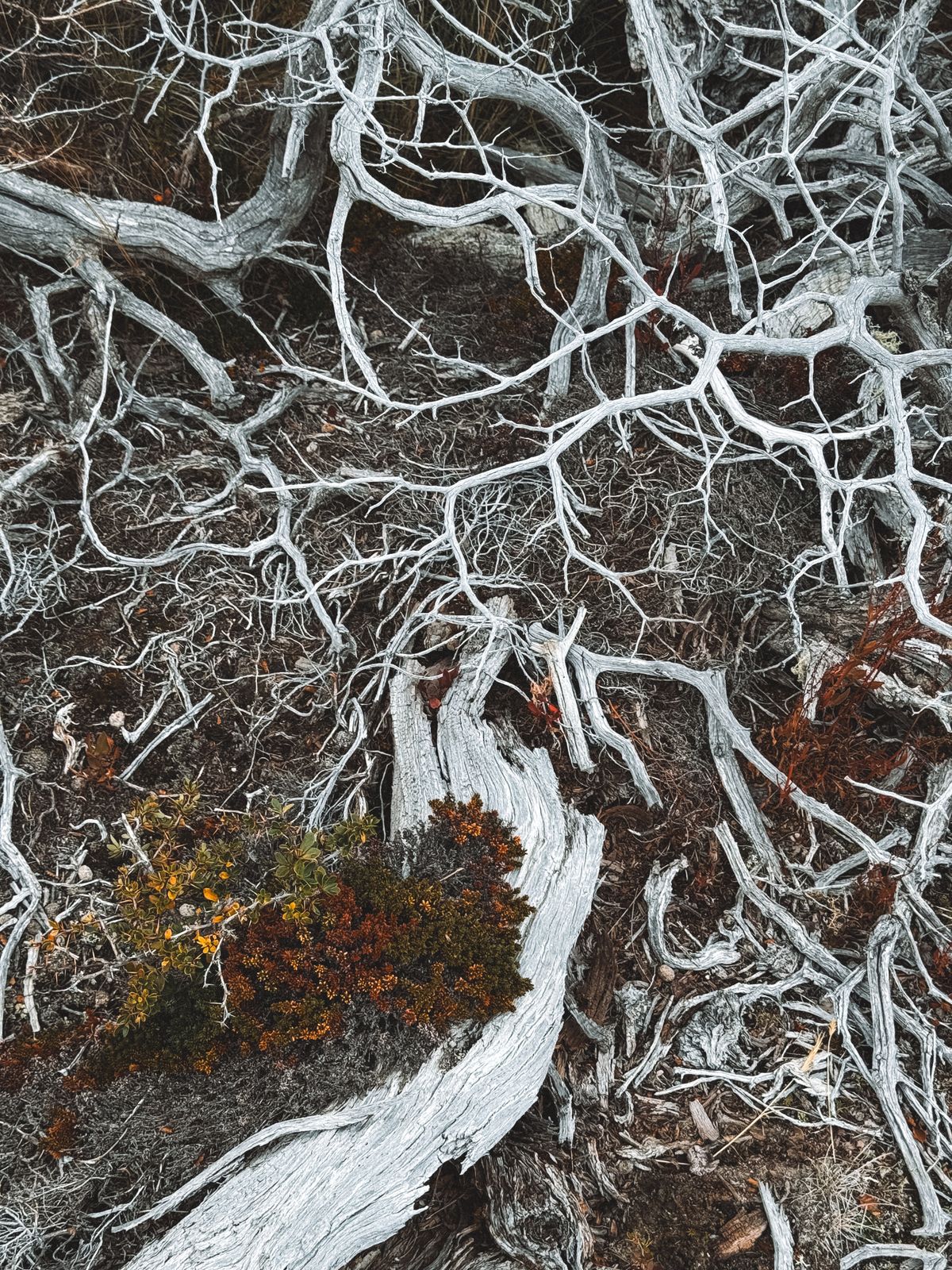
The practical point: the rot is a consequence of the oxygen problem, not an independent disease that shows up on its own. Fix the moisture and drainage, and there is nothing left for the opportunistic organisms to exploit.
How Do You Tell Rot Apart From Other Causes of Softness?
Root rot has a recognizable pattern: it starts at the base of the plant or the lowest, oldest leaves, spreads upward rather than staying isolated, and is often accompanied by a faintly foul smell along with visibly dark, soft tissue right where the leaf meets the soil. If you press gently and the tissue gives way with no resistance, that is consistent with rot.
Compare that to an isolated soft spot on an otherwise firm leaf, with no smell and no spread to nearby leaves — that pattern points more toward a specific mechanical injury or a cold-damage incident rather than an active, ongoing rot. Location and spread matter as much as the softness itself.
The Full Rescue Protocol
Stop watering the moment you notice this — that single step is free and it is the most important one. Then:
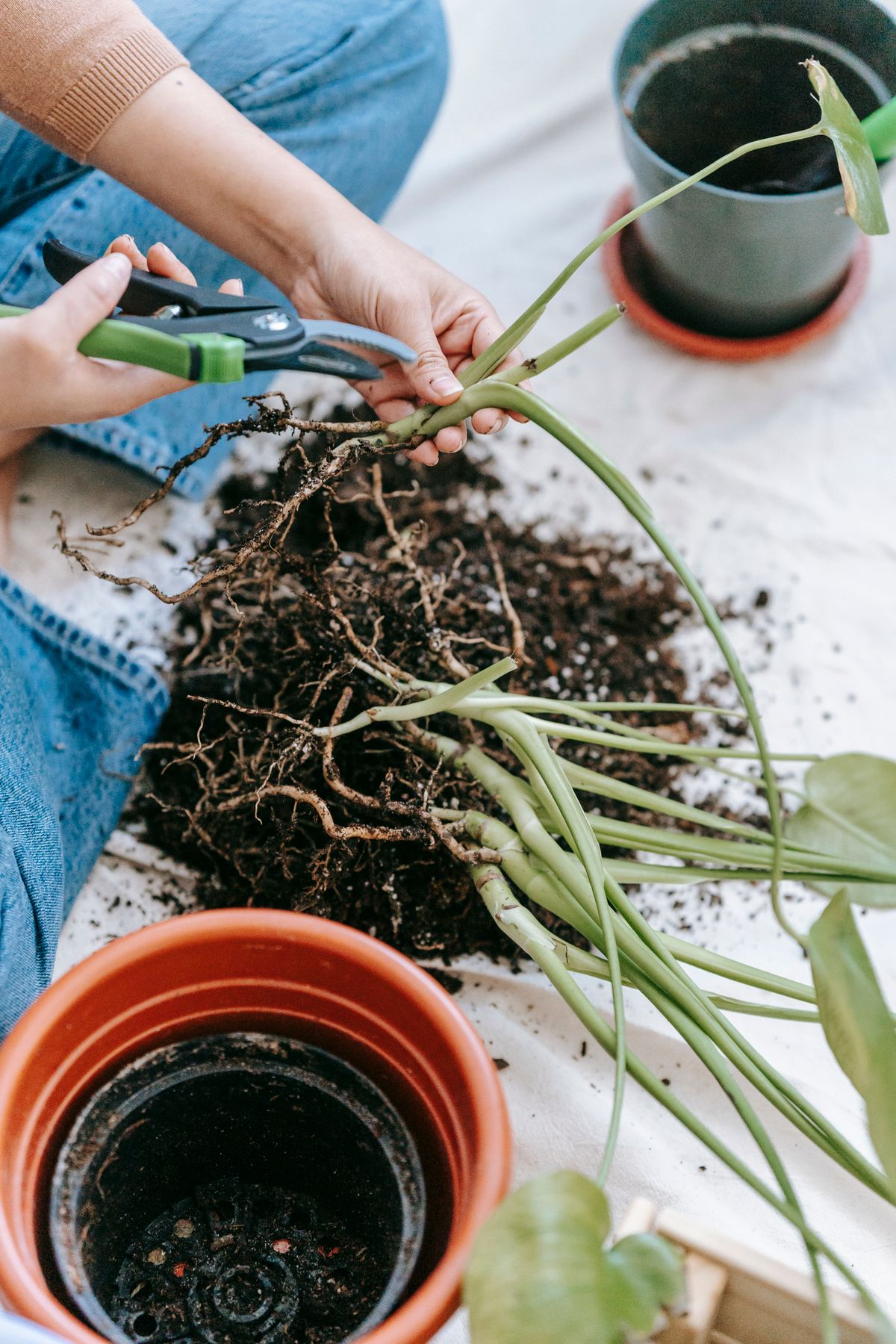
- Remove the plant from its pot entirely. Do not just add drainage or wait and see.
- Inspect every root and any exposed rhizome. Healthy tissue is firm and pale. Rotted tissue is dark, soft, and often has that faint foul smell.
- Cut away all soft or black tissue with a clean, sterilized blade, cutting back into firm healthy tissue with a visible margin, not right at the edge of visible damage.
- Let the cut surfaces air-dry for 24 hours before doing anything else.
- Repot in fresh, completely dry cactus mix, in a pot no larger than needed for the remaining root system.
- Do not water for 3-4 weeks after repotting, regardless of how dry the soil looks in the meantime. The cut surfaces need that time to callus and the reduced root system needs time to establish before it can handle moisture again.
When Is It Too Late to Save the Plant?
Be honest about this rather than attempting repeated interventions that will not work. If the rot has reached the rhizome extensively — the underground structure connecting all the leaf clusters — and there is little or no firm, healthy tissue left to cut back to, the plant likely cannot be saved as a whole. In that situation, check whether any individual leaf near the top is still fully firm; if so, a leaf cutting from that healthy tissue is sometimes the only thing worth salvaging, a process the Sansevieria Propagation guide covers in full. For the fuller picture of the rhizome and root architecture this rot is destroying, the Sansevieria Plant Botanical Guide covers the underlying anatomy, and the Sansevieria Trifasciata guide covers this species specifically.
If you are looking at a soft, mushy leaf right now: stop watering, unpot the plant today, and find out how much healthy tissue is actually left before deciding what comes next.
Care FAQ
Why are my snake plant leaves soft and mushy?
Soft, mushy leaves mean root rot has already taken hold, almost always from overwatering. Waterlogged soil suffocates the roots, they die from lack of oxygen, and fungi or bacteria already present in the soil move in and break down the dead root and rhizome tissue, which then spreads to the leaf base.
Is soft and mushy the same problem as wrinkled or curled leaves?
No, and the distinction matters. Wrinkled and curled leaves are living tissue conserving water — the plant using its own reserves deliberately. Soft and mushy leaves are dying tissue breaking down from rot. One is a controlled response; the other is active decay. They require opposite responses: water for the first, stop watering entirely for the second.
Can a snake plant recover from soft, mushy leaves?
Often yes, if the rot is caught before it has spread through most of the root system. Remove the plant, cut away all soft or black tissue back to firm, healthy material, let the cuts dry for 24 hours, and repot in dry cactus mix without watering for 3-4 weeks. If most of the roots and rhizome are already gone, the plant may not survive.
How do I know if it is root rot and not something else?
Root rot typically starts at the base of the plant or the lowest leaves and spreads upward, often with a faintly foul smell and visibly soft, dark tissue where the leaf meets the soil. Softness confined to one isolated spot on an otherwise firm leaf, with no smell, points toward mechanical damage or cold injury rather than rot.
What causes root rot in snake plants specifically?
Waterlogged soil blocks oxygen from reaching the roots, and roots that cannot get oxygen die within days. Once dead, common soil organisms — water molds like Pythium and certain bacteria — move into the already-dead tissue and accelerate the breakdown. The rot is a secondary event that follows oxygen starvation, not the original cause.
Should I water a snake plant with soft, mushy leaves?
No. Stop watering immediately. This is the single most important step and it is free. Continuing to water a plant with active root rot accelerates the damage. Unpot the plant, assess the roots, and do not water again until you have repotted in dry soil and let it sit dry for at least 3-4 weeks.