
Why Do Snake Plant Leaves Become Wrinkled?
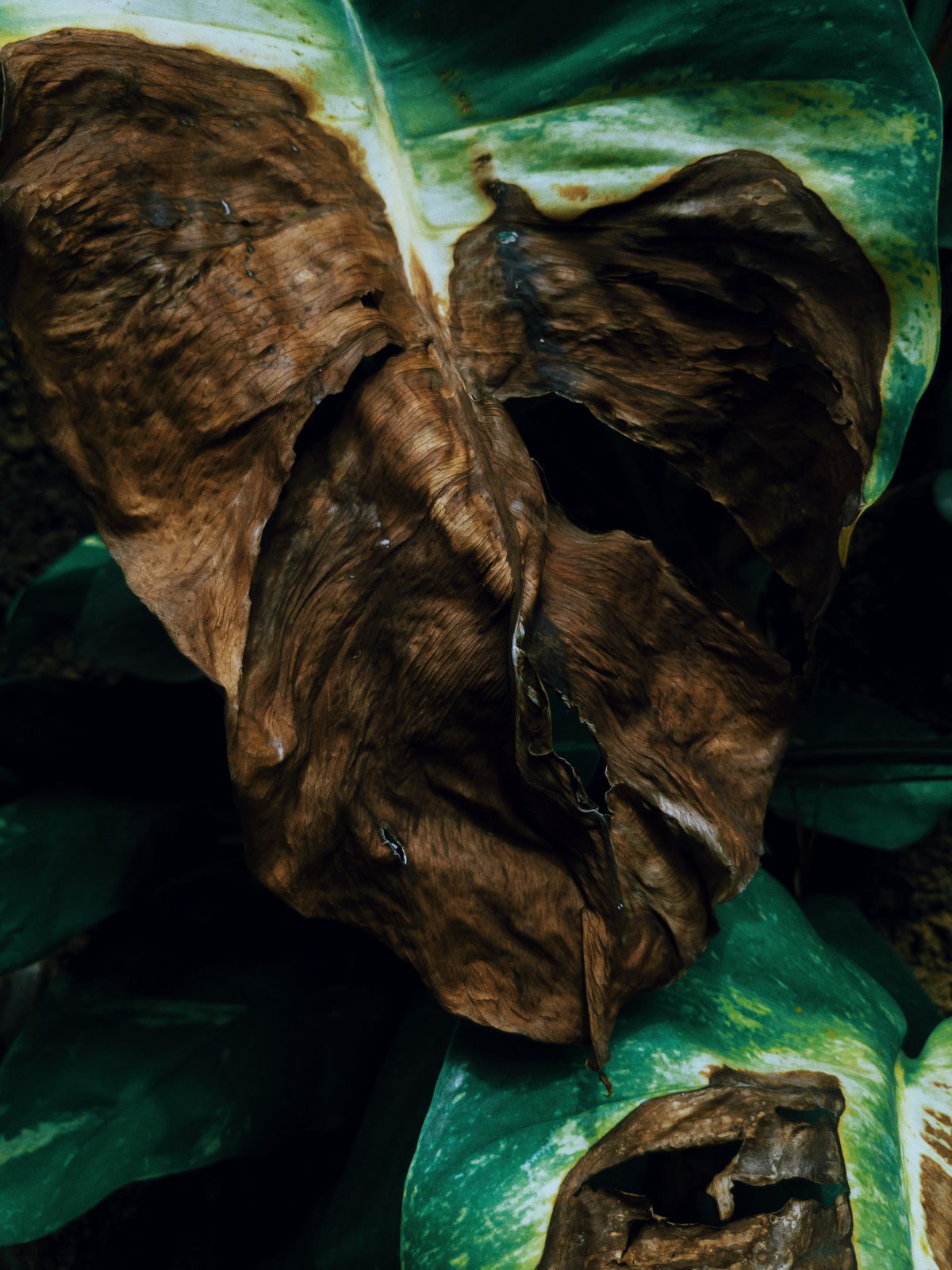
Snake plant leaves wrinkle when the hydrenchyma — a specific internal layer of water-storage cells — loses enough internal pressure that the leaf surface develops creases instead of staying smooth. This is almost always a sign of underwatering, and the mechanism is more specific than most guides describe: this tissue has structural cell-wall reinforcement that controls how it collapses, which is why sansevieria wrinkles in a gradual, contained way rather than wilting outright the way a soft-stemmed houseplant does.
If a leaf on your snake plant has started developing creases and looks slightly deflated, that is the plant drawing down an internal water reserve it built specifically for this situation — not a sign of damage happening to it. (If the leaf is instead rolling at the edges rather than developing surface creases, the Snake Plant Leaves Curling Inward guide covers that related but distinct symptom.)
Why Do Snake Plant Leaves Become Wrinkled in the First Place?
Beneath the leaf's outer waxy cuticle sits a layer of specialized water-storage tissue called hydrenchyma — cells whose main job is holding water in reserve, not photosynthesizing. Internal water pressure in these cells, called turgor, is what keeps the leaf surface smooth and firm. When the plant draws on that reserve during a dry spell faster than it is being replaced, the cells lose volume, turgor drops, and the leaf surface creases rather than staying taut. That is wrinkling.
The Actual Mechanism: What Makes This Different From Ordinary Wilting
Here is the detail most care guides skip entirely. Structural studies of sansevieria leaf anatomy have found that the water-storage cells in this hydrenchyma layer carry secondary cell wall bands — reinforced strips of cell wall that restrict how, and in which direction, the cells are allowed to shrink as they lose water. Rather than collapsing randomly, the way an unsupported cell would, these bands guide the shrinkage into a controlled, gradual pattern.
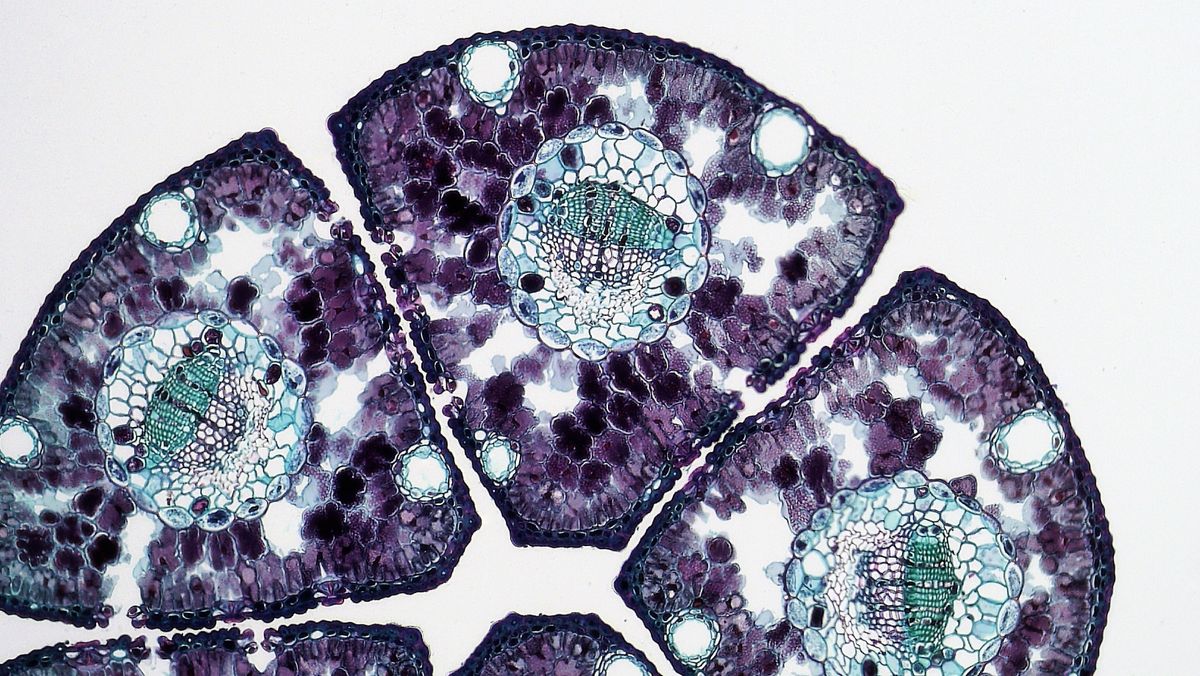
That is the real reason a dehydrated snake plant wrinkles instead of flopping over the way a fern or a peace lily wilts. The leaf's overall rigidity comes from separate structural fibers, covered in the Sansevieria Morphology guide, which hold the leaf upright regardless of internal water pressure. The hydrenchyma losing turgor happens underneath that rigid framework, producing surface wrinkling rather than a structural collapse. Two different tissues, doing two different jobs, and only one of them is affected by drought in this specific way.
Underwatering: The Main Cause
This is the trigger behind the overwhelming majority of wrinkling cases, and it typically shows up alongside a pot that has clearly gone dry for longer than the usual interval — every 2-6 weeks in spring and summer, every 4-8 weeks in winter. The hydrenchyma has been drawn down further than a normal watering gap would cause.
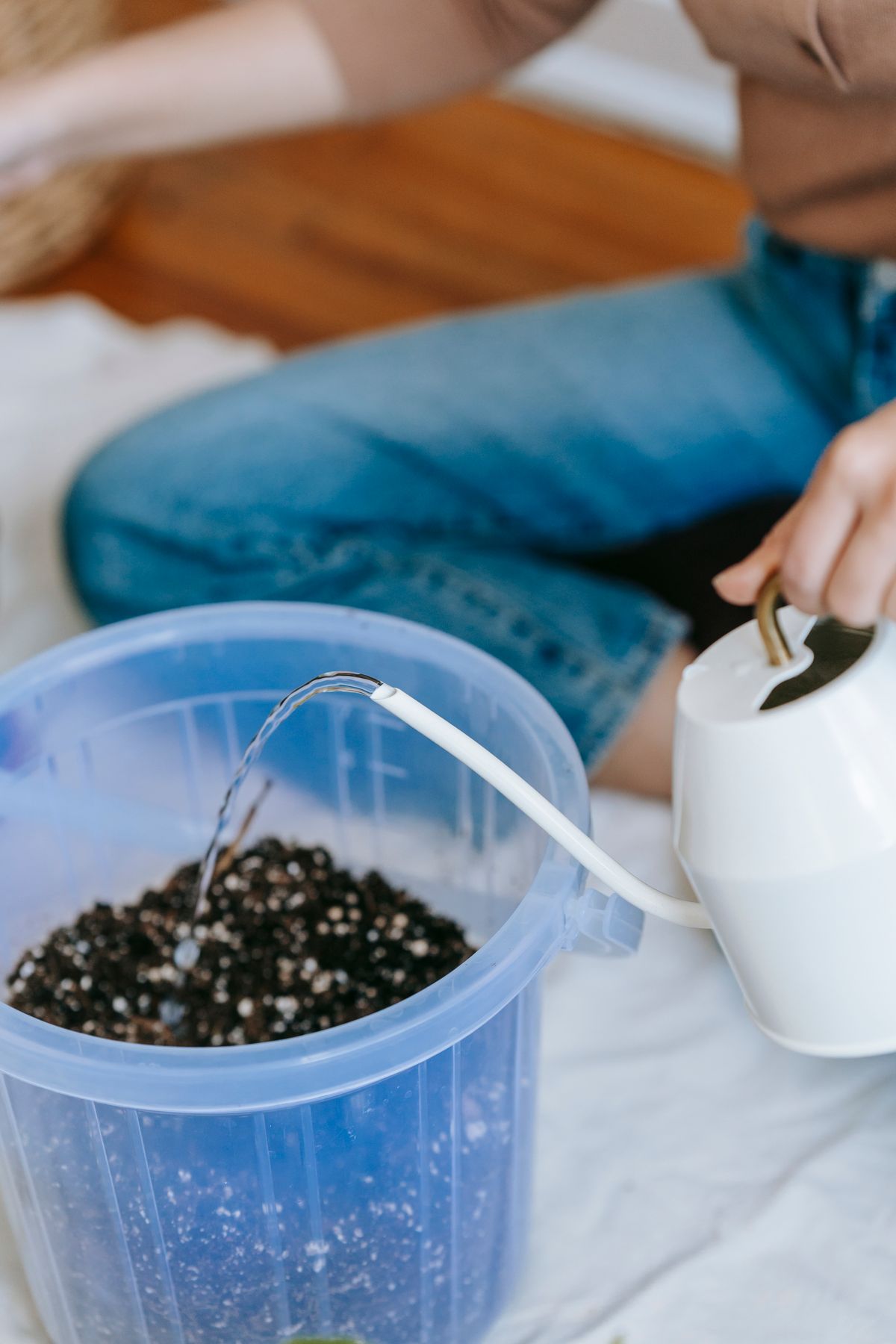
The fix is a thorough soak, not a light top-up. Water until it runs from the drainage holes, let it drain completely, and give the leaf a few days. Improvement in firmness typically appears within 2-3 days — the storage cells refill quickly once water reaches the roots. NC State Extension's plant profile for Dracaena trifasciata lists the same 2-6 week interval as standard care, which is the range worth returning to once the leaf has firmed back up.
One honest note: do not respond to a single wrinkled leaf by watering again a few days later just because it has not fully flattened out yet. That impatience is how a drought response turns into the far more damaging overwatering problem. Give it the full 2-3 days before deciding anything else is needed.
Can Overwatering Cause the Same Symptom?
Yes, and this is worth checking before assuming dry soil is the only explanation. If root rot has already damaged a significant portion of the root system, the plant cannot take up water even when the soil is visibly wet — the roots simply are not functional enough to move it. The leaves wrinkle from genuine internal dehydration despite soggy soil. Check the base of the plant for softness or a foul smell before watering again; if you find either, the Sansevieria Rhizome Division guide covers how to assess and cut back damaged rhizome and root tissue.
Why Does Wrinkling Often Start at the Base of the Leaf?
The base is typically the oldest tissue on that leaf and sits closest to the rhizome — the underground structure the plant draws on to support new growth elsewhere. During a drought, water gets reallocated toward active growing points first, which means older tissue near the base is often the first to show the reserve running low. Wrinkling starting at the base rather than the tip is consistent with this internal prioritization, not a sign of anything unusual happening specifically at that location.
Will a Wrinkled Leaf Ever Look Normal Again?
Often, yes, if it has not been going on for too long. A leaf that has only recently started wrinkling typically firms back up within 2-3 days of a thorough watering, since the hydrenchyma refills quickly. A leaf that has been wrinkled for many weeks, on the other hand, may not fully flatten out even once watering resumes — the tissue has been depleted long enough that full recovery is less reliable, though the leaf usually survives and continues functioning.
Either way, do not remove a wrinkled leaf on the assumption it is failing. It is actively serving its purpose as a water reservoir, and cutting it off removes reserves the rest of the plant may still be drawing on. If the wrinkling is instead paired with visible spots or discoloration, the Snake Plant Brown Spots guide covers those diagnostic patterns separately.
If you have a wrinkled leaf right now: check the soil two inches down first. If it is dry, water thoroughly and check back in three days. If it is wet, check the base of the plant for softness before watering again — you may be looking at a root problem, not a drought one. This response is specific to Dracaena trifasciata, covered fully in the Sansevieria Trifasciata guide, and the Sansevieria Plant Botanical Guide ties this water-storage behavior into the plant's wider CAM biology. The Royal Horticultural Society's sansevieria growing guide is a solid second reference for general watering practice.
Care FAQ
Why are my snake plant leaves wrinkled?
Wrinkling means the hydrenchyma — a layer of water-storage cells inside the leaf — has lost enough internal water pressure (turgor) that the leaf surface develops creases rather than staying smooth and firm. It is almost always caused by underwatering, though overwatered plants with damaged roots can show the same symptom despite wet soil.
Is wrinkling the same as curling on a snake plant?
No, though they are related and often appear together. Wrinkling is the leaf surface developing creases and a deflated look as internal water-storage tissue empties, while the leaf stays roughly the same overall shape. Curling is the leaf margins actively rolling toward the center. Severe dehydration typically produces wrinkling first, with curling following if water loss continues.
Why does my snake plant leaf wrinkle at the base first?
The base of the leaf is usually the oldest tissue and sits closest to the rhizome, where water is drawn from first to support new growth elsewhere on the plant during a drought. Wrinkling starting at the base rather than the tip is consistent with this internal water reallocation, not random damage.
Can overwatering cause wrinkled leaves too?
Yes, indirectly. If root rot has damaged enough of the root system, the plant cannot take up water even when the soil is wet, and the leaves wrinkle from internal dehydration despite soggy soil. Check the base of the plant for softness or a foul smell before assuming dry soil is the only possible explanation.
How long does it take for a wrinkled snake plant leaf to firm back up?
Typically 2 to 3 days after a thorough watering, for leaves that have not been severely depleted for an extended period. The water-storage cells refill quickly once water is available. A leaf that has been wrinkled for many weeks may not fully flatten out even with correct watering afterward.
Should I cut off a wrinkled snake plant leaf?
No, not unless it is also soft, discolored, or clearly dying. A wrinkled leaf is actively drawing on its own stored reserves and is doing exactly what it evolved to do. Removing it removes a working water reservoir the plant may still need. Water the plant and give it a few days before judging whether the leaf will recover.