
Why Do Snake Plant Leaves Curl Inward?
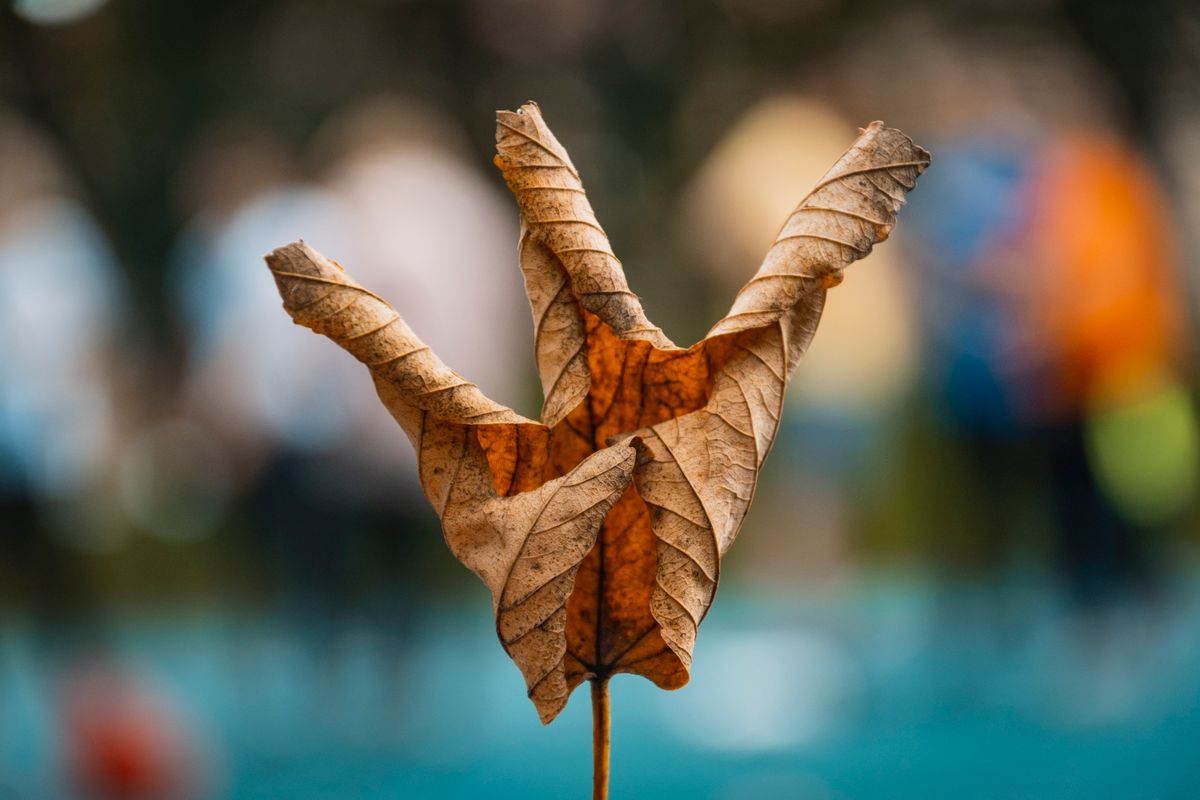
Snake plant leaves curl inward — rolling their edges toward the center rather than staying flat — as a defensive response to losing water faster than the plant can replace it. The three real triggers are drought stress from underwatering, excessive direct light or heat accelerating water loss, and cold stress from drafts or low temperatures. This is a deliberate water-conservation mechanism, not random damage, and it rarely means the plant is dying.
If a leaf on your snake plant has started rolling in on itself like a small green scroll, that is not a random deformity. It is the plant actively doing something specific to hold onto water. (If the leaf is also developing discolored spots rather than just curling, the Snake Plant Brown Spots guide covers that separately, since spotting and curling usually point to different causes.)
Why Do Snake Plant Leaves Curl Inward Specifically?
Direction matters here, and it is worth being precise about it. Inward curling — the leaf margins rolling toward the center, sometimes tightening into a narrow tube — is a defensive drought response. It is a different symptom from a leaf drooping, sagging, or curling outward and downward, which points more toward overwatering and a compromised root system rather than active water conservation. If your leaves are folding inward and otherwise still firm, you are looking at the pattern this guide covers. If they are going soft and flopping outward instead, that is a separate issue worth checking against root health rather than the drought-response mechanism described here.
It is also worth distinguishing curling from a related but different symptom: wrinkling. A wrinkled leaf stays essentially flat but develops surface creases and a slightly deflated look as the internal water-storage tissue empties out — the leaf shrinking in volume rather than folding its edges. Curling and wrinkling often show up together on a severely dehydrated plant, but they are two separate physical responses, not the same thing described two ways. The Why Do Snake Plant Leaves Become Wrinkled? guide covers that mechanism specifically, including why this plant wrinkles in a controlled way rather than wilting outright.
The Actual Mechanism: Why Curling Conserves Water
Rolling the leaf margins inward reduces the exposed leaf surface directly in contact with dry air, which cuts down on water loss through the leaf surface at exactly the moment the plant can least afford to lose more. This is the same underlying logic behind the plant's other drought adaptations — the thick waxy cuticle and the water-storage tissue beneath it, both covered in the Sansevieria Morphology guide — just deployed as an active, reversible response rather than a fixed structural feature. It also runs on the same nighttime-first biology as the plant's CAM photosynthesis, which already minimizes water loss by keeping stomata closed during the day. Curling is not damage occurring to the leaf. It is the leaf doing something on purpose.
Underwatering and Drought Stress: The Primary Cause
This is the most common trigger by a wide margin, and it usually shows up alongside other drought signs — leaves that feel thinner or slightly wrinkled, a pot that has clearly gone bone dry, or a watering gap noticeably longer than the usual 2-6 week interval in spring and summer. The plant is conserving what water remains in its tissue rather than losing more through fully exposed leaf surface.
The fix is a thorough watering, not a light sprinkle. Soak the soil fully and let it drain completely. Improvement in leaf firmness typically appears within 2-3 days, though the curl itself may not fully relax even once hydration is restored, particularly if it has been curled for more than a few days.
One honest caveat worth stating plainly: a single curled leaf on an otherwise healthy, actively growing plant is rarely worth troubleshooting aggressively. Check the soil, water if it is genuinely dry, and move on. Overcorrecting — watering again a few days later just because the curl has not fully relaxed — is how a drought response turns into an overwatering problem.
Too Much Direct Light or Heat
Excessive direct sun, especially through a hot south- or west-facing window for many hours a day, accelerates water loss from the leaf even when the soil itself has adequate moisture. The leaf curls for the same conservation reason as drought — it is losing water faster than usual — even though the underlying cause this time is light and heat exposure rather than dry soil. Move the plant to bright indirect light, or filter direct sun with a sheer curtain, and new growth should emerge without the same response.
Cold Drafts and Temperature Stress
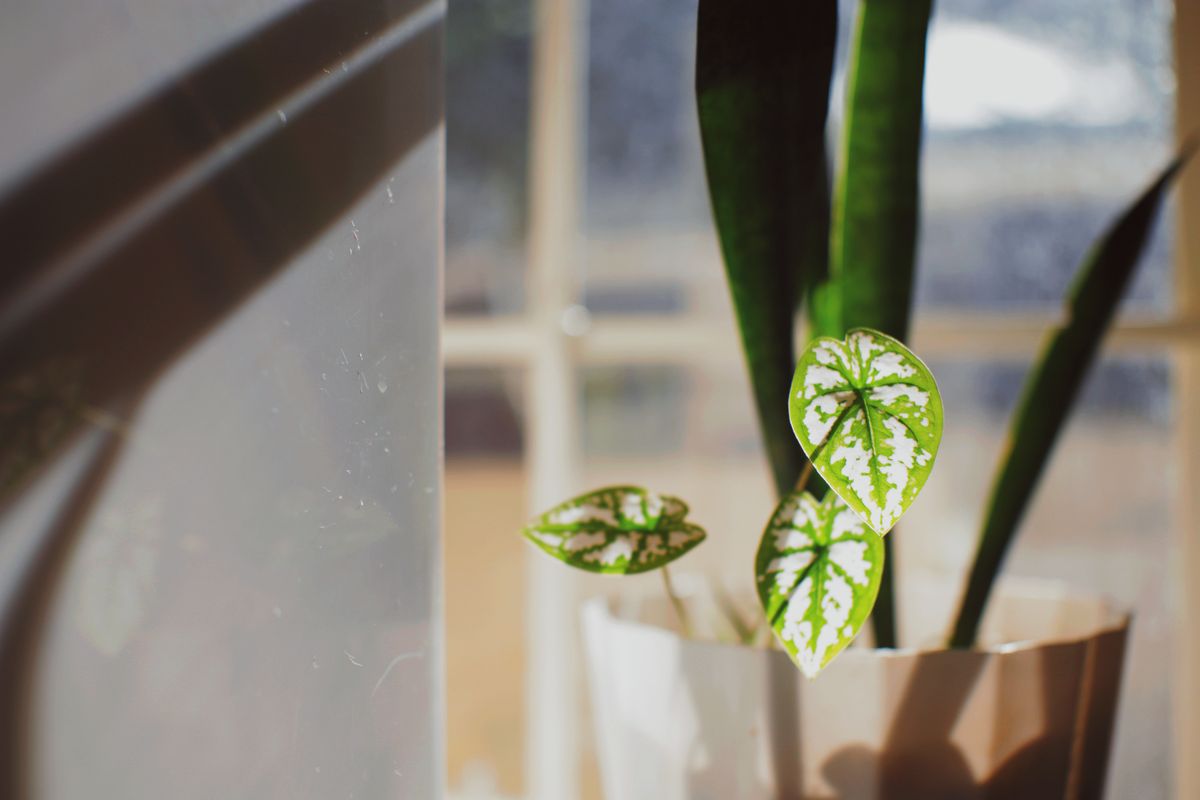
A sustained cold draft, proximity to an air conditioning vent, or ambient temperatures dropping below the plant's comfortable range can trigger the same defensive curling, this time as a response to cold stress rather than water loss specifically. NC State Extension's plant profile for Dracaena trifasciata notes overwatering as the main documented problem for this species, which is a useful reminder that cold-related curling is a secondary factor worth ruling out once watering and light are confirmed adequate — not the first place to look.
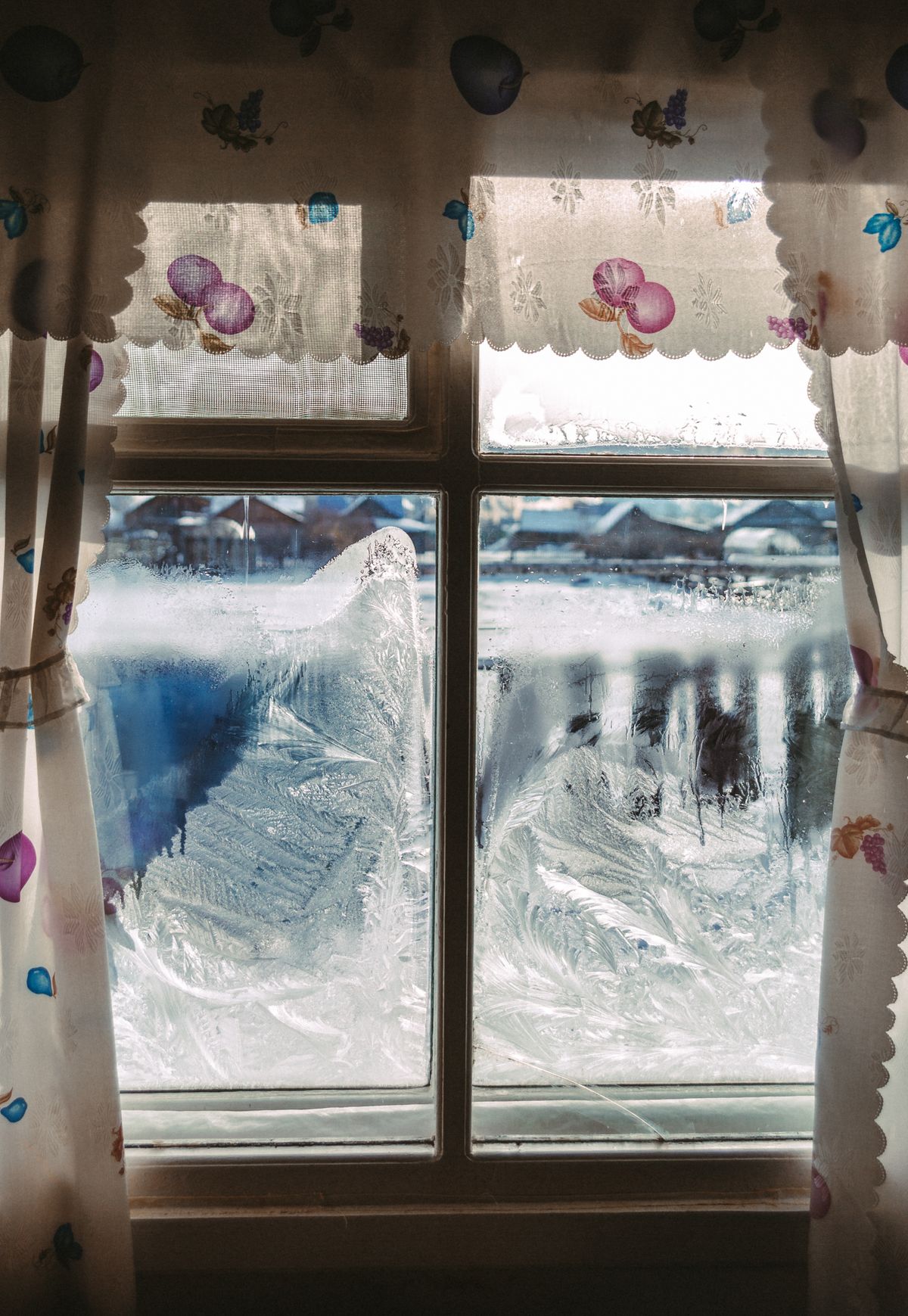
Keep the plant within its comfortable range of 55°F to 85°F, away from drafty windows and doors in winter, and off cold floors or windowsills where the temperature at leaf height can run several degrees colder than the room average.
Can Pests Cause This Too?
Yes, though the curl pattern looks different. Thrips feeding on developing leaf tissue before it fully unfurls can produce a more irregular, uneven curl in new growth specifically, often paired with tiny pale scarring or a stippled texture on the leaf surface — distinct from the smooth, even inward roll caused by drought, light, or cold. If the curling is limited to new leaves and shows visible surface damage rather than a clean roll, check closely for thrips before assuming it is a watering issue. The Royal Horticultural Society's sansevieria growing guide covers general pest monitoring for this plant as part of its standard care recommendations.
Will the Curled Leaf Go Flat Again?
Sometimes, if you catch it early. A leaf that has only just started curling from a brief dry spell can regain most of its flatness within a few days of thorough watering, since the tissue has not fully committed to the change. A leaf that has been curled for more than a few days, though, usually stays that way permanently — the curl becomes the leaf's new resting shape even after the underlying stress is corrected.
Either outcome is fine for the plant as a whole. A permanently curled leaf is cosmetic, not a sign of ongoing damage, and every new leaf that emerges afterward grows in flat and normal, with no memory of what an older leaf went through.
If you have a curling leaf right now: check the soil first, since underwatering causes this far more often than anything else on this list. If it is bone dry two inches down, water thoroughly and give it three days before deciding whether the curl was temporary or permanent. This response applies specifically to Dracaena trifasciata, covered in full in the Sansevieria Trifasciata guide, and the Sansevieria Plant Botanical Guide ties this water-conservation behavior to the plant's broader CAM biology.
Care FAQ
Why are my snake plant leaves curling inward?
Inward curling is almost always a water-conservation response — the leaf rolling its edges toward the center to reduce the surface area exposed to dry air. The three main triggers are drought stress, too much direct light or heat driving faster water loss, and cold stress from drafts or low temperatures.
Is inward curling different from a snake plant leaf drooping or curling outward?
Yes, and they point in different directions for different reasons. Inward curling is a defensive drought response — the leaf conserving water. Drooping or an outward, downward curl is more often linked to overwatering and root rot, where the leaf has lost structural support rather than actively conserving moisture.
Will a curled snake plant leaf go flat again?
Rarely, once the curl has set in for more than a few days. The leaf can regain some flatness quickly if it is caught early and watered promptly, but a leaf that has been curled for an extended period usually stays that way permanently, even after the underlying cause is corrected. New leaves grow in flat and normal.
Can pests cause snake plant leaves to curl?
Yes. Thrips in particular are associated with curled, deformed new growth on snake plants, since their feeding damages developing leaf tissue before it fully expands. This produces a different, more irregular curl than the smooth, even roll caused by drought or light stress, and is usually accompanied by tiny pale scarring or stippling on the leaf surface.
How do I stop my snake plant leaves from curling?
Water every 2-6 weeks in spring and summer rather than letting the plant go bone dry for months, keep it in bright indirect light rather than harsh direct sun for many hours daily, and keep it away from cold drafts and windows in winter. Consistency in all three areas prevents the water-loss spikes that trigger curling.
Does snake plant leaf curling mean the plant is dying?
No. Curling is a localized stress response on individual leaves, not a sign of systemic failure. A plant with a few curled leaves alongside otherwise normal growth is not dying — it is responding to a specific, usually correctable, environmental stress. It becomes more concerning only if curling is widespread and paired with yellowing or a soft base.