Why Do Snake Plant Leaves Lean or Fall Over?
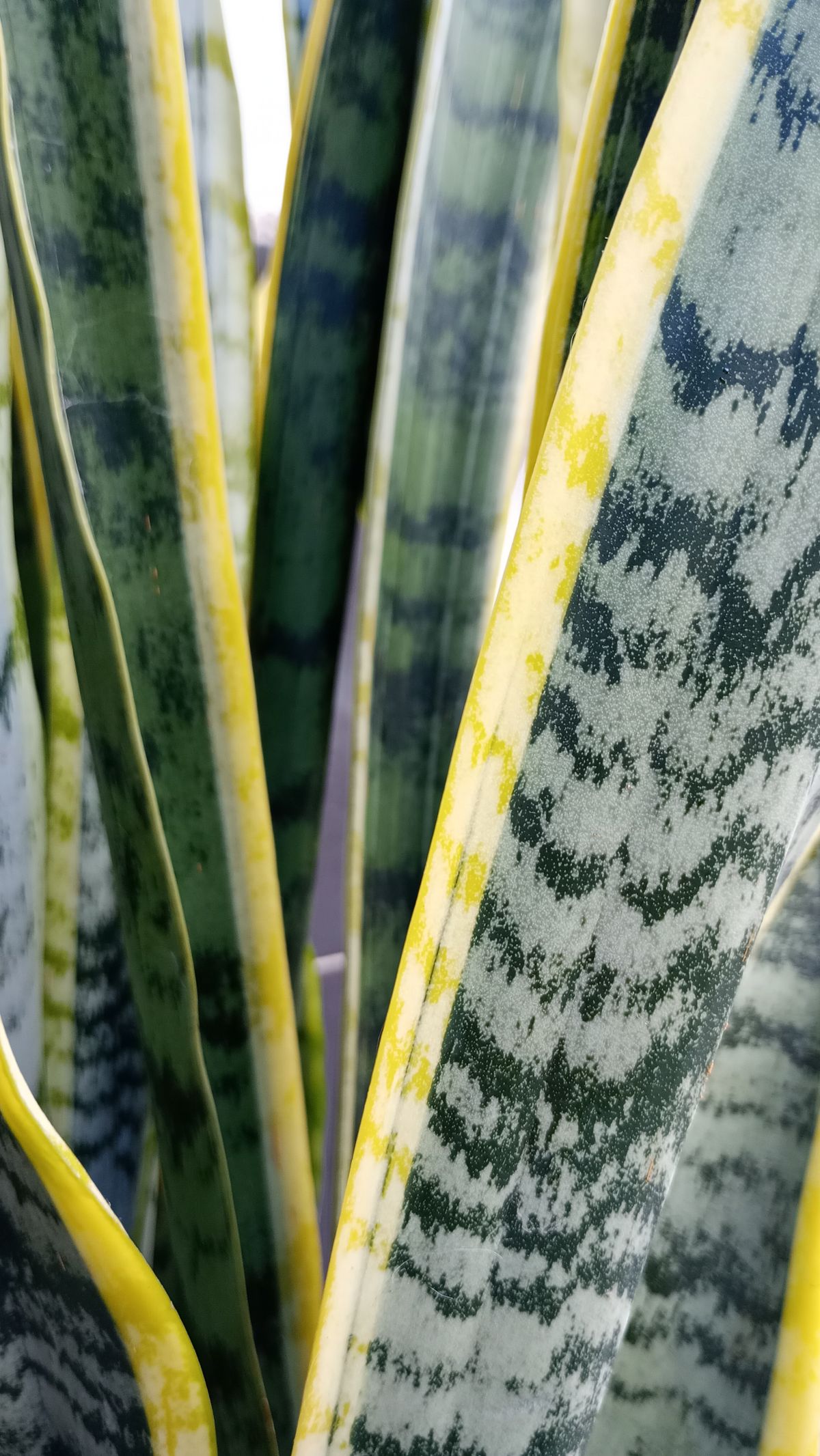
Snake plant leaves lean or fall over for one of three reasons: a tall, narrow leaf simply reaching the mechanical limit of what its own structural fibers can support (normal physics, not a problem), root rot softening the base so it can no longer hold the leaf up, or thin, weak new growth from insufficient light. Check the base of the leaning leaf first — firm and otherwise healthy usually means the first explanation; soft or discolored means the second.
A leaning leaf can look like a symptom of something going wrong. Often it is not — it is a tall, narrow structure reaching the point where its own weight matters more than its rigidity. (If the leaf is also developing brown spots along with the lean, the Snake Plant Brown Spots guide covers that separate diagnostic pattern.)
Why Do Snake Plant Leaves Lean or Fall Over in the First Place?
The honest answer is that "falling over" covers three genuinely different situations, and they call for different responses. One is a mechanical limit that a perfectly healthy plant runs into as its leaves get tall. One is root damage from overwatering. One is weak new growth from insufficient light. Treating all three the same way — usually by staking — only actually solves the first one.
The Actual Mechanism: Why Leaf Shape Determines Whether It Leans
This is the part most care guides skip past with a vague "thin leaves flop more." Here is the actual physics. A snake plant leaf's rigidity comes from dense structural fibers running its length, covered in detail in the Sansevieria Morphology guide and the mechanism behind why leaves split under pressure. Those fibers resist bending along the leaf's height the same way a beam resists bending under its own weight — and a beam's resistance to bending depends heavily on how much material sits across its width, not just how long it is. Fiber is only half of what actually produces that rigidity, though — the Why Are Snake Plant Leaves So Stiff and Upright? guide covers the equally important role internal water pressure plays alongside it.
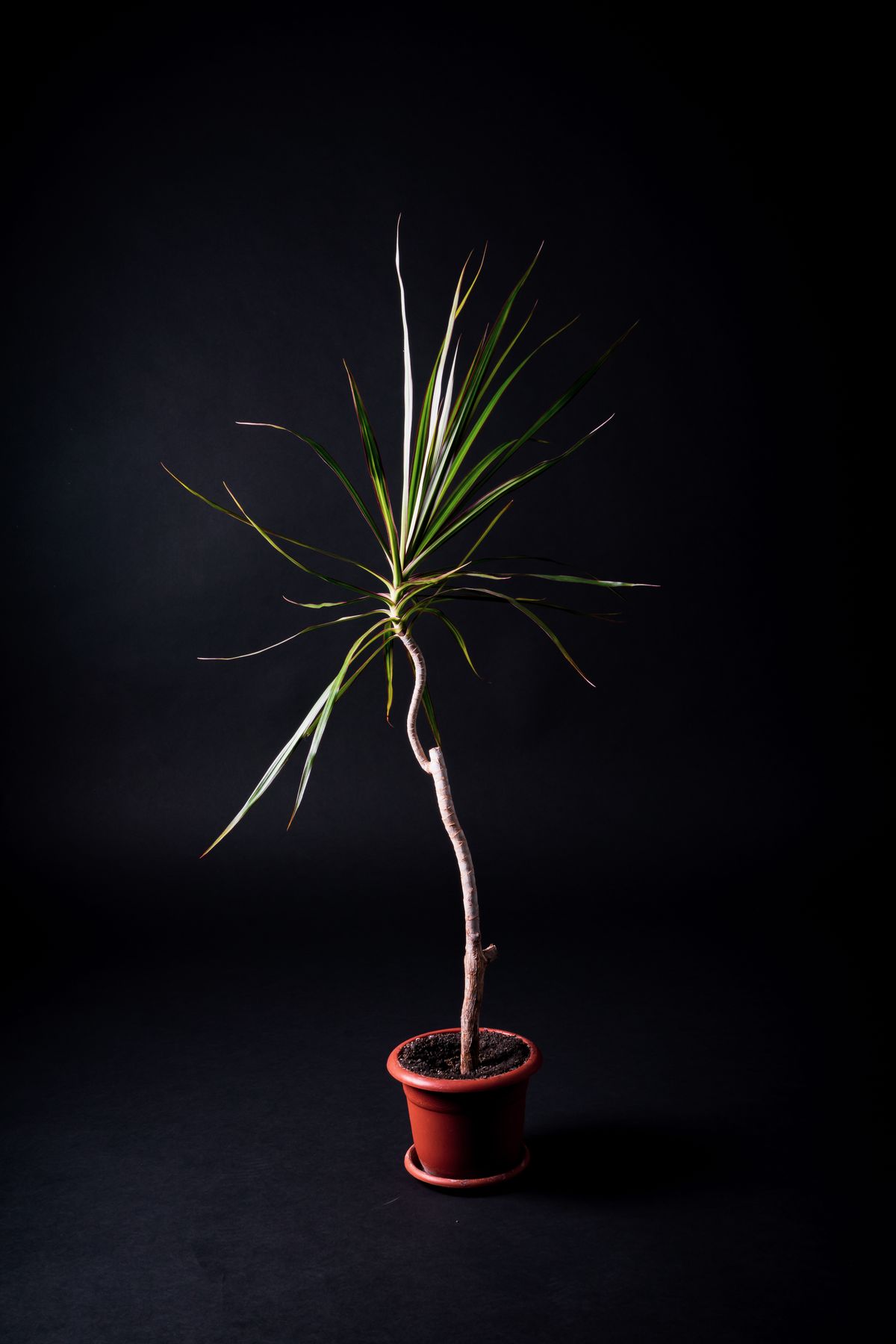
That is why leaf shape matters more than most people expect. A narrow leaf has less fiber cross-section to resist bending than a wide one of the same height, so it reaches its tipping point sooner as it grows taller. This is also why cylindrical species like Dracaena angolensis tend to stay more upright than flat-leaved types — a tube-shaped cross-section resists bending in every direction at once, the same reason a round pole is harder to bend than a flat board of equivalent material. None of this is a flaw in the plant. It is the same engineering trade-off between height, weight, and cross-section that shows up anywhere a tall, unsupported structure has to hold itself up.
Is a Leaning Leaf Just Normal for a Tall, Mature Plant?
Often, yes. If the leaf is otherwise firm, shows no discoloration or softness at the base, and the lean has developed gradually as the leaf reached its full height, this is very likely the mechanical limit described above rather than a problem to fix. Tall cultivars like Laurentii, which can reach 3-4 feet indoors, are more prone to this than compact rosette types like Hahnii simply because there is more height and weight involved.
Root Rot: When the Base Can No Longer Hold the Leaf Up
If the leaning leaf's base feels soft, mushy, or discolored, this is a structural failure of a different kind — the tissue anchoring the leaf has begun to decay, almost always from overwatering. This is not something staking will fix, because the problem is not the leaf's own rigidity but the support structure underneath it rotting away. The Why Are My Snake Plant Leaves Soft and Mushy? guide covers the full mechanism and rescue protocol for this specific pattern.
Low Light and Thin, Weak New Growth
Insufficient light slows the development of the structural fibers a new leaf needs to support its own eventual height, producing leaves that emerge noticeably thinner and weaker than they would in adequate light — and thinner leaves reach their bending limit at a shorter height, so they lean sooner. Moving the plant to brighter indirect light, ideally 8-10 hours a day, produces sturdier new growth from that point forward, though it will not retroactively thicken leaves that have already grown thin. The Snake Plant Thin Leaves guide covers the etiolation biology behind this — including the chlorophyll mechanism — and five other causes of weak new growth in full.
Should You Stake a Leaning Leaf?
Only once you have confirmed the cause is structural, not rot or weak growth. If the base is firm and healthy, a thin bamboo stake inserted near the base with a soft plant tie looped loosely around the leaf is a reasonable, low-effort fix — it does not need to be permanent, and many owners simply accept a mature plant's natural lean rather than staking every leaf. The Royal Horticultural Society's sansevieria growing guide treats this kind of mature-plant leaning as a normal cosmetic characteristic rather than something requiring intervention.
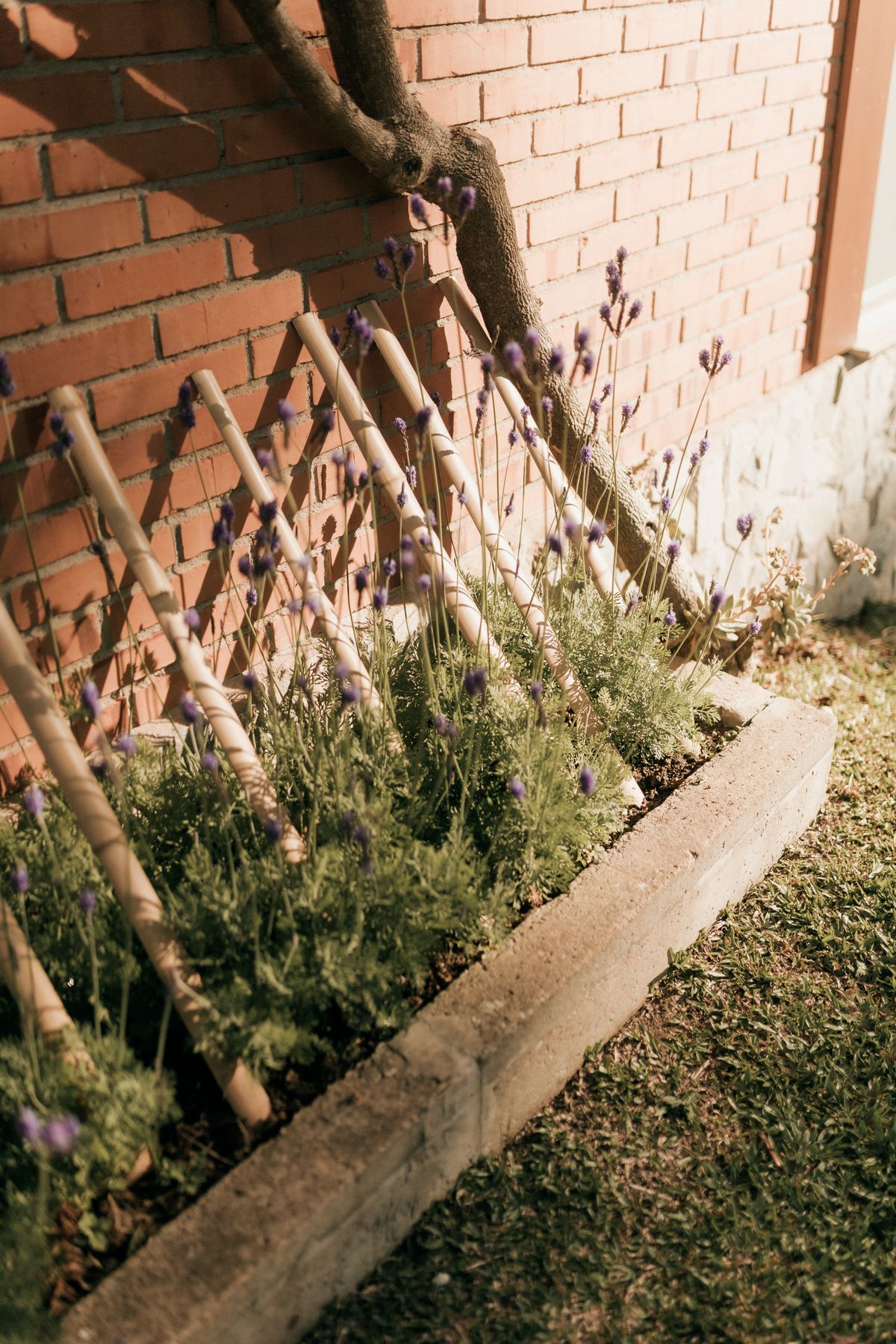
One honest note: staking is cosmetic, not corrective. It does not strengthen the leaf's own fibers or change the underlying physics — it just holds the leaf where you want it. If you remove the stake later, a genuinely top-heavy leaf will likely lean again. That is not a failure of the fix; it is the same mechanical limit still being what it is.
For the plant's overall structure and how this fits into its broader biology, the Sansevieria Plant Botanical Guide and the Sansevieria Trifasciata guide cover the species this all applies to.
Check the base of the leaning leaf right now: firm and dry means physics, not a problem. Soft or discolored means stop watering and go read the root rot guide before doing anything else.
Care FAQ
Why are my snake plant leaves falling over?
There are three real explanations, and the pattern of the lean tells you which one applies. A tall, narrow, otherwise-firm leaf simply reaching the structural limit of its own fibers is normal physics, not a problem. Softness at the base with the lean points to root rot from overwatering. Thin, pale, floppy new growth points to low light.
Is it normal for tall snake plant leaves to lean a little?
Yes. Once a leaf gets tall enough, especially a narrow one, its own weight at the tip works against the structural fibers holding it upright. Some leaning in a mature, healthy plant with firm leaves is a normal mechanical outcome, not a sign of disease, and does not need to be treated as a problem.
Why do narrow snake plant leaves fall over more than wide ones?
A narrow leaf has less cross-sectional structural fiber to resist bending than a wide one, the same reason a thin dowel bends more easily than a wide plank of the same height. Cylindrical varieties like Dracaena angolensis are generally more stable for the same reason a tube resists bending better than a flat blade of similar material.
How do I know if leaning is root rot and not just a tall leaf?
Check the base. A leaning leaf that is otherwise firm, with no softness or discoloration where it meets the soil, is very likely a structural issue rather than rot. A leaning leaf with a soft, mushy, or discolored base is a different problem entirely and calls for immediate action, not staking.
Should I stake a leaning snake plant leaf?
Only if the lean is purely structural and the leaf is otherwise healthy. Insert a thin stake near the base and tie the leaf loosely with a soft plant tie, avoiding anything that cuts into the tissue. Staking will not fix a leaf that is leaning because of root rot or low light — those need their own specific fixes first.
Can low light cause snake plant leaves to fall over?
Yes, indirectly. Insufficient light slows the growth of the structural fibers a new leaf needs to support its own height, producing thinner, weaker growth that is more prone to leaning or flopping than a leaf grown in adequate light. Moving the plant to brighter indirect light produces sturdier new leaves going forward, though existing thin leaves will not thicken retroactively.