
Why Do Snake Plant Leaves Split or Crack?
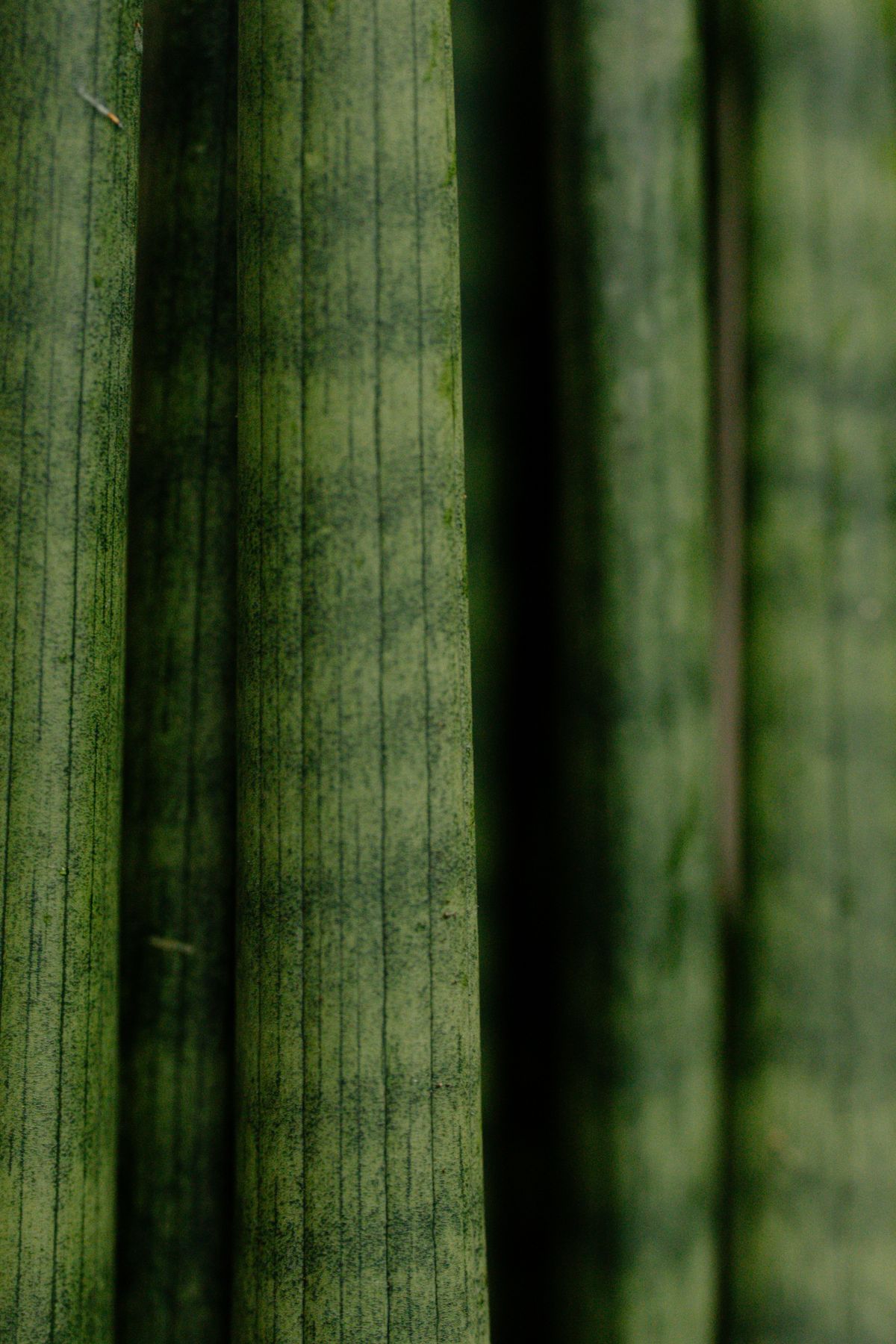
Snake plant leaves split for one of four reasons: rapid rehydration after a long dry spell, dehydration from persistent low humidity or underwatering, direct physical impact, or a sharp temperature swing. The most common by far is the first one — a plant left dry for weeks, then given a large drink, swells faster than its internal fibers can stretch. The split is permanent, but it is a mechanical failure, not a disease, and it rarely means anything is systemically wrong with the plant.
A crack running down a snake plant leaf looks like something went badly wrong. Almost always, it did not — it is a structural limit being exceeded, not a symptom of illness. (If you have already ruled out watering issues and the surrounding tissue looks discolored rather than just split, the Snake Plant Brown Spots guide covers the diagnostic patterns for actual disease and rot separately from this purely mechanical damage.)
Why Do Snake Plant Leaves Split in the First Place?
Every leaf split is the same basic event: internal pressure or dehydration exceeds what the leaf's structure can absorb without tearing. What varies is what caused that pressure change or moisture loss. Once you know the four patterns, matching your leaf to one is usually straightforward from what you were doing (or not doing) in the weeks before it happened.
The Actual Mechanism: Why Splits Run Along the Leaf's Length
Here is the part most guides skip. Snake plant leaves do not rely mainly on water pressure (turgor) to stay upright the way a soft-stemmed plant does — they get their rigidity from dense structural fibers running the full length of the leaf, the same fibrous tissue historically extracted for rope and bowstrings, as the Sansevieria Morphology guide covers in detail. Those fibers are strong along their length but have a limit to how much they can stretch sideways when the tissue around them swells. (For where these fiber bundles actually sit relative to the leaf's other internal tissue, the Snake Plant Leaf Cross-Section guide maps every layer.)
That is why a stress-related split runs vertically, parallel to the fibers, rather than tearing randomly across the leaf. The leaf is failing along its structural grain, the same way wood splits along the grain rather than across it under the wrong kind of pressure. The same fiber structure also explains why tall, narrow leaves lean under their own weight rather than staying rigid — the Why Do Snake Plant Leaves Lean or Fall Over? guide covers that related mechanical limit in full.
Vertical Splits Down the Middle of the Leaf
This is the pattern behind most splitting complaints, and the cause is almost always the same: a plant that went dry for an extended period — weeks, sometimes months — then received a large, thorough watering all at once. The dehydrated leaf tissue absorbs that water and swells quickly. The fibers holding the leaf's shape cannot stretch fast enough to accommodate the sudden internal volume, and the leaf splits along its length, usually near the base where the tissue is thickest.
The fix going forward is not to stop watering thoroughly — it is to avoid the extreme dry-then-flood swing. Water every 2-6 weeks in spring and summer, 4-8 weeks in winter, rather than letting months pass and then compensating with an unusually large watering. NC State Extension's plant profile for Dracaena trifasciata lists this same watering pattern as standard care for the species. Consistent intervals keep the leaf's internal water content in a narrower range, which is what actually prevents this split, not less water overall.
Horizontal Cracks or a Leaf Snapped Across Its Width
This pattern is mechanically different, and it points to a different cause: direct physical impact rather than a watering swing. A leaf knocked by a pet, bumped during a move, or leaned on while repotting can crack or snap across its width — working against the structural fibers rather than along them. This is the plant equivalent of a stress fracture from a direct hit, not an internal pressure failure.
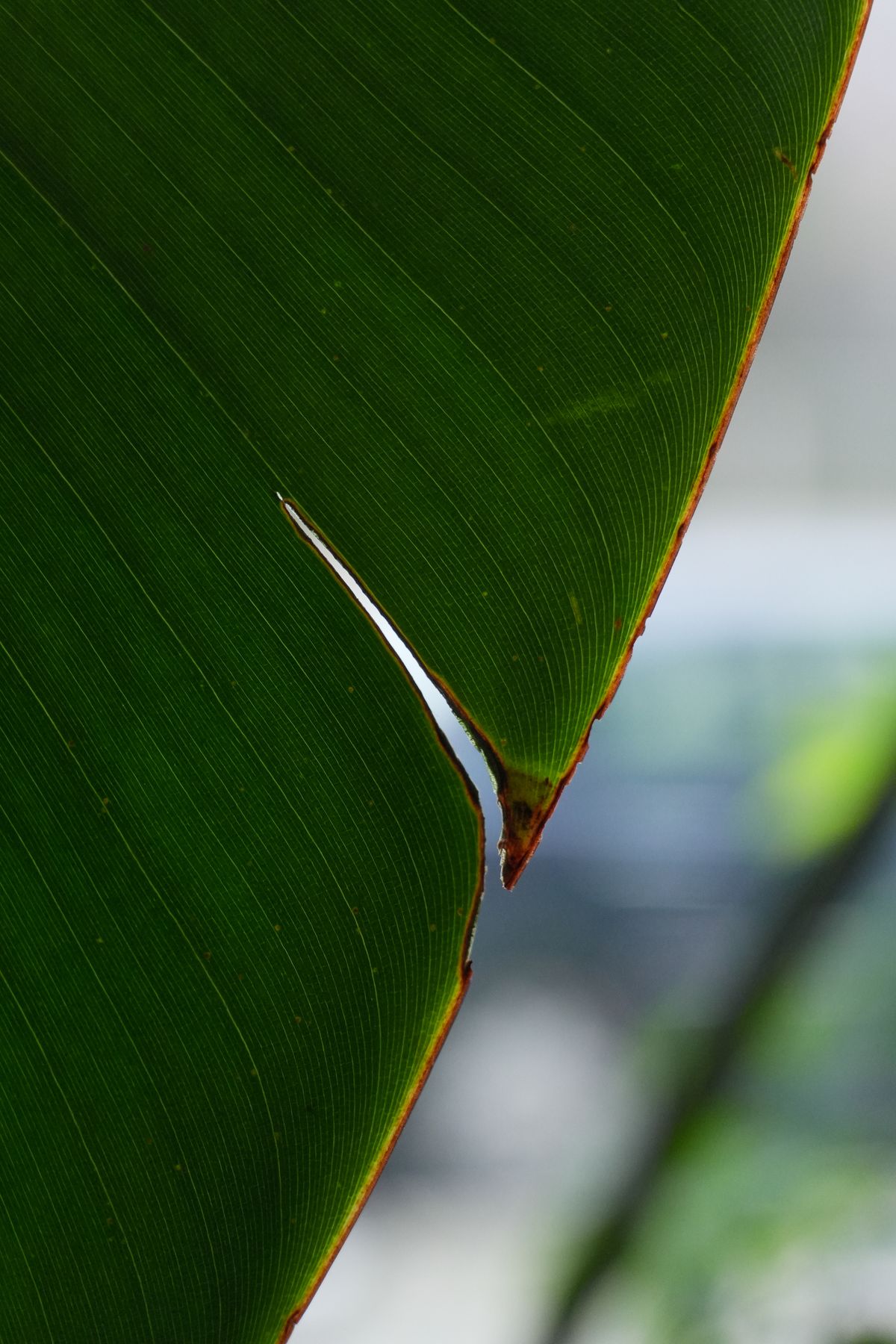
There is no care adjustment that prevents this one — it is about handling, not watering. If the plant sits somewhere it gets knocked regularly (a hallway, near a pet's favorite spot), moving it is the only real fix.
Dry, Brittle Splitting From Underwatering or Low Humidity
Less common than the rehydration-swing pattern, but real: leaves that have been chronically underwatered or kept in very dry air for a long stretch can become brittle enough that ordinary movement or a light touch causes a crack, without any sudden watering event triggering it. This is dehydration failure rather than swelling failure — the tissue has lost enough water that it has lost flexibility, not gained too much too fast.
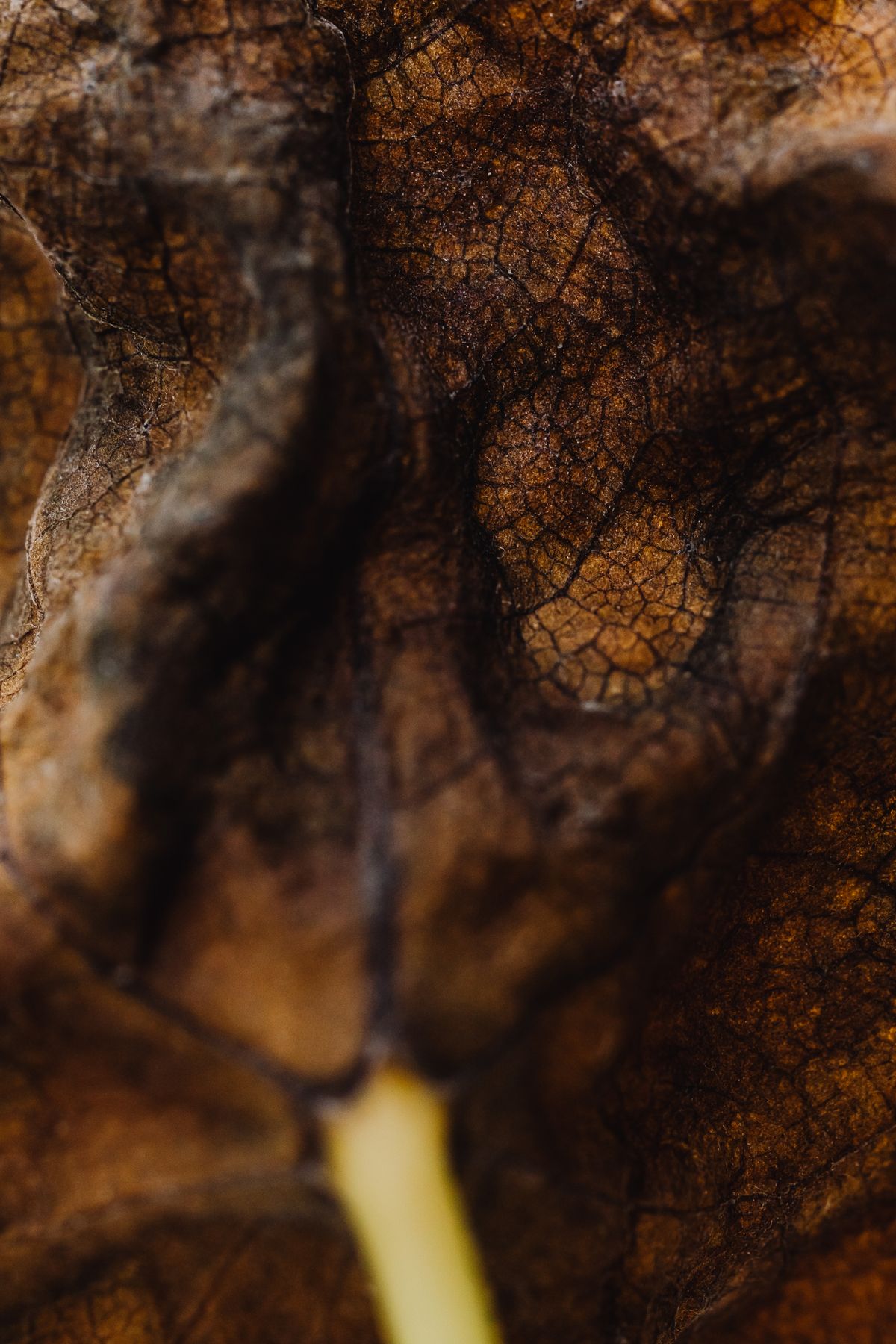
If your plant's leaves feel notably stiff, thin, or slightly wrinkled before a split appeared, dehydration — not sudden rehydration — is the more likely direction. The Sansevieria Plant Botanical Guide covers how the leaf's waxy cuticle normally limits this kind of water loss, and why persistently low humidity or long neglect can still push past that defense over time.
Splitting From a Sharp Temperature Swing
A rapid shift in temperature — a cold draft, a plant moved suddenly from a warm room to a cold windowsill, or proximity to an air conditioning vent — can stress leaf tissue enough to contribute to splitting, usually alongside one of the water-related causes above rather than as a standalone trigger. The Royal Horticultural Society's sansevieria growing guide recommends keeping the plant away from cold drafts for exactly this reason. Keep it within its comfortable range of 55°F to 85°F and away from drafts and vents, and this factor rarely becomes the primary cause on its own.
Do Pests or Root-Bound Conditions Make Splitting More Likely?
They can, though they are contributing stressors rather than a standalone cause on their own. A plant already weakened by mealybugs or spider mites feeding on leaf sap, or one that is severely root-bound and struggling to take up water evenly, has less structural margin to absorb a sudden watering swing without splitting. Neither condition typically causes a split by itself the way rehydration-after-drought does — think of them as lowering the threshold rather than pulling the trigger. Sansevieria actually prefers being somewhat root-bound, so this is only relevant in genuinely extreme cases, not routine root crowding. The CAM Photosynthesis in Sansevieria guide covers how this plant processes water internally, which is the underlying system all four splitting causes are ultimately disrupting.
Can a Split Leaf Heal, or Should You Cut It Off?
No leaf split heals. The tissue does not knit back together, regardless of which of the four causes produced it — that is true whether the split is a clean vertical line or a ragged physical tear. What you decide next is purely about appearance and risk, not about giving the leaf a chance to recover.
A shallow, clean split near the leaf's tip is cosmetic. Leave it alone if it does not bother you; it will not worsen on its own. A deep split that exposes soft inner tissue, especially near the base of the leaf, carries a higher risk of that opening becoming an entry point for rot in humid conditions — trimming the affected leaf back to healthy tissue, or removing it entirely at the base, is the more cautious call there. Either way, the rest of the plant is unaffected. New leaves emerging from the rhizome carry no structural weakness from a sibling leaf's split.
If you have a split leaf right now: check whether it is vertical (rehydration) or across the leaf (impact), decide if it is cosmetic enough to ignore, and adjust your watering interval to something consistent going forward rather than alternating between long dry stretches and heavy watering. This mechanical failure mode applies specifically to Dracaena trifasciata, the species covered in full in the Sansevieria Trifasciata guide.
Care FAQ
Why do snake plant leaves split down the middle?
Most vertical splits happen when a plant that has been dry for weeks gets a large, sudden drink of water. The leaf tissue rehydrates and swells faster than the structural fibers running its length can stretch to accommodate, and the leaf splits along the line of least resistance — usually straight down the middle.
Can a split snake plant leaf heal itself?
No. Once a leaf splits, that tissue does not knit back together or repair itself, regardless of the cause. The split is permanent on that specific leaf. The plant itself is not harmed by one split leaf, and new leaves grow in normally with no structural weakness carried over.
Should I cut off a split snake plant leaf?
Only if it bothers you visually or the split has torn deeply enough to expose soft inner tissue to rot risk. A clean, shallow split near the top of the leaf is cosmetic and can be left alone indefinitely. Trim only if the damage is severe or the leaf is otherwise failing.
Is leaf splitting a sign my snake plant is dying?
No. A split leaf is a localized mechanical failure, not a systemic health problem. Plants that have gone through a splitting episode from watering swings or physical knock typically continue growing normally elsewhere. It only signals a bigger problem if splitting is happening across many leaves at once alongside other symptoms like yellowing or a soft base.
How do I stop my snake plant leaves from splitting?
Keep the watering interval consistent — every 2-6 weeks in spring and summer, 4-8 weeks in winter — rather than letting the soil go bone dry for months and then flooding it. Consistent, moderate watering avoids the sudden rehydration swing that causes most vertical splits.
What is the difference between a vertical split and a horizontal crack?
A vertical split runs along the length of the leaf, following the direction of its internal structural fibers, and is almost always caused by a rapid change in internal water pressure. A horizontal crack or snap runs across the leaf's width, working against those fibers, and is a sign of direct physical impact rather than a watering issue.