
Why Do New Snake Plant Leaves Grow Thin and Weak?

Snake plant thin leaves are almost always a sign of too little light, a problem called etiolation, where new growth stretches skinny and weak while reaching for a brighter spot. Underwatering, severe overcrowding, nutrient deficiency, pests, and unhealthy roots can cause it too. Every cause is easy to spot and simple to fix, so a Dracaena trifasciata can grow firm, thick, upright leaves again fast.
If a once-sturdy snake plant is pushing out floppy, pale, pencil-thin new leaves, here are all six causes and how to fix each.
Snake Plant Thin Leaves: The Fast Answer
Snake plants store energy in thick, fleshy leaves. When conditions fall short, especially light, the plant can't build those hefty leaves anymore, so new ones come in thin, soft, and stretched. The single most common culprit is insufficient light — check that first. If the plant sits in a dim corner and the newest leaves look leggy and pale, that's likely the answer.
The Biology of Etiolation
Etiolation is the plant's built-in survival stretch. In the wild, a shaded seedling that reached upward could find sunlight above competing plants, and snake plants kept that instinct — when light runs low, the plant redirects its limited energy into growing taller and faster instead of thicker and stronger, straining toward the nearest light source. That's why etiolated leaves look long, thin, and floppy.
Chlorophyll is the other half of the story. This green pigment powers photosynthesis, the process that turns light into food. As University of Minnesota Extension explains, plants lacking light "don't produce chlorophyll," so they "turn pale green to yellow to white," and stems "become long and thin." No light means no food, and no food means weak, hungry leaves.
Cause 1: Low Light and Etiolation
Snake plants tolerate low light, but tolerating and thriving are different things. In a dim spot, the plant survives yet can't gather enough energy to build sturdy leaves, so new growth stretches thin, pale, and leggy as it hunts for brighter light. The Clemson Home & Garden Information Center confirms snake plants "can tolerate low light settings but will grow more slowly in this environment." Slow, weak growth is exactly how thin leaves begin. (The plant's overall growth pace has its own separate ceiling too — the Why Do Snake Plants Grow So Slowly? guide covers the CAM photosynthesis mechanism behind that, distinct from leaf thickness.)
The fix: Move the plant to bright, indirect light, like an east- or west-facing window. Give it several hours of good light daily, and watch new leaves emerge thick and firm.
Cause 2: Underwatering
Those fleshy leaves are basically water-storage tanks, so when the soil stays bone-dry for too long, new growth comes in thin, wrinkled, and weak. The clue: a pot that feels feather-light, plus dry, slightly curled leaves that never firm up.
The fix: Water thoroughly when the top two inches of soil are dry, letting water drain fully through the bottom — often every two to four weeks in the growing season. Consistency matters more than the exact interval.
Cause 3: Severe Overcrowding
Being lightly or moderately root-bound is not a problem for a snake plant — this species generally prefers snug roots, and the Why Is My Snake Plant Not Growing New Leaves? guide covers why that common assumption gets it backwards. Genuinely severe overcrowding is different: a clump that's gone years without division, with roots visibly cracking the pot or a rosette count so dense the rhizomes are competing hard for light and space, can produce thinner new growth simply because too many growing points are drawing on the same limited resources.
The fix: If the pot is genuinely cracked or roots are bursting out with nowhere left to go, repot into a container one size larger with fresh, well-draining cactus mix, and divide the clump by separating rosettes at the rhizome. If the plant is only mildly root-bound, leave it — that's not the cause.
Cause 4: Nutrient Deficiency
Without enough nutrients, a snake plant can't build the thick tissue that firm leaves need, so new growth comes in thin and pale. This happens most often in old, depleted soil or when a plant hasn't been fed in a long time.
The fix: Feed lightly with a balanced houseplant fertilizer at half strength, once in spring and once in midsummer. Skip feeding entirely in fall and winter, when the plant is resting.
Cause 5: Pests
Sap-suckers like spider mites and mealybugs feed on leaf juices, robbing a snake plant of the energy it needs to grow thick, healthy new leaves. NC State Extension notes to "monitor for mealybugs and spider mites." Check the leaf bases, crevices, and undersides for white cottony fuzz, fine webbing, or tiny crawling specks.
The fix: Wipe pests away with a cotton swab dipped in rubbing alcohol, or treat with neem oil or insecticidal soap, isolating the plant from others while treating it.
Cause 6: Unhealthy Roots and Root Rot
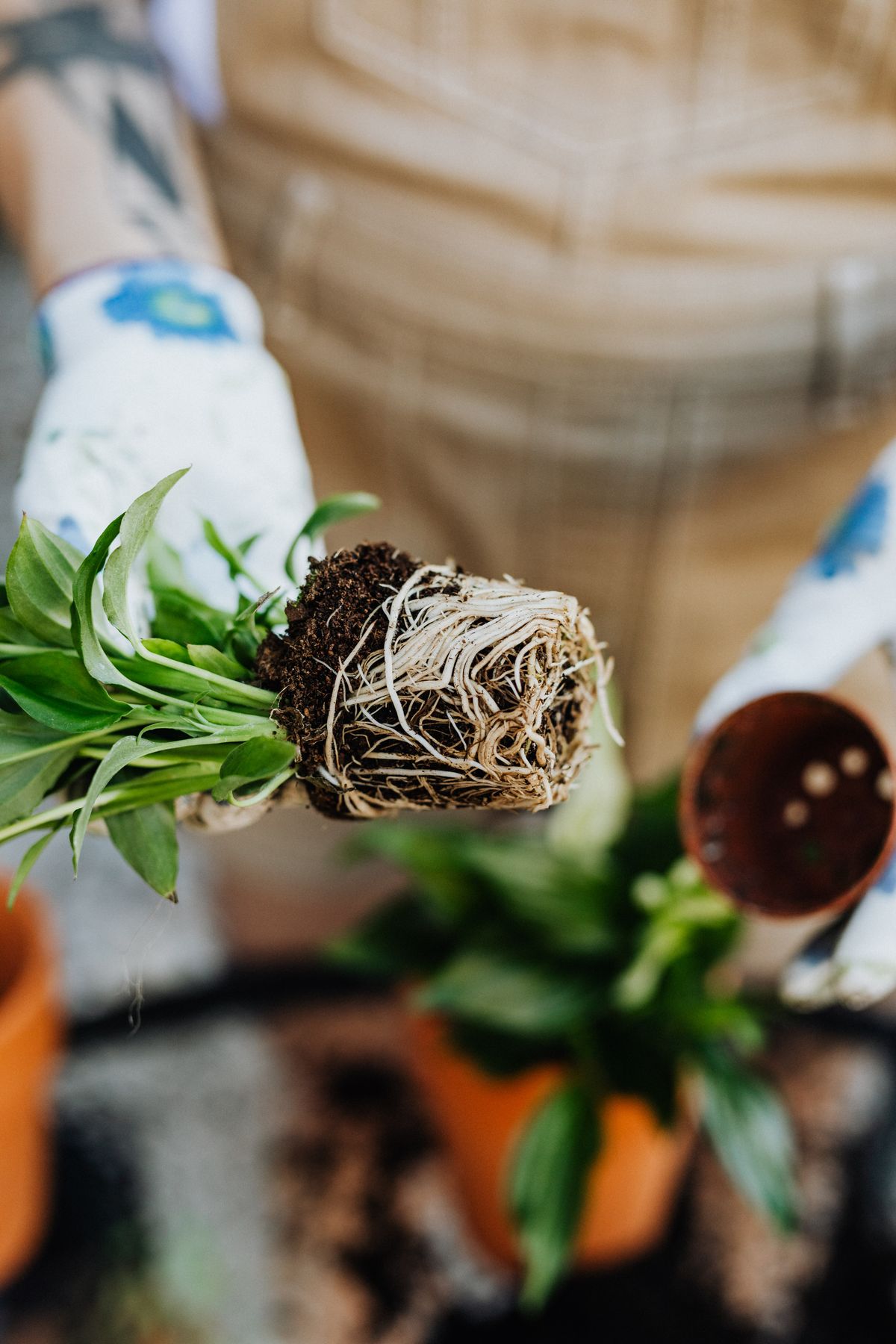
Damaged roots can't feed the plant, so leaves suffer. Overwatering is the number-one cause, leading to root rot that leaves roots black, mushy, and unable to absorb water or nutrients — the result is weak, thin, floppy new growth. Look for soggy soil, a foul smell, or lower leaves turning soft and yellow. The Why Are My Snake Plant Leaves Soft and Mushy? guide covers the full rescue protocol: unpotting, trimming black roots, and repotting dry.
Quick Diagnosis Checklist
| Cause | Telltale Clue | Quick Fix |
|---|---|---|
| Low light / etiolation | Pale, leggy leaves leaning toward light | Move to bright, indirect light |
| Underwatering | Light pot; wrinkled, curling leaves | Water deeply when top 2 inches dry |
| Severe overcrowding | Pot cracking; rhizomes bursting out | Repot one size up; divide rosettes |
| Nutrient deficiency | Skinny, pale growth in old soil | Feed lightly twice in growing season |
| Pests | Webbing, cottony fuzz, tiny specks | Treat with neem oil or alcohol swab |
| Unhealthy roots / rot | Soggy soil, foul smell, mushy base | Trim rotten roots; repot in dry mix |
How to Reverse Etiolation Without Shocking the Plant
Existing etiolated leaves won't magically plump up, since that growth is already set — the goal is healthy new leaves. But a snake plant adapted to a dark corner can scorch if suddenly blasted with bright sun, so acclimate it slowly.
- Start in medium light. Move the plant to a moderately bright spot first, not straight into intense sun.
- Increase gradually. Over one to two weeks, shift it a little closer to a bright, indirect light source.
- Watch the leaves. If dry, bleached patches appear, that's too much too fast — pull back slightly.
- Consider a grow light. If the home lacks natural light, a simple LED grow light gives steady, gentle brightness all year.
- Be patient. New, thick, upright leaves are the sign the plant has adjusted.
Snake plant thin leaves look worrying, but they're really just the plant asking for a little more care. Once the six causes — dim light, thirsty roots, severe overcrowding, hungry soil, pests, and root rot — are ruled in or out, the fixes are simple. Match the clue to the cause, make one change, and acclimate to brighter light slowly so the plant is never shocked. A tough, forgiving Dracaena trifasciata will reward you with firm, thick, upright, sword-like leaves for years to come.
Care FAQ
Why does my snake plant have thin leaves?
Snake plant thin leaves are usually caused by too little light, which triggers etiolation, where the plant stretches skinny and pale while reaching for brightness. Underwatering, severe overcrowding, poor nutrition, pests, or root rot can cause it too. Check the light first, since that is the most common culprit.
Can thin snake plant leaves become thick again?
No, existing thin leaves will not plump back up, since that growth is already set. But the cause can be fixed so all new leaves grow thick, firm, and upright. Move the plant to brighter, indirect light, water and feed correctly, and check the roots. Fresh, healthy growth is the reward.
How much light does a snake plant need to grow strong leaves?
Bright, indirect light is ideal for firm, thick leaves. While snake plants tolerate low light, they grow slowly and weakly there. Aim for several hours of good indirect light daily near an east, west, or south-facing window. If natural light is limited, a grow light works well to prevent skinny, leggy growth.
Will a grow light fix etiolated snake plant growth?
Yes. A grow light is a great fix when a home lacks natural light. It provides steady, consistent brightness that helps new leaves grow thick and upright. Choose an LED grow light, place it about 12 to 24 inches above the plant, and run it 12 to 14 hours a day for healthy foliage.
Does underwatering cause weak snake plant leaves?
It can. Snake plant leaves store water, so when the soil stays dry too long, new growth comes in thin, wrinkled, and weak. Water deeply when the top two inches of soil feel dry, usually every two to four weeks in the growing season, and the leaves will firm up.
Should I repot a snake plant with thin leaves?
Only if the plant is severely overcrowded, with roots cracking the pot or completely out of soil. Being lightly to moderately root-bound is not a cause of thin leaves and is not a reason to repot on its own. If light is the real issue, better light matters far more than a new pot.