
Snake Plant Vascular Bundles: A Guide to Monocot Anatomy
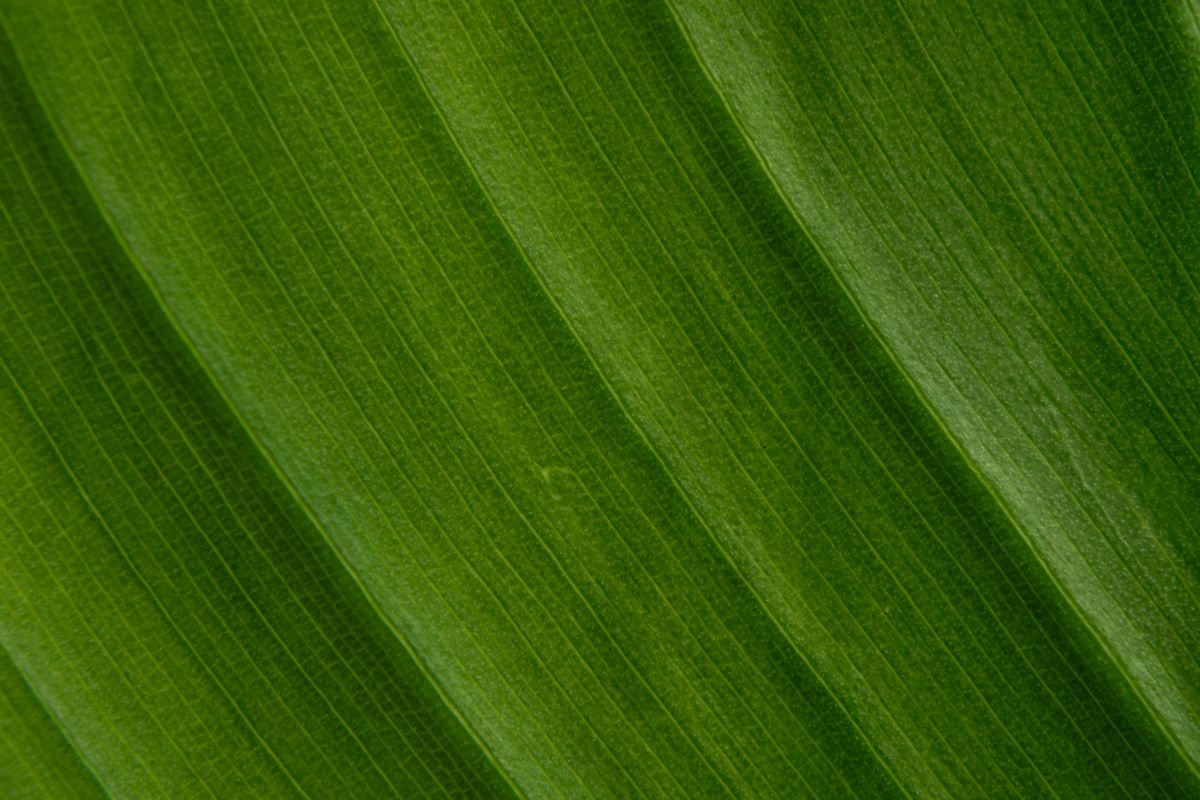
Snake plant vascular bundles are the tiny, scattered plumbing lines that run lengthwise through every sword-shaped leaf, carrying water, minerals, and sugar throughout the plant. Because the snake plant (Dracaena trifasciata, once called Sansevieria) is a monocot, its vascular bundles are scattered across the leaf tissue rather than arranged in a neat ring. Each bundle packs xylem (which moves water up) and phloem (which moves sugar around), all wrapped in a protective bundle sheath. That scattered layout, paired with parallel venation, is exactly what gives snake plant leaves their strength, flexibility, and famous toughness.
Here is how these transport highways work, and how their layout explains several things every owner already knows about this plant without realizing why.
What Are Snake Plant Vascular Bundles?
Vascular bundles are bundles of specialized conducting tissue — the plant's version of pipes and delivery trucks rolled into one. Every bundle contains xylem and phloem, keeping water, nutrients, and food flowing from the roots to the leaf tips and back again.
The snake plant belongs to the monocotyledons (monocots), one of the two great groups of flowering plants, sitting in the family Asparagaceae alongside asparagus and agave. Monocots share a signature set of traits, and vascular structure is one of the biggest — Britannica's overview of monocotyledons confirms the group has "a single cotyledon... leaves with parallel veins, scattered vascular bundles in the stem, the absence of typical cambium, and an adventitious root system," with flower parts typically in multiples of three. When you look at a snake plant's stiff, upright leaf, you're looking at a textbook monocot — those scattered bundles running the length of the blade tell the whole story. The Snake Plant Leaf Cross-Section guide covers where these bundles physically sit relative to the leaf's other tissue layers.
How Parallel Venation Works in Snake Plant Leaves
Slice a snake plant leaf lengthwise and the veins run straight and side by side, from base to tip, never crossing into a net. That's parallel venation, a hallmark of monocot leaf anatomy — Britannica's overview of angiosperm leaves covers the venation patterns that distinguish monocots from broader-leaved plants in more detail.
This pattern comes from how the leaf grows. Monocot leaves develop from a meristem at their base, pushing new tissue upward in long, even strips — there's no central midvein branching out like the fishbone pattern on a rose or maple leaf. Instead, dozens of roughly equal veins march in parallel lines, each one a self-contained vascular bundle. Those long, unbroken bundles act like built-in support beams, giving the leaf its rigid, upright posture — the Snake Plant Leaf Fibres guide covers the closely related structural fiber bundles that run alongside these vascular ones and do most of the mechanical heavy lifting.
Anatomy Breakdown: Xylem, Phloem, and Bundle Sheath
Xylem: the water highway. Xylem carries water and dissolved minerals up from the roots. It's built from tracheids (long, slender cells with tapered ends) and vessel elements (shorter, wider tubes) — both die at maturity and hollow out, forming continuous pipes that pull water skyward. In a snake plant, this steady water delivery keeps those thick, fleshy blades firm and plump.
Phloem: the sugar delivery service. Phloem moves food, mainly sugar made during photosynthesis, from the leaves to wherever the plant needs energy. It's made of sieve tube elements (living cells stacked into tubes with perforated ends) and their partner companion cells, which handle the metabolic heavy lifting — dropping off fuel to roots, rhizomes, and new growth.
Bundle sheath: the protective wrap. Surrounding each bundle is the bundle sheath, a snug layer of cells that packages the xylem and phloem together, protects the delicate conducting tissue, and helps control what moves in and out. In monocots, this tidy sheath keeps every scattered bundle organized and efficient. The green, water-holding tissue filling the space between bundles — chlorenchyma near the surface, hydrenchyma at the core — gets its own full breakdown in the Leaf Cross-Section guide.
Monocot vs Eudicot Vascular Bundle Arrangement
The way vascular bundles are arranged is one of the clearest ways to tell a monocot from a eudicot.
| Feature | Monocot (Snake Plant) | Eudicot (Rose, Bean) |
|---|---|---|
| Bundle arrangement | Scattered throughout tissue | Organized in a neat ring |
| Leaf venation | Parallel veins | Netted (branching) veins |
| Vascular cambium | Absent (no woody growth) | Present (secondary thickening) |
| Seed leaves | One cotyledon | Two cotyledons |
| Roots | Fibrous, adventitious | Taproot system |
| Flower parts | Multiples of three | Multiples of four or five |
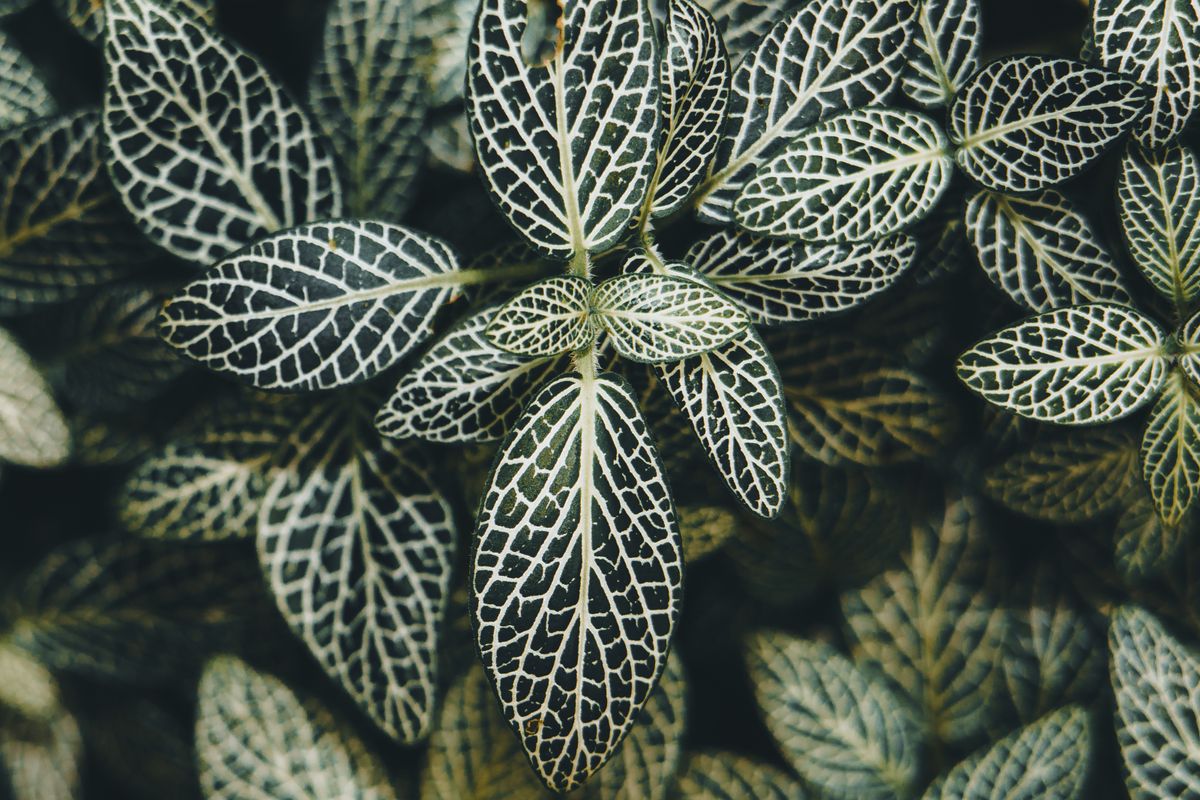
In a eudicot stem, vascular bundles line up in a ring around a central pith, which lets the plant thicken and grow woody over time. In a monocot like the snake plant, the bundles are scattered across the ground tissue with no ring and no cambium — that's why snake plants never form true wood, and instead keep sending up fresh leaves from the rhizome.
Why This Anatomy Explains Things You Already Know About This Plant
Scattered bundles and no vascular cambium aren't just trivia — they're the underlying cause of several care facts every owner already runs into.
No cambium means no healing, only sealing. Snake plants can't grow new conducting tissue over a wound the way a woody plant with active cambium can, which is a big part of why a damaged leaf never regrows the part that was cut — the Can Damaged Snake Plant Leaves Heal Themselves? guide covers that "seal, not heal" principle in full.
Long parallel bundles make leaf-cutting propagation possible at all. Because each vascular bundle runs the full length of the leaf rather than branching out from one central point, even a short leaf section still contains complete, functional plumbing — the Leaf Cutting Propagation in Sansevieria guide covers exactly how a cutting uses that intact tissue to root.
Scattered bundles plus thick surrounding tissue store real water. The How Do Snake Plant Leaves Store Water? guide covers that water-storage mechanism directly — it's the reason the plant coasts through weeks of neglect.
No secondary growth is why the plant stays sculptural instead of turning into a shrub. Every bit of new structure comes from fresh leaves at the rhizome rather than a thickening trunk, which is the underlying reason this plant keeps its clean, upright silhouette indefinitely rather than becoming woody with age.
How Vascular Anatomy Affects Disease Risk
Snake plants are xeromorphic — built for dry conditions. That water-rich tissue surrounding the scattered bundles is exactly why the plant survives drought, but it has a downside: when soil stays soggy, those plump, moisture-loving cells become a target for rot and soil-borne fungi. The conducting tissue at the leaf base and crown is especially vulnerable — if a pathogen girdles that zone, water can no longer travel up through the xylem, and the leaf collapses fast. The Why Are My Snake Plant Leaves Soft and Mushy? guide covers exactly what that collapse looks like and how to catch it early.
The takeaway: give the plant well-draining soil, water only when dry, and keep airflow moving. Work with the scattered bundles and water-holding tissue instead of against them.
Snake plant vascular bundles are scattered, not ringed; parallel, not netted; and built without a cambium, so the plant never turns woody. That single anatomical choice — visible the moment you look closely at a leaf's straight-line veins — is the quiet cause behind why this plant can't heal a deep cut, why a single leaf cutting is enough to grow a whole new plant, and why it stores water so effectively. Understanding the plumbing makes the rest of the plant's behavior make sense.
Care FAQ
Are snake plant vascular bundles scattered or in a ring?
Snake plant vascular bundles are scattered throughout the leaf and stem tissue, never arranged in a ring. This scattered pattern is a defining feature of monocots. Eudicots, by contrast, organize their bundles into a neat ring around a central pith, which lets them grow woody over time. Since the snake plant is a monocot in the family Asparagaceae, its bundles stay scattered, and it never forms true wood.
Is a snake plant a monocot or a dicot?
The snake plant (Dracaena trifasciata) is a monocot. It has parallel venation in its leaves, scattered vascular bundles, a fibrous root system, and no woody thickening. All of these traits place it firmly in the monocotyledon group, alongside grasses, orchids, lilies, and palms.
What is the function of xylem and phloem in a snake plant?
Xylem and phloem are the two conducting tissues inside every vascular bundle. Xylem carries water and dissolved minerals up from the roots to the leaves, using hollow tracheids and vessel elements. Phloem moves sugar made during photosynthesis from the leaves to the roots, rhizomes, and new growth, using sieve tube elements and companion cells. Together they keep the whole plant fed and hydrated.
What is parallel venation in a snake plant?
Parallel venation means the leaf veins run straight and side by side from the base to the tip, without branching into a net. It is a classic monocot feature caused by the way monocot leaves grow from a basal meristem. In snake plants, these long parallel bundles double as support beams, giving the leaves their stiff, upright, sword-like shape.
Why don't snake plants grow woody stems?
Snake plants lack a vascular cambium, the special layer of tissue that lets eudicots and trees thicken and form wood. Without it, there is no secondary growth. Instead of building woody trunks, snake plants keep producing fresh leaves from an underground rhizome. This is a standard monocot trait and one reason snake plants stay compact and sculptural.