
Snake Plant Leaf Fibres: 7 Amazing Reasons They're So Strong
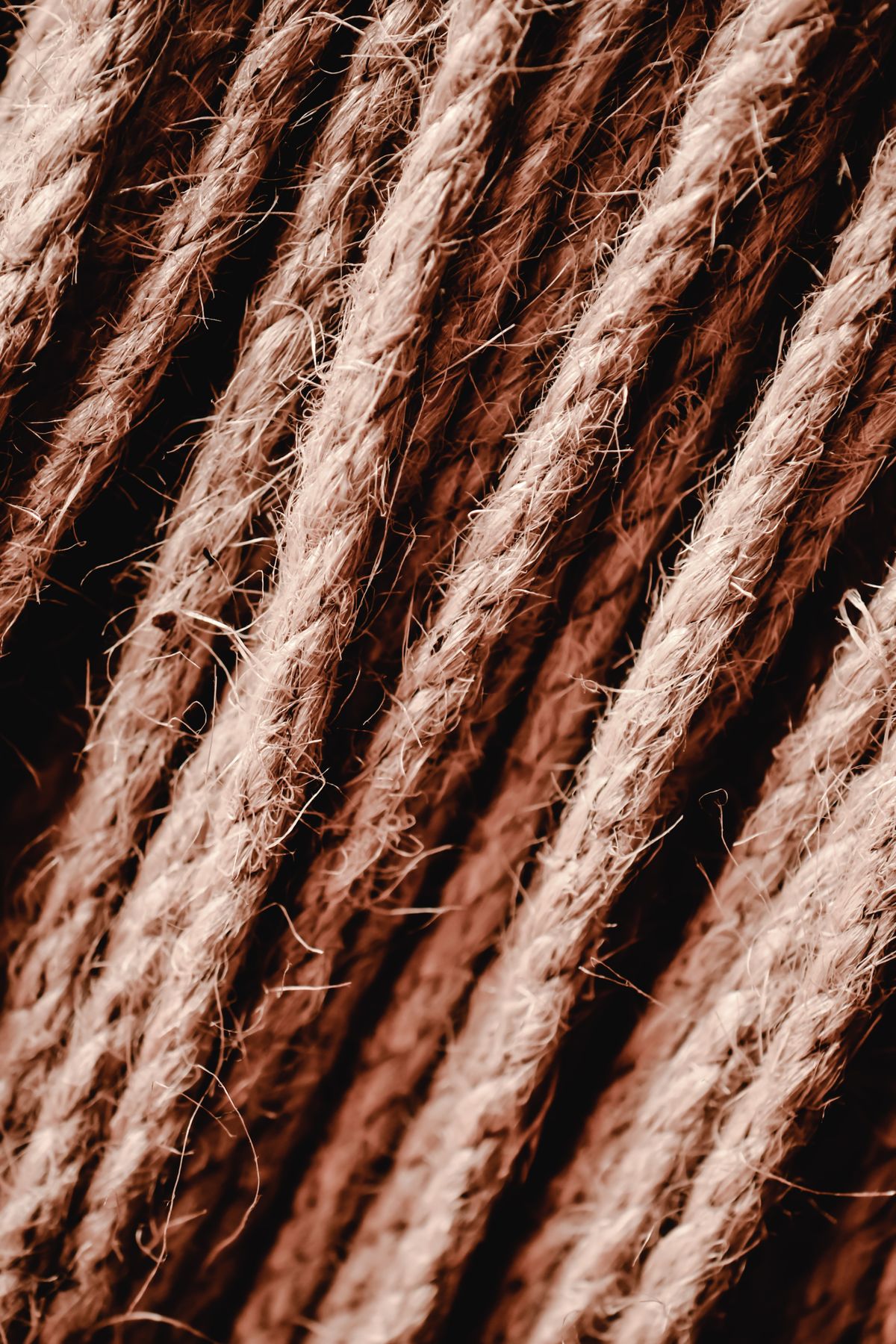
Snake plant leaf fibres are the tough, stringy, cellulose-rich strands running the full length of every sword-shaped leaf, and they're the secret behind those famously stiff, upright, tear-resistant blades. These fibres are bundles of thick-walled sclerenchyma cells packed with over 50% cellulose, acting like built-in cables inside the leaf. That's why a snake plant (Sansevieria trifasciata, now Dracaena trifasciata) stands tall for years, shrugs off bending, and can even be stripped down into rope.
Ready to see exactly what makes them so strong? Here is the chemistry, the research data, and how to pull them apart yourself.
What Are Snake Plant Leaf Fibres Made Of?
Snake plant leaf fibres are built mostly from cellulose, the same tough polymer that gives cotton, hemp, and flax their strength. In Sansevieria trifasciata, cellulose content sits above 50%, and that number is the single biggest reason the fibres are so robust — cellulose forms long, crystalline chains that resist stretching and pulling.
Cellulose doesn't work alone. Two other components round out the recipe: hemicellulose, a softer, water-loving material that sits between the cellulose chains and adds flexibility, and lignin, a stiff, water-repelling compound that acts like a natural glue, binding fibres together and adding rigidity. Together, this cellulose-hemicellulose-lignin trio creates a fibre that's both firm and slightly springy. Kew Gardens notes these fibres are strong enough to be spun into ropes, yarn, and textiles.
Where the Fibres Sit Inside the Leaf
The Snake Plant Leaf Cross-Section guide maps exactly where these sclerenchyma fibre bundles run — in rows near the leaf margins and as scattered ribbon-shaped strands through the middle tissue — and covers how cultivars differ in fibre density. The numbers worth knowing here: each individual fibre measures roughly 45 to 250 micrometres in diameter, and the plant has a fibre density around 887 kg/m³, according to material characterization research. Picture dozens of these thin, tightly packed strands layered through the fleshy leaf tissue, forming a natural scaffold. For the full mechanism of how that scaffold combines with internal water pressure to actually keep a leaf rigid, the Why Are Snake Plant Leaves Stiff? guide covers that in depth.
Mechanical Strength: What the Research Actually Shows
This is where snake plant leaf fibres really flex their muscles. Researchers have tested these fibres inside epoxy composites, and the numbers are genuinely impressive.
A peer-reviewed study published in SPE Polymers prepared snake plant fibre composites at three different fibre loadings (10%, 20%, and 30%) and measured their performance. The results climbed steadily as fibre content increased:
| Property | 10% Fibre | 20% Fibre | 30% Fibre |
|---|---|---|---|
| Tensile strength | 3.97 MPa | 5.07 MPa | 6.99 MPa |
| Flexural strength | 5.6 MPa | 10.77 MPa | 16.19 MPa |
| Impact resistance | 8 J | 12 J | 14 J |
The 30% fibre composite delivered the highest tensile strength (6.99 MPa), flexural strength (16.19 MPa), and impact resistance (14 J) of the batch — roughly a 76% jump in tensile strength over the 10% sample. More fibre means better load distribution and a stronger bond between fibre and resin. You can explore the full study in this research paper on snake plant fibre composites.
Even better, other studies pushed the mechanical properties much higher, with tensile strengths reaching 59 to 121 MPa when the fibres were paired with materials like vinyl ester.
Traditional and Modern Uses of Snake Plant Leaf Fibres
People have prized snake plant leaf fibres for generations, and modern industry is catching on fast.
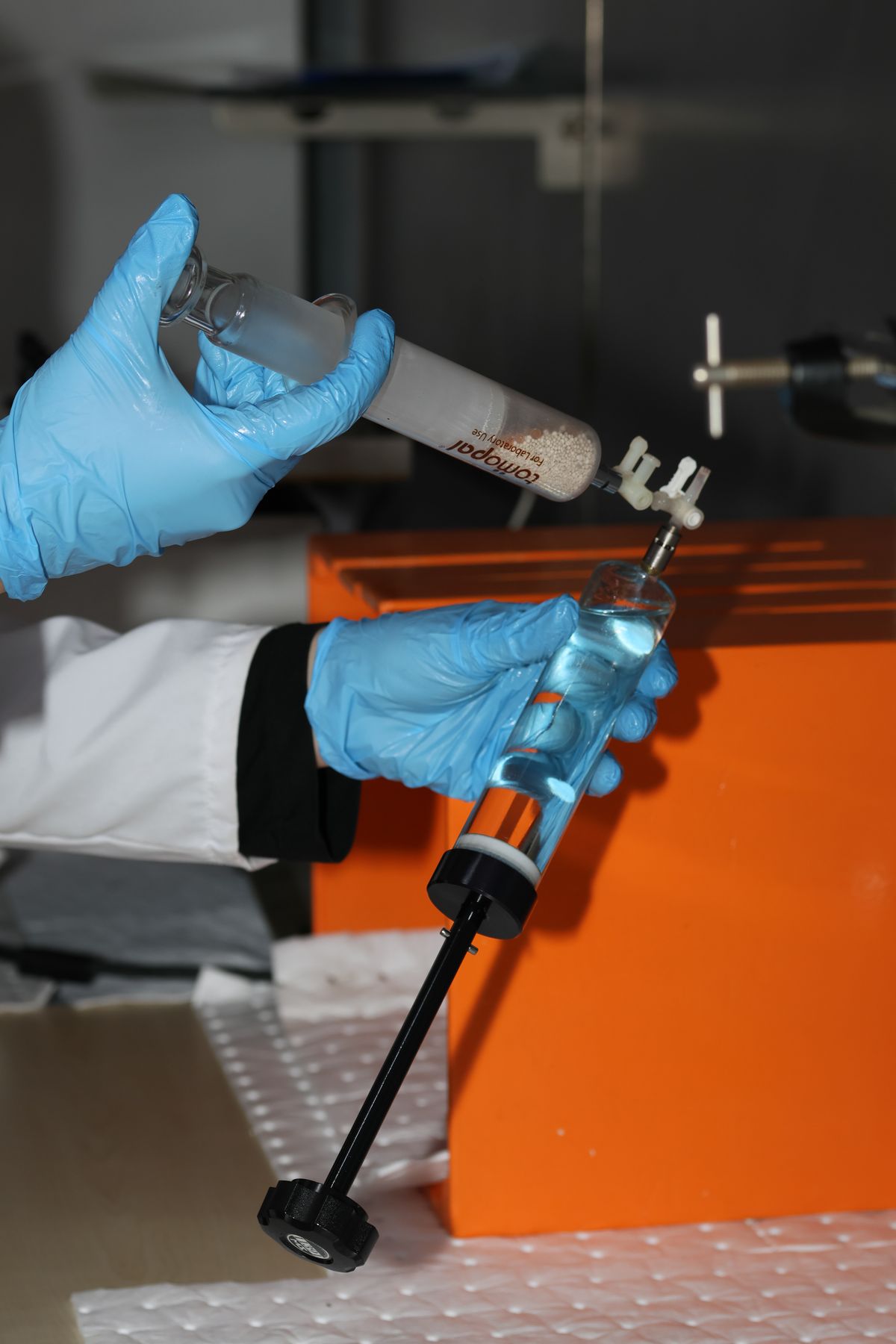
Traditional uses. In West and Central Africa, communities have long extracted these fibres to make eco-friendly, biodegradable ropes, yarn, and textiles. The plant even earned the nickname African bowstring hemp, because its strong fibres were used to make bowstrings.
Modern uses. Today, researchers are turning snake plant fibres into sustainable natural fibre composites. Thanks to their light weight, low cost, and biodegradability, these composites are being explored for automotive parts and interior panels, building and construction materials, eco-friendly packaging, and replacements for plastic doors and boards. Because they're renewable and don't release toxic CO₂ when burned like synthetic fibres do, snake plant leaf fibres offer a genuinely greener alternative for manufacturers who want strength without the environmental cost.
How to Extract Snake Plant Leaf Fibres at Home
Extracting snake plant leaf fibres is a simple weekend project, and it only takes a few basic supplies. The most common home method is retting, which uses water to break down the soft tissue and free the tough fibres.
- Harvest a mature leaf. Choose a thick, healthy leaf and cut it cleanly at the base.
- Soak it (retting). Submerge the leaf in water for one to two weeks. The soft green tissue slowly rots away, loosening its grip on the fibres.
- Scrape the pulp. Lay the leaf flat and scrape off the mushy pulp with a dull knife or spoon, revealing the pale, stringy fibres underneath.
- Rinse thoroughly. Wash the fibres in clean water to remove leftover debris and grain particles.
- Dry completely. Hang the fibres in a well-ventilated spot until fully dry.
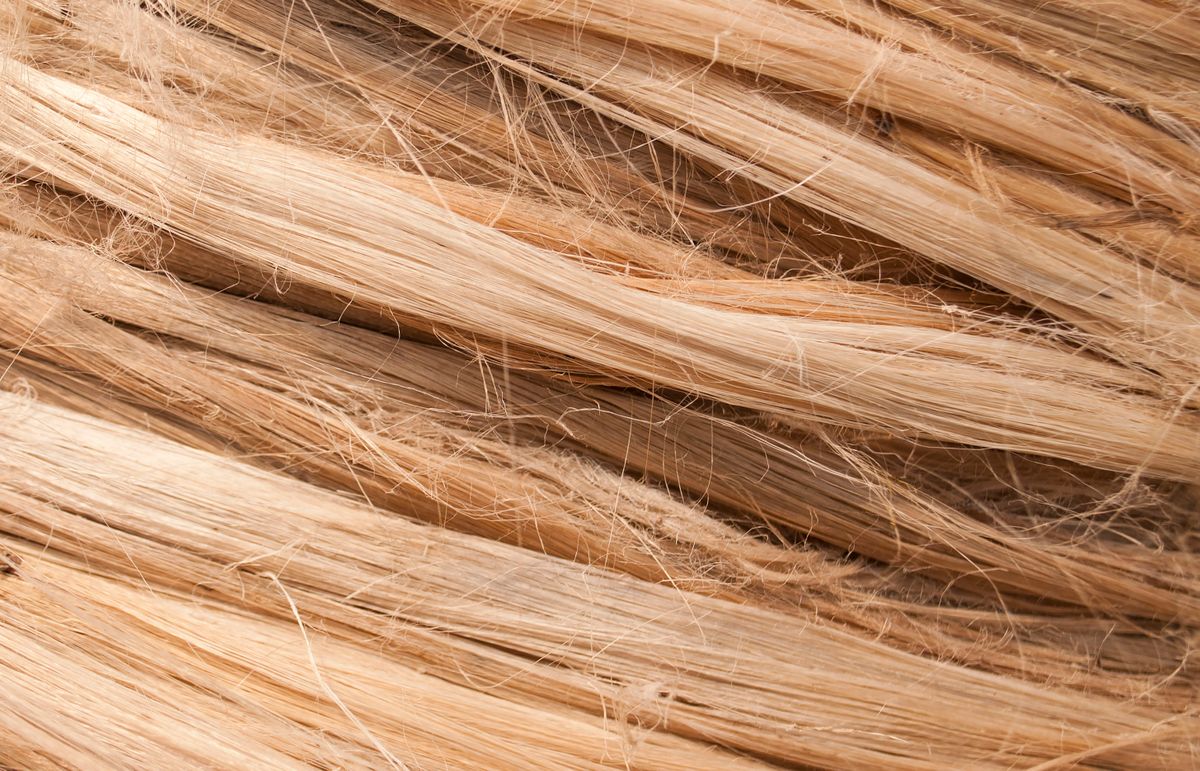
Once dry, twist them into cordage or rope — good for craft projects, garden ties, or a fun demonstration of the plant's engineering.
How Fibre Strength Affects Snake Plant Care
Understanding those fibres makes for a smarter, gentler caretaker. Leaves snap cleanly, not messily — because the fibres run in tight parallel bundles, a damaged leaf tends to break along a fairly clean line rather than shredding, so a leaf that's creased or bent past recovery is best pruned rather than fought with. Prune at the base with a sharp blade: those tough fibres resist tearing, so a dull tool will crush and mangle the tissue instead of slicing it, and a crisp cut heals faster and looks tidier. Support tall leaves when moving or repotting — the fibres keep leaves upright, but a heavy, top-tall leaf can still bend at a weak point if knocked, risking a permanent kink.
How Alkali Treatment Boosts Fibre Performance
For industrial use, raw snake plant leaf fibres get an upgrade called alkali treatment. The process soaks the fibres in a sodium hydroxide (NaOH) solution, usually around 10%, for a few hours. This treatment removes impurities like wax, oil, hemicellulose, and lignin from the fibre surface, roughens the surface to help it grip resin more tightly, reduces water absorption by making the fibre more hydrophobic and stable, and strengthens the fibre-matrix bond, directly boosting mechanical strength.
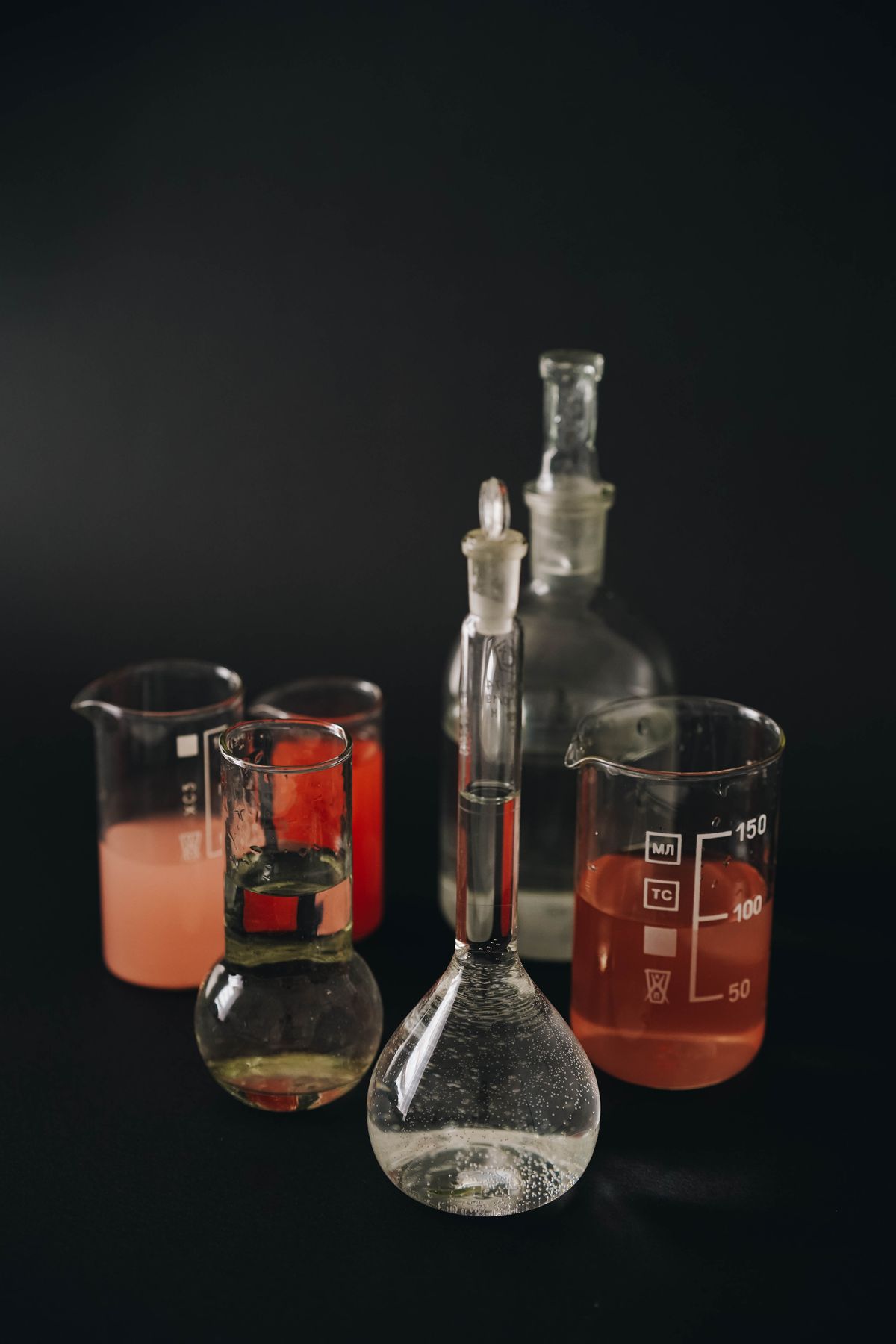
After treatment, the fibres are neutralized with a mild acid and rinsed clean. The payoff is a stronger, more durable composite with better tensile and flexural performance — exactly what manufacturers need for automotive and construction applications.
Snake plant leaf fibres are proof that toughness can hide inside even the most laid-back houseplant. From their 50%-plus cellulose content to their impressive tensile strength and centuries-old use as bowstring hemp, these fibres do a lot of quiet, heavy lifting — keeping the plant standing tall, helping it survive drought, and offering a genuinely sustainable material for rope, textiles, and modern composites.
Care FAQ
What are snake plant fibres made of?
Snake plant leaf fibres are made mostly of cellulose, which makes up more than 50% of the fibre, along with hemicellulose and lignin. The high cellulose content gives the fibres their strength, hemicellulose adds flexibility, and lignin acts as a natural glue that binds everything together. This combination is what lets Sansevieria trifasciata fibres be spun into rope, yarn, and textiles.
Why are snake plant leaves so stiff?
Snake plant leaves are stiff because they contain long bundles of thick-walled sclerenchyma fibres running vertically from base to tip. These continuous, cellulose-rich strands act like internal support poles, holding the leaf upright and resisting bending. Paired with the plant's thick, water-storing tissue, these fibres give the leaves their famously rigid, sword-like posture.
Can you use snake plant fibres to make rope?
Yes. Snake plant fibres have been used to make rope for generations, especially in West and Central Africa, where the plant is known as African bowstring hemp. The fibres are strong, biodegradable, and eco-friendly, making them well suited for ropes, cordage, yarn, and textiles. You can even extract and twist them into rope at home using a simple water-retting method.
How do you extract fibres from a snake plant?
The easiest home method is retting. Cut a mature leaf, soak it in water for one to two weeks until the soft tissue breaks down, then scrape away the pulp to reveal the fibres underneath. Rinse the fibres clean, dry them fully, and they are ready to twist into cordage. For industrial use, extracted fibres are often given an alkali (NaOH) treatment to boost their strength.
How strong are snake plant leaf fibres?
Snake plant leaf fibres are remarkably strong for a natural material. In peer-reviewed testing, snake plant fibre composites reached a tensile strength of 6.99 MPa, a flexural strength of 16.19 MPa, and an impact resistance of 14 J at 30% fibre loading. Other studies recorded tensile strengths of 59 to 121 MPa when fibres were combined with materials like vinyl ester, proving these fibres can rival many conventional options.