
Why Do Snake Plant Leaves Lose Their Green Banding?
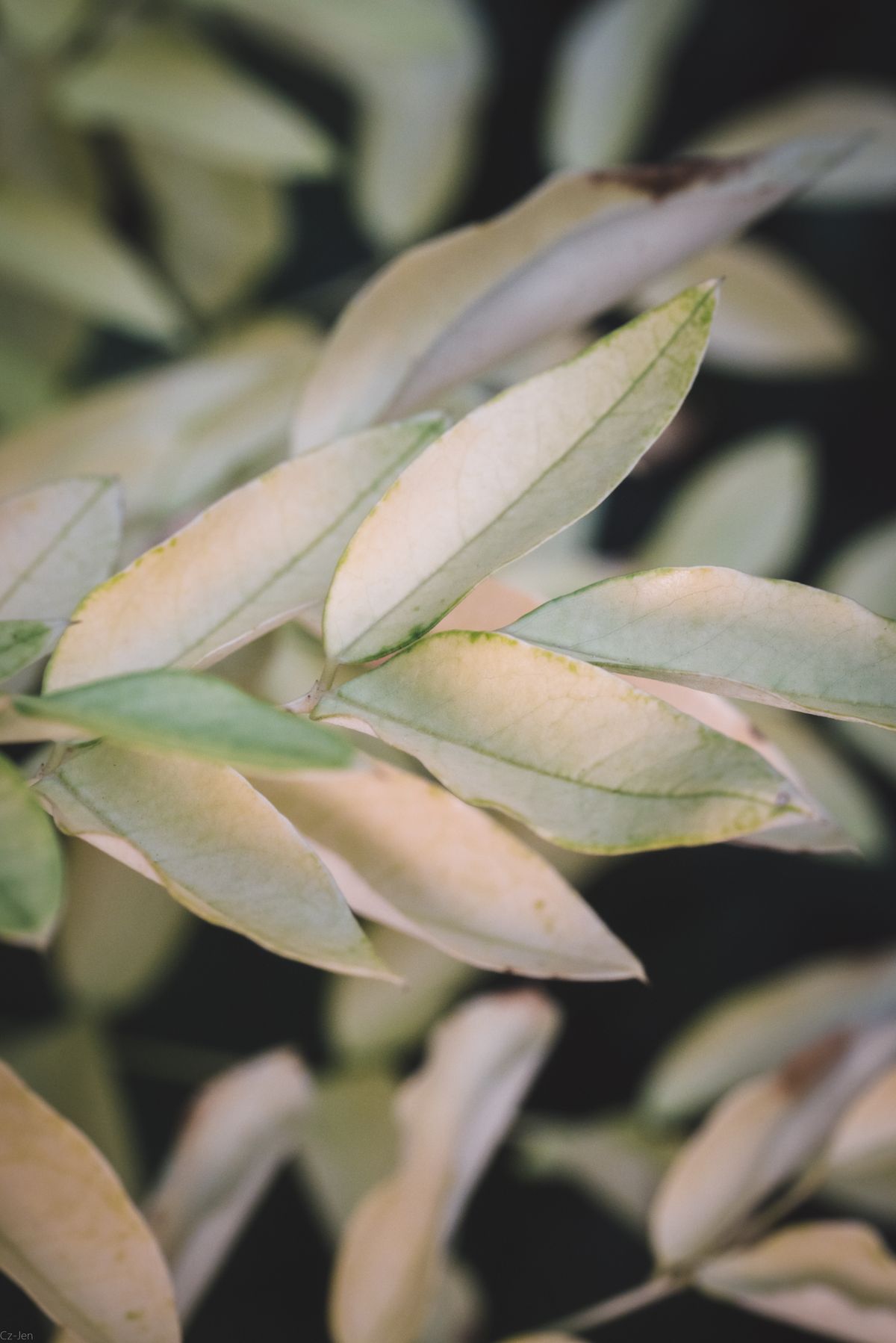
Snake plant losing color is almost always a light story. The most common cause is too little light, which mutes the bold green banding and fades bright variegation as the plant scales back its pigment production. Overwatering and root stress, propagating variegated types by cuttings, natural leaf aging, and sunscald bleaching can all drain color too. Once you know the cause, restoring vibrant leaves is refreshingly simple.
If a once-crisp, high-contrast snake plant (Dracaena trifasciata, formerly Sansevieria trifasciata) has gone pale and washed out, here is the science, the five causes, and the fixes.
Snake Plant Losing Color: The Fast Answer
Faded leaves are usually the plant quietly asking for better light. Snake plants build their signature banding using pigments that respond directly to light. When light drops too low, the plant produces less of the accessory coloring, so crisp dark-and-light bands blur into a flat, muted green. Check light levels first — if the plant sits in a dim corner and the newest leaves look pale and low-contrast, that's likely the answer.
The Science: How Pigments Create the Banding
Three pigment groups work together to paint each leaf. Chlorophyll is the green powerhouse driving photosynthesis; the darker green bands are simply zones packed with more of it. Carotenoids add yellow and gold tones, showing up in the pale margins and golden edges of varieties like 'Laurentii', and they also help protect the leaf from excess light. Anthocyanins contribute reddish or purple tints in some cultivars, often deepening under bright conditions as a natural sunscreen.
Light directs this whole show. In bright, indirect light, the plant expresses these pigments fully, creating sharp, high-contrast banding. In dim light, it dials pigment production down and leans on chlorophyll alone — which is why low light so often leaves a snake plant losing color and contrast.
Cause 1: Low Light Muting Color and Chlorophyll
Snake plants tolerate low light, but tolerating and thriving are different things. In a dim spot, the plant survives yet can't gather enough energy to display its full pigment range, so bold banding fades to a soft, uniform green — and without enough light, chlorophyll production itself weakens too, paling leaves from rich green toward a washed-out, yellowy tone. As Iowa State Extension confirms, snake plants "tolerate low light levels very well, although this can lead to muted leaf coloration and patterns."
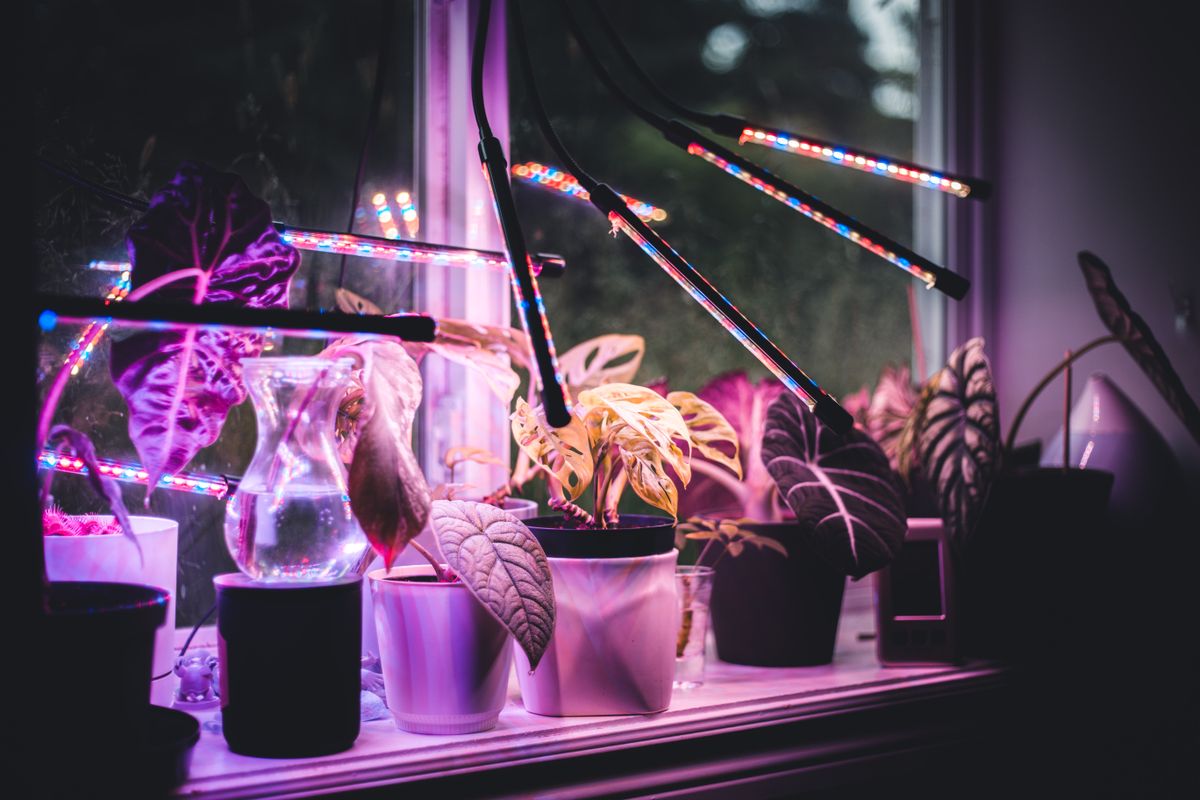
The fix: Move the plant to bright, indirect light, like a spot near an east- or west-facing window. Penn State Extension notes the snake plant "enjoys bright indirect light but tolerates low-light areas very well." If natural light is limited, a simple LED grow light running 12 to 14 hours a day helps the plant rebuild chlorophyll and pump out saturated green and crisp banding in fresh growth. Consistency is what matters — new leaves respond, not existing ones.
Cause 2: Overwatering and Root Stress
Soggy roots can steal a plant's color fast. Overwatering leads to root rot, and damaged roots can't absorb the water and nutrients that healthy, colorful leaves need, resulting in yellowing, fading, and dull foliage. The Why Do Snake Plant Leaves Turn Yellow? guide covers this chlorophyll-starvation mechanism in full — NC State Extension is clear that overwatering is the main risk for this plant.
The fix: Let the soil dry out completely between waterings, always use a pot with drainage holes, and choose a fast-draining cactus mix. If root rot has set in, the Why Are My Snake Plant Leaves Soft and Mushy? guide covers the full rescue protocol.
Cause 3: Propagation Reversion (Lost Variegation)
If a variegated snake plant was propagated from a leaf cutting, the new plant often loses its gold banding entirely and comes up plain green. This happens because cultivars like 'Laurentii' carry their color in a separate outer cell layer — a chimera — that a leaf cutting can't regenerate from. As Iowa State Extension explains, these varieties "lose their interesting coloration when propagated by cuttings" because "the variegation in these cultivars is created from a chimera." The Why Do Variegated Snake Plant Cuttings Turn Green? guide covers exactly why this happens at the cell layer, and the Chimeral Variegation in Snake Plants Explained guide covers the broader genetics.
The fix: For variegated types, always propagate by division, not cuttings — dividing at the rhizome keeps each new section's exact coloring intact. If the fading plant in question is a 'Moonshine' rather than a chimeral variety like 'Laurentii', the mechanism is different again: the Why Is My Moonshine Snake Plant Turning Green? guide covers its wax-layer-based color loss, which follows its own separate rules.
Cause 4: Natural Aging and Sunscald
Natural aging: the oldest, lowest leaves naturally fade, yellow, and decline over time as the plant redirects energy into fresh growth — this is completely normal. Simply trim spent leaves at the soil line and let new leaves take the spotlight.
Sunscald bleaching: too much harsh, direct sun does the opposite of low light, bleaching the leaf surface into pale, faded, tan patches, often on the side facing the window. The Snake Plant Brown Spots guide covers how to tell sunscald apart from other spotting patterns. The fix is the same either way: move to bright, indirect light, shielded by a sheer curtain, and acclimate slowly when shifting to brighter spots.
Cause vs. Fix Comparison Table
| Cause | Telltale Clue | Quick Fix |
|---|---|---|
| Low light / muted color | Flat, uniform green; blurred banding | Move to bright, indirect light |
| Overwatering / root stress | Soggy soil, yellowing, mushy base | Dry out soil; trim rotten roots |
| Propagation reversion | New cutting-grown plant is plain green | Propagate by division, not cuttings |
| Natural aging | Oldest lower leaves fade slowly | Trim spent leaves; normal process |
| Sunscald bleaching | Pale tan patches on sun-facing side | Shift to bright, indirect light |
Can Faded Banding Come Back?
Existing faded leaves won't recolor, but the plant's future growth can look completely different. Once a leaf has lost its banding to low light or reverted to plain green, that leaf is set for life — pigment expression is locked in as each leaf forms, so a washed-out leaf won't suddenly regain its crisp contrast no matter how much light gets added afterward.
The good news: new growth responds. Move the plant to bright, indirect light, and the fresh leaves it pushes out will emerge with rich, saturated green and sharp banding. The goal is always healthy new leaves, not rescuing old ones. For truly reverted variegated plants, only division from a still-variegated section will bring the gold color back.
A snake plant losing color looks worrying, but it's really just asking for better light and care. Once the five causes — dim light, root stress, propagation reversion, natural aging, and sunscald — are ruled in or out, the fixes are simple. Pigments follow light, so bright, indirect light brings out crisp, bold banding in every new leaf. Faded leaves won't recolor, and variegated cultivars need division to keep their golden edges, so plan ahead and propagate smart. Give a tough, forgiving Dracaena trifasciata the light it needs, and it will reward you with striking, vibrant leaves for years to come.
Care FAQ
Why is my snake plant losing color and turning pale?
The most common reason for a snake plant losing color is too little light. In dim spots, the plant produces less pigment and chlorophyll, so bold banding fades to flat green and leaves pale overall. Overwatering, root stress, natural aging, and sunscald can fade color too. Check light levels first for the quickest fix.
Will my snake plant's faded banding come back on the same leaves?
No, faded banding will not return on existing leaves. Pigment expression locks in when each leaf forms, so a washed-out leaf stays that way. But new growth will improve. Move the plant to bright, indirect light, and the fresh leaves it produces will emerge with rich green color and crisp, contrasting bands.
Why did my propagated snake plant lose its yellow variegation?
You likely propagated it from a leaf cutting. Variegated cultivars like 'Laurentii' get their color from a chimera, two genetically different tissue layers. Cuttings usually grow from tissue lacking the golden layer, so they revert to plain green. To keep the yellow banding, always propagate variegated snake plants by division at the rhizome instead.
How much light does a snake plant need to keep its color?
Bright, indirect light is ideal for vibrant banding and variegation. While snake plants tolerate low light, they lose contrast and turn muted there. Aim for a spot near an east, west, or south-facing window, out of harsh direct sun. If natural light is limited, an LED grow light keeps colors saturated and strong.
Can overwatering cause my snake plant to lose color?
Yes. Overwatering leads to root rot, and damaged roots can't deliver water and nutrients to the leaves. The result is yellowing, fading, and dull foliage. Let the soil dry completely between waterings, use a pot with drainage holes and fast-draining cactus mix, and trim any black, mushy roots before repotting in fresh, dry soil.
Does direct sun fade snake plant leaves too?
It can. While low light mutes color, too much harsh direct sun causes sunscald, bleaching the leaf surface into pale tan patches, usually on the side facing the window. Move the plant to bright, indirect light and acclimate it gradually over one to two weeks when shifting to brighter spots to prevent scorching.