Why Do Snake Plant Leaves Turn Yellow?
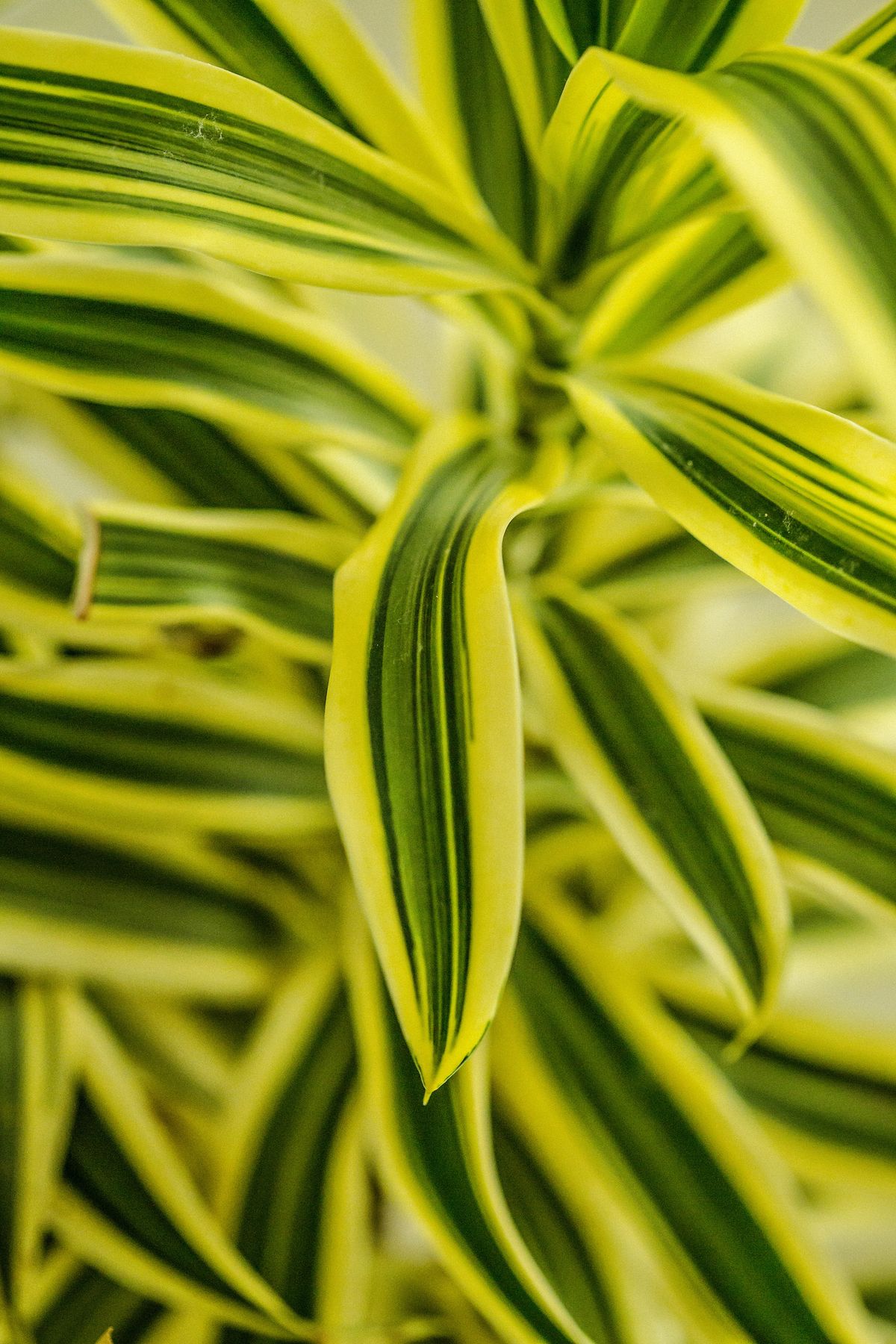
Snake plant leaves turn yellow because they are running low on chlorophyll, the pigment that keeps them green — and nine times out of ten, the reason for that is overwatering, not underwatering. Waterlogged soil suffocates the roots, and damaged roots cannot take up the iron and nutrients needed to produce chlorophyll, even if the soil itself is not deficient. Most people assume a yellowing plant needs more water. It almost always needs less.
If your first instinct on seeing a yellow leaf is to reach for the watering can, stop. That instinct is backwards for this particular plant, and it is the single most common mistake I see people make with it. (If the yellowing is showing up as distinct spots rather than an overall color shift, the Snake Plant Brown Spots guide covers that separate diagnostic pattern.)
Why Do Snake Plant Leaves Turn Yellow in the First Place?
Yellowing is chlorosis — a drop in chlorophyll production that lets the yellow and orange pigments already present in the leaf (which are normally masked by the dominant green) become visible. Green is not the leaf's only pigment; it is just the one that usually wins.
Chlorophyll synthesis depends heavily on iron, among other nutrients. Iron is directly involved in building the chlorophyll molecule and in assembling the protein structures inside the leaf that carry out photosynthesis. Research on iron-deficiency chlorosis has found that inadequate iron directly damages these light-harvesting structures and reduces chlorophyll synthesis in the leaf — a mechanism documented across plant species generally, including the general chlorosis chemistry at work here, even though that specific study was not conducted on sansevieria itself.
Overwatering: The Cause Nine Times Out of Ten
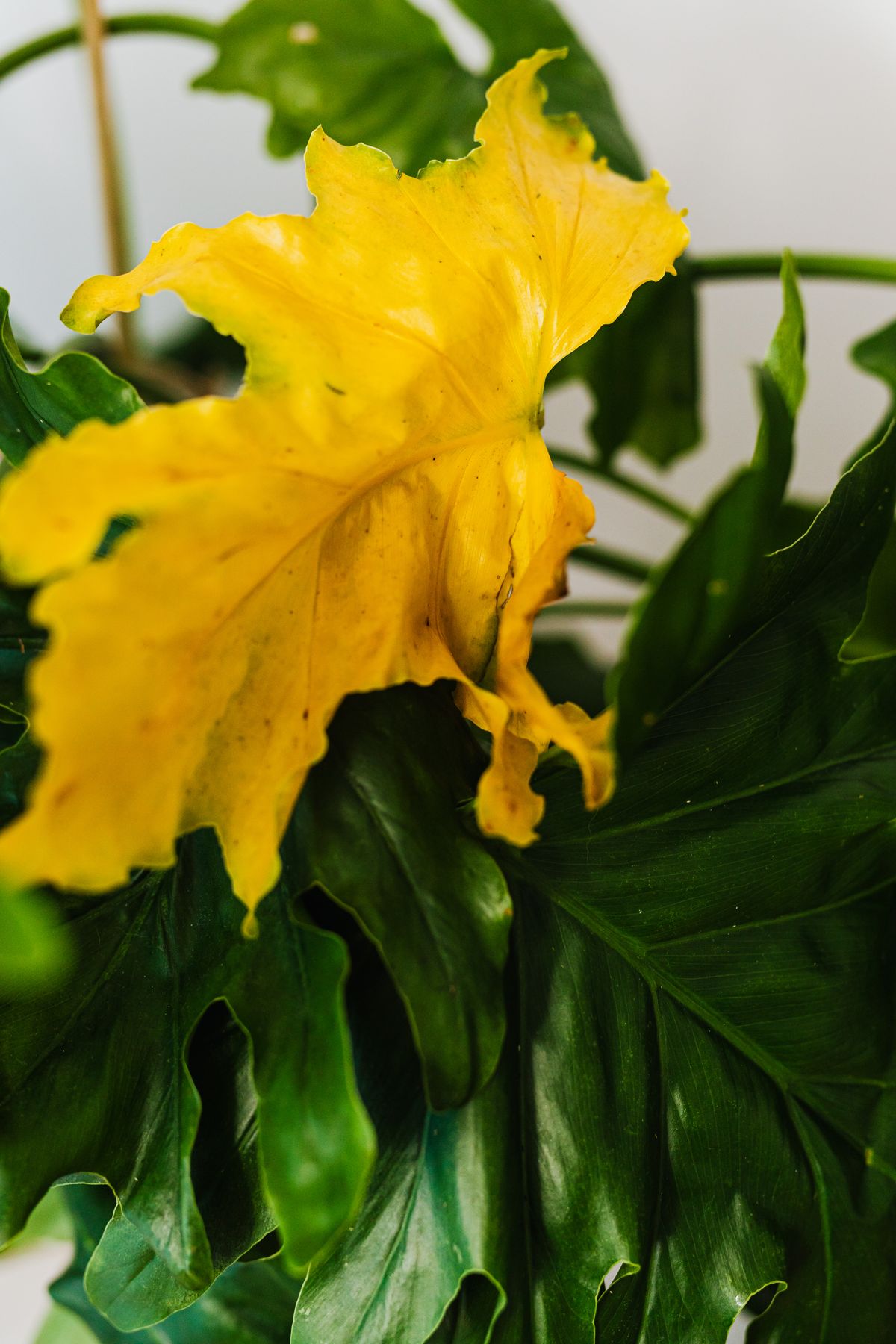
This is where the mechanism becomes specific to how sansevieria actually fails. Waterlogged soil blocks oxygen from reaching the roots, and roots without oxygen cannot function properly — including taking up iron and other nutrients, even when the soil itself has plenty available. The leaf ends up nutrient-starved not because the nutrients are missing, but because the damaged root system cannot deliver them.
A reader once told me she watered her first snake plant every week, sometimes twice when the soil felt even slightly damp — determined not to under-care for it. Within two months the leaves had turned yellow, then soft at the base. She read the yellowing as a sign the plant needed more water and kept going. By the time she stopped, the roots had rotted through. She had killed the toughest houseplant available, with kindness. If she had watered it once in those two months instead, it would likely still be alive.
The fix, if you catch it before that point, costs nothing: stop watering for 4-6 weeks and reassess. If the soil is wet at all when you check two inches down, do not add more. For the full diagnostic and rescue steps if the base has already gone soft, the Why Are My Snake Plant Leaves Soft and Mushy? guide covers that stage in detail.
Is This Just Old Leaves Naturally Dying Back?
Possibly, and this is worth ruling out before you assume anything is wrong. Sansevieria grows new leaves from the center of its rosette, gradually pushing older leaves toward the outer edge as new ones emerge. Those oldest, outermost leaves eventually yellow and die back on their own — a normal part of the growth cycle, not a symptom of anything.
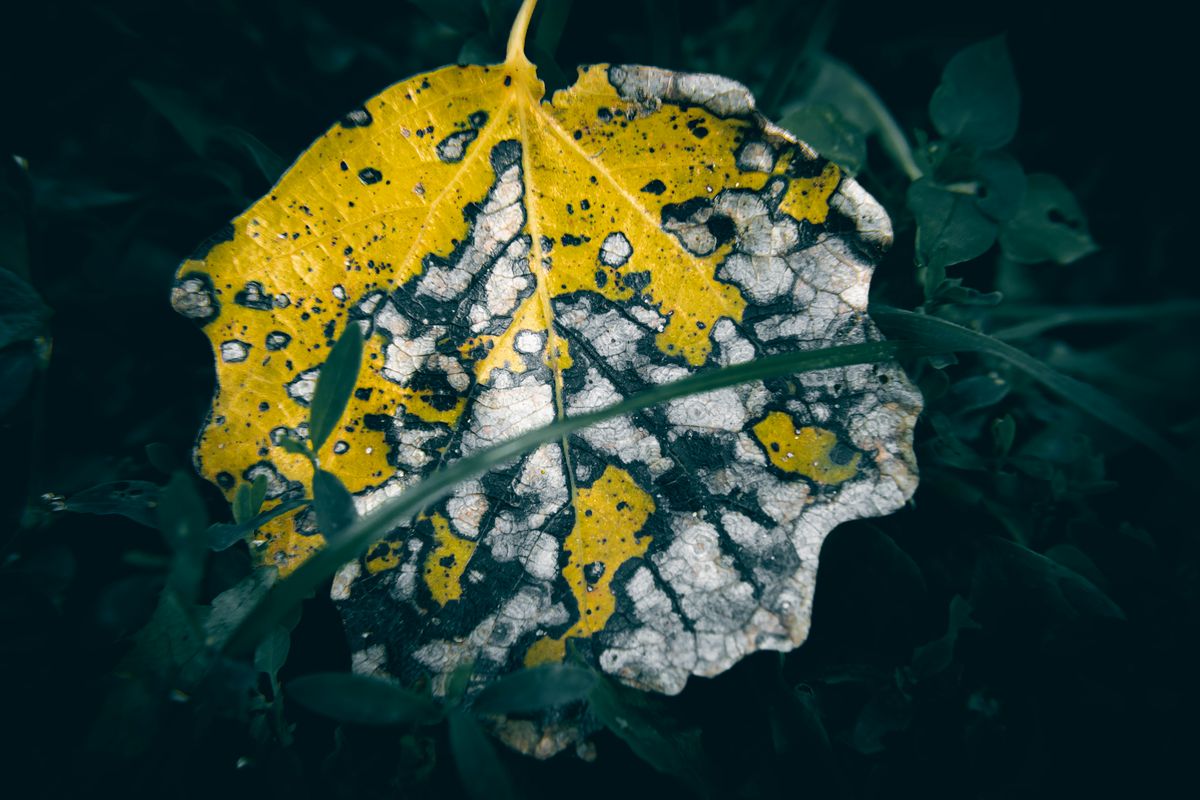
The pattern that distinguishes this from a real problem: natural aging affects one, occasionally two, of the oldest outer leaves at a time, while the rest of the plant stays firm and green. If several leaves are yellowing at once, or the yellowing shows up alongside a softer texture near the base, that points toward overwatering rather than ordinary aging.
Underwatering and Other Less Common Causes
Underwatering can eventually cause yellowing too, but only after prolonged, severe neglect well beyond the normal 2-6 week watering interval — and it typically shows up alongside wrinkling and thinning rather than as the first symptom on its own. Too much direct sun can bleach and yellow a leaf on the side facing the light, distinct from the base-up pattern overwatering produces. Temperature stress and pest feeding — mealybugs and spider mites in particular, which draw sap directly from the leaf — can also contribute to yellowing, though both are far less common than the overwatering pattern and each has its own more specific symptom pattern worth checking against first before assuming this is the cause.
Should You Remove Yellow Leaves?
Only fully or mostly yellow leaves are worth cutting, right at the base with clean scissors. A leaf that is only partly yellow and still firm is still doing some work for the plant and does not need to go. There is no benefit to aggressively trimming every leaf that shows the slightest tint — that just costs the plant tissue it could otherwise still use.
Will a Yellow Leaf Ever Turn Green Again?
No. The chlorophyll breakdown that produced the yellow color does not reverse on that tissue, regardless of what caused it or how quickly you fix the underlying issue. What correcting the cause actually does is stop further yellowing and protect the leaves that have not been affected yet — not restore the ones that already have. The Royal Horticultural Society's sansevieria growing guide confirms this same expectation for general plant recovery: correct the care, and new growth comes in healthy, but existing damage stays as it is.
For the broader picture of why this plant's biology makes it so specifically vulnerable to overwatering rather than drought, the Sansevieria Plant Botanical Guide covers the CAM photosynthesis and rhizome architecture behind it, the Sansevieria Morphology guide covers how the rosette's center-out growth pattern produces the natural aging sequence described above, and the Sansevieria Trifasciata guide covers this species specifically.
If you are looking at a yellow leaf right now, do not water. Check the soil two inches down first — if there is any moisture at all, put the watering can down and come back in four to six weeks.
Care FAQ
Why are my snake plant leaves turning yellow?
Nine times out of ten, overwatering. Waterlogged soil suffocates the roots, and damaged roots cannot take up iron and other nutrients needed to make chlorophyll, even if the soil itself is not deficient. Without enough chlorophyll, the green pigment fades and the underlying yellow becomes visible. Most owners assume yellowing means the plant needs more water — it almost always means the opposite.
Is it normal for old snake plant leaves to turn yellow?
Yes. Sansevieria grows new leaves from the center of the rosette, pushing older leaves toward the outside over time. Those oldest, outermost leaves naturally yellow and die back as part of normal aging, usually one leaf at a time rather than several at once. This is not a sign of a problem.
How can I tell if yellowing is overwatering or just old age?
Location and pattern are the key clues. Natural aging affects one or two of the oldest, outermost leaves at a time, and the rest of the plant stays firm and green. Overwatering-related yellowing tends to appear on multiple leaves at once, often paired with a softer texture at the base, and does not follow the oldest-leaf-first pattern as cleanly.
Will a yellow snake plant leaf turn green again?
No. Once a leaf has yellowed, the chlorophyll breakdown in that tissue does not reverse, regardless of the cause. Correcting the underlying problem stops further yellowing and protects new growth, but the already-yellow leaf stays that way. Removing it is a cosmetic choice, not something the plant needs.
Should I remove yellow leaves from my snake plant?
Only if the leaf is fully yellow or mostly yellow — cut it at the base with clean scissors. A leaf that is only partly yellow, especially if it is still firm, can be left in place; it is still contributing some function to the plant. There is no health benefit to aggressively removing every leaf with any yellow tint.
Can underwatering cause snake plant leaves to turn yellow?
Occasionally, but it is far less common than overwatering. Severe, prolonged underwatering can eventually cause yellowing alongside wrinkling and thinning, but a snake plant left dry for a normal 2-6 week interval will not yellow from lack of water. If you are unsure which direction you have gone wrong, check the soil before assuming underwatering is the cause.