
Snake Plant Pollen, Stigma and Fertilization Explained
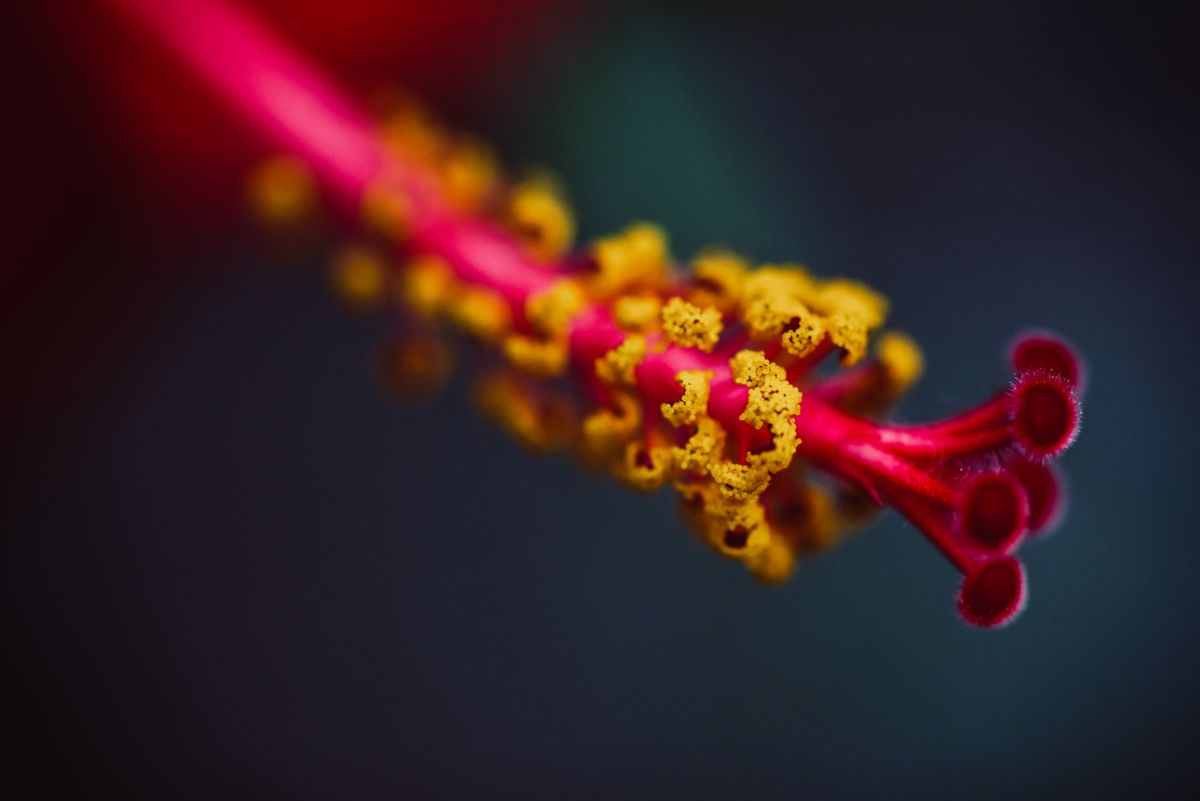
Snake plant fertilization is the hidden moment when a pollen grain fuses with an egg cell inside the flower, kicking off seed formation and the glossy orange berries you sometimes spot on a mature plant. It happens after pollen from the anther lands on a receptive stigma, grows a delicate tube down to the ovule, and delivers sperm cells for double fertilization. In a snake plant (Dracaena trifasciata, formerly Sansevieria trifasciata), this process is rare, precise, and genuinely fascinating.
Pollination and fertilization get used interchangeably, but they are different stages. Pollination is pollen reaching the stigma — the delivery. Fertilization is what happens next, deep inside the flower, when a sperm cell actually joins the egg — the union. This guide walks through that second, less-discussed stage in detail.
What Is Snake Plant Fertilization?
Fertilization is the fusion of male and female cells that creates a new seed — the true finish line of the flowering cycle. It only happens after a mature plant blooms with its fragrant, tubular, cream-colored flowers. According to the Royal Botanic Gardens, Kew, those blooms "may develop into small orange fruits." That word may is key: no fertilization means no fruit and no seeds.
The Flower's Working Parts, Briefly
Each flower carries both male and female structures — anthers that produce pollen, a sticky stigma that catches it, and an ovary holding the ovules that become seeds. The Snake Plant Flower Anatomy guide covers every part of that structure — tepals, stamens, ovary chambers — in full detail. The one relevant fact for fertilization: because every flower holds both anther and stigma, a snake plant has everything it needs to fertilize itself.
Pollen forms inside the anther in pollen sacs, released as a fine powder once the flower opens at night. Inside each grain sit the cells that will become two sperm cells — the two cells double fertilization depends on. The stigma, meanwhile, is coated in a sticky, sugary secretion that catches pollen and provides the moisture that triggers a grain to germinate; that receptivity syncs with the same night-blooming window the Why Do Snake Plant Flowers Open at Night? guide covers in full.
The Fertilization Process: From Pollen Tube to Double Fertilization
This is the heart of the process. Once a pollen grain sticks to a receptive stigma:
- Germination. The grain absorbs moisture from the sticky stigma and sprouts a slender pollen tube.
- Tube growth. The pollen tube burrows down through the style, tunneling toward the ovary, guided by chemical signals released by the ovule.
- Arrival. The tube reaches an ovule inside the ovary and delivers its two sperm cells to the egg apparatus.
- Double fertilization. One sperm cell fuses with the egg to form the embryo — the baby plant. The second sperm cell fuses with two other cells to form the endosperm — the nutrient-rich food supply that feeds the growing seed.
That two-for-one union is called double fertilization, and it's a hallmark of all flowering plants: one event builds the future plant, the other stocks its food supply, and both happen at once.
Where the Pollen Actually Comes From: Moths or Self-Fertilization
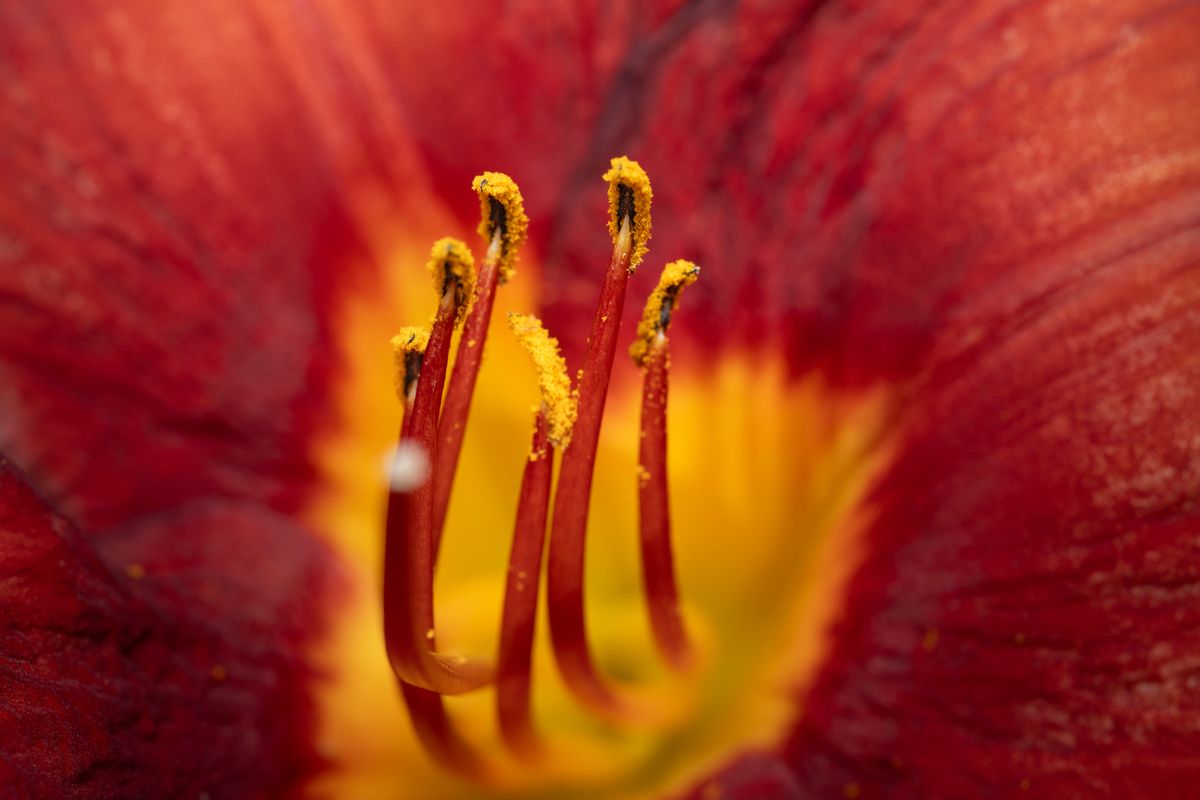
In the wild, snake plants rely on night-flying moths to carry pollen between plants — the What Pollinates Snake Plant Flowers in the Wild? guide covers the evidence for that pollinator and why the flower can't reliably fertilize itself without a carrier. Indoors, with no moths present, self-fertilization is the more likely route when berries do appear: pollen moving from a flower's own anther to its own stigma, nudged along by nectar or a light accidental brush.
Both routes lead to the same visible reward — an orange berry — but the genetics behind the resulting seed differ, which matters for the next two sections.
Nectar's Role in Fertilization
The sticky nectar along a flower stalk does more than lure moths. The Why Do Snake Plant Flowers Produce Sticky Nectar? guide covers its full chemistry, but the detail specific to fertilization is this: the same sugary coating that attracts pollinators also keeps the stigma moist enough for a landed pollen grain to germinate. Nectar is both the invitation and the launchpad — one reason fertilization so often succeeds during those fragrant, nectar-heavy evening hours.
From Fertilized Ovule to Ripe Berry
Once double fertilization is complete, the ovule gets to work: the embryo divides into a tiny plant-in-waiting, the endosperm builds up as its food store, and the ovule's outer layers harden into a protective seed coat. The Do Snake Plant Flowers Produce Seeds? guide covers that seed structure and count in full — each flower's three-chambered ovary caps out at three seeds. Wikipedia's Sansevieria entry sums up how rare the whole sequence is: "In nature, they are pollinated by moths, but both flowering and fruiting are erratic and few seeds are produced."
As the seeds mature, the ovary itself swells into the fleshy fruit familiar as the orange snake plant berry, ripening from green over several weeks to months — the Snake Plant Berries guide covers that ripening process and how to harvest the seeds once a berry is ready.
Why Self-Fertilized Seeds Can Be Weaker
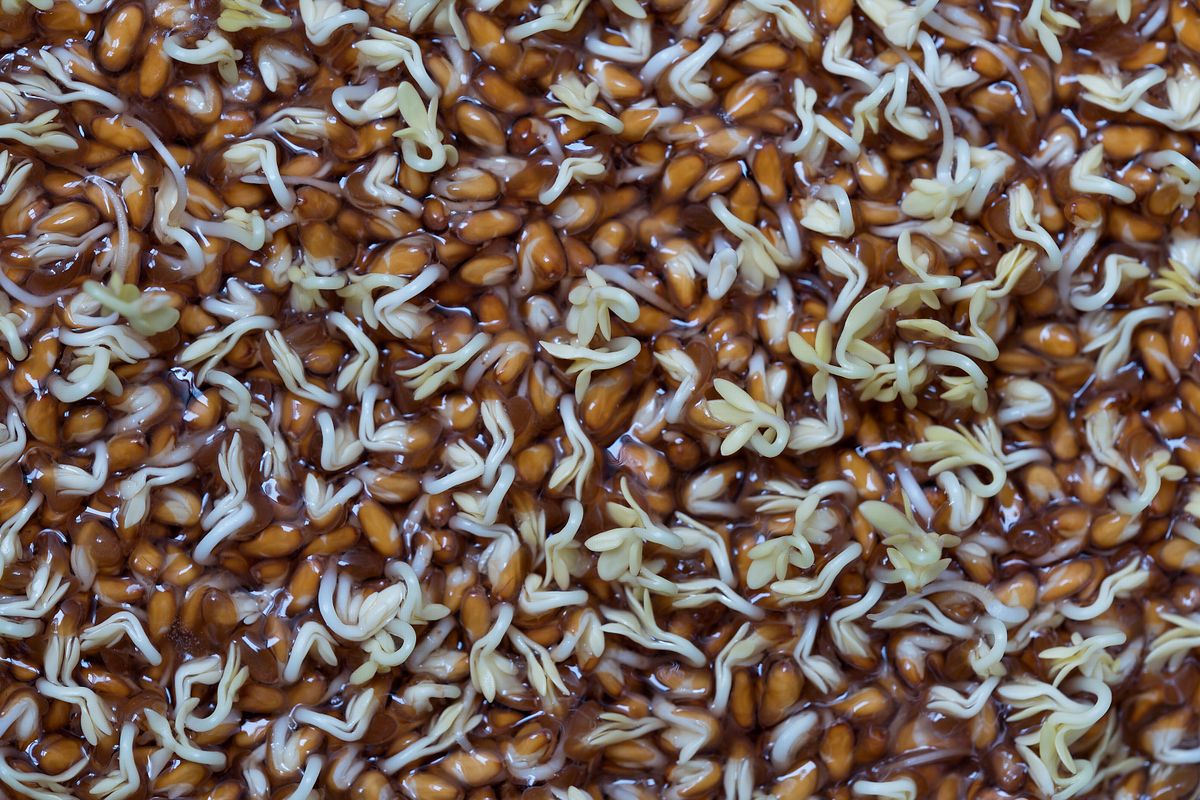
Self-fertilization comes with a genetic trade-off worth knowing before sowing any seeds. When a flower fertilizes itself, the offspring inherit genes from just one parent, limiting genetic variety. Wikipedia's entry on self-pollination notes that self-pollination "limits the variety of progeny and may depress plant vigor" — in plain terms, self-fertilized seedlings can be weaker, slower, or less uniform than seeds from cross-fertilization between two plants. The pollination guide covers this same inbreeding penalty in the context of why self-pollination behaves more like a last resort than a reliable strategy.
There's a separate catch for variegated cultivars like 'Laurentii': their striking colors don't pass through seed at all, regardless of how the seed was fertilized, so seedlings from any snake plant seed usually revert to plain green. For fast, strong, true-to-type plants, most growers skip seed-growing entirely and choose rhizome division instead — the Sansevieria Rhizome Division guide covers that process. Save the seed-growing route for the pure interest of watching something rare sprout.
Snake plant fertilization is a tiny, precise process — from a dusting of pollen to a bright orange berry full of seeds. The anther, stigma, pollen tube, and ovule all work together through double fertilization to build a new plant, and nectar chemistry helps make sure it succeeds. Next time a snake plant sends up a fragrant flower spike, that's exactly what's unfolding inside it.
Care FAQ
What is the difference between pollination and fertilization in snake plants?
Pollination is the transfer of pollen from the anther to the stigma. Fertilization happens afterward, when a pollen tube delivers sperm cells to the ovule and one fuses with the egg. Pollination is the delivery step, while fertilization is the actual union that creates a seed.
How does double fertilization work in a snake plant?
A pollen grain grows a tube down to the ovule and releases two sperm cells. One fuses with the egg to form the embryo, the future plant. The other fuses with two cells to form the endosperm, the seed's food supply. Both fusions happen together, which is why it is called double fertilization.
Can a snake plant fertilize itself?
Yes. Each flower carries both male anthers and a female stigma, so pollen can reach the stigma of the same plant. This self-fertilization is why a solo indoor snake plant sometimes produces orange berries without any moths or a second plant nearby.
How can I tell if snake plant fertilization was successful?
The clearest sign is fruit. After successful fertilization, the flower base swells into a green berry that ripens to orange over several weeks. If the flowers simply dry up and drop without swelling, fertilization did not occur.
Do I need moths to fertilize my indoor snake plant?
Not necessarily. Moths pollinate snake plants in the wild, but indoors you can hand-pollinate with a small brush, or the plant may self-fertilize on its own. Gently move pollen from the anthers to the stigma while flowers are open at night for the best results.
How long after fertilization do snake plant berries ripen?
Ripening takes several weeks to a few months. The fertilized ovary slowly matures from a small green fruit to a soft, glossy orange berry. Once it deepens in color and softens, the seeds inside are mature and ready to harvest.