
Snake Plant Seeds: Structure, Viability and Germination
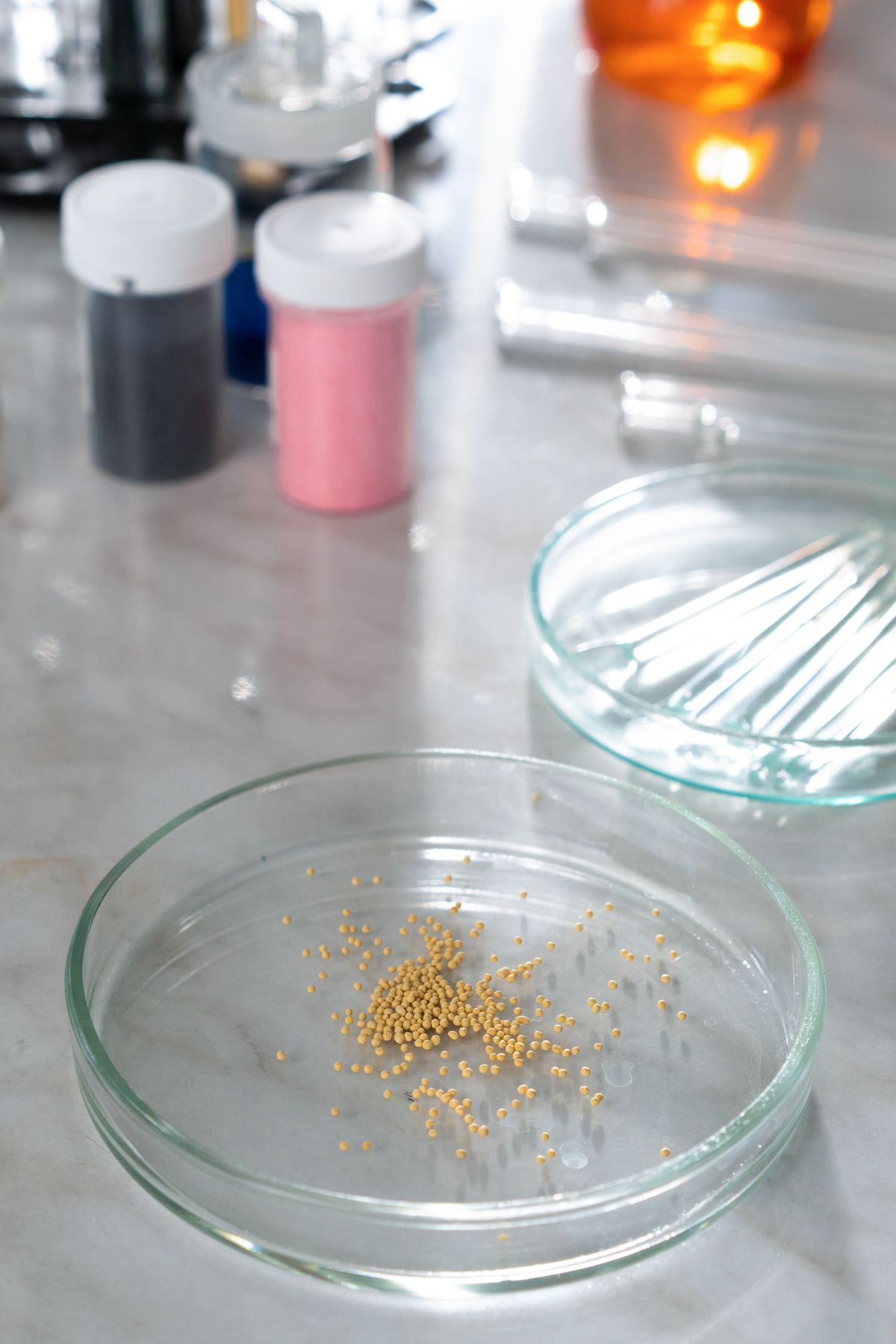
Snake plant seeds are small, hard, and slow to sprout, forming inside the orange berries that appear after a snake plant (Dracaena trifasciata, formerly Sansevieria trifasciata) flowers and gets pollinated. Each seed carries one embryo wrapped in a tough protective coat, and germination usually takes three to six weeks under warm, humid conditions. Growing snake plants from seed is possible, but it's slower and far less reliable than leaf cuttings or division.
If you already have seeds in hand — from a berry that ripened, or bought online — here is how to tell whether they're worth planting, and the exact steps to give them the best shot.
Where Snake Plant Seeds Come From
Each seed is the mature reproductive unit of the plant, tucked inside its ripe orange fruit — the Do Snake Plant Flowers Produce Seeds? and Snake Plant Berries guides cover how flowering, pollination, and berry ripening lead up to this point in full. The short version: after a flower is fertilized, the ovary swells into a berry holding one to three seeds, each with a single embryo. According to Wikipedia's entry on Sansevieria, "both flowering and fruiting are erratic and few seeds are produced" — even a healthy plant makes only a handful, and only once in a while. You may also see them listed as Sansevieria seeds, Dracaena trifasciata seeds, or mother-in-law's tongue seeds — all the same thing.
Each seed is built from a hard outer seed coat (testa) protecting the embryo inside, plus an endosperm that stores food for the embryo until it can photosynthesize on its own — the Snake Plant Fertilization guide covers how that structure actually forms after double fertilization. Physically, the seeds are roughly the size of a small pea, rounded, and pale to tan once cleaned — that firm, glossy coat is what protects the embryo through months of dormancy.
Snake Plant Seed Viability: How Long Do They Last?
Fresh seeds give the best shot at success, since viability — the seed's ability to sprout — drops fast as seeds age. For most houseplant and perennial seeds, viability runs one to three years when stored well; snake plant seeds sit at the shorter, trickier end of that range. They germinate best when planted soon after harvest, ideally within a few months — the longer they sit, the lower the germination rate climbs.
To keep seeds viable as long as possible: store them cool, dark, and dry, use an airtight container with a silica packet to fight moisture, and label them with the harvest date so you know their age. Warmth and humidity in storage are the enemies here — they trick the seed into wasting energy or invite mold, both of which kill viability quickly.
How to Test Seed Viability Before Planting
Before committing soil and weeks of waiting, test the seeds first.
The water float test is the fastest option. Drop the seeds into a glass of water and wait about 15 minutes. Seeds that sink are usually dense, full, and viable; seeds that float are often hollow or empty and rarely sprout. It's not perfect, but it's a quick first filter.
The paper towel test is more reliable. Fold a few seeds into a damp paper towel, seal it in a plastic bag, and keep it warm around 70 to 75°F. Check after two to three weeks for tiny roots — if several seeds sprout, the batch is good to plant. This method also gives the seeds a head start on germination.
Step-by-Step Snake Plant Seed Germination
- Harvest ripe seeds. Wait until the berries turn deep orange and soften, then squeeze or cut them open to release the seeds.
- Clean thoroughly. Rinse away every bit of fruit pulp — leftover flesh grows mold and rots the seed. Wear gloves, since the sap can irritate skin.
- Dry briefly. Let the cleaned seeds air-dry on a paper towel for a day.
- Prepare the mix. Fill a small pot or tray with a gritty, well-draining seed-starting mix, moistened lightly.
- Sow shallowly. Press each seed just below the surface — don't bury them deep.
- Cover and warm. Place a clear lid or plastic bag over the container to trap humidity, and keep it in a warm, bright spot with indirect light.
Then comes the wait. Germination usually takes three to six weeks, sometimes longer. Keep the mix barely moist, never soggy, and resist the urge to dig around checking on them.
Ideal Germination Conditions
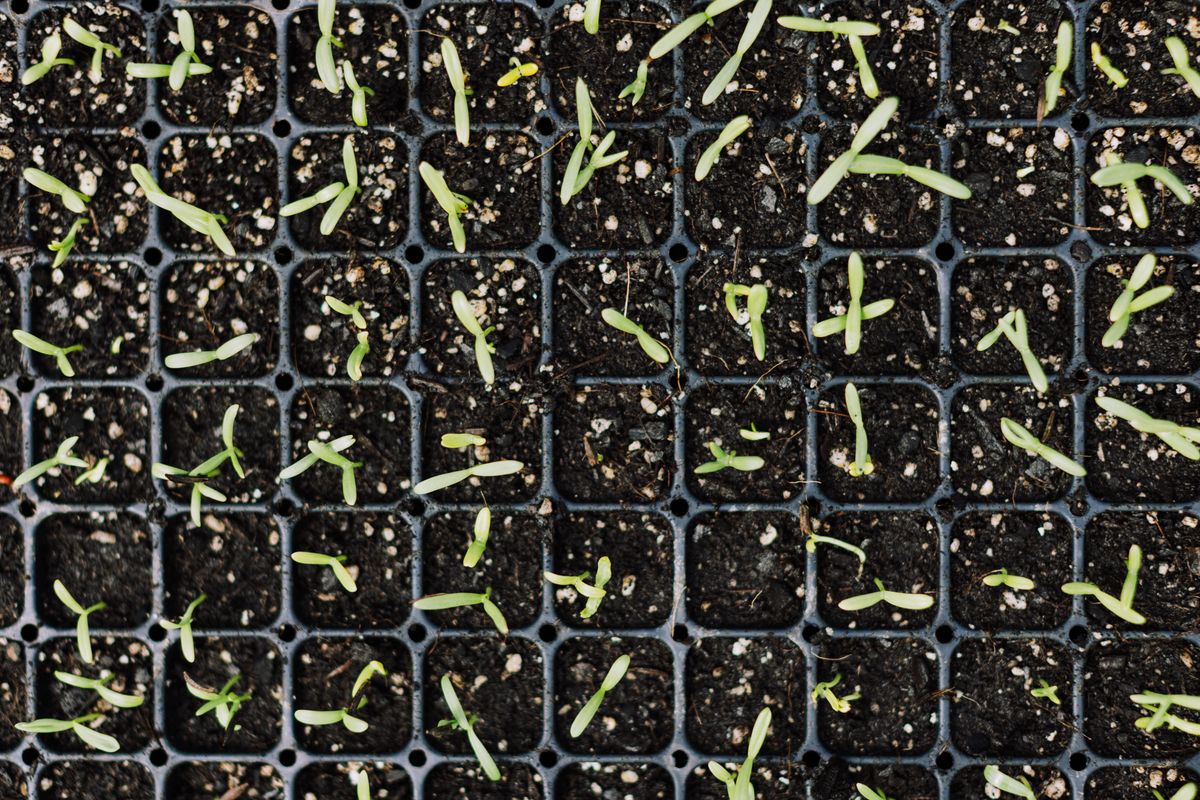
Three conditions move the needle most. Temperature: aim for a steady 70 to 80°F — a seedling heat mat works well in cooler homes. Moisture: keep the mix lightly damp, like a wrung-out sponge; too dry and the embryo stalls, too wet and it rots, and this balance is the single biggest factor in success. Soil: reach for a light, airy, well-draining mix made for succulents or seed starting, cut with perlite or coarse sand, so roots get the oxygen they need.
Bright, indirect light rounds out the setup. Once seedlings appear, keep them warm and let the top layer of soil dry slightly between waterings, the same as adult snake plants.
Seeds vs. Cuttings vs. Division: Which Wins?
| Method | Speed | Reliability | Keeps variegation? |
|---|---|---|---|
| Seeds | Slowest | Low germination rate | Not guaranteed |
| Leaf cuttings | Moderate | High | No (reverts) |
| Division | Fastest | Very high | Yes |
Seed propagation takes months and offers a low, unpredictable germination rate. Leaf cuttings root reliably in soil or water and give new plants in weeks — the Leaf Cutting Propagation in Sansevieria guide covers that method step by step. Division, splitting the rhizome and roots, is the quickest and most dependable method of all.
If a variegated cultivar like 'Laurentii' matters to you, this comparison isn't close: Wikipedia notes these cultivars "do not come true to type from leaf cuttings, and therefore must be propagated by rhizome division to retain the variegation," and the same limitation applies to seed-grown plants, since the chimeral variegation lives in a specific cell layer that seeds and cuttings alike can't pass on — the Chimeral Variegation in Snake Plants Explained guide covers exactly why.
Why Seeds Are Rarely Used Commercially
Commercial growers need speed, consistency, and plants that look exactly like the parent. Snake plant seeds fail on all three counts: flowering is erratic, few seeds form per plant, germination is slow and spotty, and variegated types don't come true from seed anyway. Rhizome division and tissue culture give nurseries thousands of identical, market-ready plants far faster, and seeds simply can't compete on scale — which is part of why the seed packets occasionally sold online are often mislabeled or low quality, and many disappointed buyers report nothing sprouting at all.
Snake plant seeds are a fascinating peek into plant biology, from that tough protective coat to the slow, patient germination inside a warm, humid tray. Growing them is a fun experiment for curious plant lovers, but keep expectations realistic — for fast, reliable, true-to-type plants, reach for division or leaf cuttings instead. Save the seeds for the joy of watching something rare and stubborn finally sprout.
Care FAQ
How long do snake plant seeds take to germinate?
Most snake plant seeds sprout in three to six weeks under warm, humid conditions around 70 to 80°F. Some take even longer, and a portion may never sprout at all. Fresh seeds germinate faster and more reliably than old ones.
Are snake plant seeds hard to grow?
Yes, they are one of the trickier options. Germination rates are low and unpredictable, and the process is slow. Warmth, steady moisture, and fresh seeds improve the odds, but leaf cuttings and division are far easier and more dependable.
Can you grow a variegated snake plant from seed?
Usually not. Variegated cultivars like 'Laurentii' are periclinal chimeras, so their seedlings typically revert to plain green. To keep the variegation, propagate by rhizome division instead of seeds or leaf cuttings.
Where do snake plant seeds come from?
They form inside the orange berries that develop after a snake plant flowers and gets pollinated. Each berry holds one to three seeds. Flowering and fruiting are rare, especially indoors, so seeds are genuinely uncommon.
How do I know if my snake plant seeds are viable?
Try the water float test: viable seeds usually sink, while empty ones float. For a surer check, sprout a few in a damp paper towel inside a sealed bag kept warm for two to three weeks. Fresh seeds are always the safest bet.
Is it better to grow snake plants from seeds or cuttings?
Cuttings win almost every time. Leaf cuttings root reliably in weeks, and division is even faster while preserving variegation. Seeds are slow, unpredictable, and will not reproduce fancy cultivars true to type.