
Snake Plant Fertilizer Burn: 5 Deadly Signs & Fixes
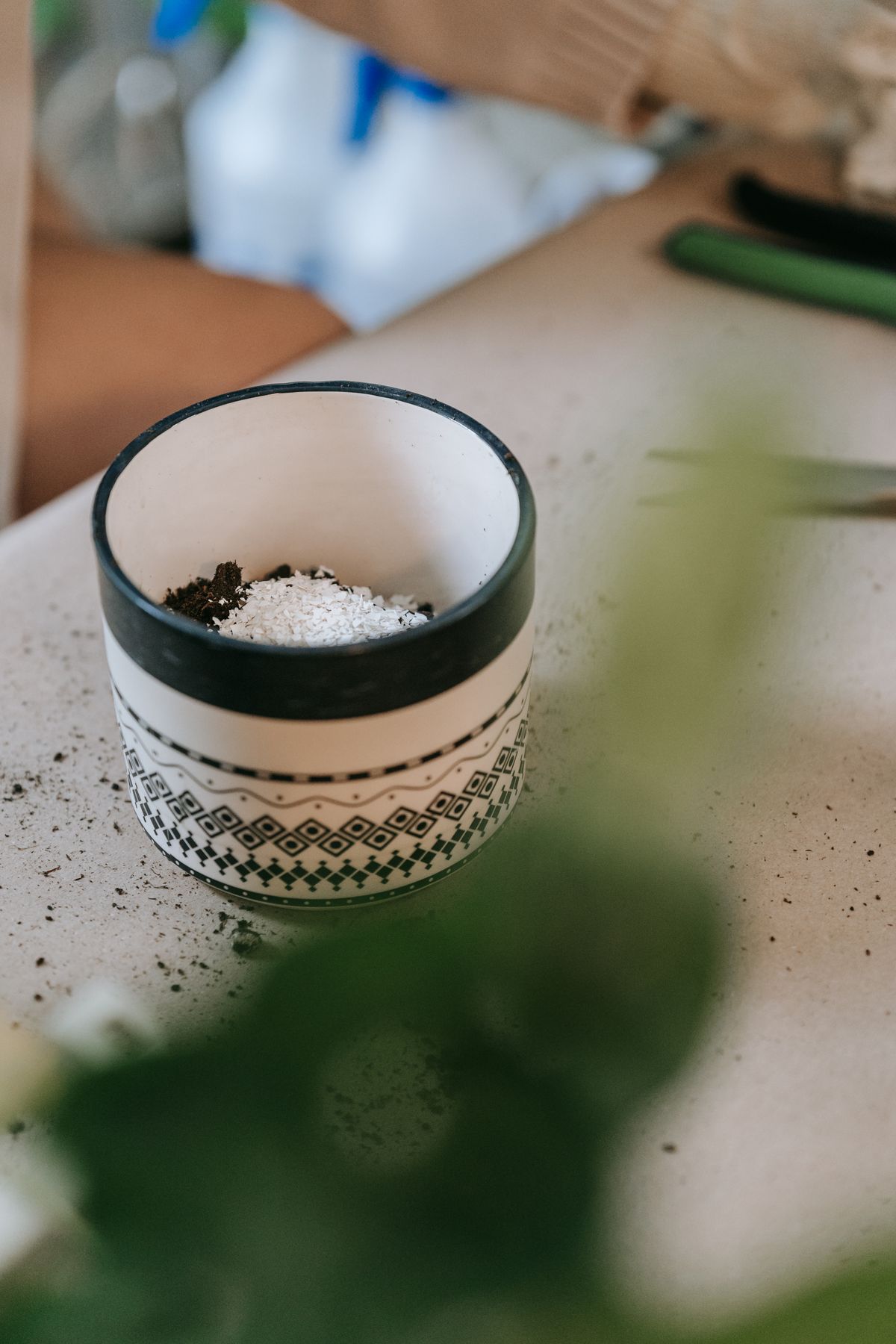
Snake plant fertilizer burn is a common, fixable injury caused by too many fertilizer salts building up in the soil, which pulls water out of the roots and scorches the leaves. It shows up as crispy brown tips, a white crust on the soil, and yellowing leaves. Caught early, a tough, forgiving snake plant bounces back with a few simple steps.
If once-firm, striking leaves suddenly look burnt and sad after feeding, here is exactly what to look for and how to nurse the plant back to health, fast.
The Osmotic Science Behind Snake Plant Fertilizer Burn
Fertilizer burn is really a water problem in disguise. Fertilizer dissolves into salts in the soil, and roots absorb water through osmosis, where water naturally moves toward areas with more dissolved minerals. Normally, the inside of the root is saltier than the surrounding soil, so water flows inward to feed the plant.
But when a plant is overfed, the soil becomes saltier than the roots. The flow reverses — instead of water moving into the plant, it gets drawn out of the root tips and into the soil. The roots dehydrate, the tips die back, and the leaves scorch, even when the soil feels moist. That's the twist of osmotic injury: the plant is thirsty while sitting in wet soil.
5 Signs of Fertilizer Burn to Spot Fast
Burned leaves have a telltale look. Watch for these five warning signs.
- Brown, crispy tips and edges. The classic clue — leaf tips and margins dry out, turn brown, and feel papery, since the tips are the first to lose water.
- White salt crust on the soil or pot rim. A yellow-to-white crusty film on the soil surface or around the pot's edge is leftover fertilizer salts — the smoking gun.
- Yellowing leaves. Whole leaves may fade to yellow as the roots struggle to move water and nutrients properly.
- Reduced or stunted new growth. High salt levels stress the plant, so fresh leaves come in small, slow, or not at all.
- Wilting despite moist soil. The strangest sign of all — the plant droops and looks thirsty even though the soil is damp, because the salts are pulling water away from the roots.
Spot two or three of these together after feeding, and fertilizer burn is confirmed. (If the tips are crispy but there's no salt crust or recent feeding involved, the Snake Plant Brown Tips guide covers the other six causes of tip browning, including underwatering and fluoride.)
How to Confirm It's Fertilizer Burn, Not Other Problems
Fertilizer burn can look like a few other snake plant troubles, but the clues are easy to separate.
Fertilizer burn vs. underwatering: both cause dry, brown tips. The difference is the white salt crust and a recent feeding — underwatering comes with bone-dry, lightweight soil and no crust. If the soil is moist but the leaves still scorch, salts are the culprit.
Fertilizer burn vs. fluoride toxicity: snake plants and their Dracaena relatives are sensitive to fluoride in tap water, which also browns the tips and margins. The tell: fluoride damage builds slowly over months with no salt crust, while fertilizer burn appears soon after feeding and leaves that giveaway crust behind.
Fertilizer burn vs. root rot: both can cause yellowing and wilting, but root rot follows overwatering and brings soft, mushy roots and a foul, rotten smell — the Why Are My Snake Plant Leaves Soft and Mushy? guide covers that pattern in full. Fertilizer burn leaves the roots dry and dehydrated instead, with that telltale surface crust.
Match the timing to a recent feeding and look for the crust, and the diagnosis clicks into place.
Step-by-Step Recovery Guide
Rescuing a salt-scorched snake plant is easier than it looks. Follow these steps.
- Scrape off the crust. Gently remove the top quarter-inch of crusty, salt-caked soil. Don't dig deeper, and don't add fresh soil on top to hide it.
- Flush the soil thoroughly. Leach the pot with plain water equal to about twice the pot's volume, letting it drain fully out the bottom. This washes the excess salts away.
- Trim the damaged leaves. Snip off brown, crispy sections with clean, sharp scissors, following the leaf's natural pointed taper so the cut blends in seamlessly.
- Hold all fertilizer. Give the plant a long break from feeding, at least a couple of months, so it can recover without more salt stress.
- Repot if the damage is severe. If the salt buildup is extreme or the pot has no drainage, repot into fresh, fast-draining cactus mix and a container with drainage holes.
Firm, healthy new growth is the sign recovery worked.
The Right Fertilizer Schedule for Snake Plants
Snake plants are slow, low-maintenance growers that need very little food. Use a balanced, all-purpose houseplant fertilizer at half strength (or even quarter strength), and feed only during the active growing season. According to Iowa State University Extension, excess salts from too much fertilizer are a direct cause of brown leaf tips — less truly is more.
Feed just twice a year: once in spring and once in midsummer. Skip fall and winter entirely, when reduced light and cooler temperatures slow growth to a crawl. As Washington State University Extension notes, "during the winter months, little or no fertilizer needs to be added because reduced light and decreased temperatures results in reduced growth. Fertilizing at this time could be detrimental to some houseplants." Always feed a plant that's already been watered, and let some solution run out the drainage holes to prevent salt buildup.
Extra: Organic vs. Synthetic Fertilizers — Which Burns Less?
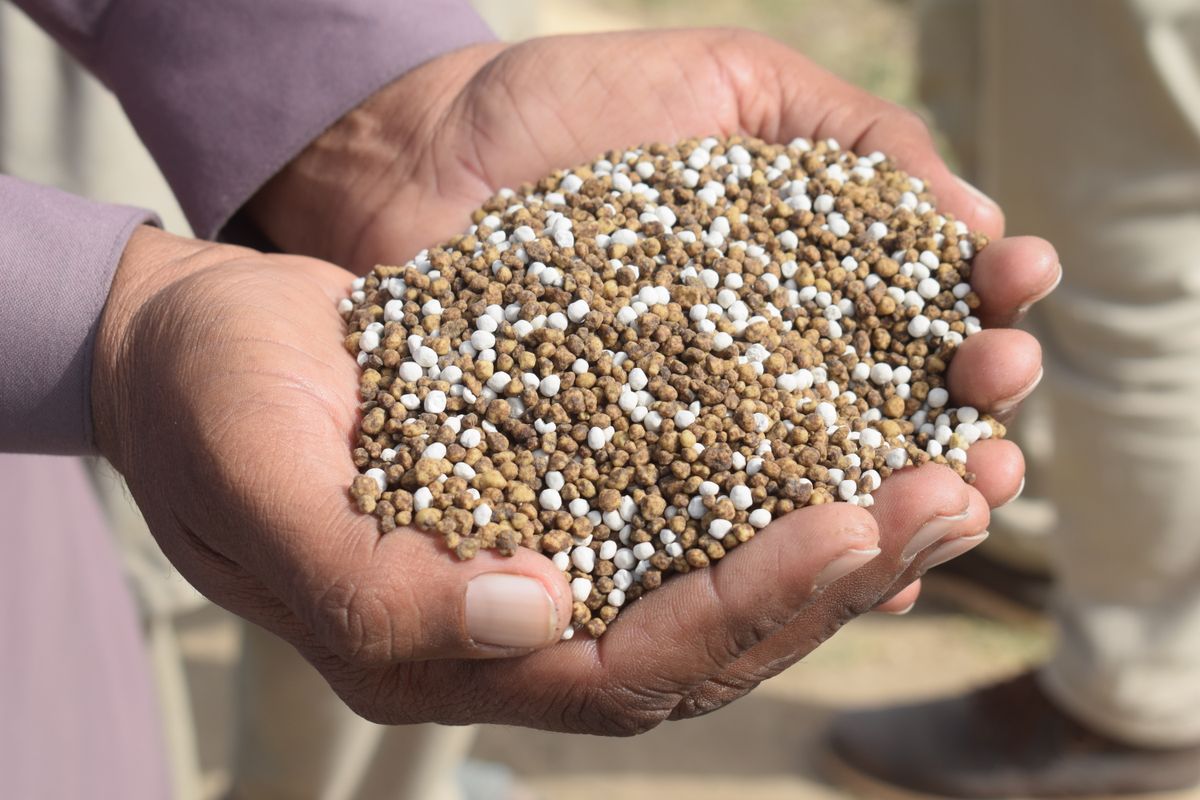
Not all fertilizers carry the same burn risk. Synthetic fertilizers are fast-acting — their nutrients dissolve and become available to roots almost instantly after watering. That's convenient, but risky, since those readily available salts can burn tender roots quickly if overapplied. WSU Extension notes synthetic feeds "are more likely to burn plant roots if applied incorrectly."
Organic fertilizers work slowly and gently. Their nutrients are bound up in carbon and must break down before the plant can use them, meaning fewer free salts hit the roots at once, so the burn risk is much lower.
For a slow-growing, salt-sensitive snake plant, a diluted organic or gentle slow-release fertilizer is the safer bet. If synthetics are preferred, dilute well and feed sparingly.
Extra: How to Leach Soil Correctly
Leaching is a quick rinse that flushes out salt trouble, and it's the single best way to reverse and prevent snake plant fertilizer burn. Leaching means running lots of water through the soil to wash away built-up salts. WSU Extension recommends using water equal to twice the volume of the pot — a six-inch pot that holds about 10 cups of water needs roughly 20 cups to leach it thoroughly.
- Remove the crust first. Scrape off any salt crust on the soil surface, but no more than a quarter-inch.
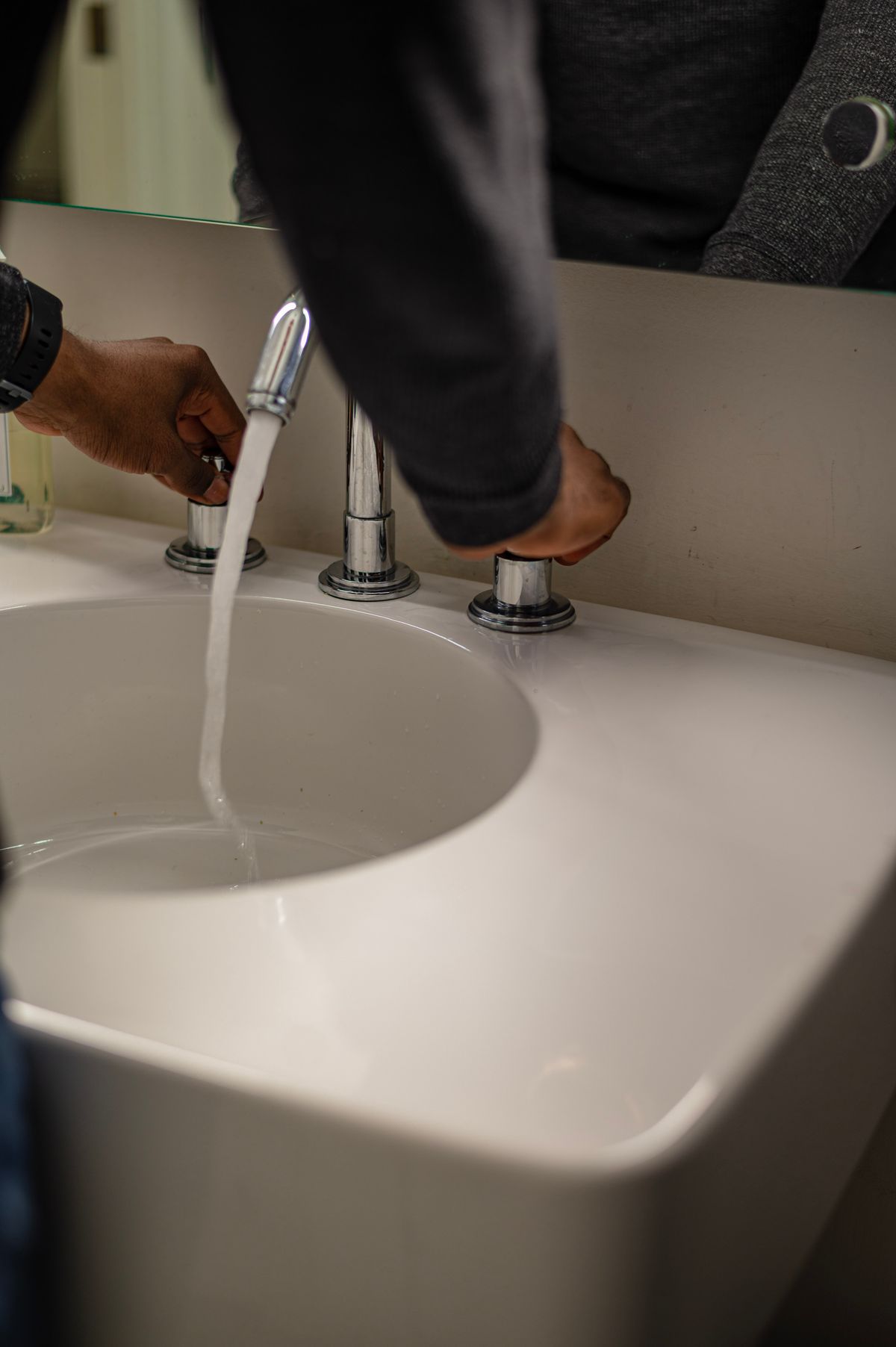
- Move to a sink or tub. Set the pot somewhere the water can drain freely.
- Pour slowly and steadily. Run water through the top of the soil, letting it flow out the drainage holes continuously.
- Use the 2× rule. Keep pouring until twice the pot's volume has run through the soil.
- Let it drain fully. Allow all excess water to escape, then empty any saucer so the plant never sits in salty runoff.
Repeat every four to six months to stay ahead of trouble.
Snake plant fertilizer burn looks alarming, with those crispy brown tips and that crusty white soil, but recovery is simple. Overfeeding creates salty soil that pulls water right out of the roots, so scrape the crust, leach with twice the pot's volume of water, trim the damage, and give feeding a long rest. Feed lightly only in spring and midsummer, lean toward gentle organic options, and leach every few months to stay ahead of trouble. Spot the five signs early, act fast, and a striking, sword-like snake plant will thrive for years to come.
Care FAQ
What does snake plant fertilizer burn look like?
Snake plant fertilizer burn shows as brown, crispy leaf tips and edges, a yellow-to-white salt crust on the soil surface or pot rim, and yellowing leaves. You may also see stunted new growth and wilting even though the soil feels moist. That crust plus a recent feeding is the clearest confirmation.
How do I fix fertilizer burn on a snake plant?
Start by scraping off the top quarter-inch of crusty soil. Then leach the pot with water equal to twice its volume, letting it drain fully to flush out salts. Trim damaged leaves along their natural taper, and hold off on all fertilizer for a couple of months. If the buildup is severe, repot in fresh, well-draining mix.
How often should I fertilize a snake plant?
Very lightly. Feed just twice a year, once in spring and once in midsummer, using a balanced houseplant fertilizer at half or quarter strength. Skip fall and winter entirely, when the plant is resting. Always feed after watering, and let some solution drain out the bottom to prevent salt buildup.
Can fertilizer burn kill a snake plant?
It can if left unchecked, since severe salt buildup dehydrates and kills the roots, and dead roots cannot support the plant. Caught early and treated with a thorough leaching, most snake plants recover well. Act fast when the signs appear.
Should I repot after fertilizer burn?
Only if the damage is severe. For mild cases, scraping the crust and leaching the soil is usually enough. But if the salt level is extremely high, the crust keeps returning, or the pot lacks drainage holes, repot into fresh, fast-draining cactus mix and a container with proper drainage.
Is organic fertilizer safer for snake plants?
Generally, yes. Organic fertilizers release their nutrients slowly as they break down, so fewer free salts reach the roots at once, lowering the burn risk. Synthetic feeds act fast but can burn roots more easily if overapplied. For a slow-growing snake plant, a diluted organic or gentle slow-release option is the safer choice.