
Cold Damage in Snake Plant Leaves
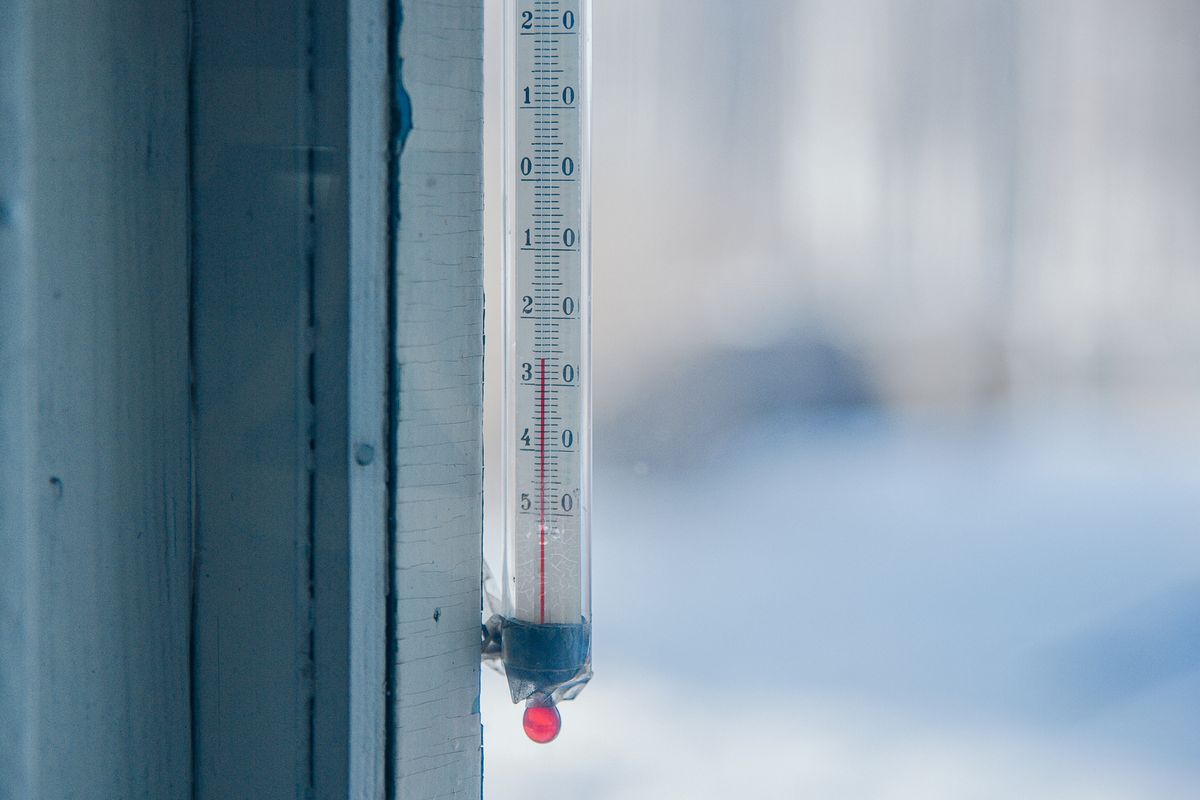
Snake plant cold damage shows up as drooping leaves, soft mushy tissue, translucent water-soaked patches, and yellow or black tips, usually after a plant sits below 55°F or catches a chilly draft. It happens because the snake plant (Dracaena trifasciata, formerly Sansevieria trifasciata) is a tropical native that can't handle the cold. Caught early, most chilled plants bounce back with a few simple fixes.
If once-stiff, sword-like leaves suddenly look limp and sad after a cold snap, here is exactly what to look for and how to nurse the plant back to health.
Snake Plant Cold Damage: The Fast Answer
Cold damage is tissue injury caused when temperatures drop too low for this warmth-loving plant. Snake plants come from tropical West Africa, so they need steady warmth. When they get too cold, the water inside their fleshy leaves gets disrupted, cells rupture, and firm foliage turns soft, mushy, or translucent. Check three things: are the leaves drooping, are they soft to the touch, and did they recently sit somewhere chilly? If yes, this is cold damage, and quick action makes the difference.
Ideal Temperatures vs. Danger Zones
Knowing the actual numbers keeps a snake plant out of trouble.
- Ideal range (70–90°F): the sweet spot where the plant grows happy and strong. Iowa State Extension confirms sansevieria "prefer it a little warmer," with 70 to 90 degrees Fahrenheit being ideal.
- Tolerable but cool (55–69°F): the plant survives here, but growth slows. It handles brief dips to around 50°F, as NC State Extension notes, without lasting harm.
- Danger zone (below 55°F): prolonged exposure here starts chilling injury — avoid anything below 55°F, especially in winter.
- Freeze zone (below 32°F): frost damage strikes fast and hard. Freezing bursts the cells inside the leaves, causing severe, often permanent injury.
Keep the plant firmly in that warm range and cold trouble is largely avoided.
7 Visual Symptoms of Cold Damage
Cold-damaged leaves have a telltale look. Watch for these seven warning signs.
- Drooping leaves. A normally stiff, upright leaf starts to lean, flop, or collapse at the base — often the very first clue.
- Soft, mushy tissue. Firm leaves turn squishy and waterlogged when gently squeezed. Healthy leaves should feel solid.
- Translucent, water-soaked patches. Cold-injured spots look glassy and see-through, a sign the cells have ruptured inside.
- Yellow tips. Early tissue death often shows as yellowing at the leaf tips or edges.
- Black or brown tips. As the damage deepens, those tips darken to brown or black.
- Base collapse. In serious cases, the whole leaf gives way at the bottom and topples over.
- Mushy, discolored spots on the leaf surface. Scattered soft blotches appear where cold hit hardest, especially on leaves touching a cold window.
Spot two or three of these together after a chill, and cold damage is confirmed. (If the browning is confined to just the tips rather than the whole leaf going soft, the Snake Plant Brown Tips guide covers that narrower symptom pattern, including cold drafts as one of its seven causes.)
How to Tell Cold Damage From Other Problems
Cold damage can look like a few other snake plant troubles, but the clues are easy to separate.
Cold damage vs. root rot: these overlap because both cause soft, mushy, collapsing leaves. The difference is the trigger and the smell. Cold damage follows a temperature drop, a draft, or a cold night. Root rot follows overwatering and often carries a foul, rotten odor from the soil — the Why Are My Snake Plant Leaves Soft and Mushy? guide covers that mechanism and its rescue protocol in full. One tricky overlap: cold plus wet soil can actually cause root rot too, since chilled roots sitting in water rot faster.
Cold damage vs. bacterial soft rot: both produce soft, translucent tissue, but soft rot brings a strong, foul stench and spreads within a day or two, while cold damage follows a specific chilly event and has no smell of its own. The Snake Plant Bacterial Soft Rot guide covers that faster-moving, foul-smelling disease in detail.
Cold damage vs. sunburn: sunburn leaves dry, papery, bleached tan patches on the sun-facing side. Cold damage leaves soft, wet, translucent tissue instead. Dry means sun, mushy means cold.
Cold damage vs. normal aging: old leaves yellow slowly from the bottom, one at a time, with no sudden droop. Cold damage hits fast, right after a chilly spell, and affects several leaves at once.
Match the timing to a recent cold event, and the diagnosis clicks into place.
Step-by-Step Cold Damage Recovery Guide
Reviving a chilled snake plant is easier than it looks, and most plants pull through. Follow these steps.
- Move it to warmth right away. Relocate the plant to a cozy spot between 70°F and 80°F, far from any cold window, door, or draft. Warmth stops the damage from spreading.
- Hold off on watering. Cold-damaged tissue plus wet soil invites root rot. Let the soil stay dry while the plant stabilizes.
- Wait before cutting. Give the plant a few days to reveal the full extent of the injury — some leaves that look shocked may firm back up on their own.
- Trim the mush. Once damage is clear, use clean, sharp scissors to remove leaves that are fully soft, black, or collapsed, cutting them at the base.
- Leave the firm, green leaves. Any leaf still stiff and healthy stays put — it keeps feeding the plant during recovery.
- Check the roots if the base is soft. If several leaves collapsed at the base, unpot gently, trim any black mushy roots, and repot in dry, well-draining cactus mix — the same core process the soft and mushy leaves guide walks through step by step.
- Resume gentle care. After a week or two of warmth, water lightly only when the soil is fully dry, and keep the plant in bright, indirect light.
New growth from the rhizome is the sign recovery worked.
Hidden Cold Draft Sources Indoors
Cold drafts are sneaky, and they're the number one cause of indoor cold damage. Even a warm room can have chilly pockets that quietly injure a snake plant. Iowa State Extension specifically warns to "avoid cold drafts, especially in winter." The usual suspects:
- Cold windowsills. Leaves pressed against frosty winter glass chill fast, even in a heated home.
- Exterior doors. Every time the door opens in winter, a blast of cold air rushes over nearby plants.
- Drafty single-pane windows. Old windows leak cold air steadily all season.
- Air conditioning vents. In summer, a plant sitting under an AC vent gets hit with a constant cold stream.
- Unheated rooms. Garages, sunrooms, entryways, and basements often dip below safe temperatures overnight.
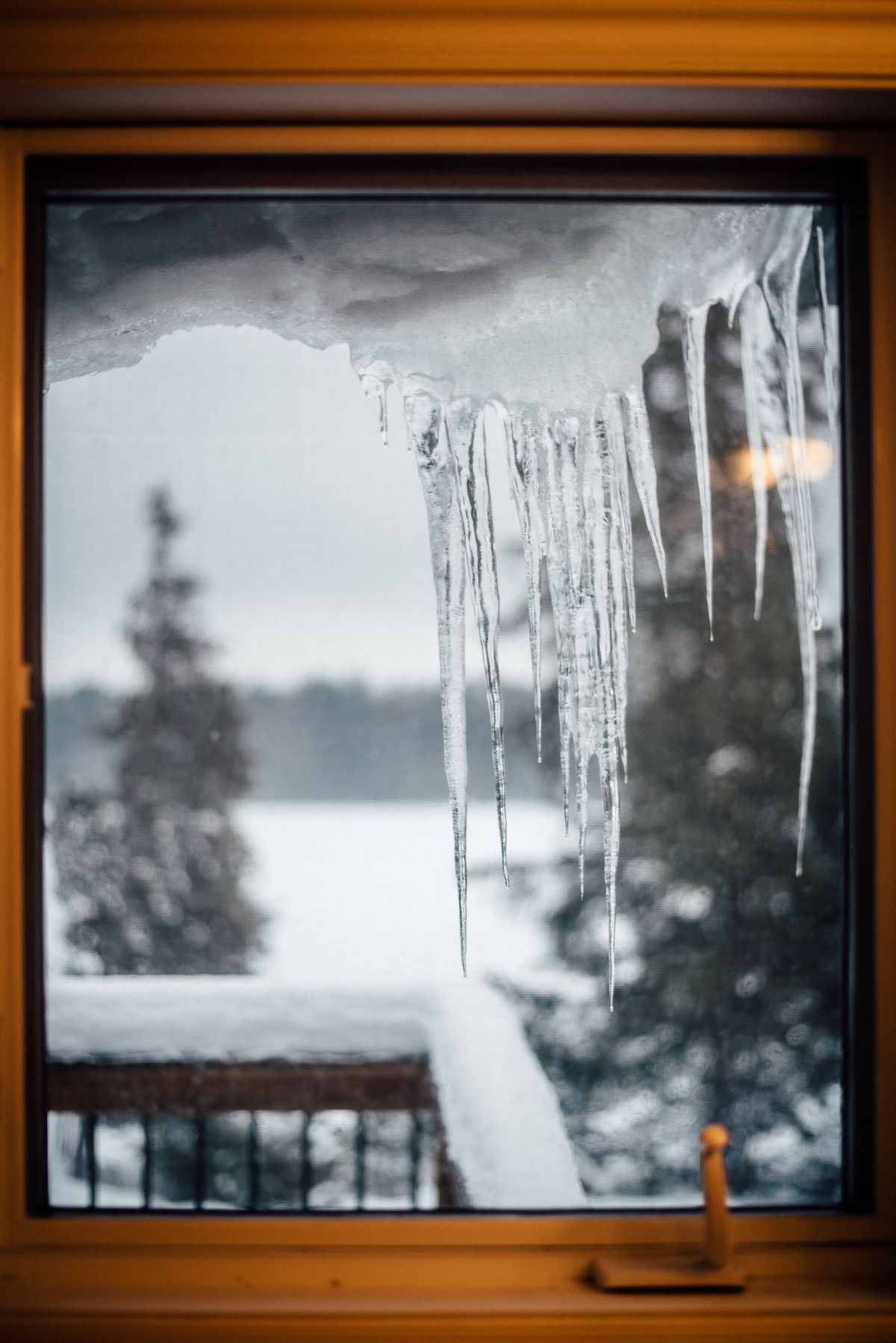
Move the plant a few feet away from these trouble spots to prevent most cold damage before it starts.
Winterizing a Snake Plant: Easy Cold-Season Care
Winterizing is quick and the surest way to sail through the cold months damage-free. Pull the plant back from windows and doors as the temperature drops, and keep it in a warm, steady room that stays comfortably above 55°F day and night. Cut way back on water, since NC State Extension advises watering "only every one to two months" in winter, when the plant is resting and dry soil protects the roots from cold-related rot.
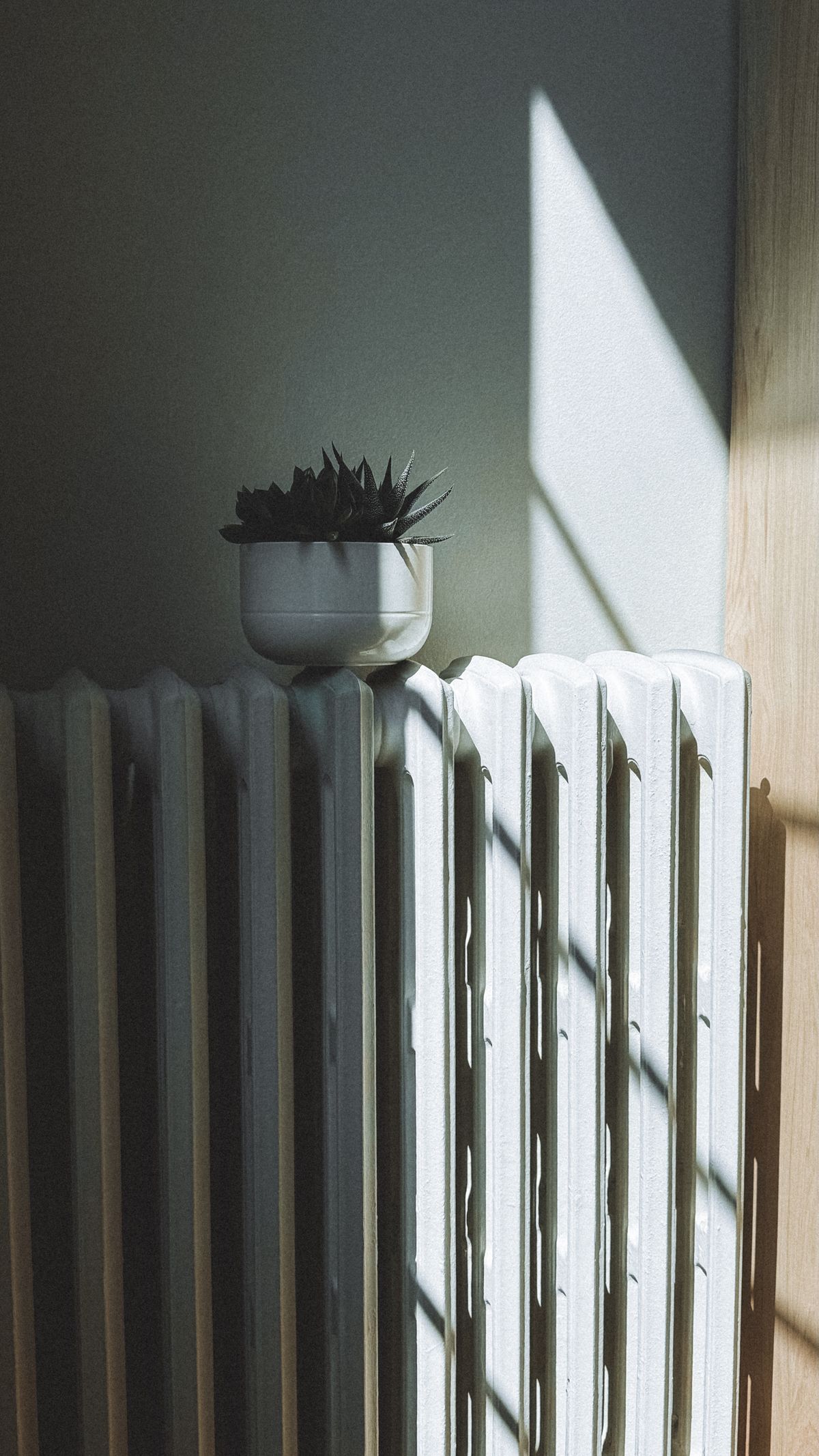
Skip the fertilizer entirely through winter, and hold off on repotting until spring. If the plant spent summer outdoors, bring it inside well before nights drop below 55°F.
Can Cold-Damaged Snake Plants Fully Recover?
Most cold-damaged snake plants recover, as long as the rhizome survived. The rhizome is the thick, horizontal stem that stores energy and sprouts new leaves. Even if every visible leaf is lost to cold, a firm, healthy rhizome can push out fresh growth over the following weeks and months — this is the same recovery mechanism that lets a plant come back from severe root rot, covered in the morphology guide's rhizome section.
To check, gently feel the base and roots. A firm, pale rhizome means a strong comeback is likely. A soft, brown, mushy rhizome means the damage went too deep. If part of the rhizome is still solid, cut away the rotten sections, let the cut surfaces dry for a day, and repot the healthy piece. Recovery is slow but genuinely rewarding once new shoots appear. Cylindrical sansevieria species share this same vulnerability — the Sansevieria Cylindrica guide notes the same soft, darkened, mushy patches from cold in that species.
Preventing Cold Damage During Moves and Shipping
Cold damage often strikes during transport, and this risk is easy to sidestep. Winter is a risky time to move plants — a quick dash from the store to a cold car, or an hour in an unheated trunk, can chill a snake plant enough to cause injury. The same goes for plants shipped in winter, which may sit in freezing delivery trucks or on cold porches.

Protect a plant with these moves:
- Wrap it up. Sleeve the plant in paper or a bag before heading outside, trapping warmth around the leaves.
- Warm the car first. Heat the vehicle before bringing the plant in, and never leave it in a cold trunk.
- Time online orders carefully. Order plants in milder weather, or ask sellers about winter heat packs.
- Bring shipments in fast. Don't let a delivered plant linger on a frosty doorstep.
A few minutes of care during transit keeps a snake plant firm, green, and thriving from store shelf to sunny shelf.
Snake plant cold damage looks scary, with those drooping, mushy, translucent leaves, but recovery is often simple and genuinely rewarding. Keep the plant warm above 55°F, steer it clear of sneaky drafts, ease up on winter watering, and check that hardy rhizome before giving up. Spot the seven warning signs early, act fast, and a Dracaena trifasciata will reward you with firm, striking, sword-like leaves for years to come.
Care FAQ
What temperature is too cold for a snake plant?
Anything below 55°F starts to stress a snake plant, and prolonged exposure causes chilling injury. Temperatures below 32°F bring freezing and severe frost damage. Keep the plant in its ideal range of 70 to 90°F, and avoid cold drafts to stay safely out of the danger zone.
Can a snake plant recover from cold damage?
Yes, most can. As long as the underground rhizome stays firm and healthy, the plant can regrow even after losing leaves. Move it somewhere warm, trim the mushy damaged leaves, hold off on watering, and be patient. Fresh growth from the rhizome is the sign that recovery is underway.
What does cold damage look like on a snake plant?
Cold damage shows as drooping leaves, soft mushy tissue, glassy translucent patches, and yellow to black tips. In serious cases, leaves collapse at the base. These wet, squishy symptoms appear soon after a cold snap or draft, which sets them apart from dry sunburn or slow natural aging.
How do I tell cold damage from root rot?
Both cause soft, collapsing leaves, so check the timing and smell. Cold damage follows a chilly night or draft. Root rot follows overwatering and usually brings a foul, rotten odor from the soil. Cold plus soggy soil can trigger root rot too, so keep chilled plants on the dry side.
Should I cut off cold-damaged leaves?
Yes, but wait a few days first. Give shocked leaves time to recover, since some firm back up on their own. Then trim only the leaves that are fully soft, black, or collapsed, cutting them at the base with clean scissors. Leave every firm, green leaf in place to help the plant heal.
Can snake plants survive winter indoors?
Yes. Snake plants overwinter well indoors with easy care. Keep them in a warm room above 55°F, away from cold windows and drafty doors. Water only every one to two months, skip fertilizer, and hold off on repotting until spring.