
Why Do Snake Plant Leaf Tips Turn Brown?
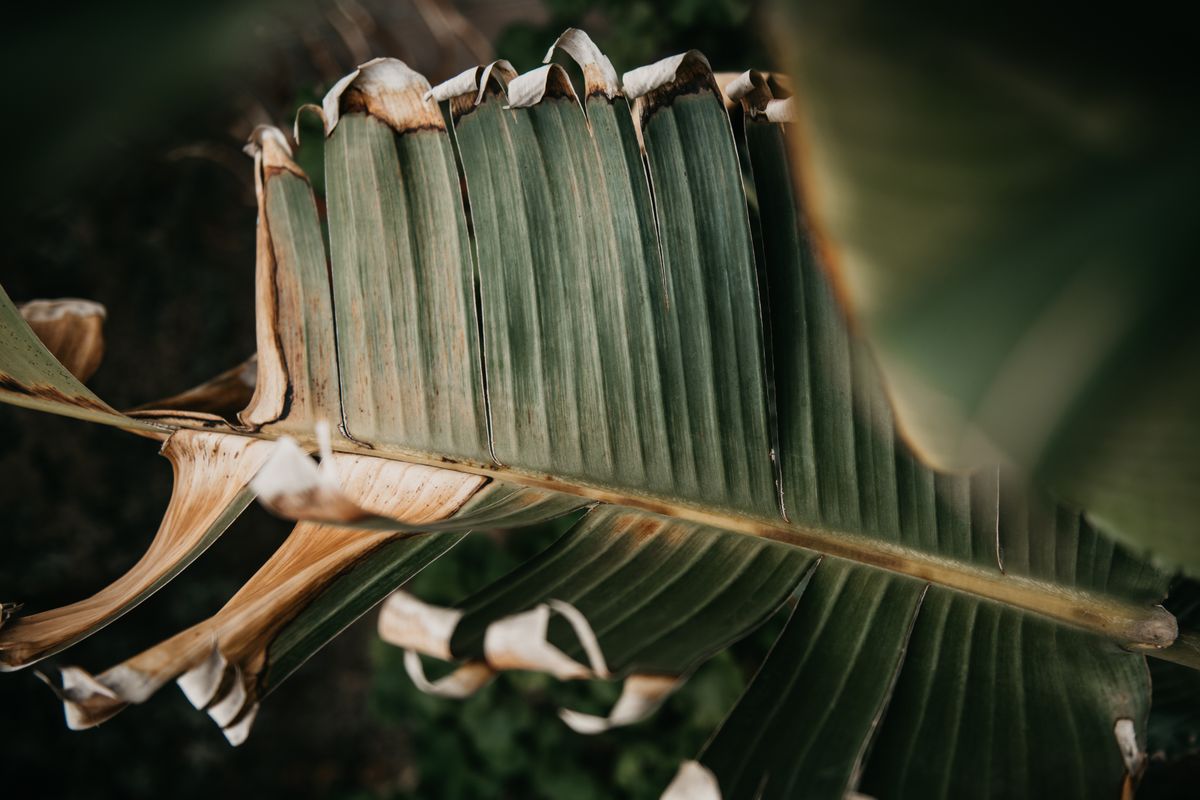
Snake plant brown tips are almost always a sign of stress, and the most common culprits are underwatering, fluoride or chlorine in tap water, and salt buildup from too much fertilizer. Overwatering, low humidity, sunburn, and cold drafts can trigger them too. Every one of these causes is easy to diagnose and simple to fix once you know what to look for.
If you've spotted dry, crispy tips creeping down your once-perfect leaves, don't panic. Dracaena trifasciata is tough and forgiving, and it bounces back quickly once the actual cause is corrected. Here are all seven causes, matched to their fixes, plus how to trim the damage so it disappears.
Why Snake Plant Brown Tips Start at the Very Tip
Here's a detail most guides skip, and it explains a lot. The tip is simply the farthest, most vulnerable point on the whole leaf.
Water and nutrients travel up from the roots through the leaf, and the tip is the last stop on that journey. When anything goes wrong — too little water, salt buildup, mineral toxicity — the tip is the first place to run short, since it's at the end of the supply line. Mineral toxins like fluoride make this worse: they accumulate at the leaf edges and tips, exactly where water evaporates and leaves its cargo behind. That's why snake plant brown tips show up as an early warning sign, long before the rest of the leaf reacts.
Underwatering
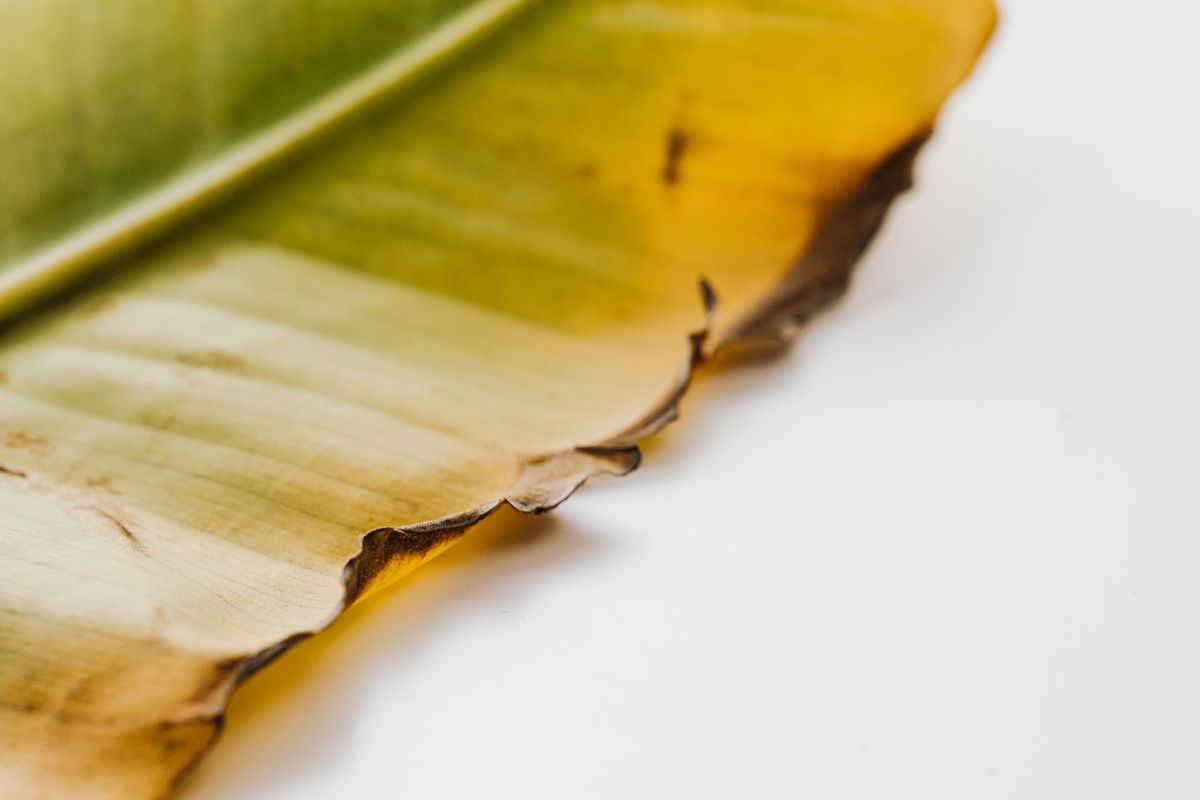
A thirsty snake plant shows it first at the tips. When the soil stays bone-dry for too long, the plant can't push enough moisture all the way up, so the tips dry out, turn crispy, and fade to brown.
Snake plants are drought-tolerant, but they still need a deep drink now and then. If the pot feels feather-light and the tips are brown and papery, underwatering is your likely answer.
The fix: Water thoroughly when the top two inches of soil are dry, letting water run through the drainage holes — often every two to three weeks during the growing season. Consistency matters more than the exact interval.
Overwatering
Too much water causes trouble too, just through a different mechanism. Overwatering keeps the roots soggy and starved of oxygen, which leads to root rot. Damaged roots can't move water properly, so — somewhat counterintuitively — the leaf tips brown just like they do under drought stress.
The telltale difference: overwatered tips often go soft and mushy before they brown, and lower leaves may yellow and flop, unlike the dry, papery crispness of underwatering.
The fix: Let the soil dry out completely before watering again, in a pot with drainage holes and a fast-draining cactus mix. If you suspect root rot, the Why Are My Snake Plant Leaves Soft and Mushy? guide covers the full rescue protocol — unpotting, trimming black tissue, and the dry-out period before repotting. NC State Extension notes that overwatering is the number-one way to harm this plant, so when in doubt, err on the dry side.
Fluoride and Chlorine in Tap Water
This sneaky cause catches almost everyone off guard. Snake plants and their Dracaena relatives are highly sensitive to fluoride, which builds up in the leaf tips and scorches them.
According to Clemson's Home & Garden Information Center, "Dracaena is very sensitive to fluoride," with symptoms including "yellowing of the tips or margins of the leaf or dead, scorched areas." Chlorine and dissolved salts in city water do similar damage over time.
The fix: Switch to filtered water, distilled water, or rainwater. If tap water is all you have, let it sit uncovered overnight so some chlorine can evaporate. Keep your soil pH between 6.0 and 6.5, and skip potting mixes heavy in perlite, which can carry fluoride.
Fertilizer Salt Buildup
More feeding doesn't mean a happier plant. Over-fertilizing leaves mineral salts behind in the soil, and those salts accumulate at the leaf edges and tips, burning them brown.
Look for a white or yellow crust on the soil surface or around the pot rim — that's the clue. As the University of Arkansas Extension explains, "if you fertilize frequently, the salt can build up in the container, causing brown tips."
The fix: Scrape off any crusty buildup, then flush the pot with plenty of plain water to rinse the salts away. Feed lightly with a balanced fertilizer at half strength, once in spring and once in midsummer, and skip fertilizing entirely in fall and winter. The Snake Plant Fertilizer Burn guide covers the full osmotic mechanism behind salt injury, the proper 2× leaching protocol, and organic-vs-synthetic burn risk in far more depth.
Low Humidity
Dry indoor air can nibble at leaf tips, especially in winter. When heaters run and humidity drops below 30 to 40 percent, snake plants may develop dry, brown tips as moisture escapes faster than the plant can replace it.
Snake plants tolerate dry air better than most houseplants, so low humidity is rarely the sole cause. Paired with underwatering or dry heat, though, it can push tips over the edge.
The fix: Move the plant away from heating vents and radiators. In a very dry home, group plants together or set the pot on a pebble tray with water; a small room humidifier helps a whole shelf of plants at once.
Sunburn
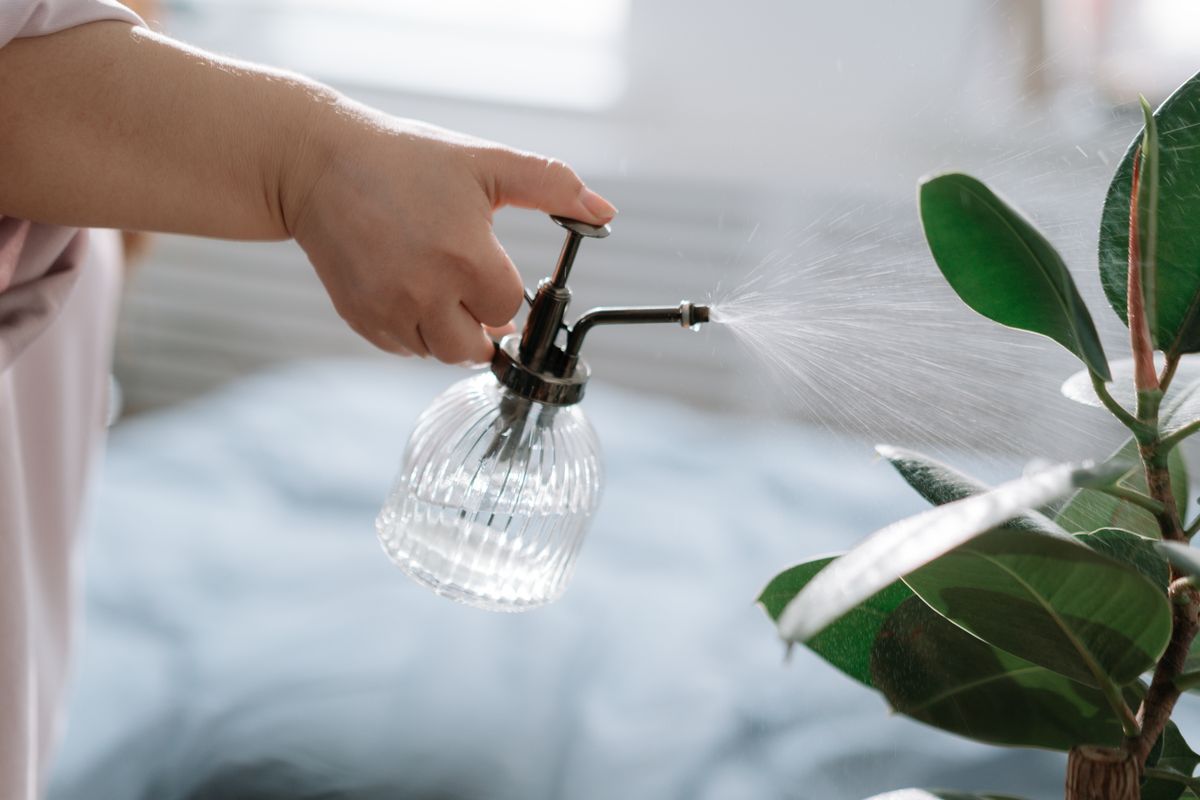
Harsh, direct sun can scorch a snake plant fast. These plants love bright light, but intense afternoon rays through a hot window can bleach and burn leaf tissue, leaving dry, tan-to-brown patches, often concentrated at the exposed tips and edges. (If the damage looks more like isolated patches across the leaf face rather than tip-first browning, the Snake Plant Brown Spots guide covers that related but distinct pattern, including how to tell sunburn apart from fungal spot.)
The giveaway is location: sunburn shows up on the side facing the light, with dry, papery, faded patches rather than soft or mushy tissue.
The fix: Move the plant to bright, indirect light, shielded by a sheer curtain if needed. When moving a plant from a dim corner to a bright window, do it gradually over one to two weeks so the leaves can adjust.
Cold Drafts and Temperature Stress
Chilly air is a hidden tip-killer. Snake plants are tropical natives that hate the cold, and sudden temperature swings or icy drafts can damage delicate tip tissue, turning it brown.
Common troublemakers include cold windowsills in winter, drafty doors, and air conditioning vents blasting cool air directly onto the leaves. (If a leaf has gone soft and translucent rather than just brown at the tip, that's a more severe cold injury — the Snake Plant Cold Damage guide covers whole-leaf chilling injury and rhizome recovery in full.)
The fix: Keep the plant in a steady spot between 70°F and 90°F, and never let it sit below 55°F. Pull it back from cold glass, drafty entryways, and AC vents.
Cause vs. Fix Summary Table
Here's the whole diagnosis at a glance — match the clue to the cause, then jump straight to the fix.
| Cause | Telltale Clue | Quick Fix |
|---|---|---|
| Underwatering | Dry, crispy tips; light pot | Water deeply when top 2 inches are dry |
| Overwatering | Soft tips, yellow floppy leaves | Let soil dry fully; check for root rot |
| Fluoride/chlorine | Scorched tips, yellow margins | Use filtered, distilled, or rainwater |
| Salt buildup | White crust on soil or pot | Flush soil; fertilize lightly, twice a year |
| Low humidity | Dry tips in winter heat | Add a humidifier or pebble tray |
| Sunburn | Bleached patches on sun side | Move to bright, indirect light |
| Cold drafts | Brown tips near windows/vents | Keep warm, above 55°F, away from drafts |
How to Trim Snake Plant Brown Tips So the Cut Disappears
Here's the trick that makes a plant look untouched. Most people snip straight across, leaving an obvious blunt line that reads as "trimmed." There's a better way.
The secret is to follow the leaf's natural taper. Snake plant leaves come to a soft, narrow point, so mimic that shape when cutting. The University of Arkansas Extension puts it well: trim "following the pattern of the leaf, to make the cut leaf less noticeable."
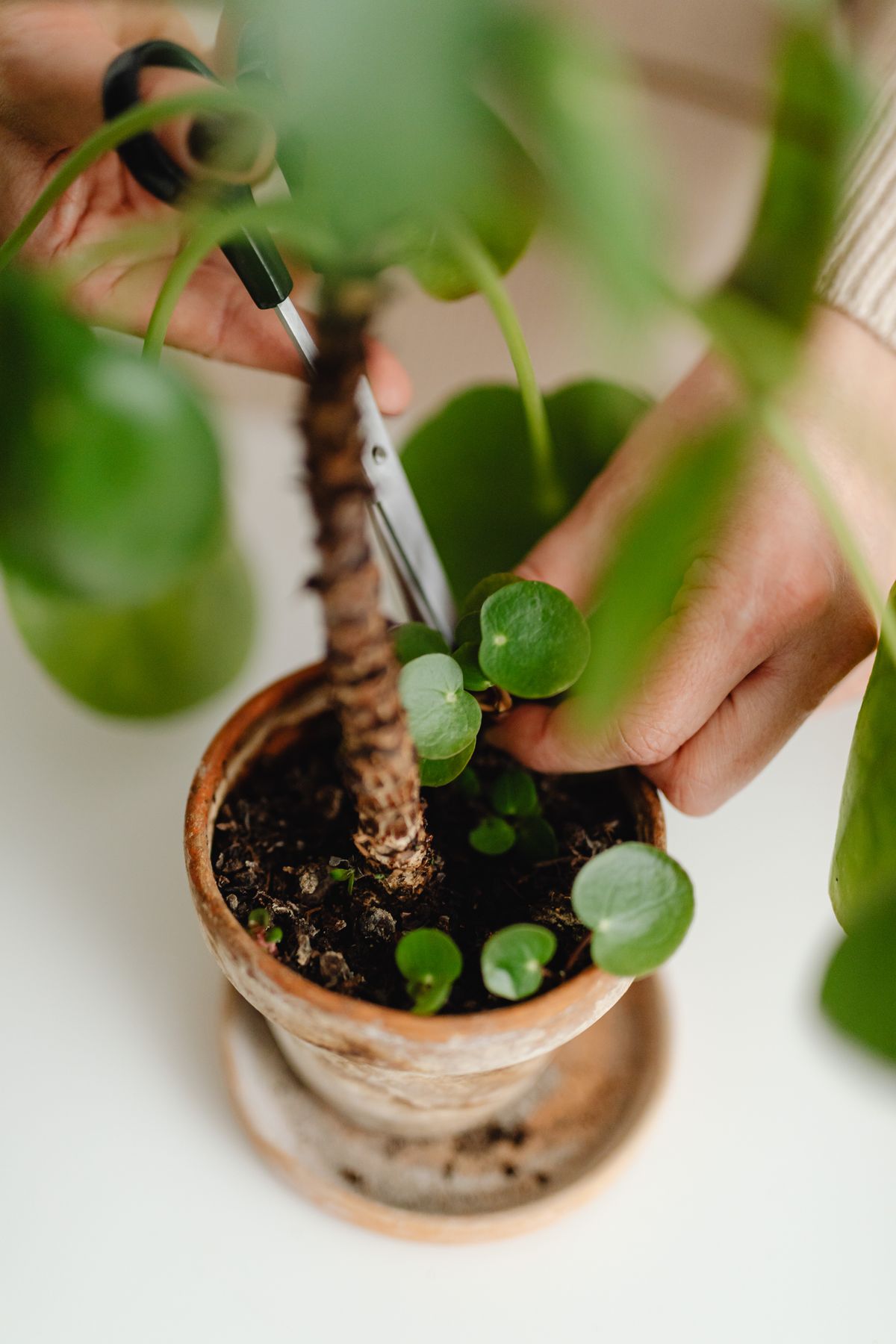
- Use clean, sharp scissors. Wipe the blades with rubbing alcohol first to avoid spreading anything harmful.
- Cut at an angle. Snip each side to recreate the leaf's original pointed tip instead of a flat edge.
- Leave a thin brown sliver. Cut just outside the brown, into a tiny bit of the dead edge. Slicing into fresh green tissue can trigger new browning.
- Step back and check. Adjust the angles until the tip looks like it grew that way naturally.
The result is a tidy, sharp-looking leaf that blends right in with the rest of the plant.
Snake plant brown tips look alarming, but they're really just the plant waving a small flag for attention. Once you know the seven causes — from thirsty roots and fluoride-heavy tap water to salt buildup, dry air, harsh sun, and chilly drafts — the fixes are refreshingly simple. Match the clue to the cause, make one change, and trim along the natural leaf shape for a clean finish. This tough, forgiving plant will reward you with firm, striking, sword-like leaves for years to come.
Care FAQ
Can brown tips turn green again?
No, brown tissue is dead and will not turn green again. Once a tip browns, that damage is permanent for that section of leaf. The goal is to stop the cause so new growth comes in healthy, then trim the damaged tips for a clean look. The plant stays perfectly healthy underneath.
Should I cut off brown tips?
You can, purely for appearance. Brown tips do not harm the plant, so trimming is optional and cosmetic. If you do cut, follow the leaf's natural pointed shape rather than snipping straight across, so the cut blends in seamlessly. Always leave a thin sliver of brown to avoid triggering fresh browning on green tissue.
Is fluoride in tap water causing my snake plant's brown tips?
Very possibly. Snake plants are highly sensitive to fluoride, which accumulates in the leaf tips and causes scorched, brown, or yellowed edges. If you water with municipal tap water and see this pattern, fluoride is a strong suspect. Switch to filtered, distilled, or rainwater and keep your soil pH between 6.0 and 6.5.
Does low humidity cause brown tips?
It can contribute, especially in winter when heaters dry out the air below 30 to 40 percent humidity. Snake plants handle dry air better than most houseplants, so low humidity rarely acts alone. Paired with underwatering or hot vents, though, it can dry out the tips. A humidifier or pebble tray helps.
How do I fix snake plant brown tips from overwatering?
Start by letting the soil dry out completely before you water again. Make sure your pot has drainage holes and uses fast-draining cactus mix. If the roots look black and mushy, that is root rot, so unpot the plant, trim the damaged roots with clean scissors, and repot in fresh, dry soil. Then water only when the soil is fully dry.
Will trimming brown tips hurt my plant?
Not if you do it correctly. Trimming dead tips is safe and will not harm a healthy snake plant. Use clean, sharp scissors and cut just outside the brown area, following the leaf's natural taper. Avoid slicing deep into green tissue, since that fresh wound can brown over and undo your tidy work.