
Can Damaged Snake Plant Leaves Heal Themselves?
Can snake plant leaves heal themselves? The honest answer is no. Damaged snake plant leaves cannot regenerate or repair torn, browned, or scarred tissue. Instead, the plant seals the wound at the cut or damaged edge, walling off the injury rather than growing it back. That crispy tip, that bent crease, that torn slice — they're permanent for that leaf. But a tough, forgiving snake plant has a brilliant backup plan.
If you've been eyeing a battered leaf and wondering whether patience will fix it, here is the wound biology behind why it won't, and the simple fixes that actually work.
Can Snake Plant Leaves Heal? The Fast Answer
A snake plant leaf will never turn a damaged spot back into healthy green tissue. Plant leaves don't work like skin — when an animal gets a scrape, its body regenerates fresh cells to replace the lost ones. A snake plant (Dracaena trifasciata, formerly Sansevieria trifasciata) can't do that with an existing leaf. The damaged cells stay damaged. What the plant can do is seal the edge to lock out pests and rot, then pour its energy into brand-new leaves growing from the rhizome. The goal is never to rescue an old wound — it's to keep the plant thriving and let fresh, firm leaves take over.
The Plant Wound Biology: Why Leaves Seal, Not Heal
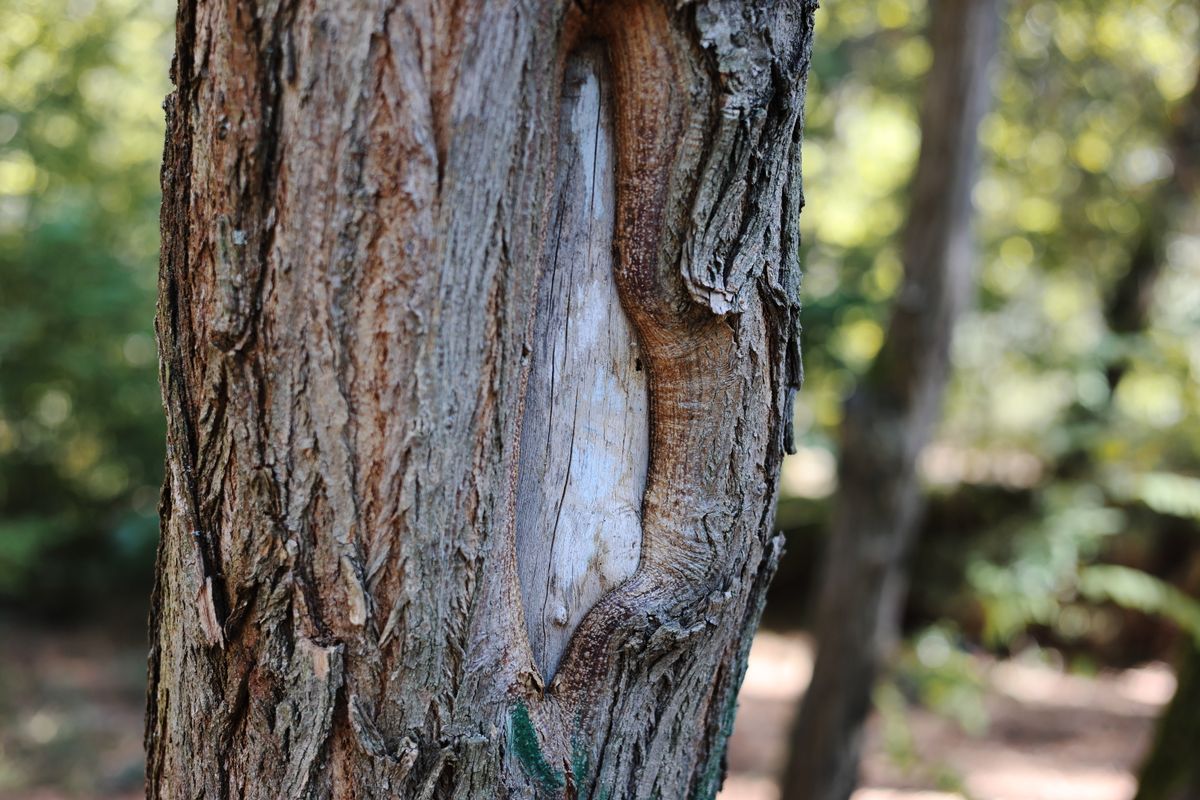
The core principle comes straight from plant wound biology: plants do not heal, they seal. As UT Extension explains, drawing on the classic work of Alex Shigo, "When a tree is wounded, the injured tissue is not repaired and does not heal. Trees do not heal; they seal." Animals regenerate, rebuilding tissue from existing cells. Plants generate, walling off the damage and growing new tissue elsewhere — a process called compartmentalization, setting up chemical and physical barriers so decay can't spread inward.
The same rule applies to a snake plant's thick, sword-like leaves. When a leaf is cut, torn, or scorched, those specific cells are gone for good — the plant dries and seals the wounded edge instead, forming a protective scar that blocks moisture loss and keeps fungi and bacteria out. Understanding this one principle makes every care decision below click into place.
What This Means for Each Type of Damage
Brown, crispy tips never turn green again once dried — the plant has already sealed off the healthy tissue below them. This is purely cosmetic, and the Snake Plant Brown Tips guide covers all seven causes and their fixes in full.
Torn or split leaves won't knit back together either. A bent leaf with a soft crease may stay upright if the internal tissue isn't fully broken, but the crease mark is permanent, and a torn leaf's split won't fuse closed — the plant seals the exposed edges instead. The Why Do Snake Plant Leaves Split or Crack? guide covers the mechanical causes behind splitting specifically, and confirms the same seal-not-heal outcome. If a leaf is only lightly creased and still firm, it's fine to leave alone — it'll keep photosynthesizing for years. If the tear is deep, floppy, or unsightly, removal is often the better call.
Fully broken leaves can't heal either, but they can grow into an entirely new plant through propagation. Because snake plants root so easily from leaf sections, a snapped-off leaf is never a total loss — rather than repairing the broken leaf, the plant channels energy into producing roots and pups from the healthy tissue once it's given the chance to.
When to Trim vs. When to Leave Damage Alone
Leave it alone when the damage is a dry, non-spreading brown tip, a light crease, or a small cosmetic mark on an otherwise firm, upright leaf. These pose no threat, and the leaf keeps working for the plant.
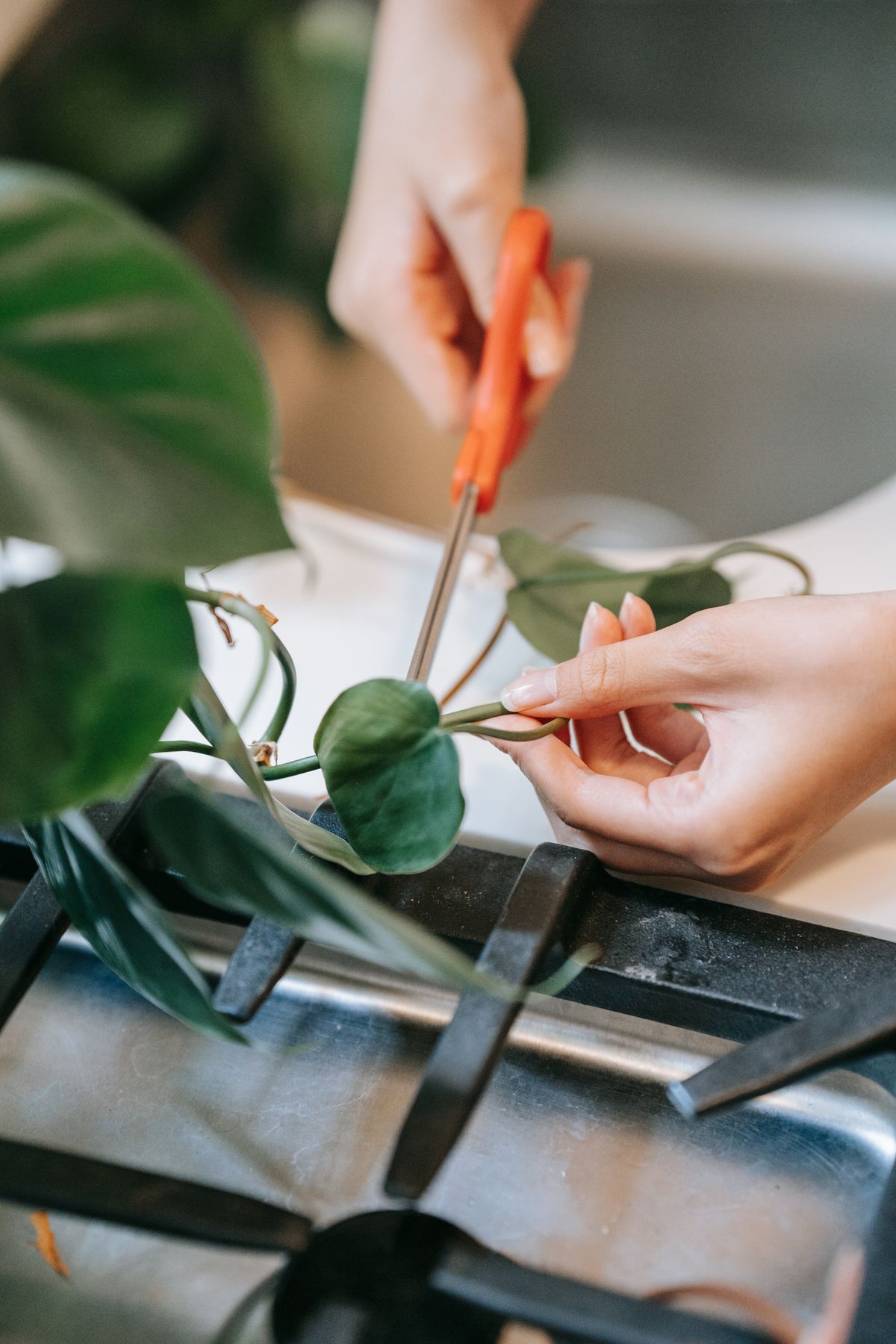
Trim or remove it when the leaf is badly torn, mushy, more than half damaged, or affected by spreading rot. Penn State Extension advises that "if there is damage to a particular leaf, remove it by cutting it off at the soil level." That keeps the plant tidy and redirects energy into healthy new growth.
For minor tip browning, a light trim is plenty — the Snake Plant Brown Tips guide walks through the natural taper trimming method that makes a cut disappear into the leaf's shape rather than leaving an obvious blunt line. For a leaf that's mostly gone or rotting, take the whole thing off at the base.
What the Cut Edge Looks Like Afterward: Corking and Callusing
After trimming, or after a leaf breaks on its own, the exposed edge does something interesting over the next few days. The wound dries and forms a thin, slightly hardened scar, often called corking or callusing — a pale, tan, or slightly rough edge that may roll or pucker a touch. That's completely normal: it's the plant sealing the wound, blocking moisture loss and locking out fungi and bacteria.
One important thing to know: this corked scar is not new leaf tissue growing back, and the leaf won't extend or regrow from that point. It's simply a protective seal — the plant's version of closing the door.
Turning a Broken Leaf Into New Plants
A completely broken leaf can't heal, but a snapped-off section can be propagated into brand-new plants — arguably the best news in this whole guide. Let the cut edge callus for a day or two first, then root the bottom end in water or dry cactus mix, keeping it warm and in bright indirect light; roots typically appear within several weeks, followed by a new pup. The Leaf Cutting Propagation in Sansevieria guide covers this entire process step by step, including why the cutting must callus first and how to tell which end goes down.
One thing worth knowing before you try it: cuttings from variegated types like 'Laurentii' usually lose the golden edges and revert to plain green, since leaf cuttings can't transmit that chimeral variegation — division is the way to preserve it, as the Sansevieria Propagation guide explains.
Decision Table: Does the Leaf Heal, and What Should You Do?
| Damage Type | Does the leaf heal? | Best action |
|---|---|---|
| Brown, crispy tip | No, tissue is dead | Leave it, or trim with the natural taper method |
| Light crease or bend | No, but leaf stays functional | Leave it if firm and upright |
| Deep tear or split | No, edges only seal | Trim the leaf or remove at the base |
| Fully broken leaf | No, but it can propagate | Callus the end, then root in water or soil |
| Mushy, rotting leaf | No, damage spreads | Remove entirely at soil level |
| Sunscald patch | No, cells are bleached | Move to indirect light; trim if desired |
So, can snake plant leaves heal themselves? No — following the logic of plant wound biology, a snake plant seals its wounds rather than healing them, walling off damage and pouring its energy into firm, fresh, new leaves instead. Brown tips won't revert, tears won't fuse, and creases are permanent, but none of that spells trouble for a tough, forgiving Dracaena trifasciata. Leave minor marks alone, trim with the natural taper method for a seamless finish, remove badly damaged leaves at the base, and turn broken leaves into brand-new plants through propagation. Read the damage, pick the right action, and the plant will reward you with bold, upright, sword-like leaves for years to come.
Care FAQ
Can snake plant leaves heal themselves after damage?
No, snake plant leaves cannot heal or regrow damaged tissue. Following basic plant wound biology, the plant seals the injured edge rather than repairing it, just as trees seal instead of heal. The damaged cells stay damaged, but the plant redirects its energy into producing fresh, healthy new leaves from the rhizome.
Will brown tips on my snake plant turn green again?
No, brown, crispy tips are dead tissue and will never turn green again. The plant has already sealed off the healthy green portion below the damage. This is purely cosmetic, so the plant stays perfectly healthy. You can leave the tip alone since it won't spread, or trim it using the natural taper method for a tidy look.
Can a broken snake plant leaf be saved?
Yes, in a roundabout way. While the broken leaf itself won't fuse back together, you can propagate it into brand-new plants. Let the cut edge callus for a day or two, then place the bottom end in clean water or dry soil. Roots and baby plants will form over several weeks, giving you free new plants.
Should I cut off damaged snake plant leaves?
It depends on the severity. Leave dry brown tips or light creases alone if the leaf is still firm and upright, since they won't spread. Remove badly torn, mushy, or rotting leaves. Penn State Extension recommends cutting a damaged leaf off at the soil level to keep the plant tidy and redirect energy into new growth.
What does the cut edge look like after trimming a snake plant?
Within a few days, the cut edge dries and forms a thin, slightly hardened scar through a process called corking or callusing. This pale, tan, or slightly rough edge is the plant sealing the wound to block moisture loss and keep out fungi. It is completely normal, but it is a protective seal, not new leaf tissue growing back.
How do I trim brown tips so the cut isn't obvious?
Use the natural taper method. Snake plant leaves rise to a soft point, so recreate that shape. Wipe clean, sharp scissors with rubbing alcohol, then cut at an angle on each side to mimic the original pointed tip. Leave a thin sliver of brown so you don't slice into green tissue, which can trigger fresh browning.