
Sansevieria Propagation Methods: A Scientific View
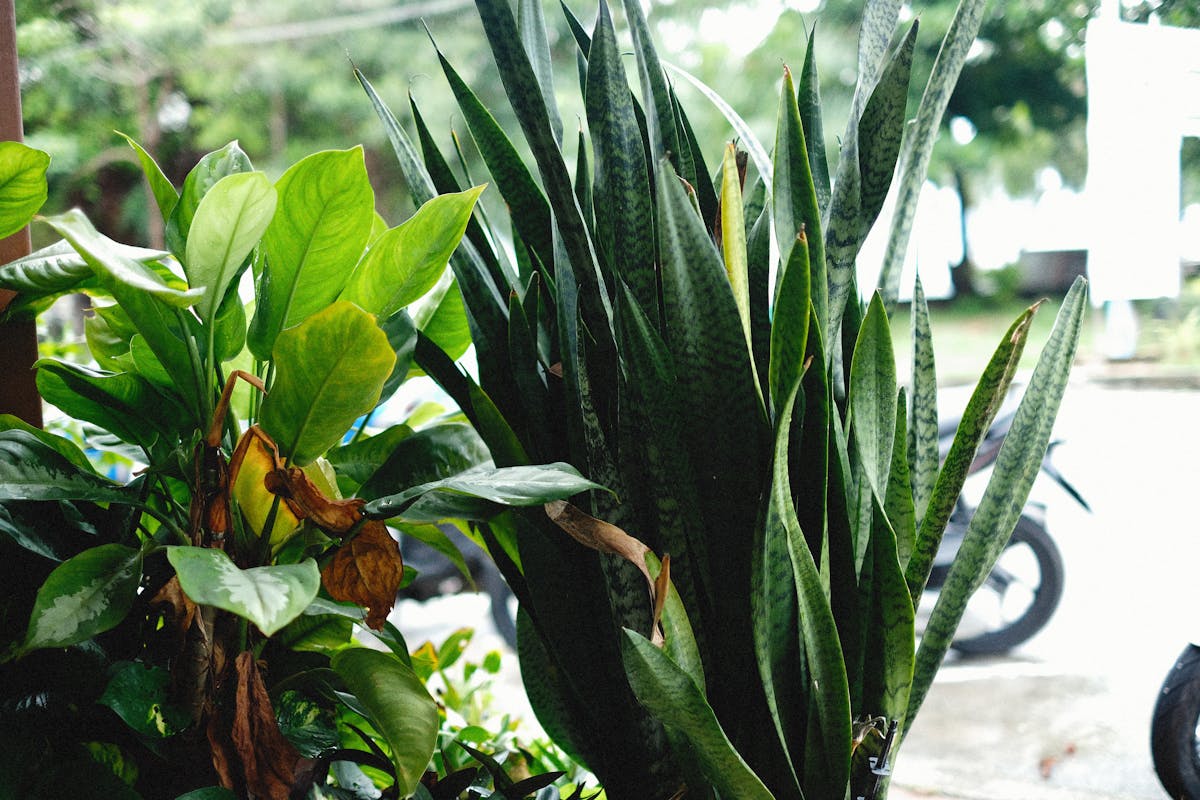
Sansevieria can be propagated four ways: division, leaf cuttings in soil, leaf cuttings in water, and rhizome cuttings. Division is the method I recommend starting with. It is faster, more reliable, and — if you own a variegated variety — the only method that preserves the colouring. The other three methods work, but each comes with constraints that most propagation guides mention without fully explaining.
This guide covers all four methods with the biology behind them. Understanding what is happening at the cellular level is what prevents the common failures.
TL;DR: Divide the plant if you want fast results or if you own a variegated variety. Use soil leaf cuttings if division is not possible. Water cuttings work but require transplanting. Rhizome cuttings are useful when you have an escaped rhizome and nothing else. Leaf cuttings from Laurentii, Black Gold, or any margin-variegated cultivar will produce plain green offspring every time — that is biology, not a mistake.
Why Propagation Method Matters More Than Most Guides Say
Most guides present all sansevieria propagation methods as roughly equivalent choices. They are not. The differences are practical and biological.
Speed: Division produces a plant with an established root system in 2–4 weeks. Leaf cuttings produce roots in 4–8 weeks, then take several additional months before a visible new plantlet emerges from the soil. These are not the same timeline.
Variegation: Leaf cuttings cannot pass the yellow or white margins of chimeral varieties to the offspring. Division can. This distinction is not a technicality — it determines whether you end up with the plant you intended to propagate or a plain green substitute.
Reliability: Division has near-100% success when done correctly because you are separating an already-rooted structure. Leaf cuttings fail for several reasons, some of which are invisible until weeks later.
The method you choose should be driven by what you have available, what you are trying to achieve, and whether variegation matters to you.
Method 1: Division (Recommended — Start Here)
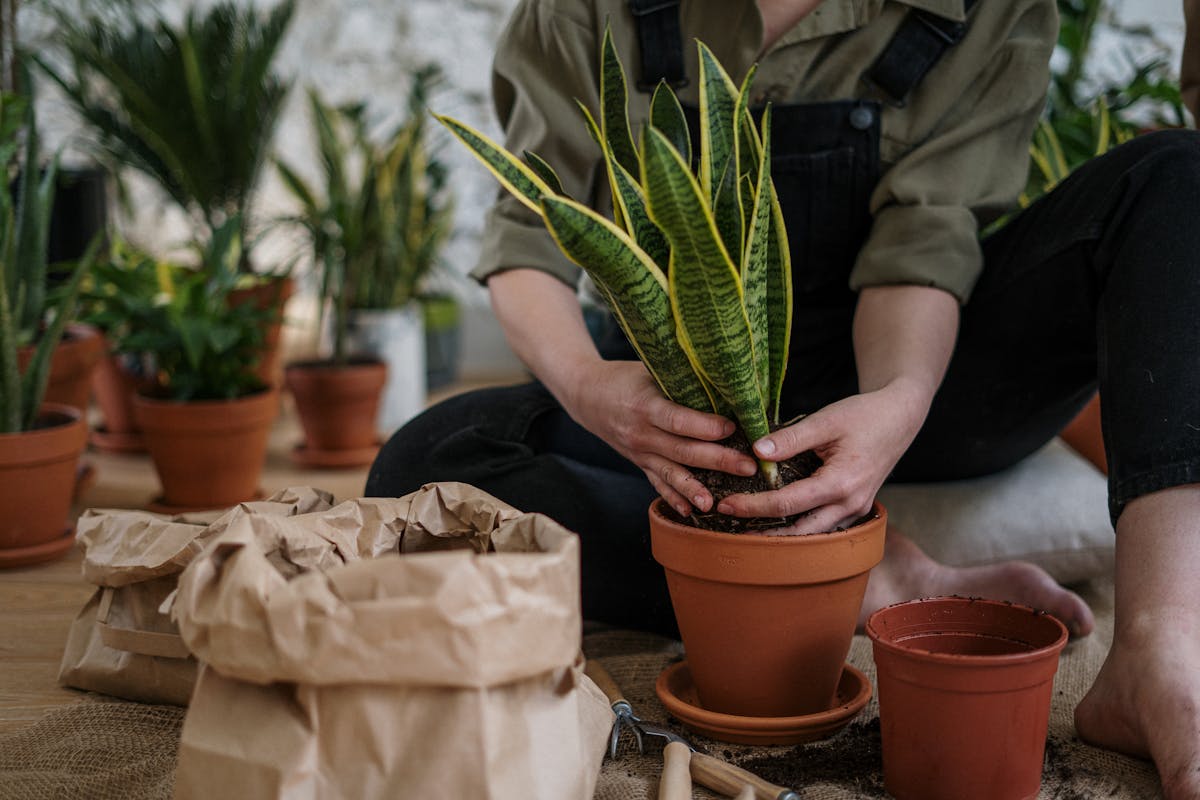
Division involves physically separating an existing clump of the plant into two or more independent sections, each with its own portion of rhizome and attached roots. Because each section keeps a functional root system, it does not need to generate roots from scratch the way a cutting does — recovery is measured in weeks, not months.
Timeline: Typically 2–4 weeks to visible new growth, since the divided section is already rooted.
Variegation: Division is the only method that reliably preserves variegation in cultivars like Laurentii — the new plant grows on directly from the parent's existing chimeral tissue instead of regenerating it from scratch.
The full step-by-step process — finding the right cut point on the rhizome, callusing, potting, and what to expect during recovery — is covered in the Rhizome Division guide.
Method 2: Leaf Cuttings in Soil
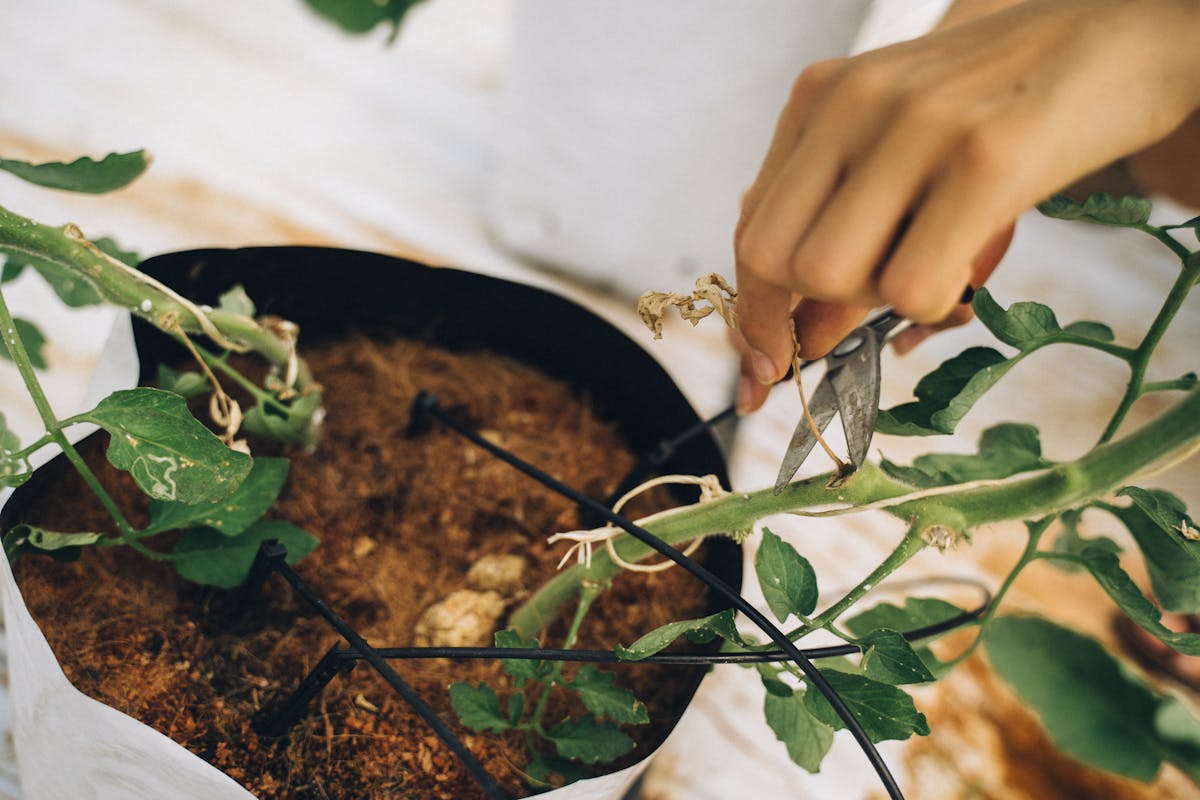
Leaf cuttings involve removing a healthy leaf, cutting it into 5–10 cm sections, and planting each one so it generates its own roots and eventually a new plantlet. Each section carries meristematic tissue at its base — undifferentiated cells that, planted the correct way up, produce adventitious roots and eventually a small shoot.
Timeline: Roots develop in 4–8 weeks underground, with a visible plantlet following 2–4 months after that. Nothing changes visibly for most of this period — that is normal, not failure.
Limitation: Produces plain green offspring in any chimeral variegated variety (see below for why).
Choosing the right leaf, marking orientation, callusing, and the full soil-planting steps are covered in the Leaf Propagation guide.
Method 3: Leaf Cuttings in Water

Water propagation follows the same principle as soil cuttings but lets you watch root development directly — useful if you want visual confirmation that rooting is actually happening before committing to a pot. Roots typically appear in 3–6 weeks and need transferring to soil once they reach 2–3 cm, since water-formed roots have fewer root hairs and need to be retrained by soil contact before the plant grows efficiently.
Limitation: Same as soil cuttings — chimeral variegation is not preserved.
Full water-propagation steps and the water-change schedule are in the Leaf Propagation guide.
Method 4: Rhizome Cuttings
The rhizome is sansevieria's underground spreading stem. Under the right conditions, a section of rhizome with no leaves attached can generate both new roots and new leaf clusters from dormant meristematic nodes.
When to use this method: Rhizome propagation is most useful when a rhizome has escaped its pot and separated from the main plant, or when you are dividing a heavily root-bound plant and end up with rhizome sections that have no usable leaf clusters attached.
How to do it:
- Locate a rhizome section at least 5–8 cm long with at least one visible growth node (a slight swelling or bud point on the rhizome surface).
- Cut cleanly and allow cut ends to callus for 24–48 hours.
- Lay horizontally just below the surface of barely moist cactus mix, or plant vertically with the nodes facing upward.
- Keep in a warm location (70–80°F / 21–27°C) with bright indirect light. Do not overwater — the rhizome will rot in wet soil before it roots.
Timeline: New growth from a rhizome cutting is slower than from a leaf cutting — typically 6–12 weeks before a shoot emerges. Patience is required. The rhizome and root system form before anything appears above the soil surface.
The Sansevieria Morphology guide explains the rhizome's structure and how it differs from the adventitious roots that leaf cuttings produce.
The Polarity Rule: Why Some Cuttings Never Root
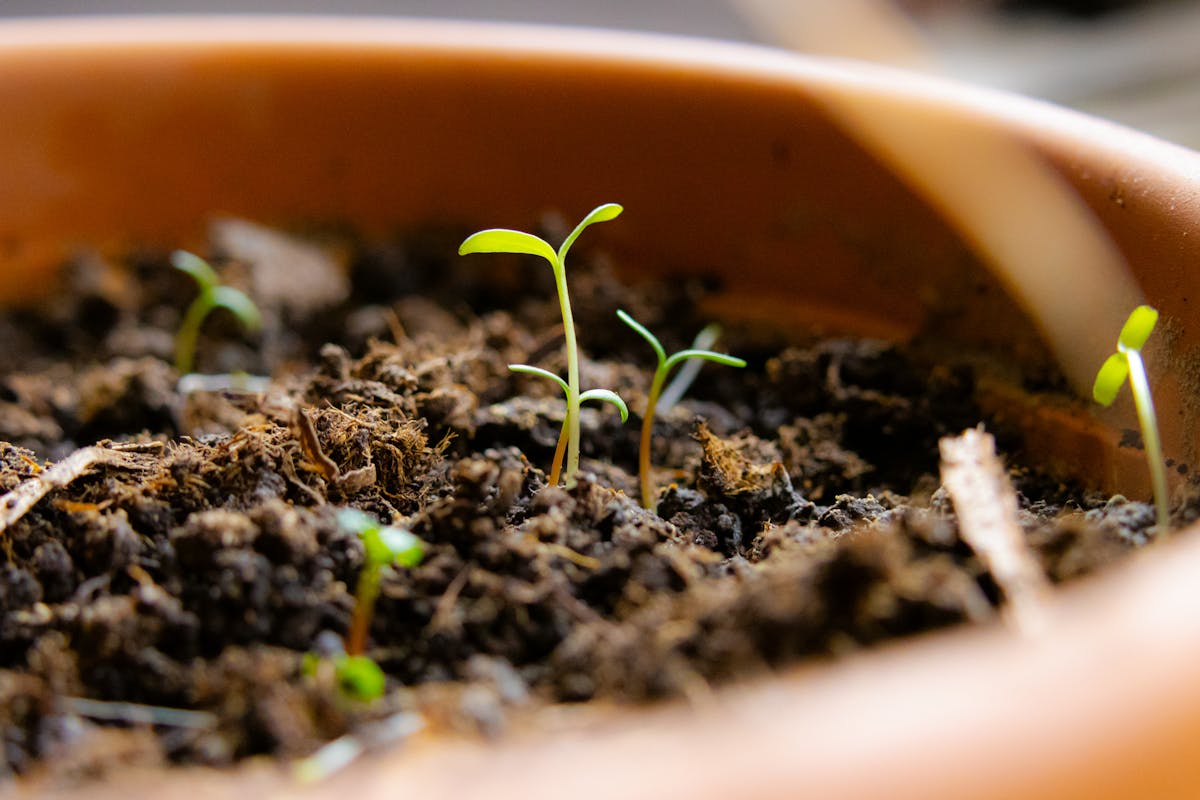
This is the most common cause of leaf-cutting failure that nobody explains properly. Plant tissue has polarity: the meristematic cells capable of generating roots sit only at the basal end of a cutting — the end that was closest to the plant's base. Plant a section upside down and roots cannot form from the apex end, no matter how long you wait. The cutting sits in soil looking intact until it eventually rots.
The fix takes ten seconds: mark the bottom of each section with a diagonal cut before separating them from the leaf. The full technique — and how to identify the basal end reliably — is in the Leaf Propagation guide.
Why Leaf Cuttings Lose Variegation: The Chimeral Biology
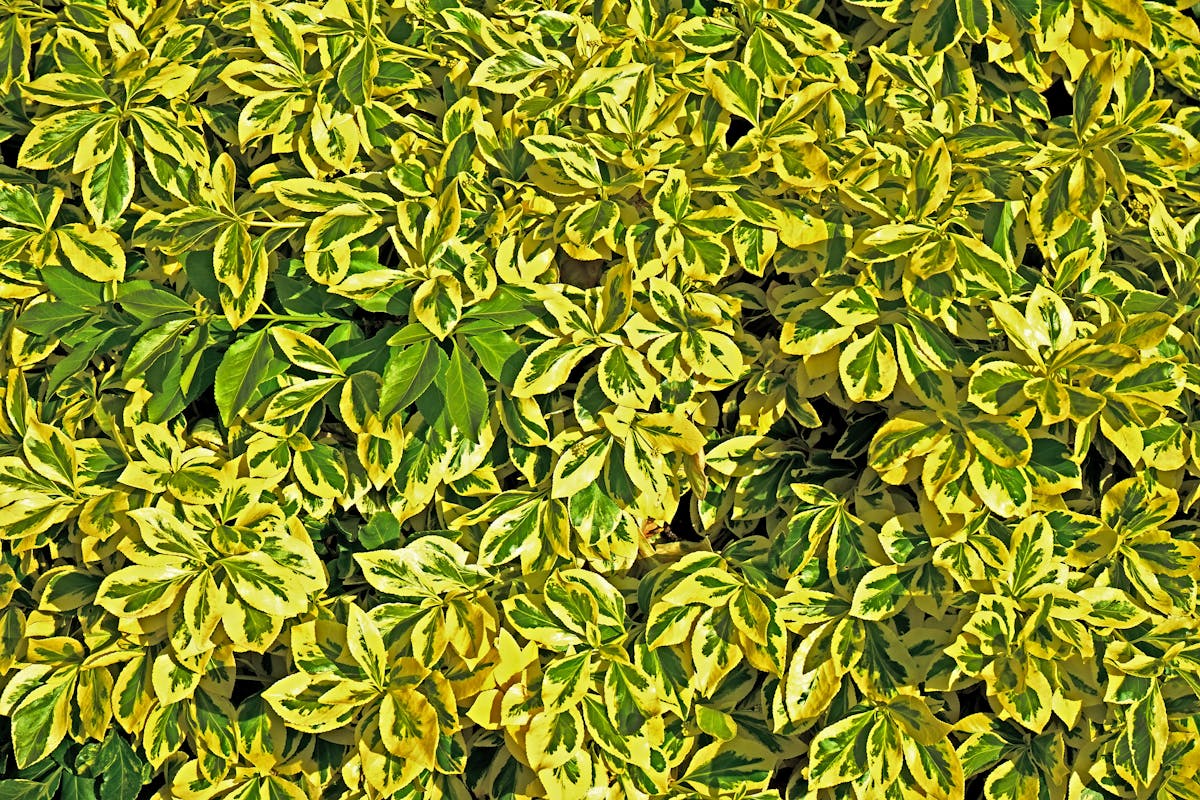
If you own a Laurentii, Black Gold, or any other sansevieria with distinct yellow or white leaf margins, this section matters.
The yellow edge of a Laurentii is not a trait encoded in the leaf's DNA the same way leaf shape or banding is. It is a chimeral characteristic — it exists only in the outer cell layer (the L1 meristematic layer) of the whole living plant's growing point. The inner layers of the leaf are genetically plain green.
When you take a leaf cutting, you are working with cells from across all layers of the leaf. The new plantlet that emerges regenerates entirely from the inner cells — the basal meristematic cells that do carry root-forming capacity, but which are from the non-variegated layers. The chimeral outer layer's contribution is lost in the regeneration process.
The result is a plain green plant. Every time. This is not a failure of technique. It is the expected biological outcome.
Division preserves variegation because it does not ask the plant to regenerate from individual cells. You are physically separating the existing plant — including its growing points — where the chimeral arrangement is already intact across all cell layers simultaneously. The new division grows on from where the parent plant left off, chimeral structure and all.
This is why the only advice worth giving on propagating Laurentii or any chimeral variety is: divide, do not cut. The detailed biology of chimeral cultivars is referenced in the Sansevieria Types guide.
Seed Propagation: Honest Notes
Sansevieria can be grown from seed. It is impractical for home growers for three reasons:
- Seeds are rarely available. Indoor sansevieria plants flower infrequently and require cross-pollination for seed development. Most indoor plants never produce viable seed.
- Germination is slow and unreliable. Germination can take several months at the best conditions — 70–75°F (21–24°C) soil temperature with consistent moisture — and failure rates are high compared to vegetative propagation.
- Cultivars do not come true from seed. Named varieties with specific leaf patterns or margins will not reproduce their characteristics through seed. Seedlings revert toward wild-type colouration.
If you have obtained seeds and want to try: sow in shallow, barely moist cactus mix, cover loosely, and place in a warm location. Check for germination at four weeks, but do not discard until at least twelve. That said, for anyone wanting more plants, division or cuttings from an existing plant is a faster route by months.
The Tug Test: How to Tell If Something Has Rooted
The most common reason people abandon propagation too early is that nothing visible happens for weeks. Before discarding a leaf cutting or a division, tug it gently — resistance means roots have formed below; a piece that pulls straight out has not rooted yet. That single check saves most propagations people give up on prematurely. Method-specific timelines and troubleshooting are in the Leaf Propagation and Rhizome Division guides.
The best time to propagate a healthy sansevieria is in spring, when the plant enters active growth and has the best conditions for establishing new divisions. If yours has pups visible at the base right now, ease the plant out of its pot and have a look at what the rhizome is doing. Chances are there is already a natural division point. Make the cut, let it callus, pot it up, and set it in bright indirect light. You will have an independent plant by the end of the month.
Care FAQ
Can you propagate sansevieria from a single leaf?
Yes. A single sansevieria leaf can be cut into 5–10 cm sections, each of which can produce roots and eventually a new plant. Each section must be planted in its original orientation — bottom of the leaf faces down — or it will not root. Roots take 4–8 weeks to develop; a visible plantlet above the soil takes several months more.
How long does sansevieria propagation take?
Division produces a rooted plant that establishes in 2–4 weeks. Leaf cuttings in soil take 4–8 weeks for roots and 2–4 additional months before a small plantlet is visible. Water propagation shows roots in 3–6 weeks but requires transplanting before the plant can grow properly. Seed propagation takes months or longer and is not practical for home growers.
Why did my variegated snake plant cutting lose its yellow edges?
Because the yellow margin in varieties like Laurentii is a chimeral characteristic — it exists only in the outer cell layer of the whole living plant. Individual leaf cells do not carry the chimeral code, so cuttings revert to plain green. The only method that preserves variegation is division, which propagates the complete cellular structure including the outer chimeral layer.
What is the fastest way to propagate sansevieria?
Division is the fastest method. A divided clump with its own root system establishes as an independent plant within 2–4 weeks. Leaf cuttings take 4–8 weeks just for rooting, plus several months before the plantlet is viable. If you have the choice, division wins on speed regardless of whether variegation is a concern.
Can a sansevieria cutting live in water permanently?
No. Roots that develop in water are structurally different from soil roots — they form fewer root hairs and are less efficient at nutrient absorption. A cutting kept in water indefinitely stays alive but will not develop properly. Transfer to well-draining cactus mix once roots reach 2–3 cm. The plant adjusts within a few weeks of transplanting.
Does the orientation of a leaf cutting matter?
Yes — critically. The bottom of the original leaf must go into the soil or water. Plant tissue has polarity — roots form only at the basal end of a cutting, and this cannot be reversed. If cutting multiple sections from the same leaf, mark the bottom of each section with a small angled cut before separating them so you do not lose track of orientation.