
Can the Same Snake Plant Rosette Flower Again?
Can a snake plant flower again? Yes and no. The exact rosette that bloomed will not flower a second time, but a snake plant (Dracaena trifasciata, formerly Sansevieria trifasciata) absolutely can flower again through brand-new rosettes. One leaf cluster retires after its single, fragrant bloom, while the whole plant keeps the flowering story going for years.
If you fell in love with that rare, spidery flower spike and want another, here is exactly why one rosette blooms once, how fresh rosettes take over, and what you can do to encourage the next round.
Can a Snake Plant Flower Again? The Direct Answer
A single rosette — that tidy cluster of leaves rising from one growing point — can produce only one flower spike in its entire life. But a snake plant grows as a clump of many rosettes, all fed by an underground rhizome, and new rosettes keep sprouting, each carrying its own once-in-a-lifetime bloom potential. So the plant can flower again and again over the years, just through a different rosette each time. The Why Is My Snake Plant Flowering? and Does a Snake Plant Die After Flowering? guides cover why flowering happens at all and why it is never a sign the plant is dying.
Why the Same Rosette Can't Rebloom
Every rosette grows from an apical meristem — the small zone at its center that produces new leaves. When a rosette blooms, that meristem converts into a flower stalk instead, and once it makes that switch, it never goes back to making leaves. The Why Is My Snake Plant Not Growing New Leaves? guide covers this permanent, one-way conversion in full. That single, glorious bloom is a lifetime achievement for that specific rosette, not a repeatable event.
What Happens to the Rosette After Flowering
A bloomed rosette doesn't collapse overnight — it sticks around looking lush for a surprisingly long time. After the flowers fade, the rosette simply stops producing new leaves, while its existing foliage stays firm, green, and attractive, sometimes for years, as the plant redirects its energy underground toward fresh growth.
According to a past chairman and editor of the International Sansevieria Society, cited by Ohio Tropics, a flowered rosette "may die off, but it will not happen immediately." That same grower reported that three years after their plant flowered, none of its leaves had died — a real-world data point worth knowing if a bloomed rosette on your own plant still looks perfectly healthy.
How a Snake Plant Flowers Again Through New Rosettes
New rosettes are exactly how the plant flowers again. A snake plant constantly sends up pups from its rhizome, and each one grows its own leaves and roots before maturing into a full rosette with its own bloom potential — the How Do Snake Plant Pups Grow? guide covers exactly how that underground process works. Think of it as a relay race: one rosette flowers and hands off the baton, a younger rosette grows up and matures, and it can bloom in a future season. The clump lives on and keeps flowering through fresh growth.

Is a Snake Plant Monocarpic?
No. A monocarpic plant flowers once in its whole life and then dies completely, like agave — the Does a Snake Plant Die After Flowering? guide covers that comparison and the monocarpic-vs-iteroparous science in full. The International Sansevieria Society confirms snake plants are "not monocarpic in the traditional sense." Only the individual rosette stops growing after flowering, while the overall plant keeps thriving and producing offsets.
Conditions That Encourage a Snake Plant to Flower Again
A few conditions stack the odds toward another bloom, all covered in more depth in the Why Is My Snake Plant Flowering? guide: bright, indirect light, a slightly pot-bound state, infrequent watering that lets the soil dry fully, and enough maturity — a new rosette needs to be at least about 2 years old before it can bloom. Light feeding with a balanced fertilizer in spring and midsummer supports the growth that eventually leads to a bloom, but skip bloom-booster products, which risk salt buildup — the Snake Plant Fertilizer Burn guide covers why that matters.
How Long Until New Rosettes Can Bloom
Patience is the key ingredient. A fresh pup won't bloom right away — it first has to mature into a full-sized rosette, which usually takes at least a couple of years under good conditions, and then needs the right combination of bright light, a pot-bound feel, and mild dryness to actually push out a flower spike. Realistically, expect a few years between one rosette's bloom and the next, and even that isn't guaranteed — indoor blooming is rare, so treat every flower spike as a special, once-in-a-while surprise rather than a yearly event.
How to Track Which Rosette Has Already Bloomed
Since a bloomed rosette will never flower again, it helps to know which ones have already had their turn. The old flower stalk is the biggest clue — even after trimming it, a small stub or scar often remains at the rosette's center, marking where the meristem converted.
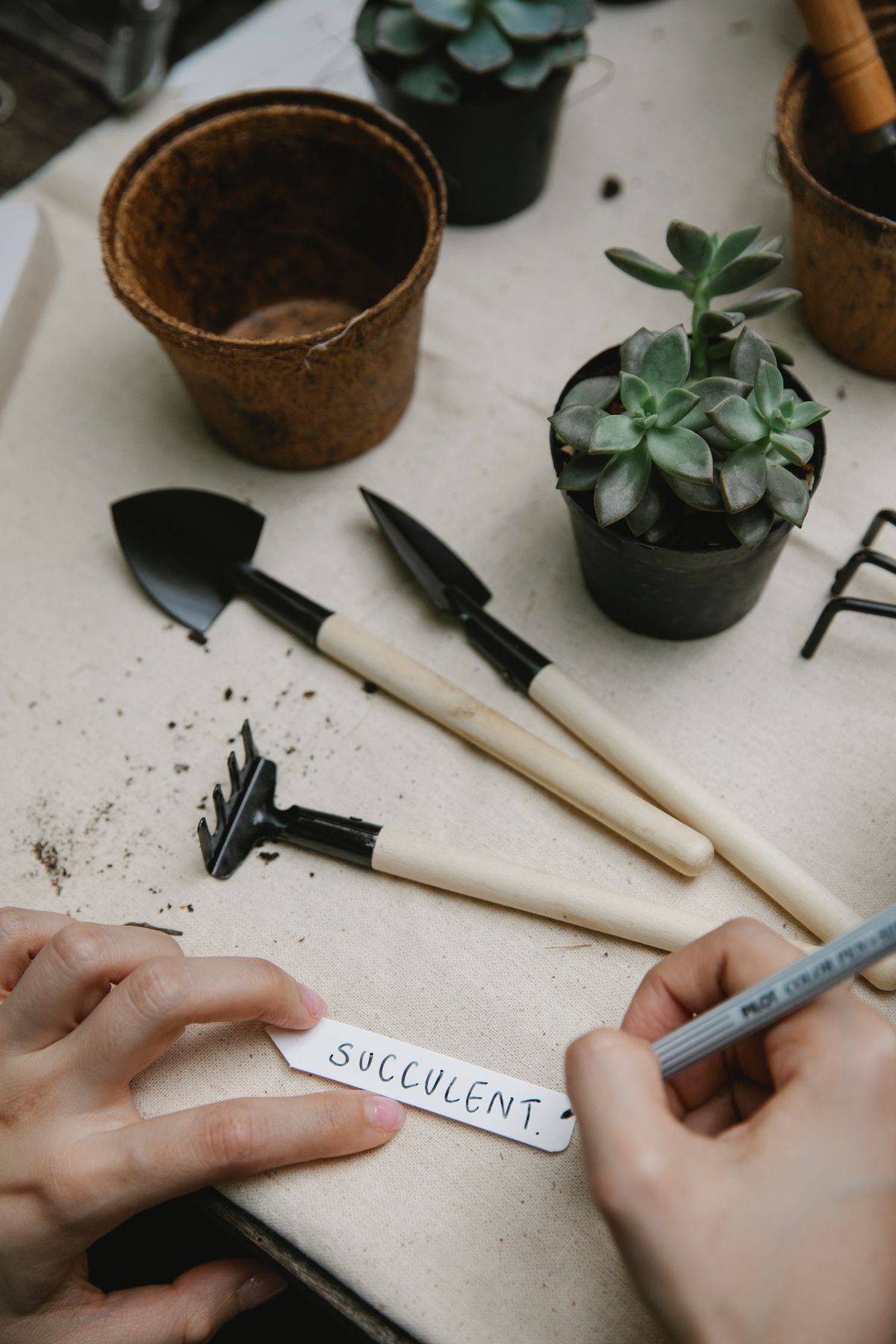
A few easy tracking tips:
- Leave a short stub when cutting the stalk, so the "retired" rosette is easy to spot at a glance.
- Snap a quick photo each time a rosette blooms, dated for your own records.
- Tie a loose plant tag or soft twist tie near the base of a bloomed rosette.
This way, it's easy to know which younger, un-bloomed rosettes to watch for the next flower spike.
When to Cut the Flower Stalk
Trimming the spent stalk is optional and purely cosmetic — it comes down to looks, not plant health. Once the flowers fade and dry, the stalk won't rebloom or bring the rosette back to leaf-making, so snip it off at the base for a tidy look, or leave it to enjoy any orange berries that formed. The Ohio Tropics grower simply trims the whole stalk once flowers finish, though waiting for it to dry out first works too. Cutting it won't restart leaf growth on that rosette either way — the Why Is My Snake Plant Flowering? guide covers the fuller post-bloom care routine.
So, can a snake plant flower again? Yes, just not from the same rosette. That single, fragrant bloom is a one-time gift from each leaf cluster, but the plant keeps the magic going through fresh rosettes for years. Give it bright light, snug roots, and easy watering, then track which rosettes have bloomed so you know where to watch next. With a little patience, the plant will surprise you with another rare flower spike down the road.
Care FAQ
Can the same snake plant rosette flower again?
No. Each rosette can produce only one flower spike in its entire life. Once its central growing point becomes a flower stalk, that rosette stops making new leaves and will never bloom again. The overall plant, however, can flower again through new rosettes.
Can a snake plant flower again after its first bloom?
Yes. While the exact rosette that bloomed will not reflower, a snake plant keeps producing new rosettes from its rhizome. Each mature rosette can bloom in a future season, so the plant as a whole can flower again and again over the years.
How long does it take for a new rosette to bloom?
A new pup usually needs at least two years to mature into a full rosette, plus the right conditions of bright light, crowded roots, and dry spells. Realistically, expect a few years between blooms, and remember that indoor flowering is naturally rare.
Will cutting the flower stalk make my rosette bloom again?
No. Trimming the spent stalk is purely cosmetic. It will not restart leaf growth or trigger a second bloom on that rosette, since its growing point has already converted. Cut it for a tidy look, or leave it to enjoy any orange berries.
Does my snake plant die after flowering?
No. A snake plant is not monocarpic, so it will not die after blooming. Only the individual rosette stops growing new leaves, while the plant keeps producing offsets and living on. That bloomed rosette can even stay green and healthy for years.
How can I get my snake plant to flower again?
Give a mature plant bright, indirect light, keep it slightly pot-bound, and let the soil dry fully between waterings. These mild stresses encourage new rosettes to bloom. Feed lightly in spring and summer, and skip bloom-booster fertilizers.