
How Do Snake Plant Pups Form Underground?
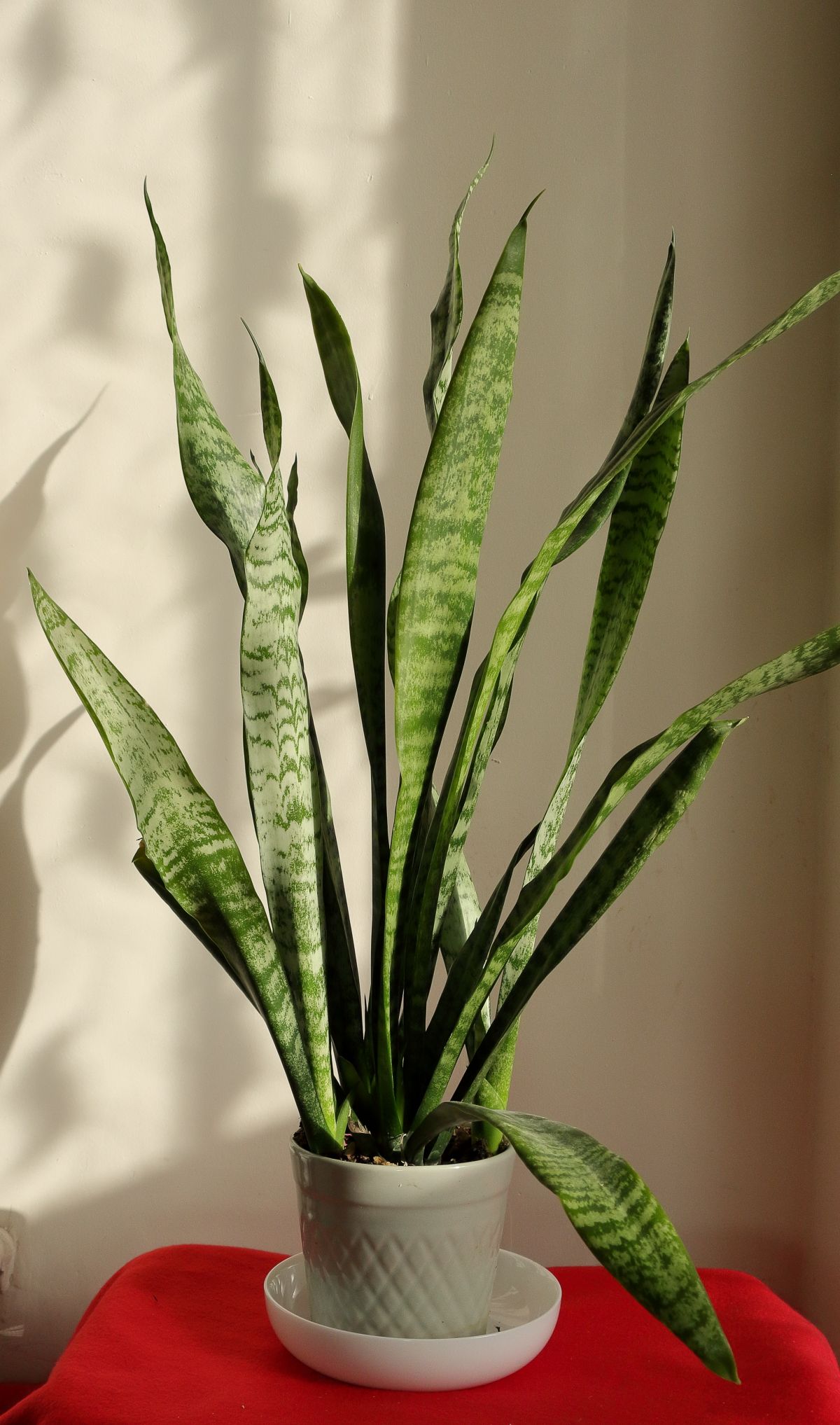
A snake plant pup forms when a dormant bud on the underground rhizome activates, grows a small root system of its own, and pushes a new leaf up through the soil beside the parent plant. It happens well before you ever see a leaf — the bud spends weeks drawing on the rhizome's stored reserves and building roots before anything is visible above the soil. Light, plant maturity, and rhizome health all determine whether and when that activation happens.
That new little leaf that showed up out of nowhere next to your snake plant did not actually appear out of nowhere. It has been developing underground for longer than it has been visible. (If you are trying to tell whether what you are looking at is a pup, a rhizome, or a root, the Snake Plant Roots vs Rhizomes guide covers how to identify each one.)
How Do Snake Plant Pups Actually Grow Underground?
Here is the part most propagation guides skip entirely, focusing instead on how to pot one up once it is already visible. A pup begins as an axillary bud sitting dormant along the rhizome — a growing point that exists but has not activated, the same kind of structure the Rhizome Division guide covers in the context of deliberately cutting a rhizome to release one. Natural pup formation is the same mechanism working without any cutting at all: as the rhizome matures and stores enough reserves, or as the plant's main growing tip's hormonal hold over nearby buds weakens with distance, a bud further along the rhizome activates on its own.
Once activated, that bud does two things almost simultaneously: it starts growing its own small root system downward into the soil, and it begins differentiating leaf tissue that will eventually push upward. The leaf is actually the last visible sign of a process that started well before it — by the time you see a new spike breaking the soil surface, the pup has usually already built a modest root system feeding off both its own new roots and, for a while longer, the parent rhizome's shared reserves. NC State Extension's botany chapter describes this same principle in rhizomatous plants generally: buds along a rhizome's nodes are what generate new above-ground shoots, distinct from the root tissue growing from the same structure. What happens after that first leaf tip breaks the surface — elongation, hardening, and the point where growth stops for good — is covered stage by stage in the Snake Plant Growth Cycle guide.
How Long Does It Take for a Pup to Show Up?
Longer than most people expect, and there is genuinely no fixed number here — this is one of the more honest gaps in most propagation content, which tends to quote a tidy timeline that does not hold up across different growing conditions. Some owners see a first pup within 3-4 months of a mature plant settling into a pot with good light. Others wait closer to a year, especially in average indoor light rather than bright, consistent indirect sun. A young plant with a single leaf cluster and an undeveloped rhizome is not simply "slow" — it has not yet built the rhizome structure needed to support a second growing point at all.
What Triggers a Pup, and What Stops One From Forming?
Three things matter more than anything else. Light is the biggest lever: 8-10 hours of bright indirect light a day gives the plant enough energy to support an additional growing point, while a dim corner keeps the plant barely maintaining its existing leaves, let alone starting new ones — the Royal Horticultural Society's sansevieria growing guide recommends this same bright, indirect light range for healthy overall growth, pup production included. Maturity is the second — the rhizome needs to have already reached a certain size and reserve level before it has anything to spare for a new bud. The third, less obvious one: rhizome or root rot from overwatering quietly drains the reserves a new pup would otherwise draw on, which is one more reason a soft, discolored rhizome base is worth taking seriously beyond just the leaves it is currently supporting.
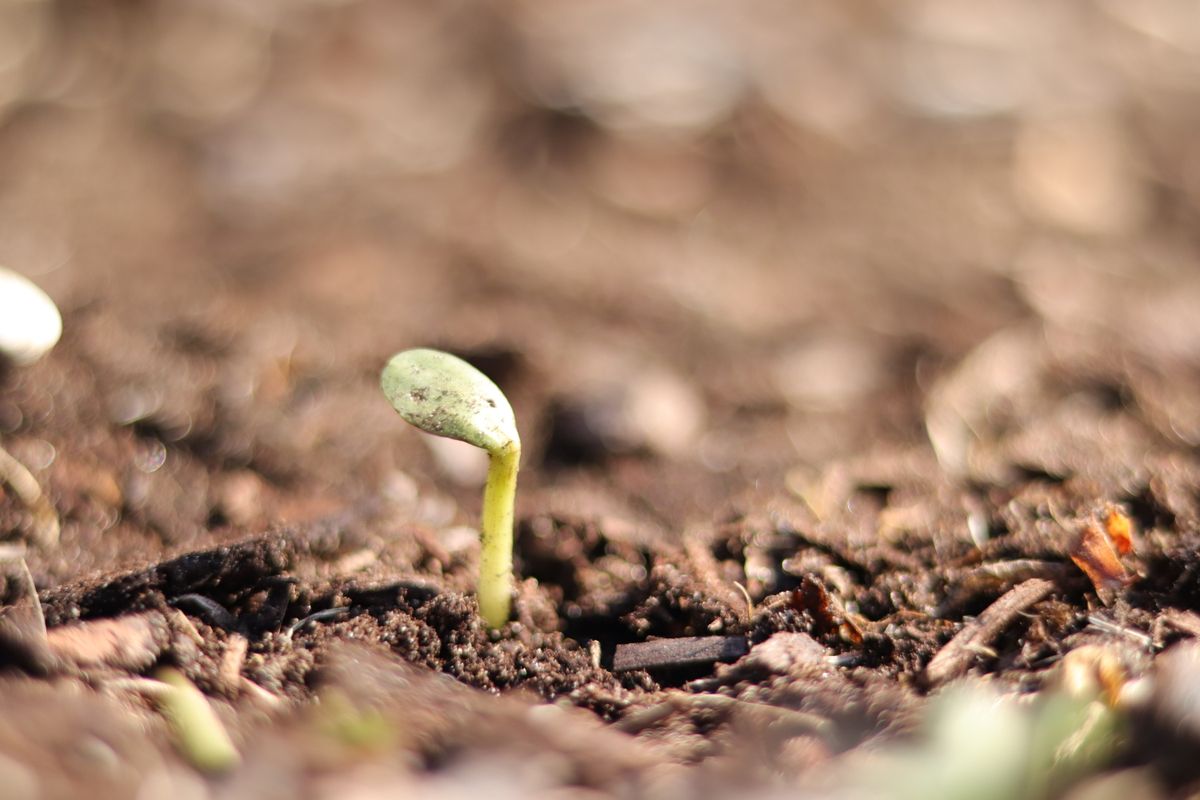
None of this can be forced on a schedule, and I would be skeptical of any guide claiming a specific trick reliably triggers pups on demand. The honest answer is closer to: get the light and watering right, keep the plant healthy, and let the rhizome decide when it has the reserves to spare.
Do Pups From a Variegated Snake Plant Keep the Stripes?
Usually, yes — and this is worth knowing before you assume the worst about a plain-looking new shoot. A pup grows from an axillary bud that is still part of the parent's original rhizome tissue, the same continuous growing-point lineage that carries a variegated variety's colour pattern. That is structurally different from a leaf cutting, which regenerates its new plant from internal tissue that does not carry the outer colour layer, and reliably loses variegation as a result. A natural pup on a Laurentii or Moonshine plant is far more likely to come up striped than a leaf-cutting-grown pup ever would.
That said, it is not an absolute guarantee — occasional reversion to solid green can still happen at the bud level in variegated cultivars, independent of propagation method. If a pup does emerge plain green while the rest of the plant is clearly striped, that is a separate genetic event worth noting rather than something this article's underground-growth mechanism explains on its own.
Is That Actually a Pup, or Something Else?
Worth confirming before you get excited about a new pup, because the two most common mix-ups are easy to make. A genuine pup emerges as its own distinct point through the soil, usually a few inches from the base of the nearest existing leaf cluster, and develops into its own small fan of leaves rather than adding to an existing one. A new leaf from an already-established cluster, by contrast, emerges from inside that cluster's own base — tucked among the existing leaves, not off to the side in open soil.
The other mix-up: a rhizome branch point that has pushed slightly above the soil line during repotting is not automatically a pup. If it has not yet grown its own leaf or visible root system, it is simply an exposed section of rhizome, not an independent plant yet. Give it time and consistent light before assuming it has failed to activate.
When and How to Separate a Pup
Wait until the pup is at least 3-4 inches tall and has visibly grown its own roots before separating it — this is the one number worth treating as a firm threshold rather than a rough guideline, since a pup separated before it has built its own root mass tends to stall or fail entirely, with nothing of its own to draw on while it recovers.
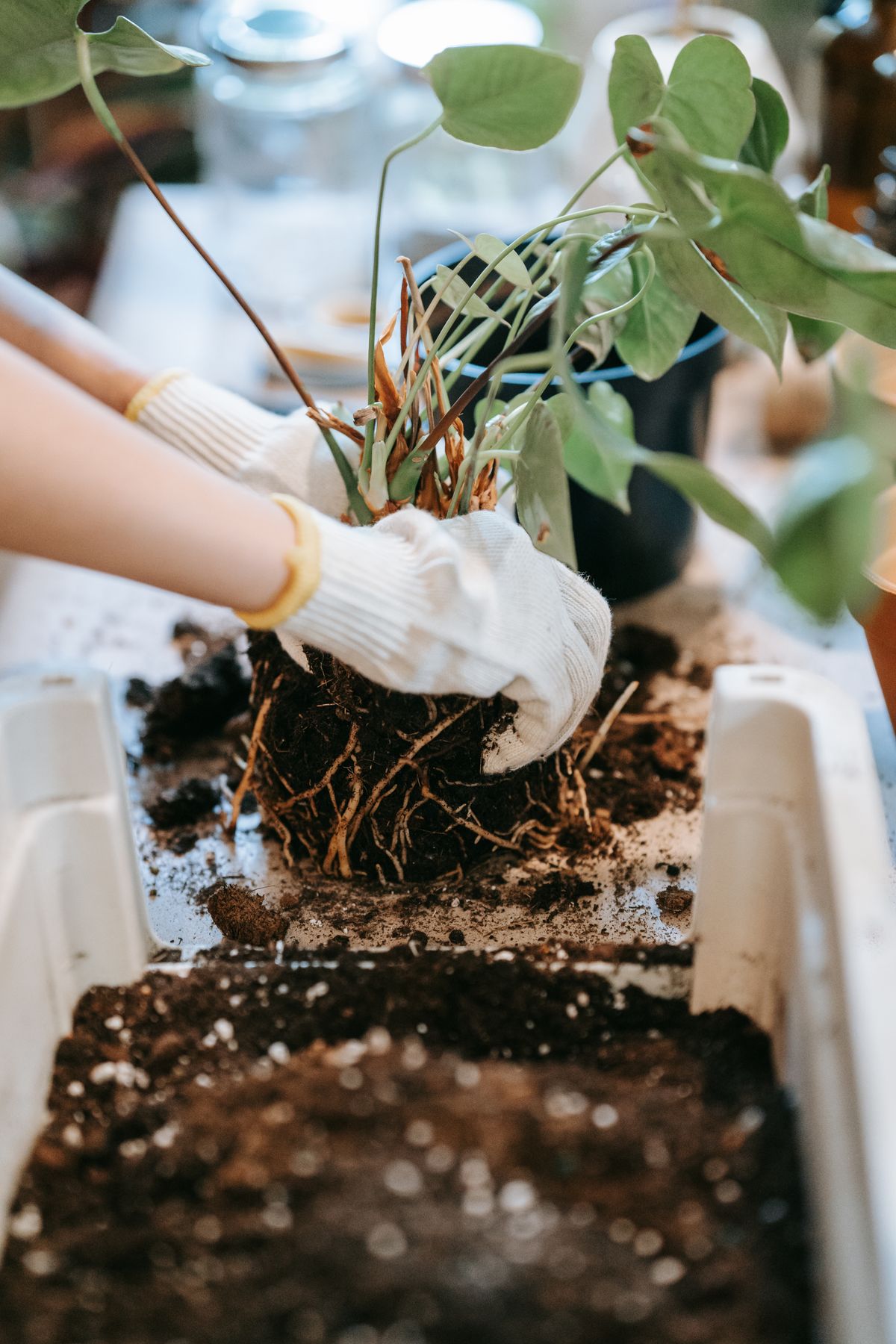
Once it has reached that size, brush away enough soil to trace the section of rhizome connecting the pup back to the parent, and cut through that connecting section with a clean, sterilized blade. Let both cut surfaces callus in dry air for 24-48 hours before potting the pup in its own container with dry cactus mix, and hold off watering for 5-7 days after that. The full step-by-step cutting and callusing process — including how to identify a healthy cut point and what can go wrong — is in the Rhizome Division guide.
Does Every Snake Plant Eventually Produce Pups?
Most healthy, mature plants will, given enough time and reasonable light — but "eventually" can mean a long wait, and a plant kept in low light or a very small, tightly packed pot may produce them slowly or not at all for years. This is not a sign that something is wrong. Sansevieria tolerates being root-bound well and does not need repotting on a schedule just to encourage pups; forcing an oversized pot on it in the hope of speeding things up is more likely to cause root rot than growth. The Sansevieria Morphology guide covers why this plant's underground architecture makes patience the more reliable strategy than intervention.
For the full underground structure this process relies on, the Sansevieria Plant Botanical Guide and the Sansevieria Trifasciata guide cover the species in full.
If you have spotted what looks like a new pup: check whether it is a distinct point in the soil with its own emerging leaves, not just a new leaf from an existing cluster, and leave it attached to the parent until it reaches 3-4 inches with its own roots before you even think about separating it.
Care FAQ
How do snake plant pups grow?
A pup starts as a dormant bud on the underground rhizome. When conditions allow — usually on a mature plant with enough light and stored reserves — that bud activates, grows its own small root system, and pushes a new leaf up through the soil next to the parent plant. It stays connected to the parent rhizome for weeks or months before it can function fully on its own.
How long does it take for a snake plant pup to appear?
There is no fixed timeline, but several months is typical on an actively growing, mature plant — some owners see a first pup within 3-4 months of repotting or a division taking hold, others wait a year or more. Growth rate depends heavily on light and the plant's overall maturity, and a young plant with only one leaf cluster usually has not developed the rhizome structure to produce pups yet.
Why is my snake plant not producing any pups?
The most common reasons are insufficient light, a plant that is still too young or small to have multiple growing points, or root/rhizome rot quietly suppressing new growth. A healthy, mature plant in bright indirect light for 8-10 hours a day is the condition most likely to produce pups. Some plants simply take longer than others, even under good conditions.
How do I know if it is a real pup and not just a new leaf?
A pup emerges as a distinct new point through the soil surface, separate from the base of an existing leaf cluster, and develops its own small cluster of leaves rather than adding a single leaf to an existing fan. A new leaf from an established cluster emerges from inside that cluster's own base, not from a new spot in the soil nearby.
When is a snake plant pup ready to be separated?
Once it reaches at least 3-4 inches tall and has visibly developed its own roots, distinct from the parent's root system. Separating earlier risks cutting away a pup that has not yet built enough of its own root mass to support itself, which slows its recovery significantly.
Can a pup be removed without harming the parent plant?
Yes, if it already has its own roots. Trace the rhizome connecting the pup to the parent, cut through the connecting section with a clean blade, and let both cut surfaces callus for 24-48 hours before potting the pup separately. A pup with its own established roots recovers quickly; one removed too early, without roots, often struggles or fails.