
Snake Plant Growth Cycle: From Rhizome Bud to Mature Leaf
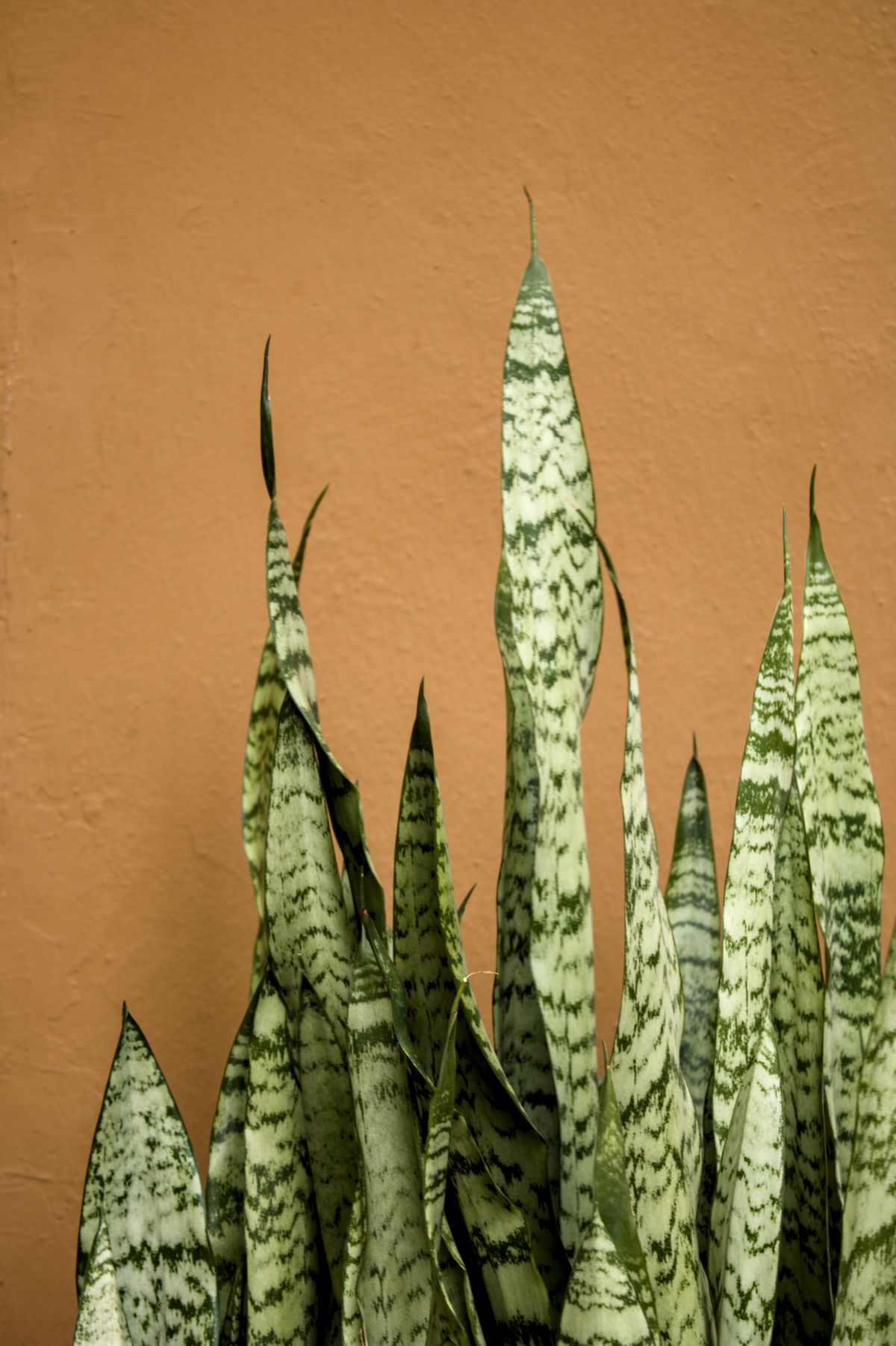
The snake plant growth cycle runs through five distinct stages: a dormant rhizome bud activates, the new leaf emerges through the soil, it elongates rapidly toward its final length, it hardens into its rigid mature form, and it reaches functional maturity, where its size is permanently fixed. The whole process, bud to full maturity, typically takes several months — and once a leaf finishes hardening, it never grows any further.
Most care guides describe snake plant growth as one vague blur — "it grows slowly, be patient." That is not wrong, but it skips the actual structure of what is happening. Growth is not one continuous blur. It is five distinct stages, each doing a different job, each with its own rough timeline. (If you are trying to work out where a specific leaf currently sits in this cycle, the Why Is My Snake Plant Not Growing New Leaves? guide covers what it means when a plant seems stuck between stages.)
Stage 1: A Rhizome Bud Activates
Every new leaf starts as a dormant bud sitting along the underground rhizome — not a new structure appearing from nothing, but an existing growing point switching on. What triggers that switch is covered in full in the How Do Snake Plant Pups Form Underground? guide; the short version is that light, plant maturity, and stored reserves in the rhizome all factor into when a given bud has what it needs to commit. Nothing is visible above the soil at this stage, and that invisibility is exactly why this stage gets skipped over in most descriptions of snake plant growth — there is genuinely nothing to see yet.
This is also the stage where an existing flower stalk changes everything for that particular growing point. A rosette that has flowered does not cycle back through these five stages again — its growing point committed to producing a flower spike instead of another leaf, permanently, for that one location on the rhizome. The rest of the plant keeps producing new leaves through its other, unflowered growing points exactly as before.
Stage 2: The New Leaf Emerges Through the Soil
Once a bud activates, it starts building a small root system and differentiating leaf tissue below the surface before anything pushes through. The visible sign — a small, pointed green tip breaking the soil — is actually a late step in a process that started earlier and out of sight. This is the point most people identify as "a new pup" or "new growth," even though the underground work behind it has already been happening for weeks.
Stage 3: Rapid Elongation
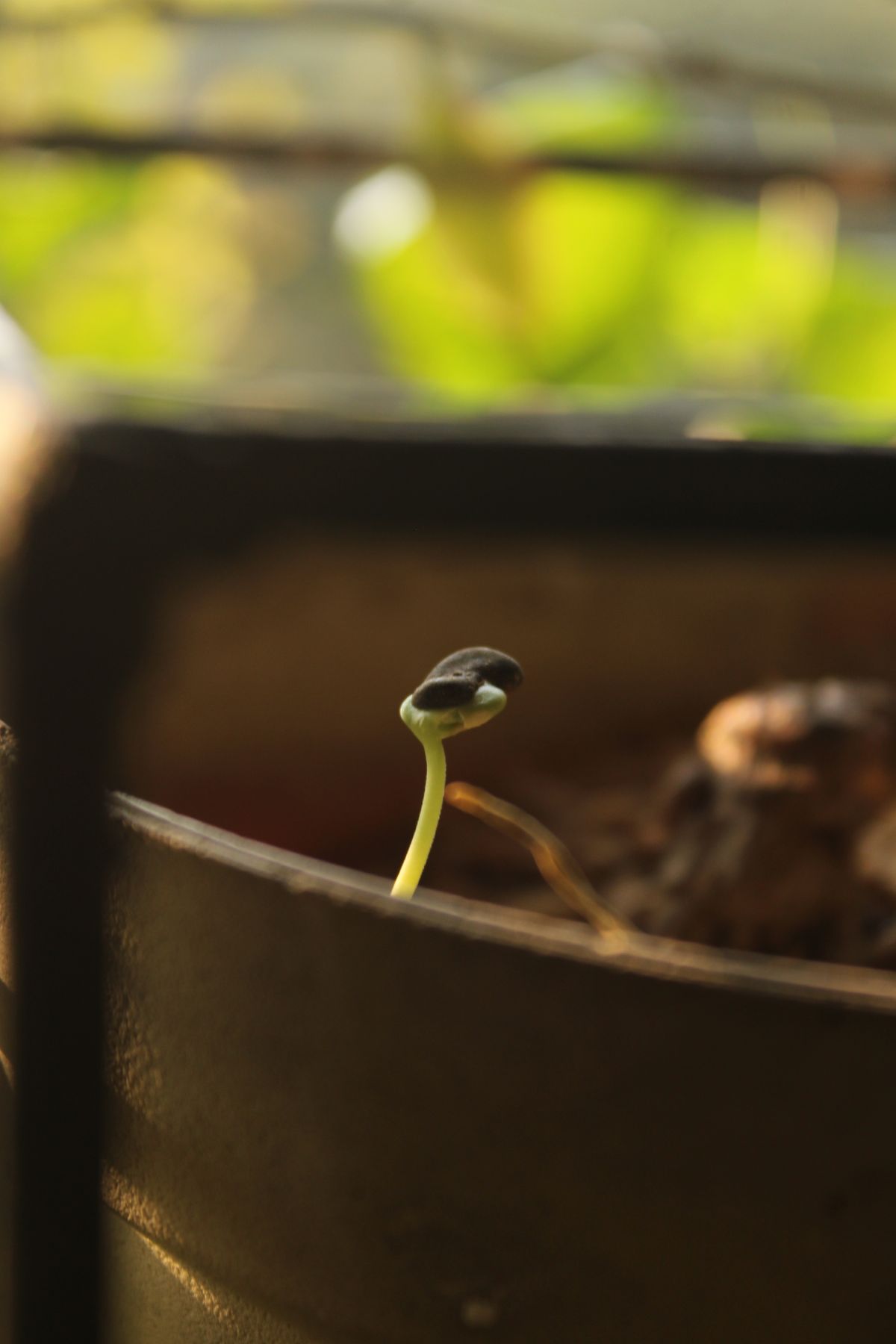
This is the fastest, most visible stage, and the one that makes people think the plant is "finally growing" after a long quiet stretch. The new leaf pushes upward and lengthens toward its eventual size relatively quickly compared to everything else in the cycle — days to a few weeks of visible daily or weekly change, depending on light and season. What is happening internally is the leaf laying down its structural fiber tissue as it extends, the same tissue responsible for a mature leaf's rigidity and its resistance to splitting under pressure — and worth noting, this elongating leaf is still drawing on the rhizome's own water and carbohydrate reserves rather than the roots. The Snake Plant Roots vs Rhizomes guide covers why that division of labor exists between the two structures, and why the rhizome, not the roots, is what actually funds a leaf through this stage.
Stage 4: Hardening Into Its Mature, Rigid Form
Here is the part almost no growth-stage guide separates out, and it matters: reaching full length is not the same as reaching full maturity. After a leaf stops elongating, it spends additional time — longer than the visible elongation phase itself — thickening its waxy cuticle and finishing its internal fiber development, transitioning from a slightly soft, pliable young leaf to the firm, rigid structure snake plants are known for. A leaf that looks "done growing" in terms of length can still be noticeably softer and less structurally complete than a leaf that finished this stage months earlier.
Stage 5: Functional Maturity — and a Permanent Stop
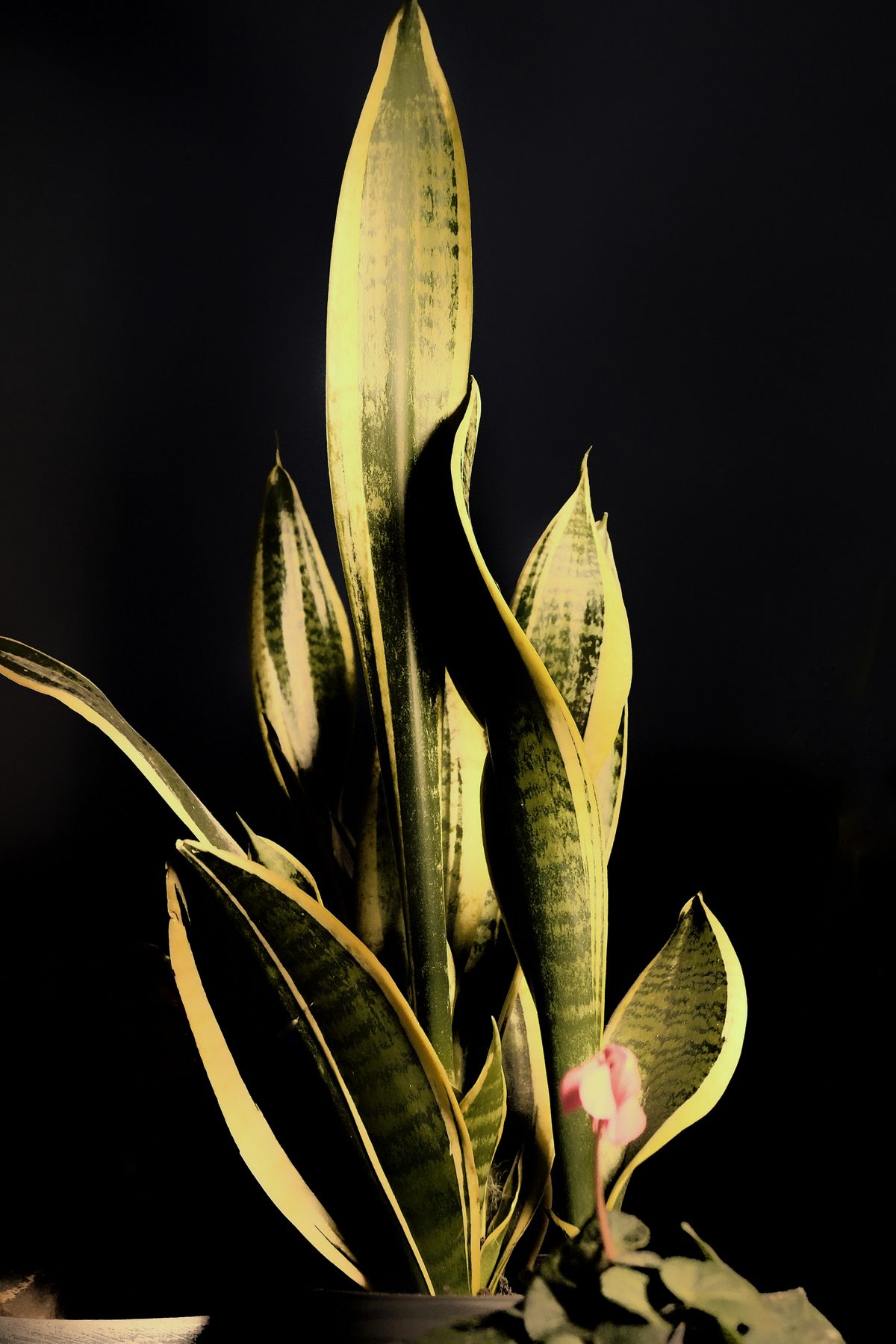
Once hardening finishes, the leaf's size is fixed for the rest of its life. It will not get any taller, thicker, or longer, regardless of how good conditions get from that point forward — snake plant leaf growth is determinate, meaning each leaf has a genetically set endpoint it reaches once and does not revisit. From here, the leaf's job shifts entirely: it photosynthesizes, stores water in its internal tissue, and contributes to the plant's overall reserves, but it contributes nothing further to height or size. All future growth in the plant comes from new leaves started at Stage 1, not from any leaf continuing to develop past this point.
What Happens If a Leaf Is Damaged Partway Through the Cycle?
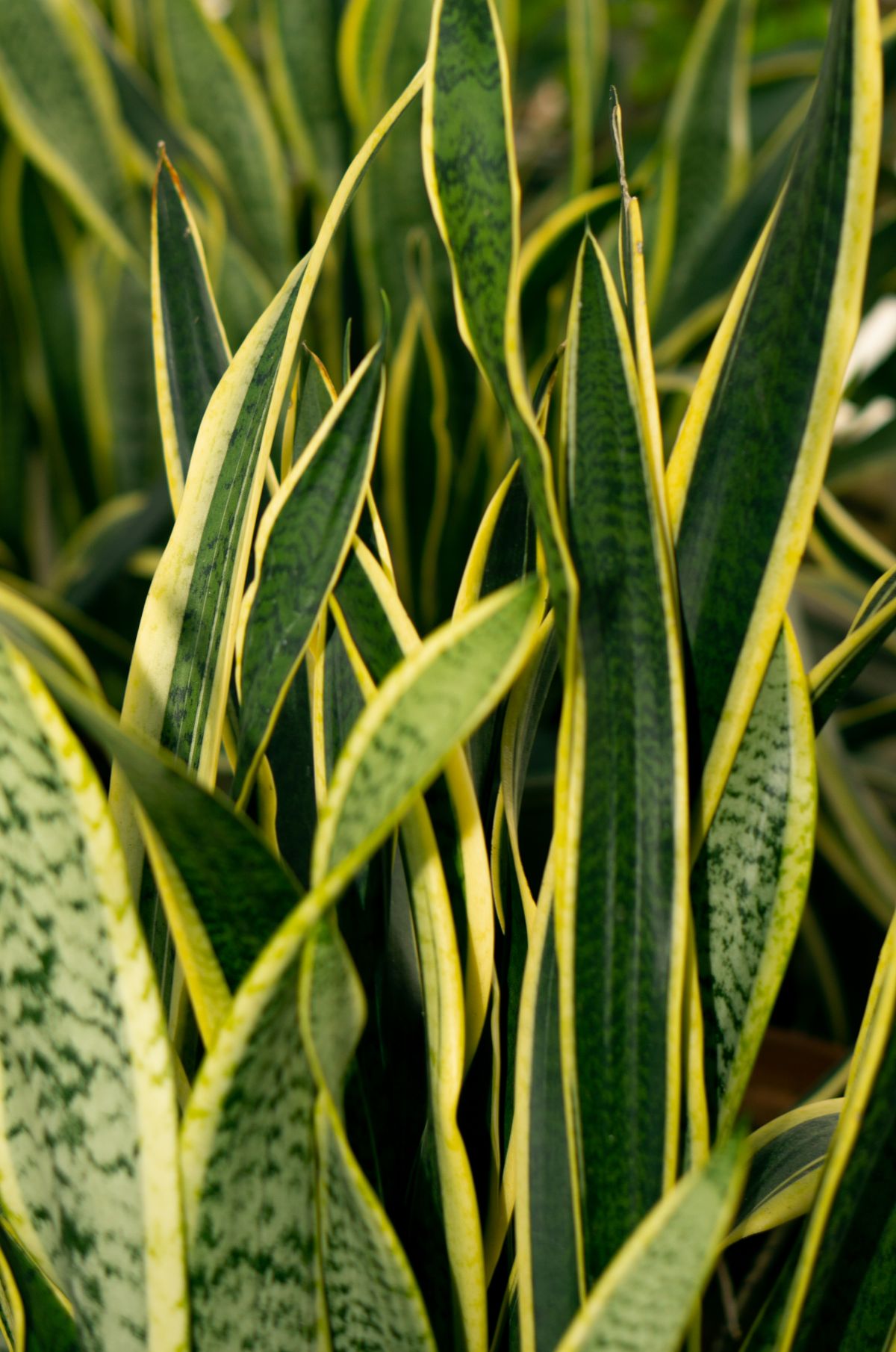
Because growth is determinate — set once, not revisited — a leaf damaged during Stage 3 or Stage 4 does not resume growing to compensate afterward. A leaf tip cut or snapped off mid-elongation stays exactly that length for the rest of its life; the leaf does not regrow the missing portion or extend further to make up for it. This is the same determinate growth principle that explains why a cut snake plant leaf tip never regrows, and it applies at any stage after the leaf has committed to its structure, not only once it reaches full size. Practically, this means the timing of any accidental damage matters less than people assume — a nick early in Stage 3 and a nick late in Stage 4 both simply become a permanent feature of that leaf, not a wound the plant will grow past.
Does the Growth Cycle Look Different on a Young Plant?
Somewhat, yes, though the five stages themselves stay the same. A young plant — freshly propagated from a division or still on its first one or two leaf clusters — typically produces smaller, thinner leaves through this same cycle, simply because its rhizome has not yet built up the reserves a mature plant draws on for each flush. This can look deceptively fast at first, since a small plant's early leaves are proportionally quick to reach their (smaller) full size, but it is not actually a faster version of the cycle — it is the same five stages operating on a smaller scale. As the rhizome matures over subsequent years, each new flush tends to produce larger leaves than the one before, until the plant reaches the leaf size typical of its variety.
A young plant on a single division is also more likely to spend its first year mostly on Stages 1 and 2 — building rhizome mass and root structure below the soil — with comparatively little visible leaf growth to show for it. Owners who divided a plant expecting immediate above-ground results are usually watching the least visible stages of the entire cycle, not a division that has failed to take.
Why Growth Happens in Flushes, Not a Steady Trickle
Snake plants do not add growth continuously the way some houseplants do. Leaves tend to appear in flushes — a burst of one or two new leaves, then a quiet stretch of weeks or months with no visible change at all — because leaf production draws on reserves the rhizome has to accumulate first, not on whatever the plant happens to be photosynthesizing that particular week. NC State Extension's plant profile for Dracaena trifasciata describes this species' growth as slow and seasonal rather than continuous, consistent with a reserve-driven pattern rather than steady output. A quiet month is not a stalled plant. It is usually the rhizome rebuilding what the last flush spent.
How Many New Leaves Should You Realistically Expect?
Roughly 2-4 new leaves a year with 8-10 hours of bright indirect light daily. In lower light, that drops to one leaf a year, sometimes none, and that is the plant surviving rather than failing — the Royal Horticultural Society's sansevieria growing guide treats this kind of slow, light-dependent output as standard for the species rather than a symptom of a problem. I would treat any claim of dramatically faster growth — a few sites claim several feet of growth in a single year — with real skepticism. That is not how this plant grows, in good conditions or otherwise, and expecting it sets you up to worry over a perfectly healthy, normally slow plant.
For the complete underground structure driving every stage of this cycle, the Sansevieria Plant Botanical Guide and the Sansevieria Trifasciata guide cover the species in full.
If you have a leaf that looks fully grown but still feels a little soft: it has probably finished Stage 3 but not Stage 4 yet. Give it a few more weeks to harden before judging whether something is wrong.
Care FAQ
What is the snake plant growth cycle?
Five stages: a dormant rhizome bud activates, the new leaf emerges through the soil, it elongates rapidly to most of its final length, it hardens and thickens into its mature rigid form, and it reaches functional maturity, where it stops growing and simply photosynthesizes and stores water for the rest of its life.
How long does it take a snake plant leaf to fully mature?
From the moment it breaks the soil surface to reaching full size and hardness, expect roughly 2-4 months under good light, though this varies with conditions. The elongation phase is the fastest part; hardening into the leaf's final rigid, waxy form takes noticeably longer than the visible growth in length does.
How many new leaves does a snake plant produce per year?
Roughly 2-4 new leaves a year under good conditions — 8-10 hours of bright indirect light daily — arriving in flushes rather than a steady trickle. In low light, that can drop to one leaf a year or none at all. Growth is not continuous; the plant produces leaves in bursts tied to its stored reserves and the season.
Do snake plant leaves keep growing once they reach full size?
No. Once a leaf hardens into its mature form, its length is fixed permanently. It does not continue to grow taller, thicker, or longer after that point, even under ideal conditions. All future height increase for the plant comes from new leaves emerging from the rhizome, not existing leaves continuing to grow.
Why does a snake plant grow in bursts instead of steadily?
Because leaf production draws on stored reserves in the rhizome rather than running continuously off current photosynthesis alone. The plant accumulates enough reserves and favorable conditions, then commits them to a new leaf all at once, followed by a quieter period while reserves rebuild. This is normal and not a sign of stress.
Is it true snake plants can grow several feet in a year?
No — this claim shows up on some plant sites but does not match how this species actually grows. Sansevieria is a slow grower by nature. Even in excellent light, 2-4 new leaves and modest height gain per year is realistic; several feet of growth in a single year is not something this plant does.