
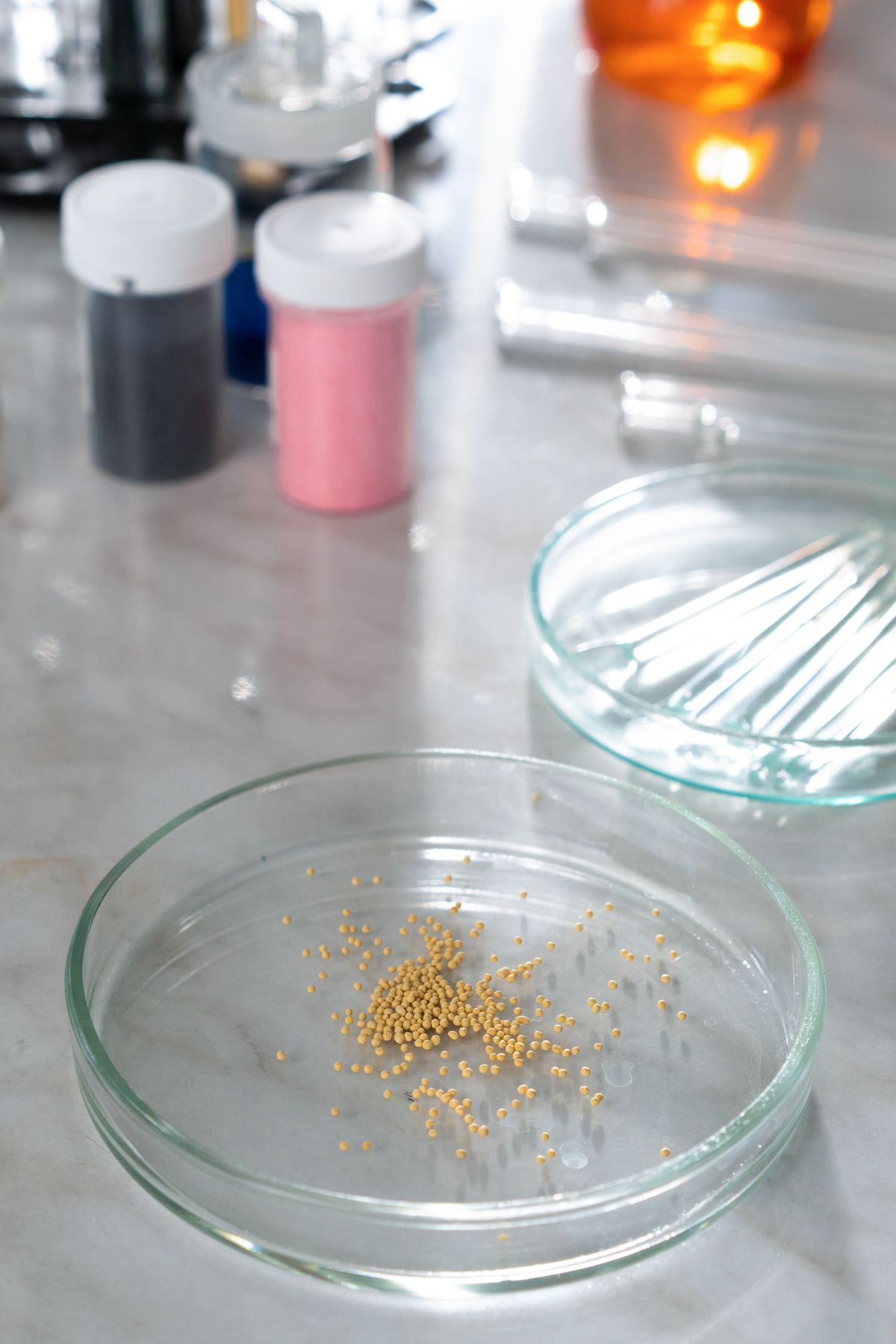
Snake Plant Seeds: Structure, Viability and Germination
Snake plant seeds form rarely, stay viable for a short window, and germinate slowly even under ideal conditions. Here is how to test whether a batch is worth planting, the exact steps to sow them, and the conditions that actually move the needle on germination rate.
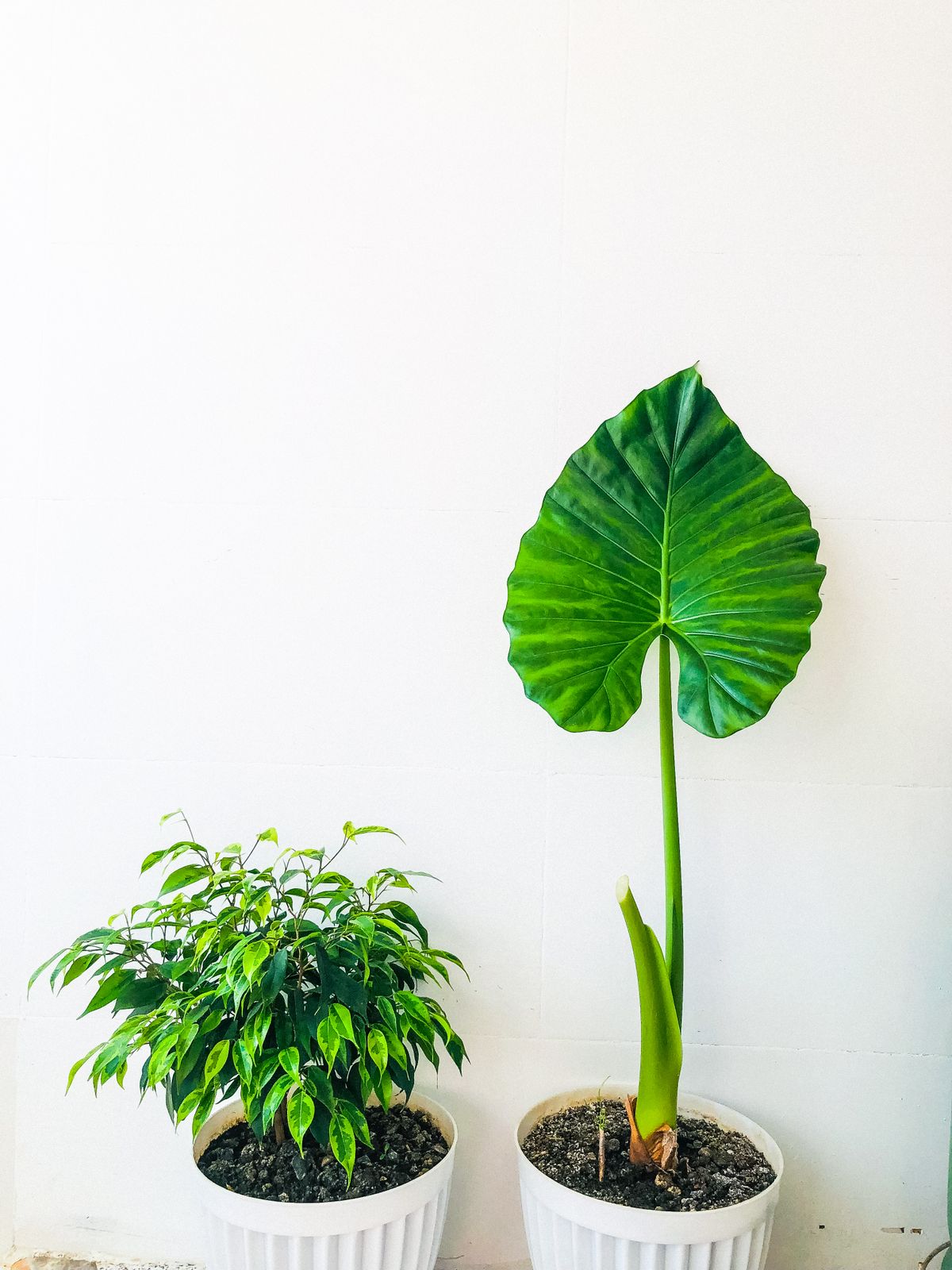
Self-Pollination vs Cross-Pollination in Snake Plants
A solo snake plant producing berries with no moth in sight and no second plant nearby sounds impossible — self-pollination is how it happens. Here is the side-by-side comparison with cross-pollination, and a step-by-step guide to hand-pollinating your own plant.

Snake Plant Southern Blight: Living Rhizome vs. Rotted Rhizome
Southern blight attacks the rhizome fast, but a plant is not necessarily lost — the difference between tossing the whole thing and rescuing a healthy new plant comes down to telling a living rhizome from a rotted one. Here is how, plus how this fungus differs from ordinary overwatering rot.
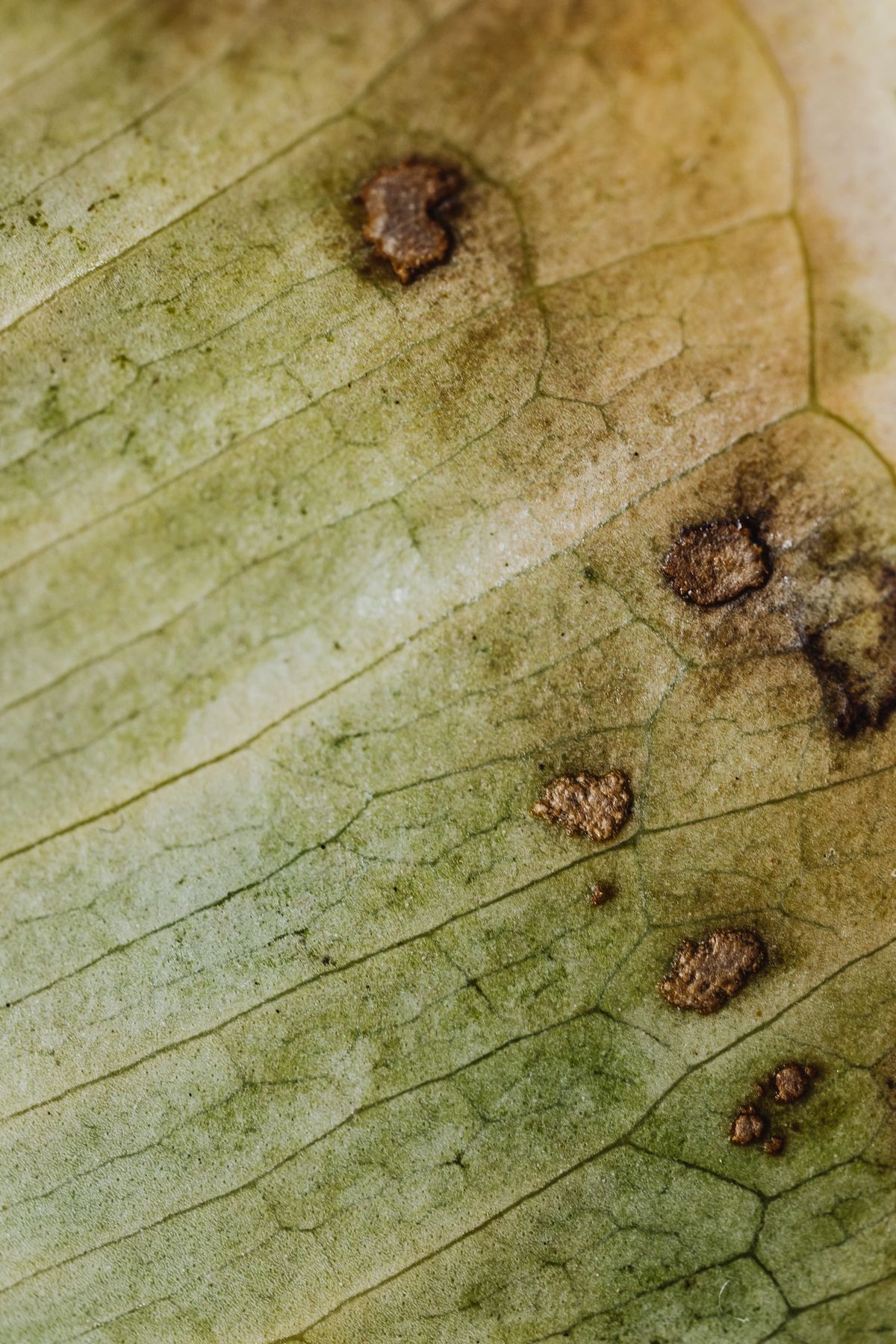
Snake Plant Sunburn vs Fungal Leaf Spot
Snake plant sunburn vs fungal spot comes down to one reliable clue: dry and still versus ringed and spreading. Here is how to read the pattern in seconds, plus the separate fix for each.

Why Do New Snake Plant Leaves Grow Thin and Weak?
Thin, floppy new growth on a snake plant is almost always the plant stretching for light instead of building sturdy tissue — the same etiolation response that makes any shaded seedling reach upward. Here are all six causes and the fix for each.
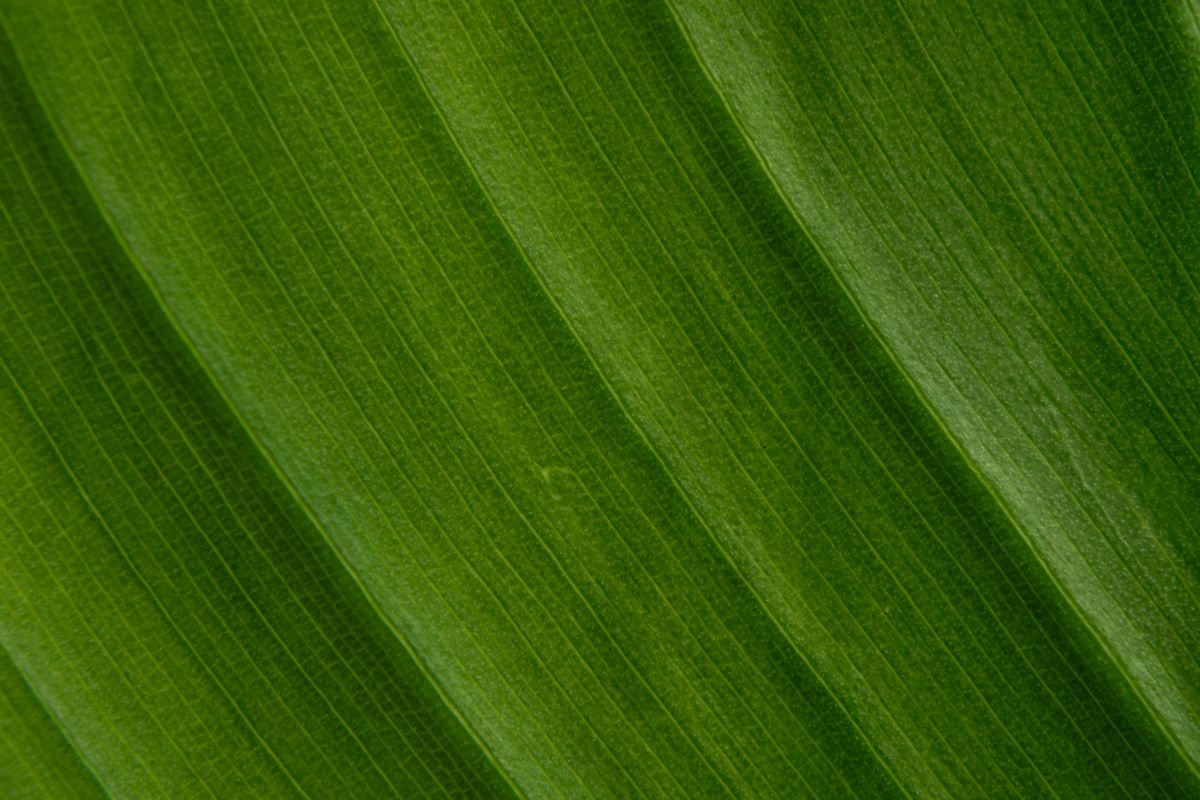
Snake Plant Vascular Bundles: A Guide to Monocot Anatomy
Every snake plant leaf is a textbook monocot: scattered vascular bundles, dead-straight parallel veins, no ring, no cambium, no wood. Here is what xylem, phloem, and that scattered layout are actually doing, and why the arrangement is the direct cause of several things every owner already knows about this plant.
How Do Snake Plant Leaves Store Water?
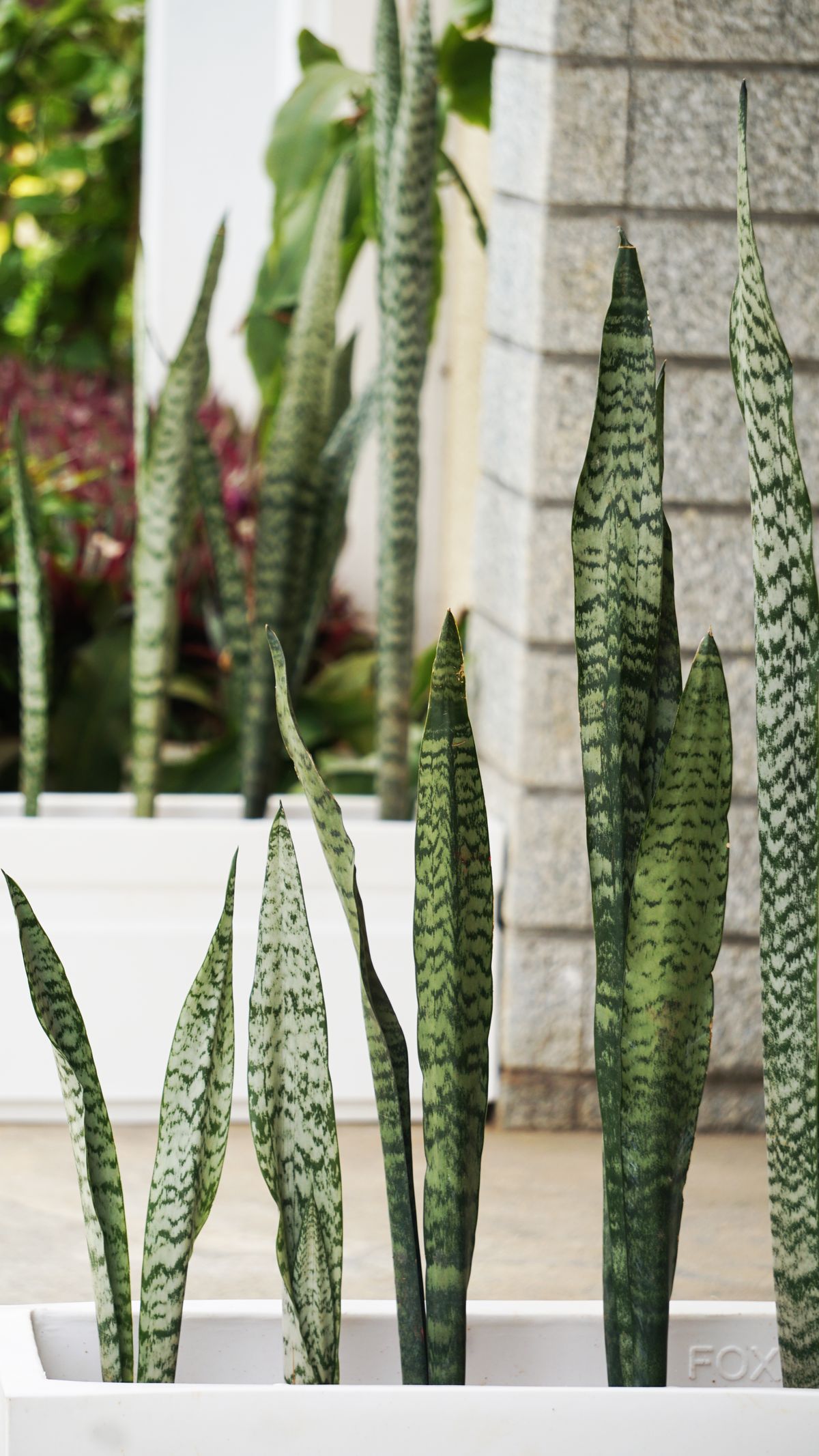
Most guides treat a snake plant leaf's water storage as a simple emergency tank, tapped only during drought. That is only half the picture. The tissue actually trades water back and forth with the photosynthetic layer every single day as part of the plant's normal night-and-day cycle — storage that is constantly working, not just waiting.
How Do Snake Plant Pups Form Underground?
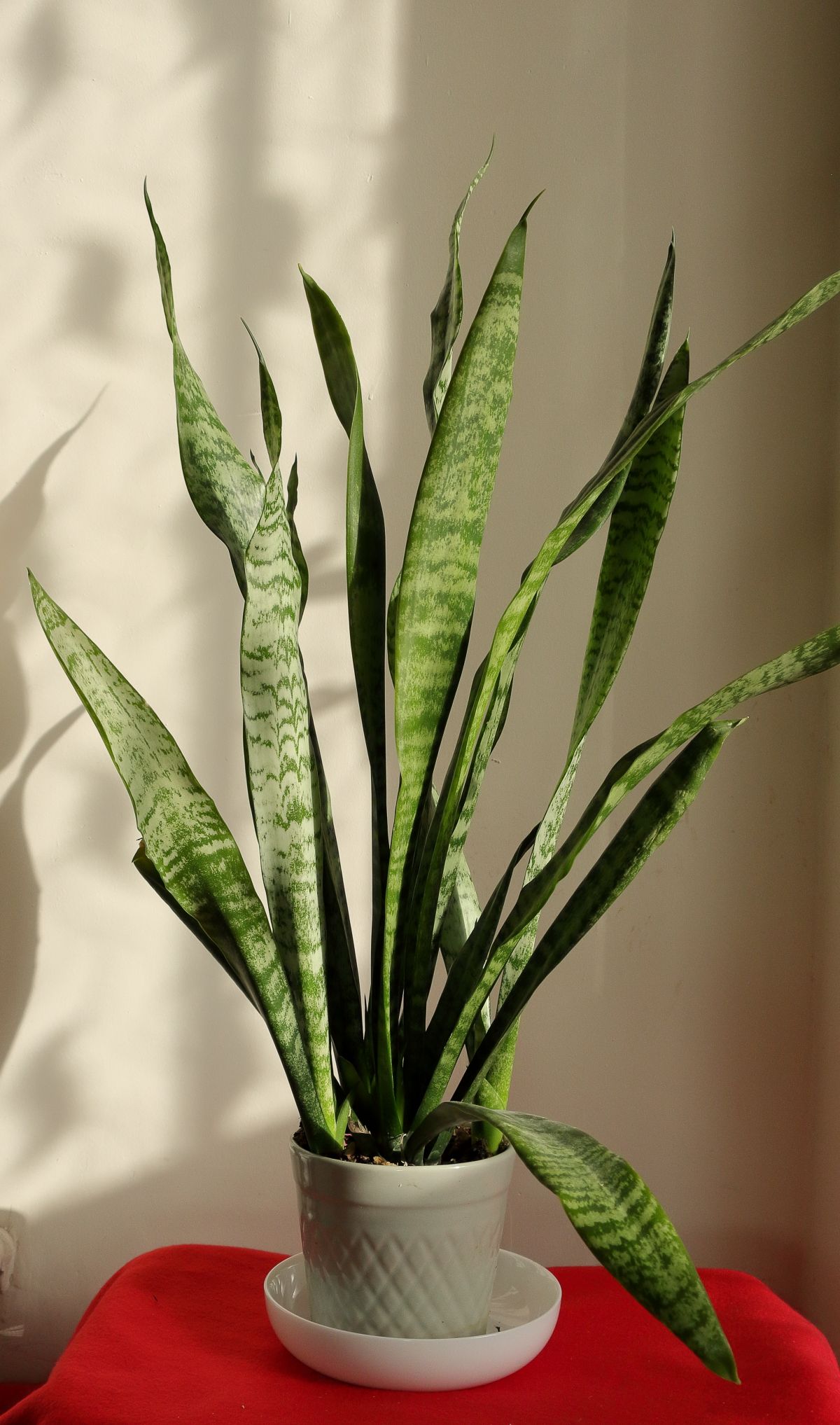
A new leaf cluster showing up next to your snake plant looks like it appeared from nowhere. It did not. It has been building underground for weeks before you ever saw it — a dormant bud on the rhizome activating, drawing on the parent plant's reserves, and growing its own roots before it commits to a single visible leaf.
Why Is My Moonshine Snake Plant Turning Green?
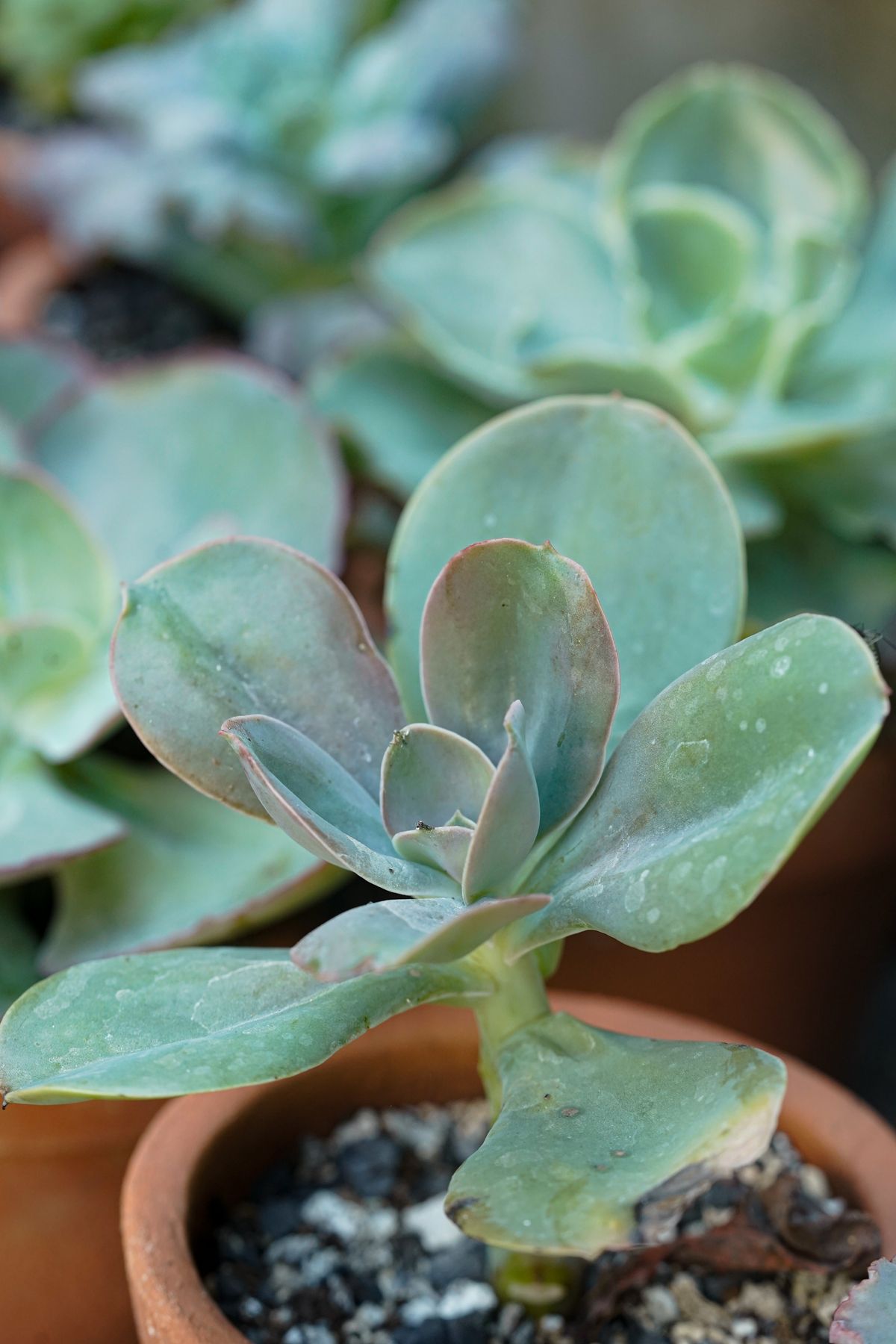
A Moonshine losing its silvery glow is not the same problem as a Laurentii losing its yellow margin. The silver is not chlorophyll-based variegation at all — it is a wax layer that thins in low light and fades naturally as a leaf ages. Here is the actual mechanism, and why the fix is not what most propagation advice assumes.
Chimeral Variegation in Snake Plants Explained
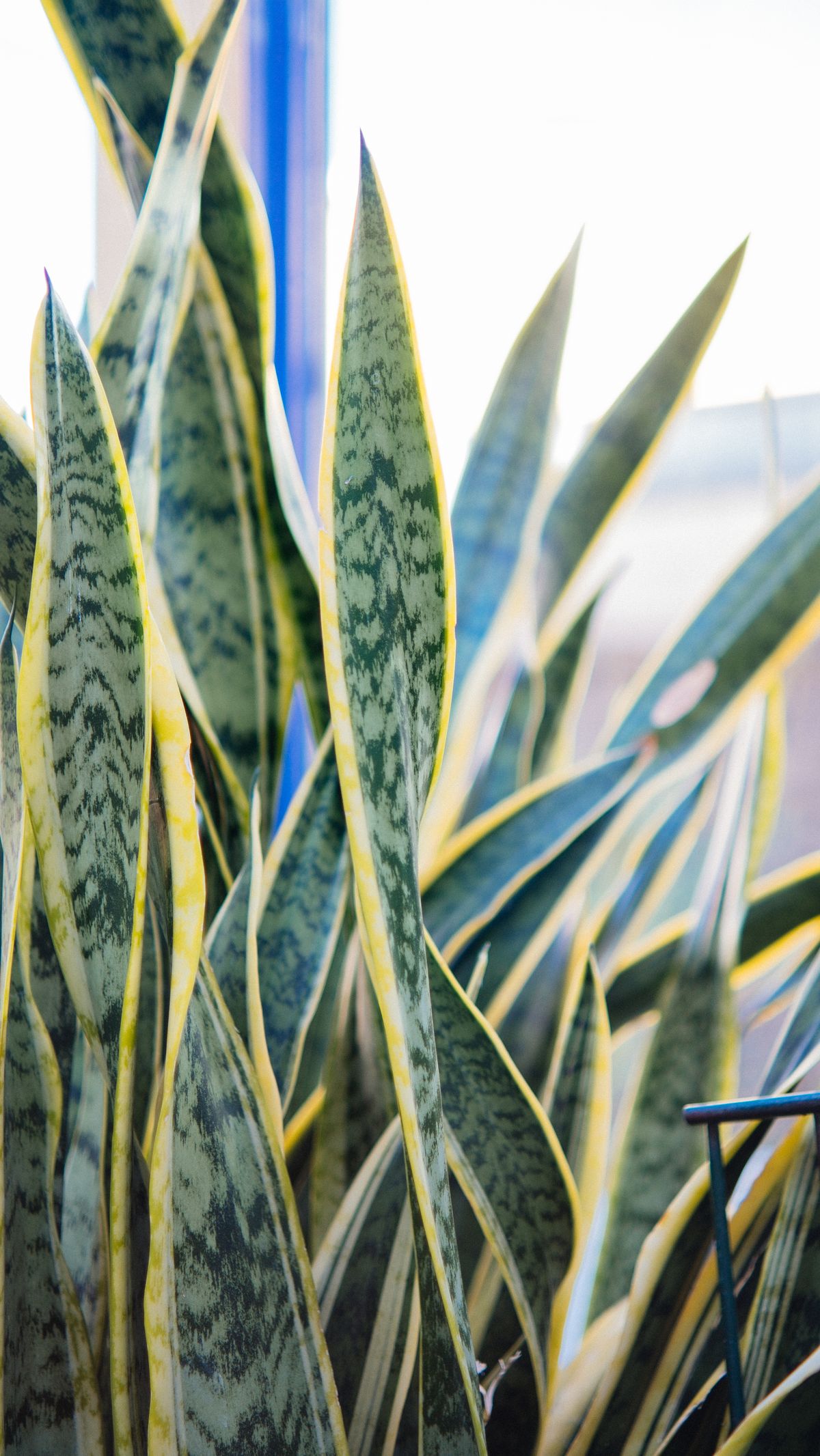
Laurentii's gold-edged leaves are not "variegated" the way a tulip is. They are a chimera — a plant built from two genetically distinct populations of cells growing side by side, discovered as a single wild plant over a century ago and propagated ever since. Here is what that actually means, and why not every stripe on a snake plant works the same way.
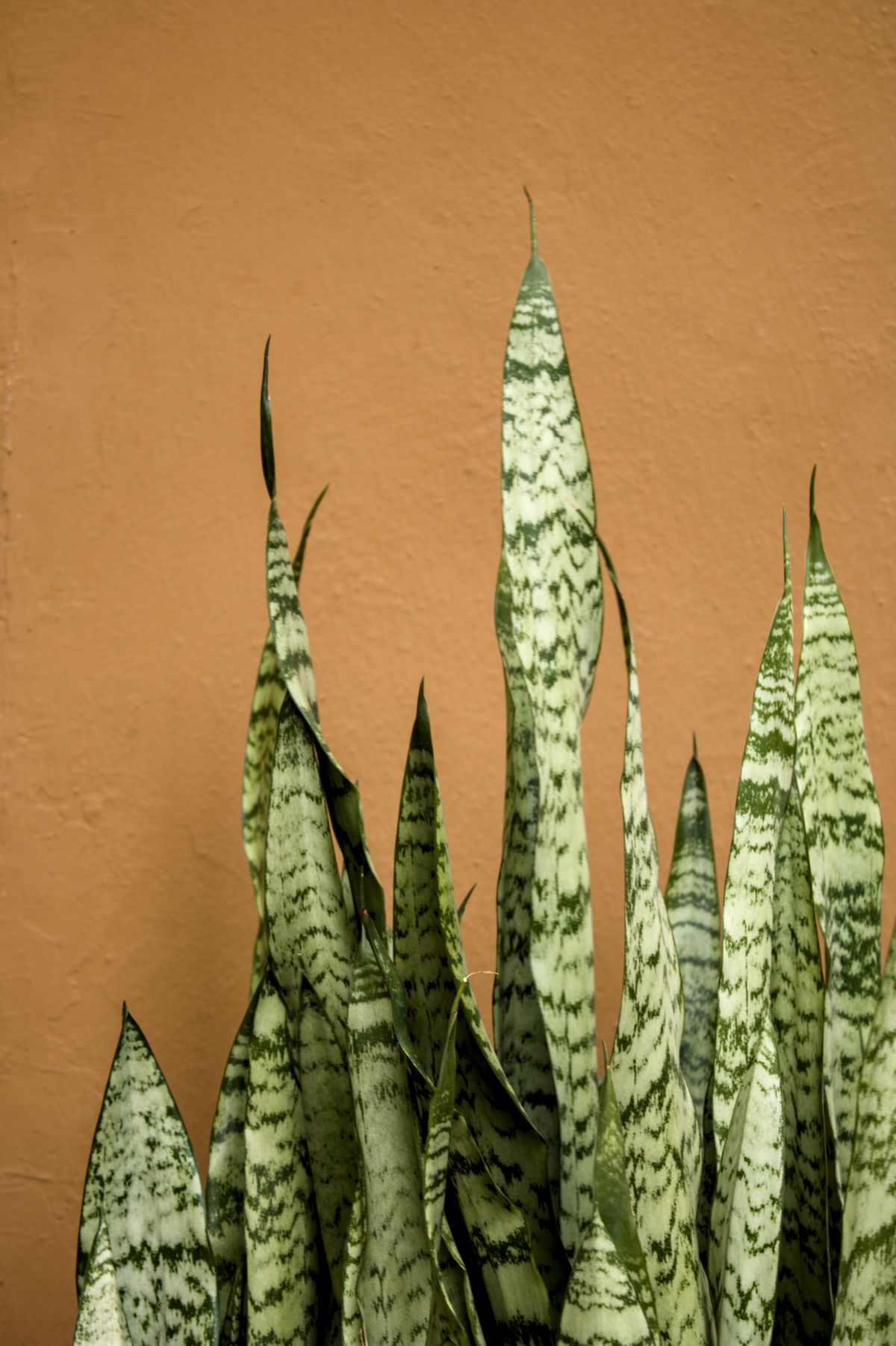
Snake Plant Growth Cycle: From Rhizome Bud to Mature Leaf
Most guides describe snake plant growth as one vague blur: "it grows slowly." It actually happens in five distinct stages, each with its own timeline and its own job — from a dormant bud committing to grow, through a fast elongation phase, to a leaf that hardens into place and simply stops.
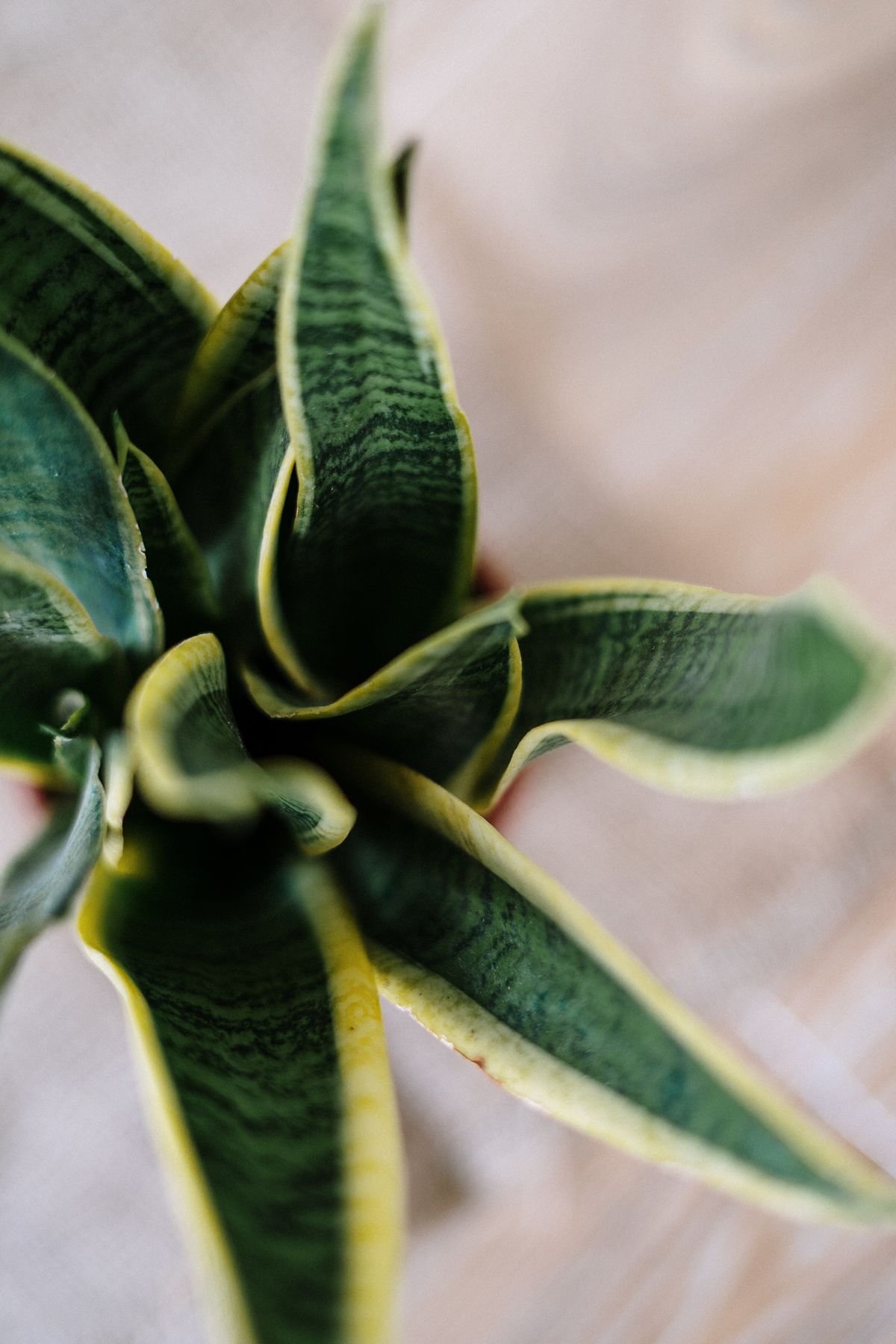
Snake Plant Leaf Cross-Section: Every Tissue Layer Explained
Cut a snake plant leaf in half and you are not looking at a simple green blade. You are looking at five distinct tissue layers stacked and nested inside each other, each doing a different job — waterproofing, gas exchange, photosynthesis, water storage, and structural reinforcement. Here is what is actually in there, layer by layer.