
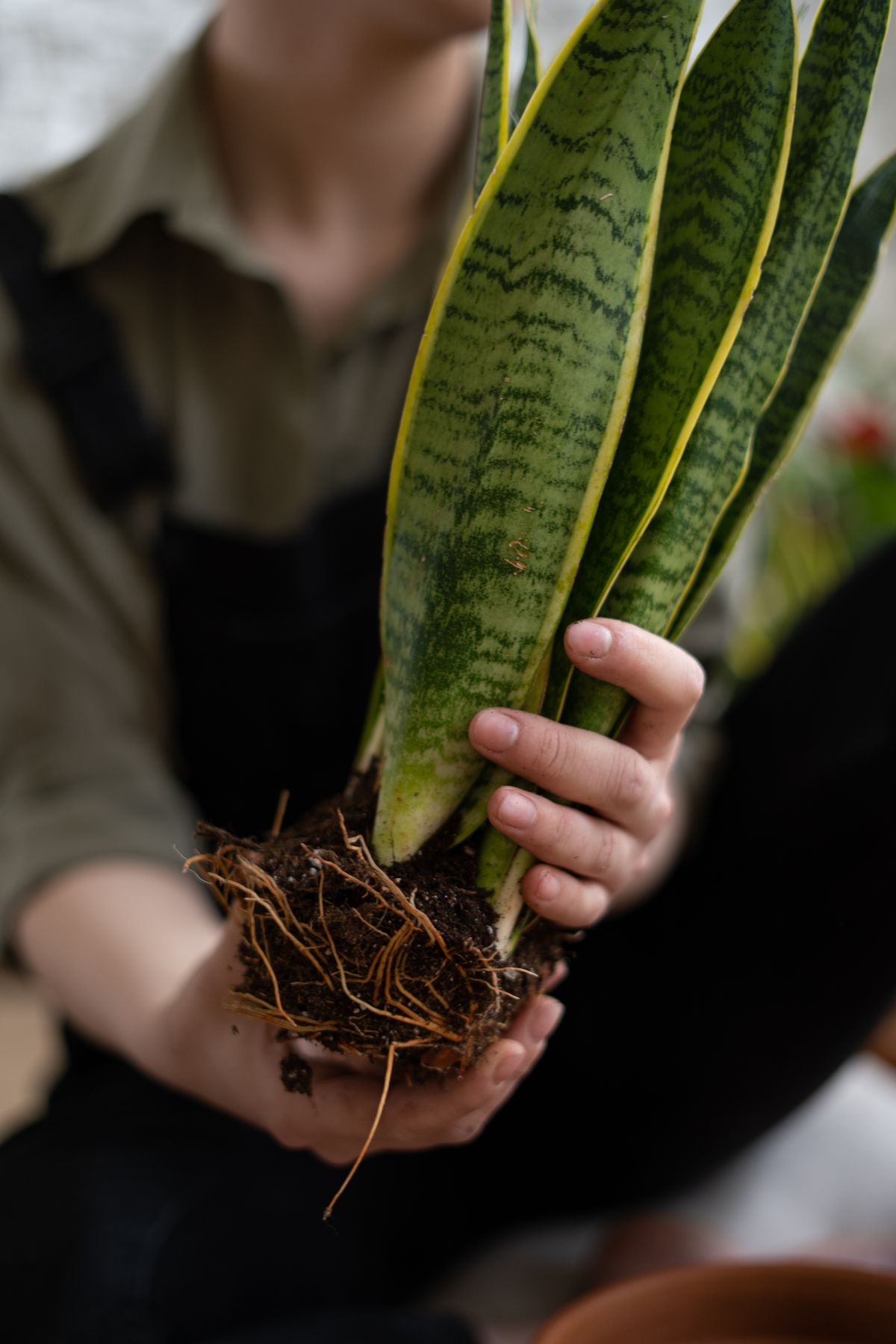
Snake Plant Roots vs Rhizomes: What Is the Difference?
Most care guides use "roots" and "rhizome" interchangeably, as if they are the same underground part with two names. They are not. One is a root. One is a stem. Knowing which is which changes how you read root rot, how you understand propagation, and what you are actually looking at the next time you tip the plant out of its pot.
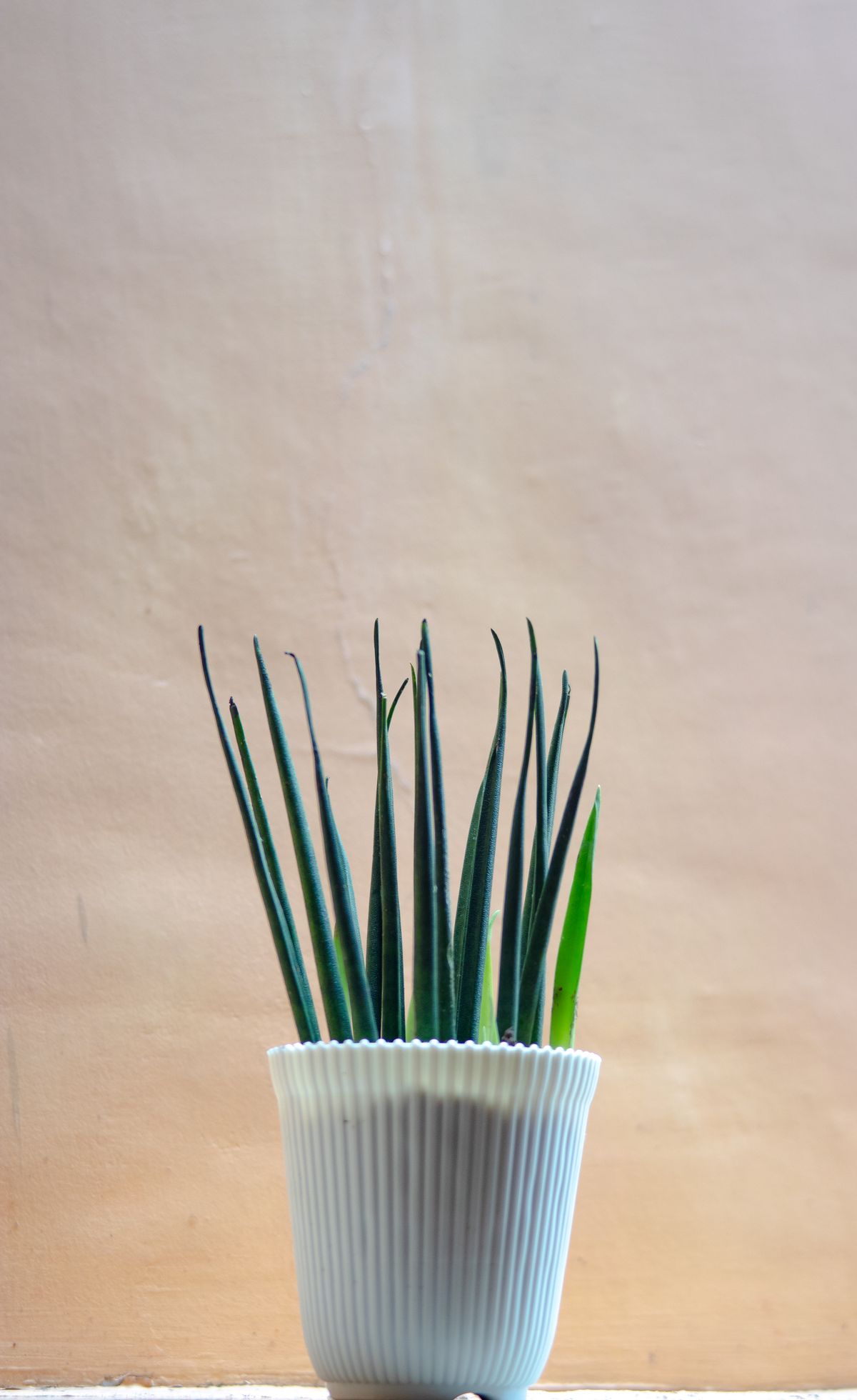
Where Are Stomata Located on Snake Plant Leaves?
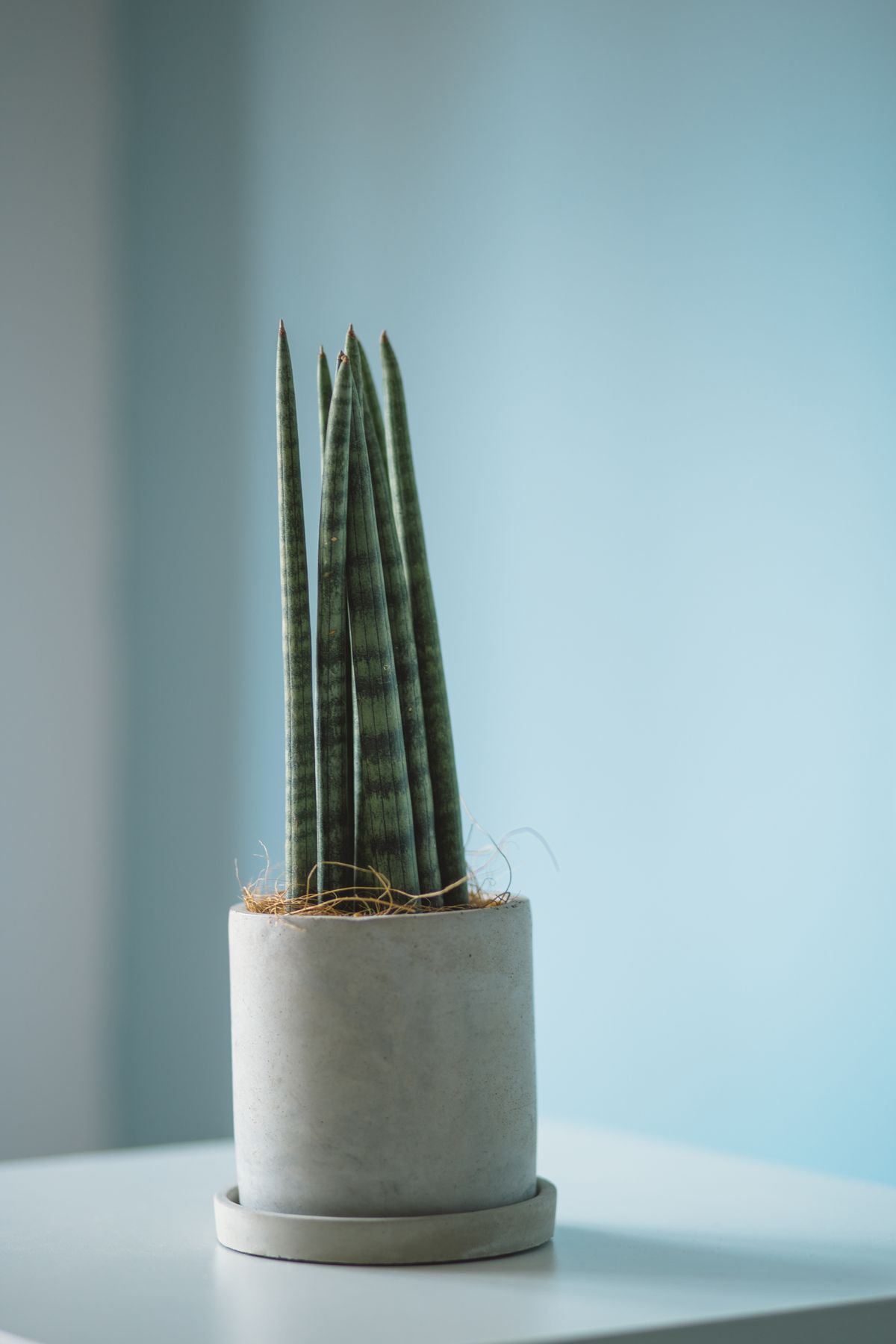
Snake plant stomata are not all arranged the same way across the genus. Flat-leaved cultivars like Laurentii carry them on both surfaces, sunk into shallow grooves. Cylindrical species place them only on one side, distributed around the leaf's grooved circumference instead. The difference comes down to what "top" and "bottom" even mean once a leaf stops being flat.
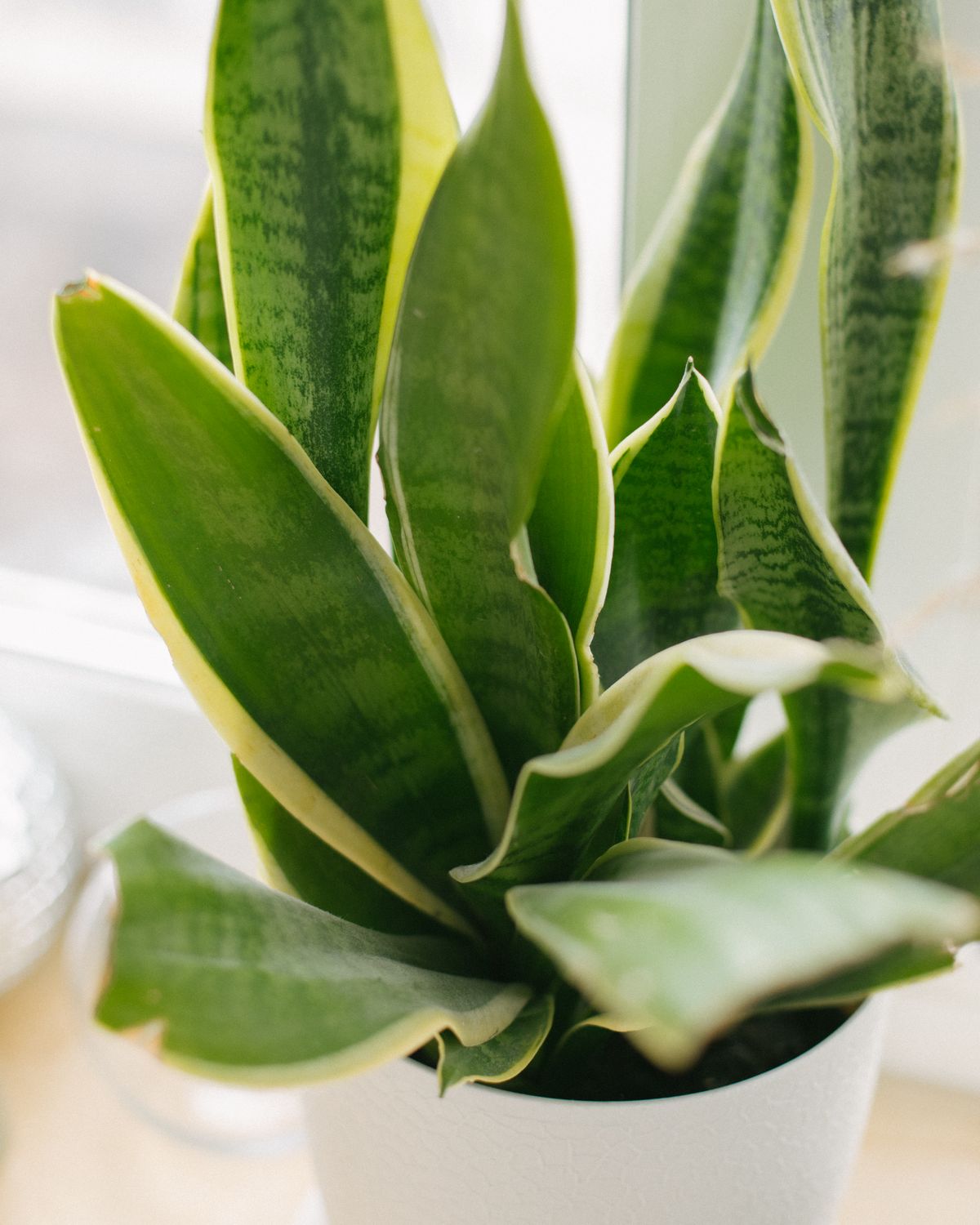
Snake Plant Waxy Cuticle: Structure and Function
Most care guides describe the shine on a snake plant leaf as "a waxy coating that stops water loss" and leave it there. That coating is actually three distinct sub-layers working together, and water loss is only one of at least three separate jobs it does — it also filters damaging UV light and forms a real chemical barrier against fungal infection.
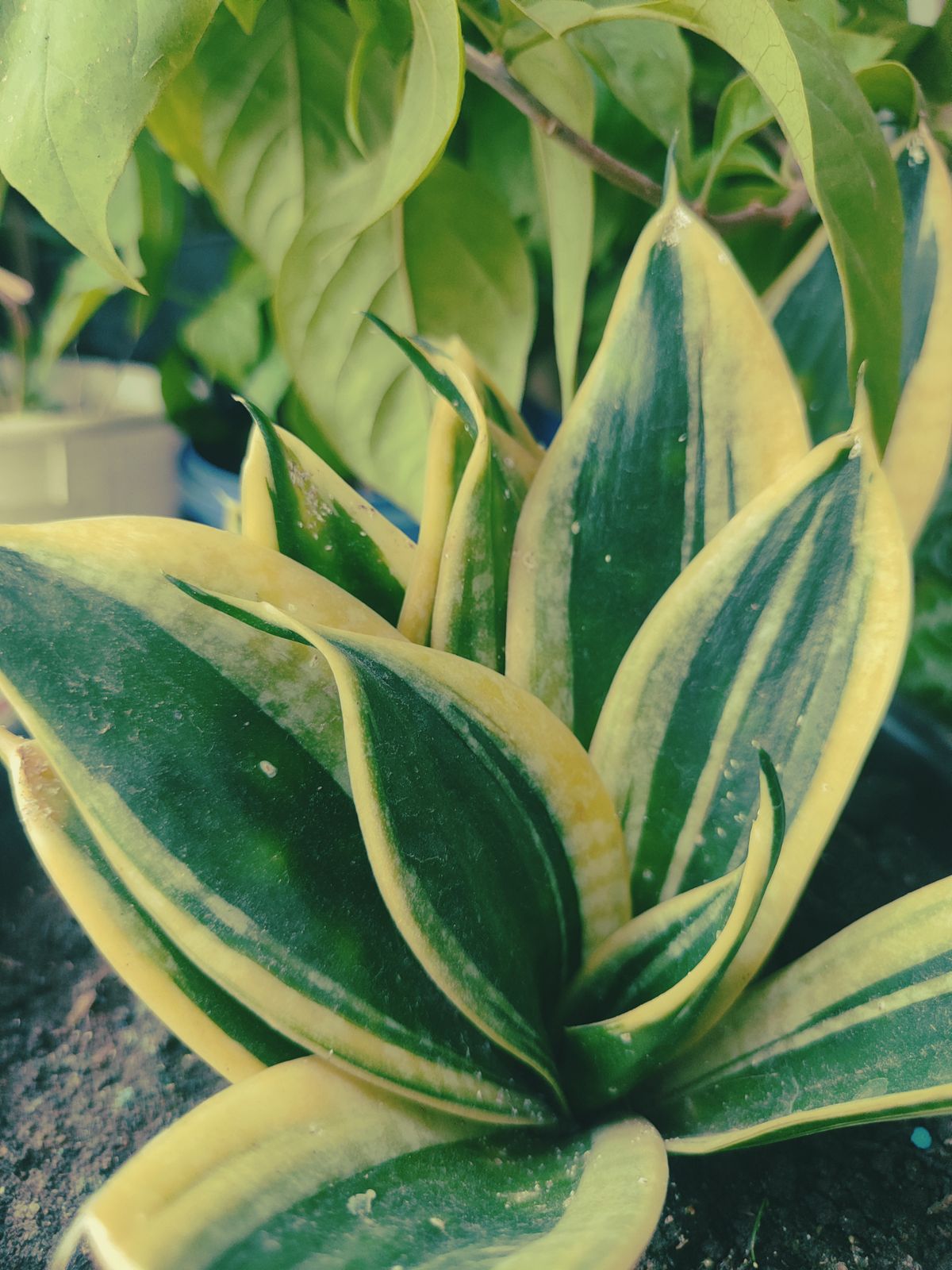
Why Do Variegated Snake Plant Cuttings Turn Green?
A reader once propagated her Laurentii from leaf cuttings — the technique she had used successfully on every other houseplant she owned. The cuttings rooted fine. Every single one came up plain green. She had not made a mistake. She had run into a limit of plant biology that has nothing to do with technique.
Why Are Snake Plant Leaves So Stiff and Upright?
A snake plant has no woody stem, no bark, nothing that looks like typical plant "support" — yet the leaves stand upright on their own. That is not fiber alone, and it is not water pressure alone. It is the two working together, the same basic principle behind reinforced concrete, and understanding it explains why a slightly thirsty leaf loses rigidity before it ever looks wrinkled.
Why Do Snake Plants Grow So Slowly?
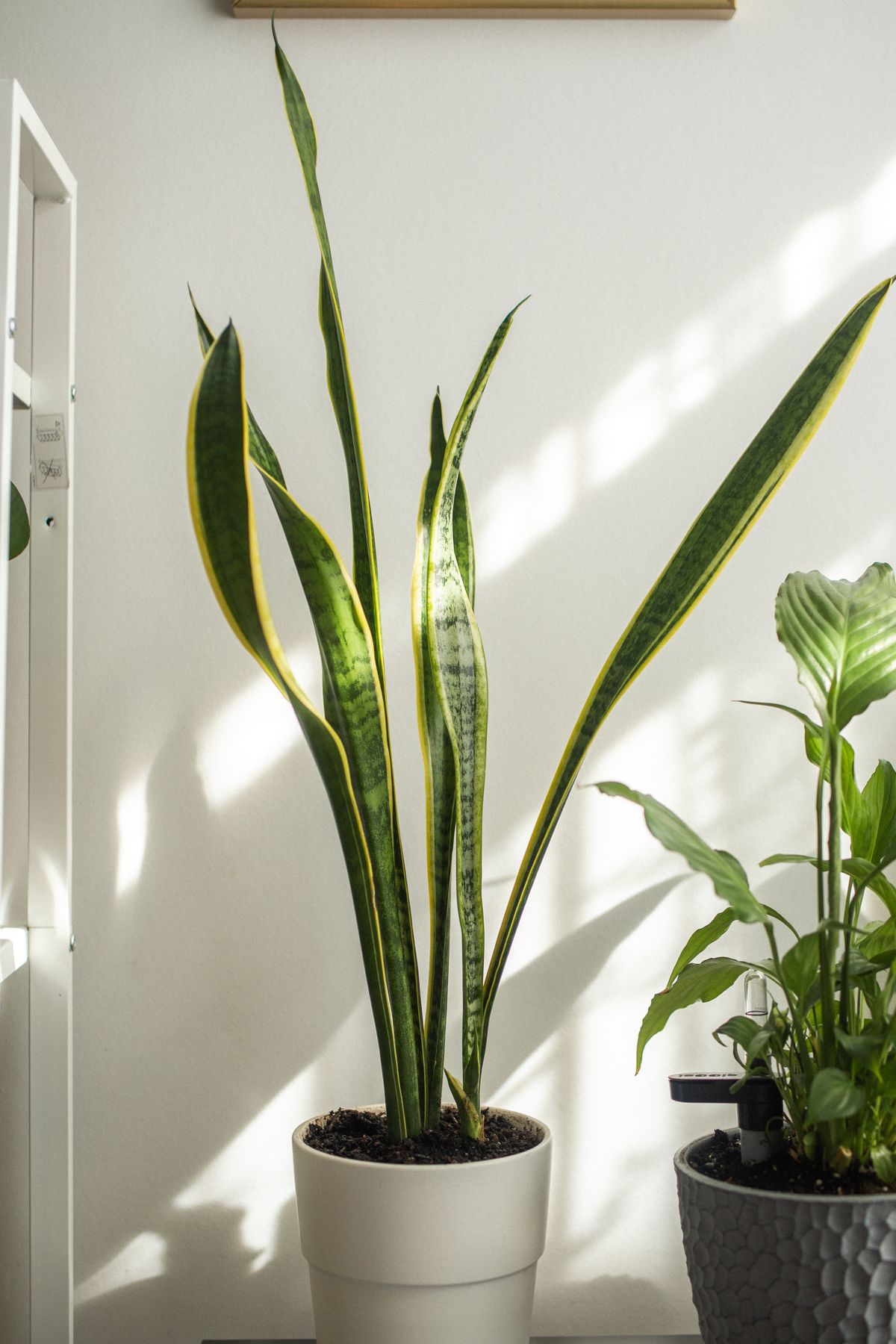
Most care guides blame slow snake plant growth on light or a small pot. Those matter, but they are not the real ceiling. The actual limit is biochemical: CAM photosynthesis can only bank carbon overnight, in a storage tank of fixed size, at roughly three times the energy cost of a plant that photosynthesizes all day. That cap exists no matter how good your care is.
Do Snake Plant Flowers Produce Seeds?
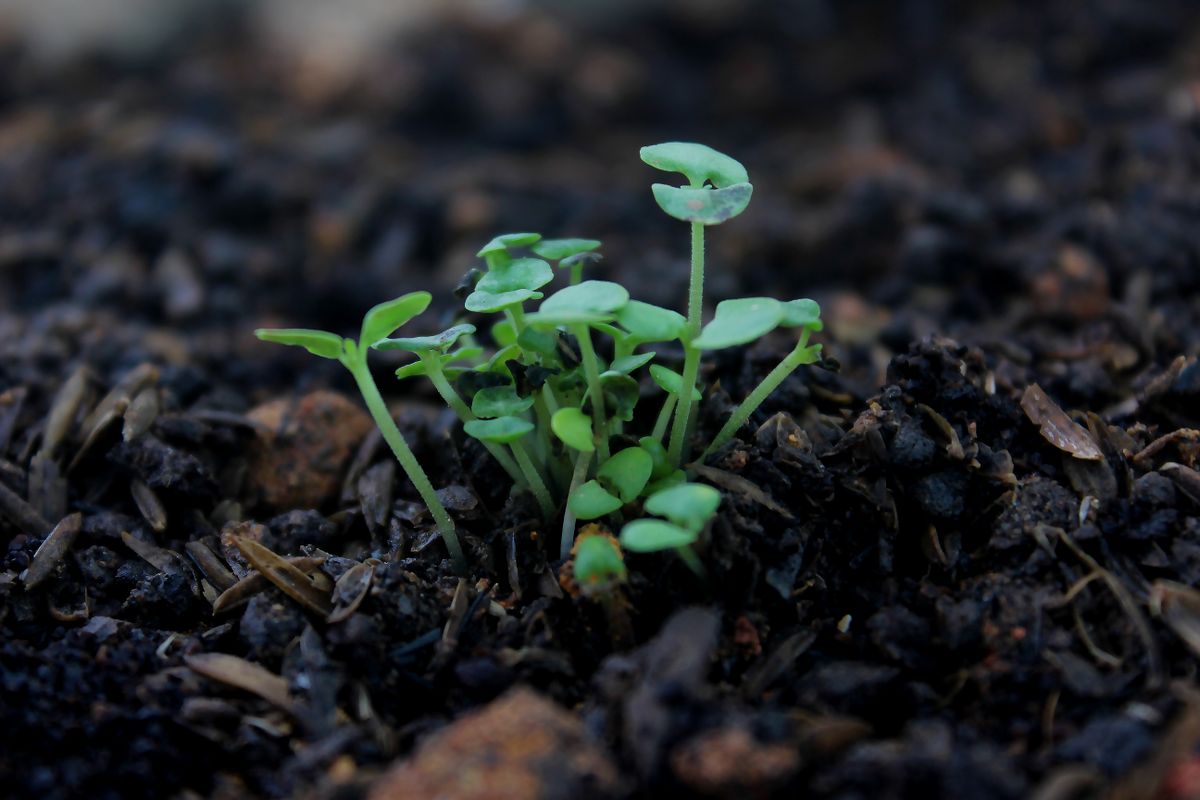
Yes, snake plants can produce seeds — but flowering, successful pollination, and viable seed all have to happen in sequence, and each step is its own bottleneck. Here is the honest chain of events and why most plants never get all the way through it.
Snake Plant Anthracnose: Symptoms and Disease Biology
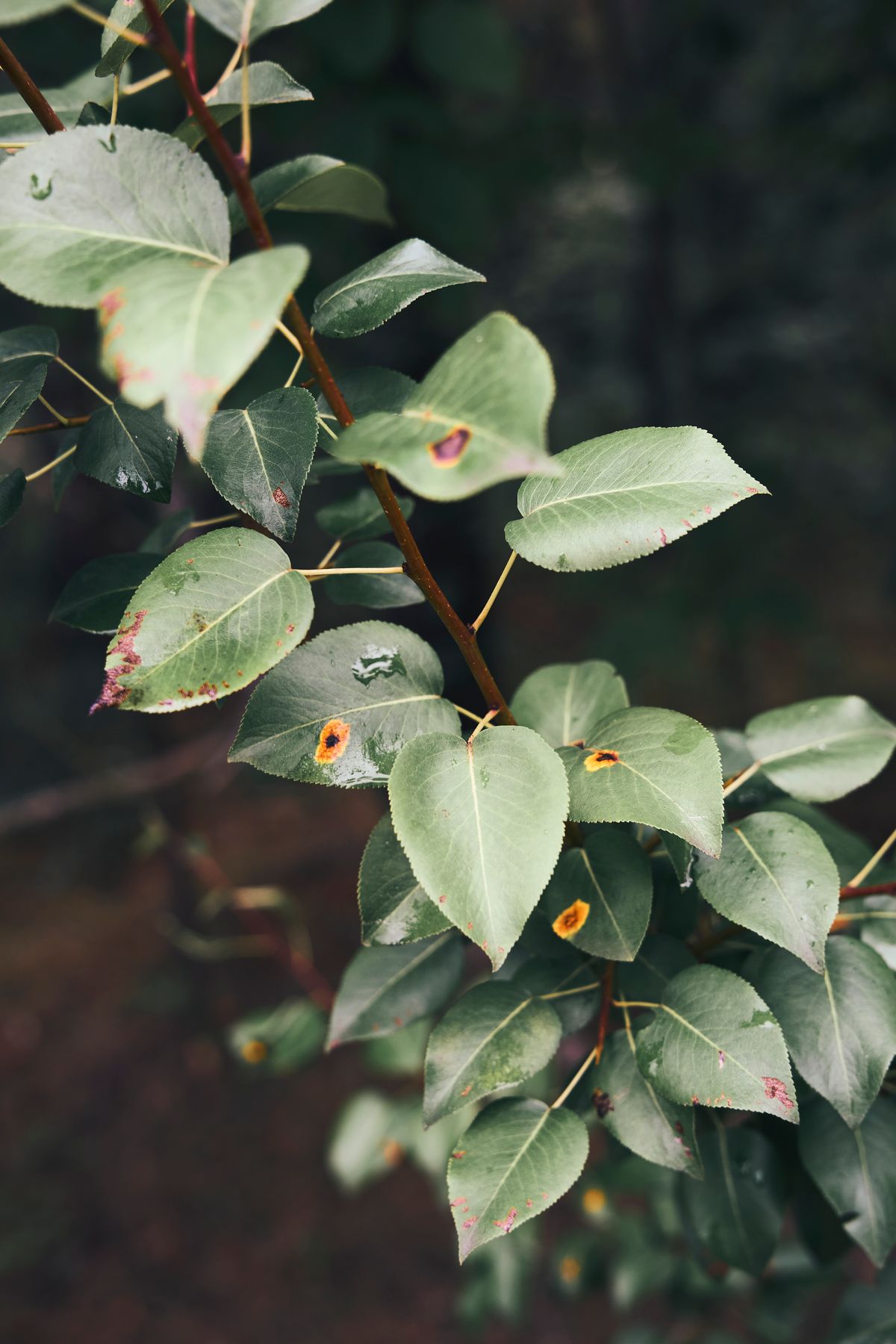
Not every brown spot on a snake plant is the same fungus. Anthracnose is a specific, fast-spreading disease caused by a fungus that infects almost nothing else — and it has a lesion pattern distinct enough to name on sight, once you know what to look for.
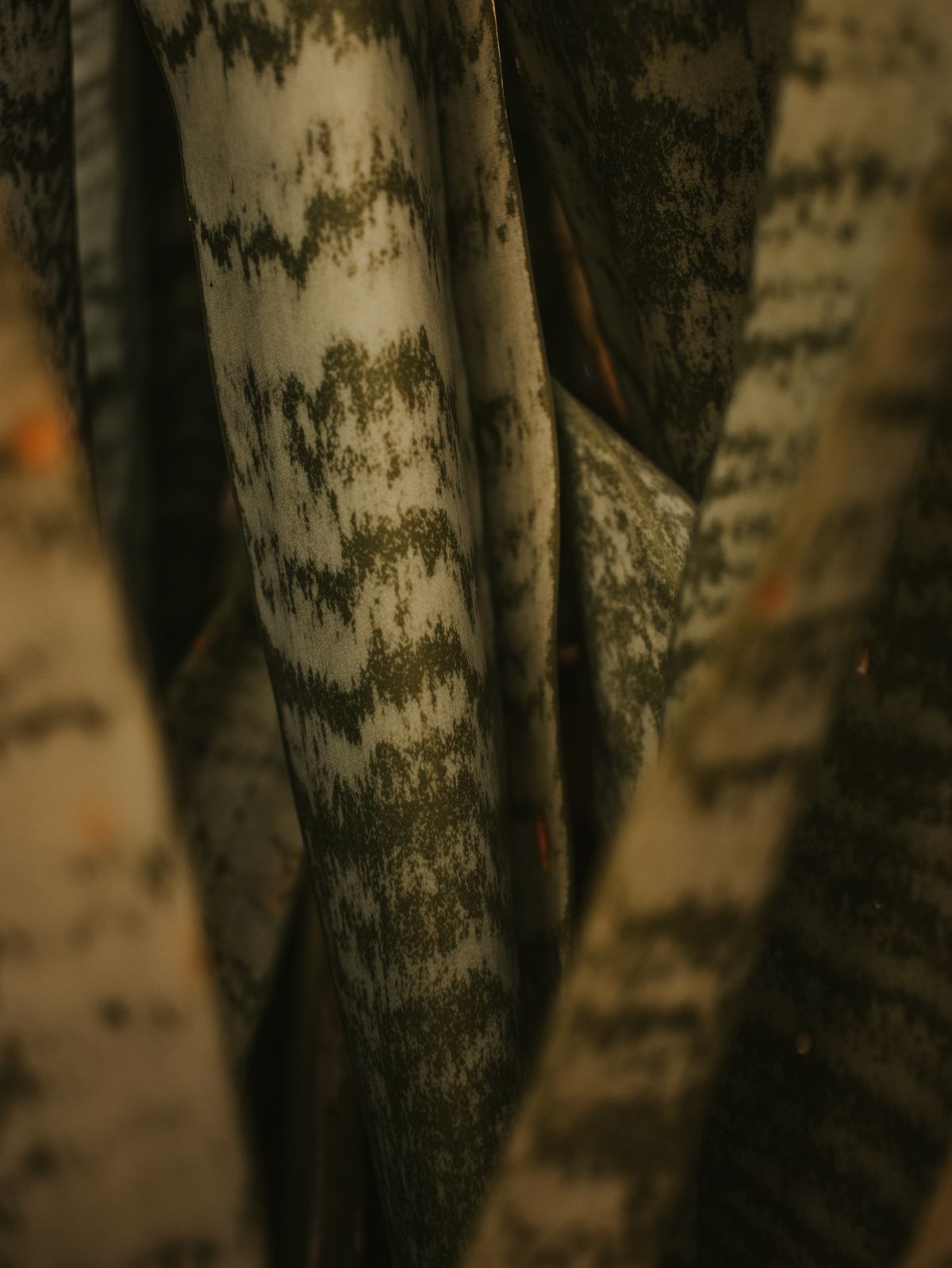
Snake Plant Brown Spots: Identify the Cause by Lesion Pattern
Not all brown spots on a snake plant mean the same thing. The shape, texture, and location of the spot tell you exactly what caused it — root rot, fungal infection, sunburn, pests, or something environmental. Here is how to tell them apart.
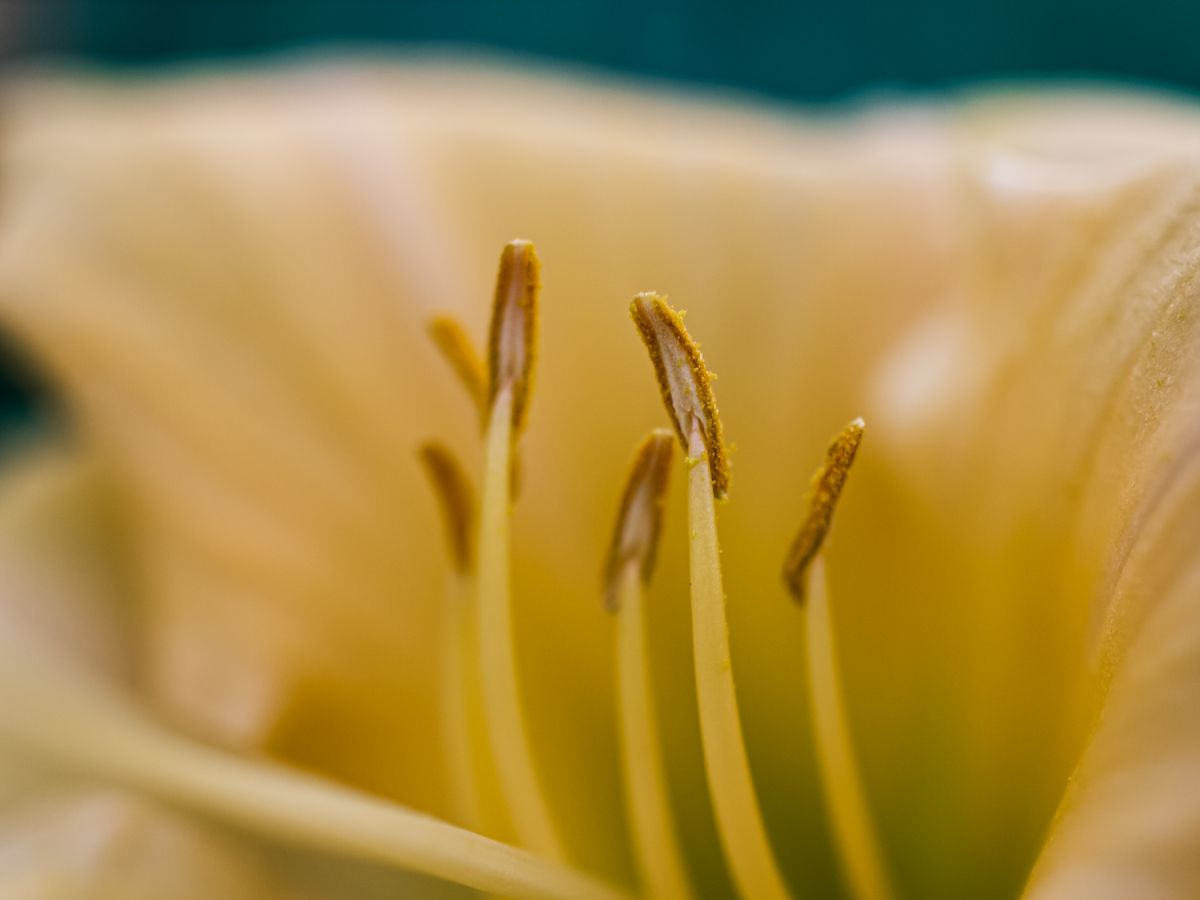
Snake Plant Flower Anatomy: Every Part Explained
A snake plant flower is not just "a tube with petals." It has six tepals, six stamens, and a three-chambered ovary — the same basic monocot floral plan as a lily, just built in miniature. Here is what each part is actually doing.
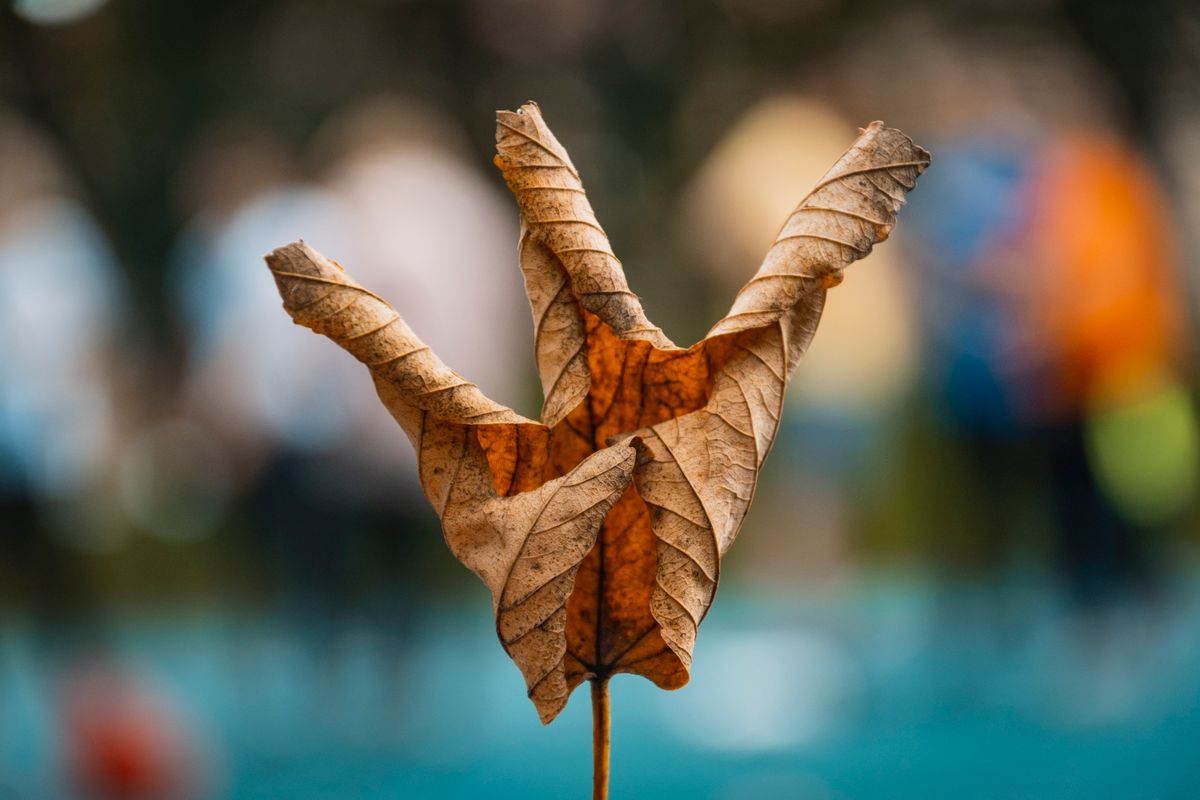
Why Do Snake Plant Leaves Curl Inward?
A snake plant leaf rolling inward is not random distress — it is a specific, deliberate water-conservation response. Here is why the leaf curls the direction it does, the three real triggers behind it, and whether it will ever roll flat again.
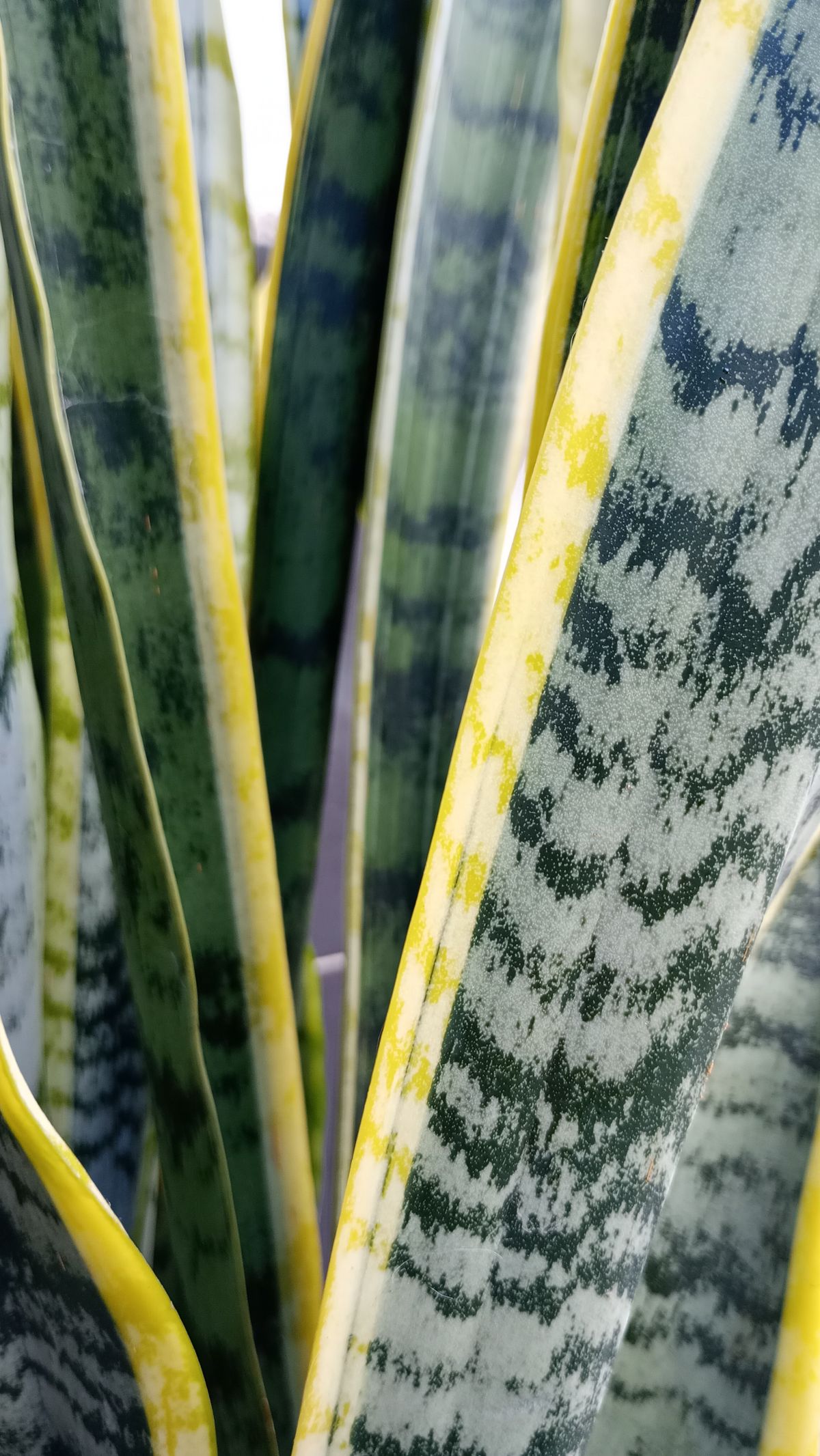
Why Do Snake Plant Leaves Lean or Fall Over?
A leaning snake plant leaf is not automatically a sign of disease. Sometimes it is simple structural physics — a tall, narrow leaf reaching the limit of what its own fibers can support. Here is how to tell that apart from root rot or low-light weakness, and what to actually do about each.