
Snake Plant Waxy Cuticle: Structure and Function
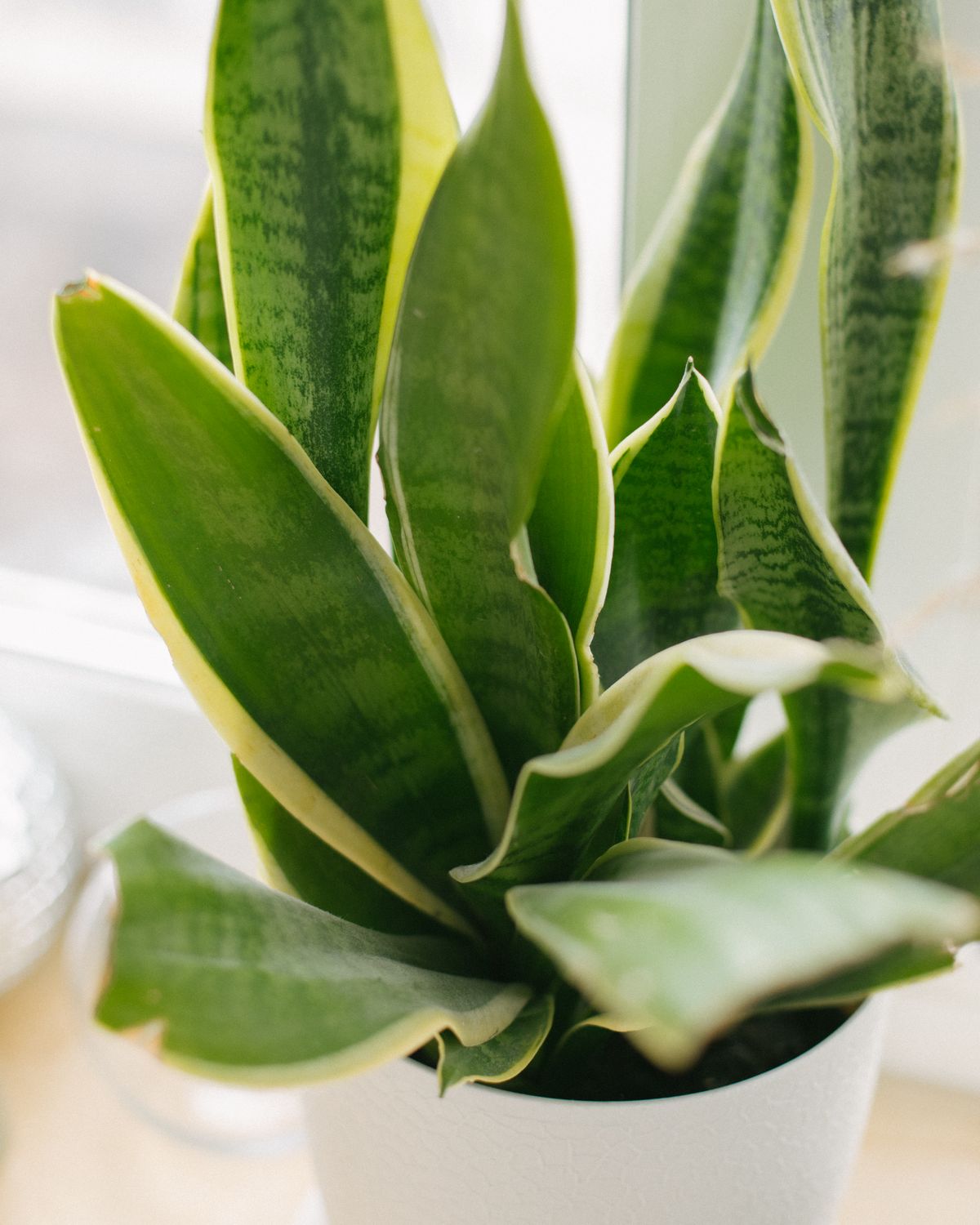
A snake plant's waxy cuticle is not a single coating but three distinct sub-layers: a cutin polyester matrix, wax dispersed inside that matrix (intracuticular wax), and a separate layer of wax crystals on the outer surface (epicuticular wax). Together they do more than block water loss — the same structure filters damaging UV-B radiation and forms a real chemical barrier against fungal infection.
Most care guides describe this surface as "a waxy coating that stops water loss" and stop there. That description is not wrong, just incomplete — it skips two of the cuticle's three documented jobs. (For where this layer sits relative to the leaf's other tissue, the Snake Plant Leaf Cross-Section guide covers the full structure; this article goes deeper on the cuticle specifically.)
What Is the Snake Plant's Waxy Cuticle Actually Made Of?
The cuticle is built from three distinct components stacked together, not one uniform layer. At its base is cutin — an insoluble polyester matrix that forms the structural framework. Wax molecules are dispersed inside that matrix, called intracuticular wax. On top of everything sits a separate layer of wax crystals coating the surface, called epicuticular wax — the part responsible for the visible sheen. The waxes themselves are chemically specific: a mixture of very-long-chain fatty acids and their derivatives, including alkanes, wax esters, and alcohols, selected by the plant for being intensely hydrophobic. Research on cuticular wax chemistry has specifically identified longer carbon-chain alkanes — with 29, 31, and 33 carbon atoms — as compounds that increase most under drought conditions, since longer chains pack together more tightly and resist water penetration more effectively than shorter ones. A full breakdown of how those surface crystals are physically arranged into their microscopic three-dimensional shapes is its own dedicated micromorphology topic.
Function 1: The Water-Loss Barrier Most Guides Stop At
This is the function every care guide gets right, even if they stop here. The hydrophobic wax dramatically slows water loss through the leaf surface itself, separate from whatever water loss happens through the stomata. Combined with closed daytime stomata during CAM photosynthesis, this cuticle is a major reason sansevieria tolerates low indoor humidity that would stress most other houseplants. The Sansevieria Adaptations guide covers this specific water-conservation role in full.
Function 2: A UV-B Filter Most Guides Never Mention
Here is the part almost no houseplant care content covers. The same cuticle layer that blocks water loss also functions as a UV filter, and it does this selectively rather than just blocking all light. Research reviewing plant cuticle function confirms this layer provides a genuinely effective barrier against damaging UV-B radiation — the wavelength range that alters cellular structures and DNA — while still allowing the specific wavelengths photosynthesis actually needs to pass through largely unimpeded. This is a real, separate function from water retention, not a side effect of it. It is part of why a snake plant can sit in a bright, sun-exposed window without the leaf tissue itself suffering UV damage the way unprotected tissue would.
Function 3: A Chemical Barrier Against Infection
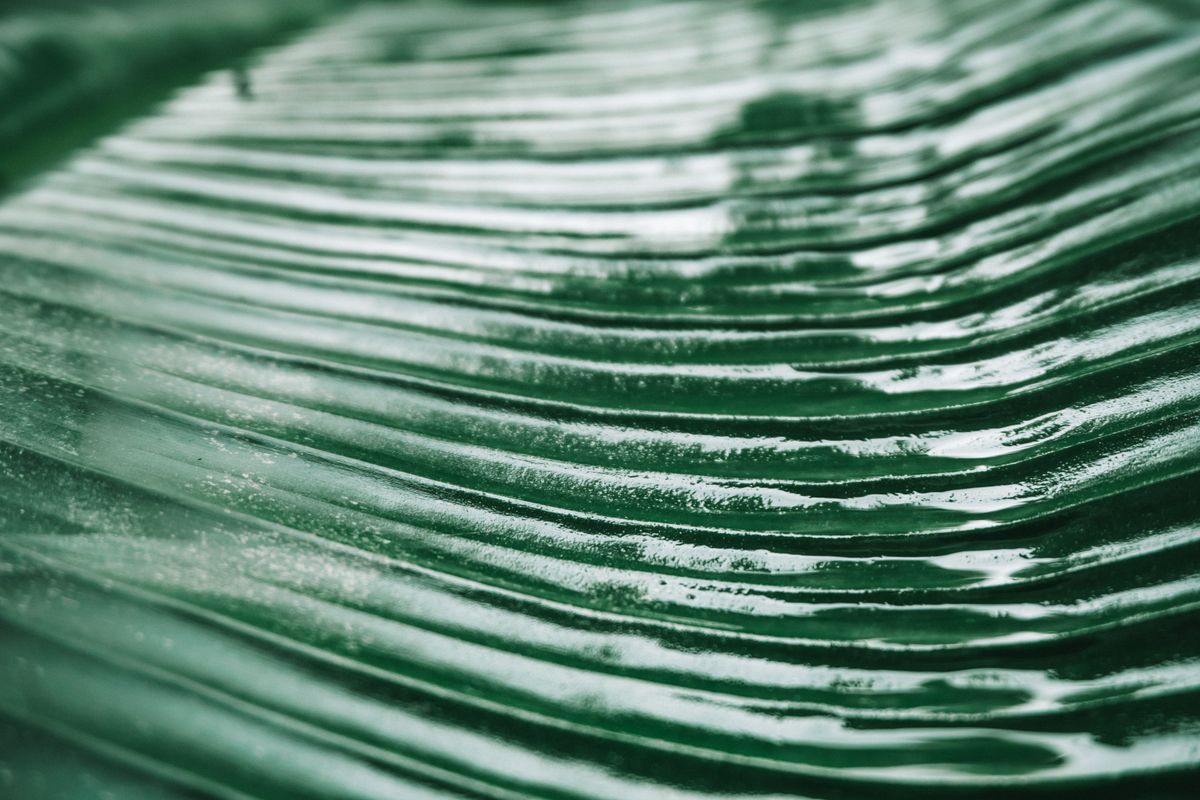
This function ties directly into a topic already covered on this site from the disease side. Research on the plant cuticle's role in pathogen defense describes it as "the first line of defense" against fungal, bacterial, and insect threats — not just a passive physical wall, but an active chemical one. Certain wax components can directly prevent fungal spore germination and block the formation of the infection structures fungi use to breach a leaf's surface, while compounds released from the cutin matrix during an actual breach trigger the plant's own internal defense response. The Snake Plant Anthracnose guide covers what happens once a fungal pathogen does get past this barrier — this cuticle is the first line that has to fail, or be physically damaged, before that infection can even start.
Does the Cuticle Get Thicker When the Plant Is Under Drought Stress?
In many wax-producing plants studied generally, yes, and the mechanism is worth understanding even though it has not been specifically measured in sansevieria. Research on cuticular wax and drought tolerance found total wax per unit leaf area increased by 80% in plants under water deficit compared to well-watered controls, with longer-chain wax compounds specifically increasing as part of that response. This is a genuinely different mechanism from the leaf's internal hydrenchyma reserves — it is the plant actively investing more into its outer barrier when water becomes scarce, on top of drawing down its internal water storage.
Why Do the Leaves Look Duller Sometimes, Even When Healthy?
Almost always dust, not a failing cuticle. Dust settling on the epicuticular wax layer blocks light and interferes with this barrier's function without damaging the underlying wax itself. Wiping leaves with a damp cloth every few weeks restores both the visual shine and the actual functional barrier sitting beneath the dust — a small habit that matters more than it looks like it should, given everything this one layer is actually doing.
Can the Cuticle Itself Be Damaged?
Physical abrasion — a leaf rubbed repeatedly against a wall, handled roughly during repotting, or scratched by a pet — can thin or scrape away the wax in a localized spot. Unlike living tissue, the cuticle does not actively heal or regrow over an existing scratch on a mature leaf; the plant's response is to keep depositing fresh cuticle on new growth rather than repairing the damaged patch. In practice this usually shows up as a small dull or slightly rough area rather than a functional crisis, since the surrounding intact cuticle keeps doing its job everywhere else on the leaf. It is one more reason to handle leaves by their base rather than dragging fingers along the blade when moving or cleaning the plant.
For the complete species profile this structure belongs to, the Sansevieria Plant Botanical Guide and the Sansevieria Trifasciata guide cover it in full.
Next time you wipe dust off a leaf: you are not just making it shinier. You are restoring a UV filter and a chemical infection barrier at the same time — reason enough to make it a habit every few weeks rather than an occasional afterthought.
Care FAQ
What is the waxy cuticle on a snake plant leaf made of?
A cutin polyester matrix with wax embedded inside it (intracuticular wax) and a separate layer of wax crystals coating the outer surface (epicuticular wax). The waxes themselves are a mixture of very-long-chain fatty acids and their derivatives, including alkanes, wax esters, and alcohols, chosen for being highly hydrophobic.
Does the waxy cuticle only stop water loss?
No. Water-loss prevention is the most commonly cited function, but the same layer also filters out damaging UV-B radiation while letting the wavelengths photosynthesis actually needs pass through, and it acts as a physical and chemical barrier against fungal spore germination and other pathogen entry.
Does the cuticle get thicker when a snake plant is drought-stressed?
In many plants studied, yes — wax accumulation per unit leaf area has been measured increasing substantially under water-deficit conditions, with longer-chain wax compounds specifically increasing. This has not been measured in sansevieria specifically, but it is consistent with the general drought-response pattern seen across many wax-producing species.
Why do snake plant leaves look duller after a while, even when healthy?
Usually dust, not a failing cuticle. Dust settling on the epicuticular wax layer blocks light and interferes with the barrier's function without damaging the wax itself. Wiping leaves with a damp cloth every few weeks restores both the appearance and the functional barrier underneath the dust.
Is the cuticle the same thing as the epicuticular wax crystals sometimes mentioned in plant science?
No, though they are related. The cuticle is the entire multi-layer structure — cutin matrix plus both wax types. Epicuticular wax crystals refer specifically to the outermost layer, where wax molecules arrange into microscopic three-dimensional structures on the leaf surface, distinct from the intracuticular wax dispersed inside the cutin matrix beneath it.
Can the waxy cuticle be damaged, and does it heal?
Physical abrasion or handling can thin or scratch the cuticle in a localized spot, and it does not actively repair itself the way living tissue does. The plant compensates by continuing to deposit new wax on newly grown tissue, but an existing damaged patch on a mature leaf generally stays as it is.