
Snake Plant Southern Blight: Living Rhizome vs. Rotted Rhizome

Snake plant southern blight is a fast-moving, soil-borne fungal disease that attacks the rhizome, the thick underground stem that keeps a Dracaena trifasciata alive and growing. A living rhizome feels firm, plump, and creamy white to pale orange inside. A rotted rhizome feels soft, mushy, and looks brown, gray, or black, often wrapped in fuzzy white mycelium and tiny mustard-seed-like sclerotia. The quick test: squeeze it. Firm and solid means healthy and savable. Squishy and foul means it's gone.
Knowing the difference is everything — it's the line between tossing the whole plant and rescuing enough healthy rhizome to grow a brand-new one.
Living vs. Rotted Snake Plant Rhizome: Quick Comparison
| Feature | Living Rhizome | Rotted Rhizome |
|---|---|---|
| Texture | Firm, plump, solid | Soft, mushy, squishy |
| Color inside | Creamy white to pale orange | Brown, gray, or black |
| Smell | Earthy, neutral | Foul, sour, rotten |
| Surface | Clean, smooth | Fuzzy white mycelium, slimy patches |
| Sclerotia present? | None | Tiny tan-to-brown balls like mustard seeds |
| Roots attached | White, firm roots | Brown, slimy, falling-apart roots |
| Can you save it? | Yes — repot or propagate | No, discard immediately |
Keep this table handy the next time you unpot a struggling plant.
How Snake Plant Southern Blight Damages the Rhizome
Southern blight is caused by the fungus Athelia rolfsii (formerly Sclerotium rolfsii), and it goes straight for the base of the plant. The fungus survives in soil as tough resting bodies called sclerotia, which look exactly like mustard seeds and can wait patiently for up to five years, according to NC State Extension: the fungus "remains dormant in the soil as small... round, brown- to tan-colored bodies called sclerotia... and can survive in soil debris and diseased tissue for up to 5 years."
When conditions turn warm and damp, those sclerotia wake up and send out threads of white mycelium that creep across the soil and attack the crown, where the leaves meet the rhizome. The fungus is most active between 80°F and 95°F in consistently moist, slightly acidic soil (below pH 7) — exactly the range many homes reach in summer, especially in a warm room with soggy potting mix. From there, the damage moves fast: water-soaked lesions form at the soil line within days, above-ground wilting or yellowing typically shows up 2 to 4 days after infection, white mycelial mats and fresh sclerotia develop within days to weeks, and the plant can collapse in under a week as the rotted rhizome loses its ability to move water.
This is why southern blight is so sneaky — the trouble starts underground, so by the time wilting shows up top, the rhizome below may already be badly damaged. The upside: a firm, clean rhizome tucked away from the infection can still be saved.
Why Snake Plants Are Especially Vulnerable Indoors
Snake plants are famous for tolerating neglect, so owners often keep them in low light and forget about drainage — but southern blight almost always traces back to soil that stays too wet. Indoor pots dry out slowly, especially in warm rooms, and that lingering moisture at the crown is exactly what the fungus needs. Reusing old potting mix is another hidden risk: if a previous plant carried sclerotia, those resting bodies can survive in the mix and infect the next plant that goes into it. Warm, still indoor air also limits evaporation, keeping the soil surface damp far longer than it would be outdoors — combine that with the plant's slow growth and thick, moisture-holding leaves, and the conditions stack up against it in ways that aren't obvious from the outside.
Southern Blight vs. Everyday Rhizome Rot
Not all mushy rhizomes mean southern blight. Overwatering causes plain old rhizome rot and crown rot too, and the Why Are My Snake Plant Leaves Soft and Mushy? guide covers that oxygen-starvation mechanism and rescue protocol in full.
The tell: southern blight shows the combo of fuzzy white mycelium and round tan-to-brown sclerotia on the rhizome and soil surface, and it spreads fast in warm, humid conditions. Ordinary rhizome rot from soggy soil and poor drainage produces mushy, brown, foul-smelling tissue, but no cottony white mats and no mustard-seed sclerotia. If mushy tissue also smells sharply foul and spreads within a day or two rather than over weeks, it's also worth ruling out bacterial soft rot, a different pathogen entirely with no sclerotia involved. If you spot sclerotia, treat it as southern blight and take extra care with sanitation — either way, the rescue steps for any surviving healthy rhizome are similar.
How to Inspect and Test a Snake Plant Rhizome
This hands-on check takes just a few minutes with a clean knife.
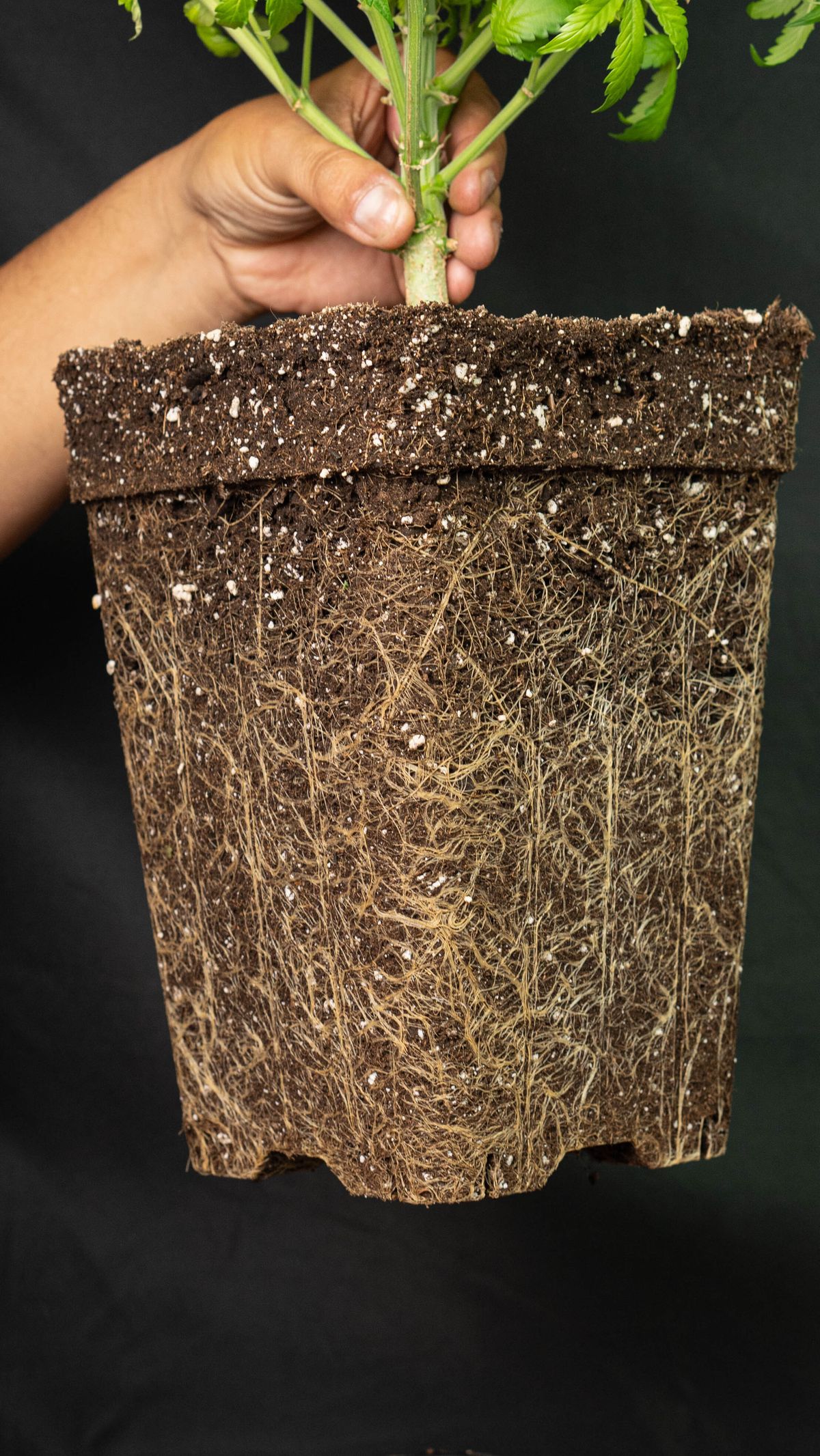
- Unpot and rinse. Gently slide the plant out of its pot, shake off loose soil, then rinse the rhizome and roots under lukewarm water so everything is visible.
- Do the squeeze test. Press each rhizome firmly between your fingers. A living rhizome feels solid and springs back; a rotted one feels soft, hollow, or collapses under light pressure.
- Check color and smell. A healthy rhizome smells earthy and looks creamy white to pale orange inside. A rotted rhizome smells sour and looks brown, gray, or black — trust your nose here.
- Hunt for fungal signs. Scan closely for cottony white mycelium and tiny, round sclerotia in tan, brown, or reddish-brown. These confirm southern blight specifically, not just simple overwatering.
- Make the cut. Slice into a questionable rhizome. Clean, firm, pale tissue is alive and worth saving; mushy, discolored tissue is rotted and must go.
How to Salvage and Propagate Healthy Rhizomes
Found firm, clean rhizomes? The rescue mechanics here follow the same core process as rescuing a plant from ordinary root rot — unpot, cut back to healthy tissue with a sterilized blade, let the cuts callus, repot in dry fresh mix — with a couple of southern-blight-specific details that matter more here:
- Separate the survivors. Cut away every soft, rotted, or fungus-covered section with a sterilized blade, sanitizing between every cut with 70% isopropyl alcohol.
- Never compost the rotted parts. Bag all rotted rhizomes, infected soil, and fungal debris and throw them in the trash. Sclerotia easily survive composting and will spread the disease to the next planting.
- Let the cuts callus for one to two days in a dry, shaded spot before replanting.
- Repot in fresh, sterile mix — a gritty cactus or succulent blend in a clean, disinfected pot with drainage holes.
- Water sparingly. Wait about a week before the first watering, then water lightly only when the top few inches of soil are bone dry.
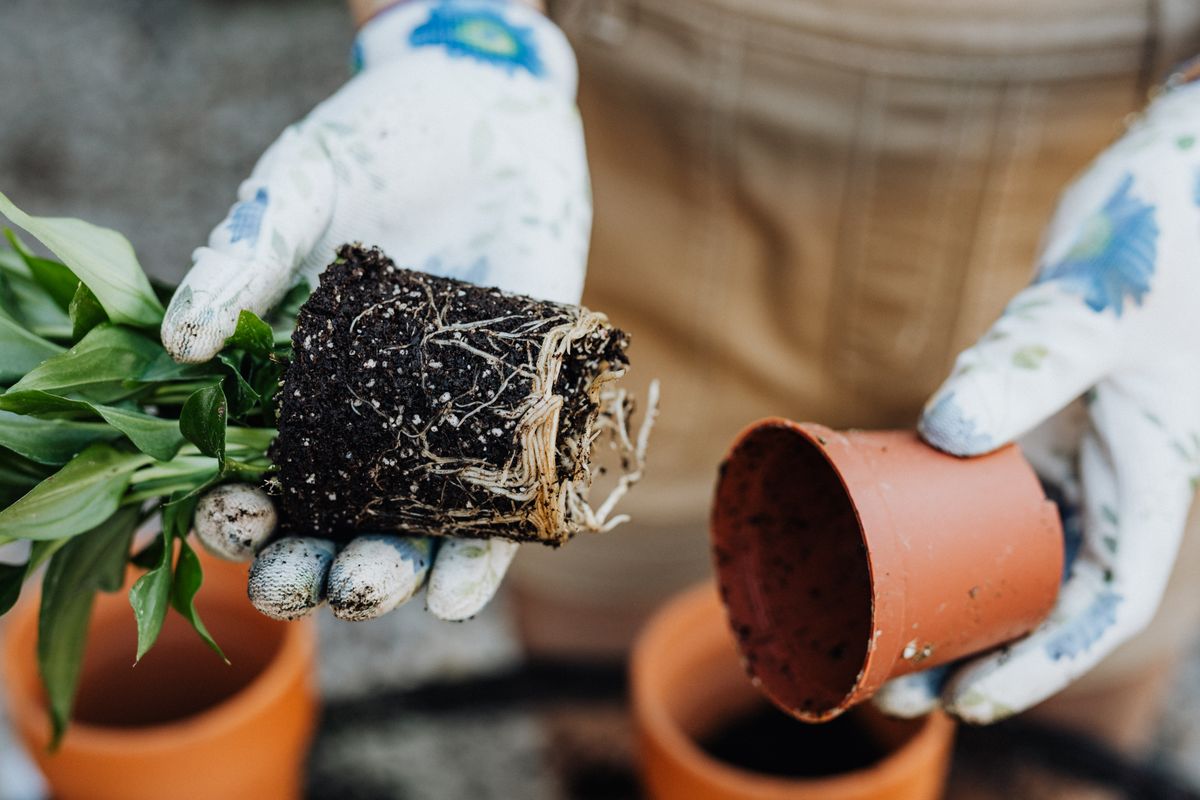
A rescued rhizome will send up fresh, firm shoots within a few weeks.
A note on fungicides: for homeowners, there are no reliable curative fungicides for southern blight on ornamentals. Products containing azoxystrobin, flutolanil, tebuconazole, or fludioxonil are labeled for southern blight, but they work best as preventive treatments, not cures, and are mostly used by commercial growers. For a houseplant, sanitation and fresh soil will do far more good than any spray.
How to Prevent Snake Plant Southern Blight
- Water only when dry. Let the top few inches of soil dry out completely between waterings — overwatering is the number-one trigger for rhizome rot generally.
- Use well-draining soil and pots with drainage holes. Standing water at the crown is exactly what Athelia rolfsii favors.
- Raise the soil pH. A more neutral to slightly alkaline mix, above pH 7, discourages sclerotia from germinating.
- Boost airflow. Space plants apart so the soil surface and leaves dry quickly — University of Wisconsin Horticulture Extension recommends spacing plants farther apart "to improve airflow and promote more rapid drying of foliage and soil."
- Sterilize tools. Wipe blades and pots with alcohol between plants so the fungus never travels from one pot to the next.
- Inspect new plants. Before bringing a snake plant home, check the rhizome and soil for white mycelium or mustard-seed sclerotia.
- Use fresh potting mix. Skip reused soil, especially if a previous plant showed any sign of disease.
For deeper, research-backed detail, NC State Extension and University of Wisconsin Horticulture Extension both publish thorough guides on managing this fungus.
Southern blight moves fast and starts where you can't see it, but it doesn't have to mean losing the whole plant. Unpot, squeeze-test every rhizome, and be honest about what the color, smell, and surface are telling you. Discard anything rotted, sclerotia-covered, or fuzzy without hesitation — never compost it — and give the firm, clean pieces a clean pot and a little patience. That's usually enough for a snake plant to come back from a disease that looks, at first, like the end of it.
Care FAQ
Can a snake plant survive southern blight?
The infected parts cannot be cured, but the plant often can survive. If caught early, cut away all rotted and fungus-covered rhizomes, keep only firm and healthy pieces, sterilize everything, and repot the survivors in fresh soil. Those clean rhizomes can grow into a healthy new plant, even after the original crown is lost.
What does a rotted snake plant rhizome look like?
A rotted rhizome looks brown, gray, or black and feels soft, mushy, or hollow when squeezed. It usually smells sour or rotten, and with southern blight you will also see fuzzy white mycelium plus tiny tan-to-brown sclerotia that resemble mustard seeds. A living rhizome, by contrast, is firm and creamy white to pale orange inside.
How do I know if my snake plant rhizome is still alive?
Do the squeeze test. A living rhizome feels firm, plump, and solid, and springs back under pressure. Slice into it and it should look clean, creamy, and pale. If it is soft, discolored, foul-smelling, or covered in white fungal threads, it is rotted and needs to be removed.
Will southern blight come back after I repot?
It can, because sclerotia survive in soil for up to five years and only need warm, damp conditions to wake up. That is why discarding all infected soil, using fresh sterile mix, sanitizing tools, and letting the soil dry between waterings matter so much. Ongoing prevention, not a one-time fix, keeps it from returning.
Can southern blight spread to my other houseplants?
Yes. Athelia rolfsii attacks over 500 plant species and spreads through shared soil, splashing water, and dirty tools. Isolate any infected snake plant right away and disinfect anything that touched it, so the fungus cannot jump to the rest of the collection.